Departments and Units Resources
-
C 1237
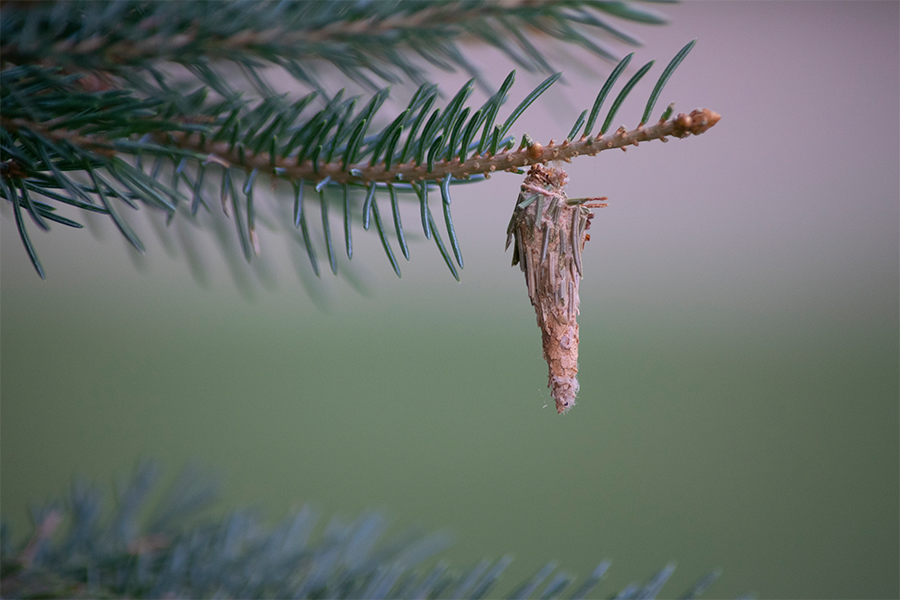
Bagworms in Urban Landscapes
An introduction to bagworms, along with their biology, how they damage landscapes, and management options.
|
-

The cumulative greenhouse gas (GHG) emissions from any human activity are commonly referred to as the carbon footprint. The Poultry Carbon Footprint Calculation Tool was developed and designed specifically for poultry production farms. The tool can be used to estimate the greenhouse gas (GHG) emissions from pullet, breeder, and broiler grow-out farms. This resource provides an overview for poultry producers on how to use the tool and gives recommended applications.
|
-
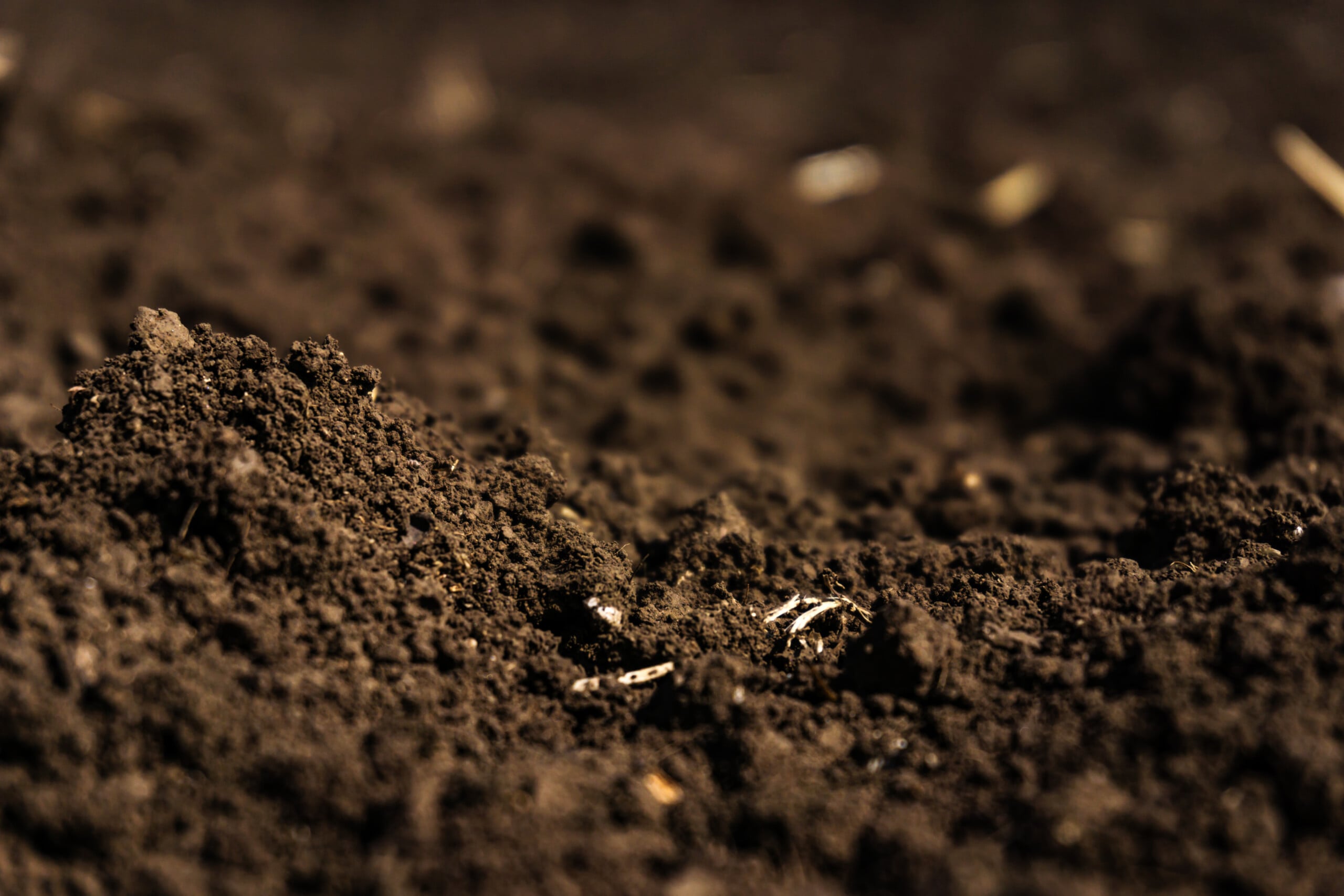
Excessive fertilization does not equate to greater crop yields. Crop yields are optimized when nutrients are efficiently used, which requires fertilizer applications to be based on the right source, the right time, the right rate, and the right placement. These are referred as the four Rs of fertilizer management, whose purpose is to supply plants’ nutrient requirements, reduce production costs, and mitigate environmental impact. The original manuscript for this publication was written by Andre Luiz Biscaia Ribeiro da Silva and Erick Smith. It has been reviewed by Tim Coolong.
|
-
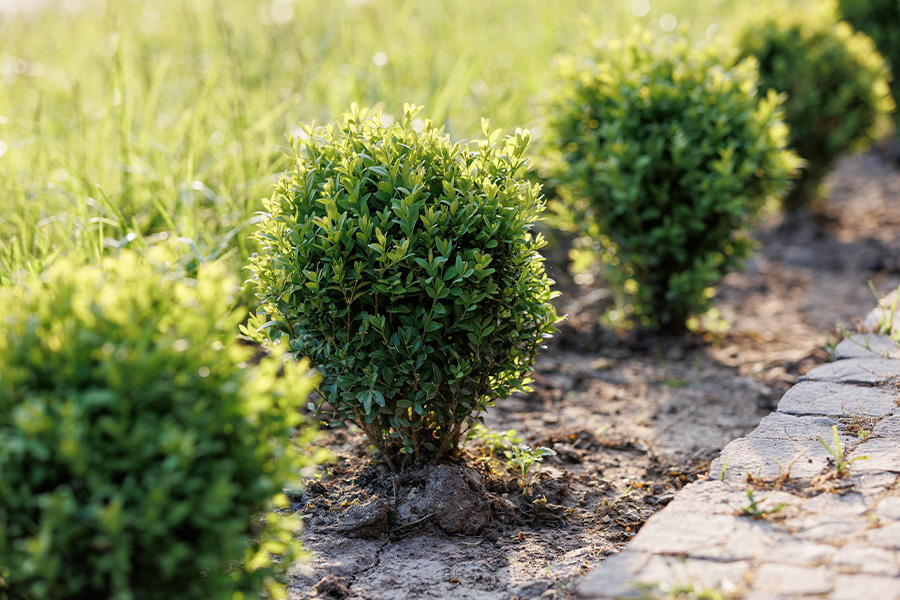
This resource provides alternative plants to replace boxwood in landscapes across Georgia. It includes information on new cultivars and cautions against the use of plants on the GA-EPPC invasive plant list, as well as species and cultivars affected by common pests and diseases.
|
-

Flowering and foliage plants can make welcome gifts. How long they remain attractive may be directly related to the care and handling they are given. This publication describes ways to properly care for holiday and gift plants to ensure maximum longevity.
|
-
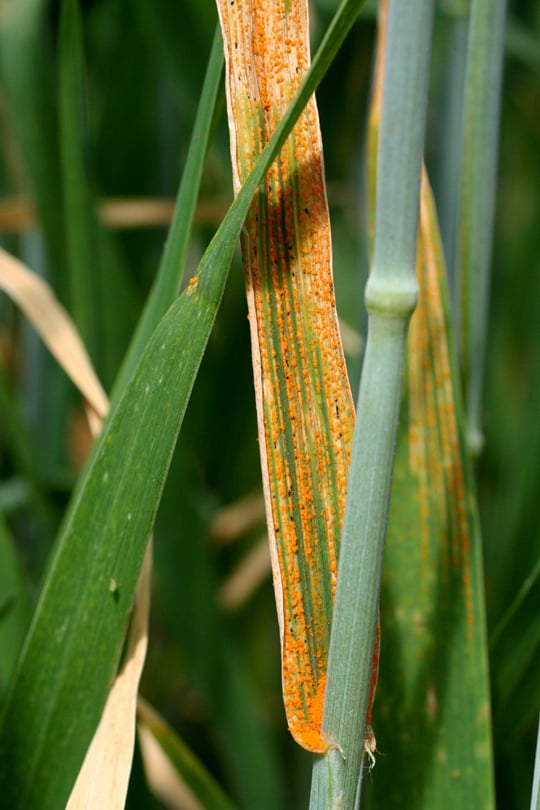
Stripe rust is an emerging disease in the state of Georgia. Evidence of increased aggressiveness of the disease has been reported recently. Rusts are the most economically important group of wheat diseases. More than $5 billion is lost to cereal rusts worldwide each year.
|
-

This publication explains some of the options available to Green Industry professionals for dealing with these organic materials.
|
-
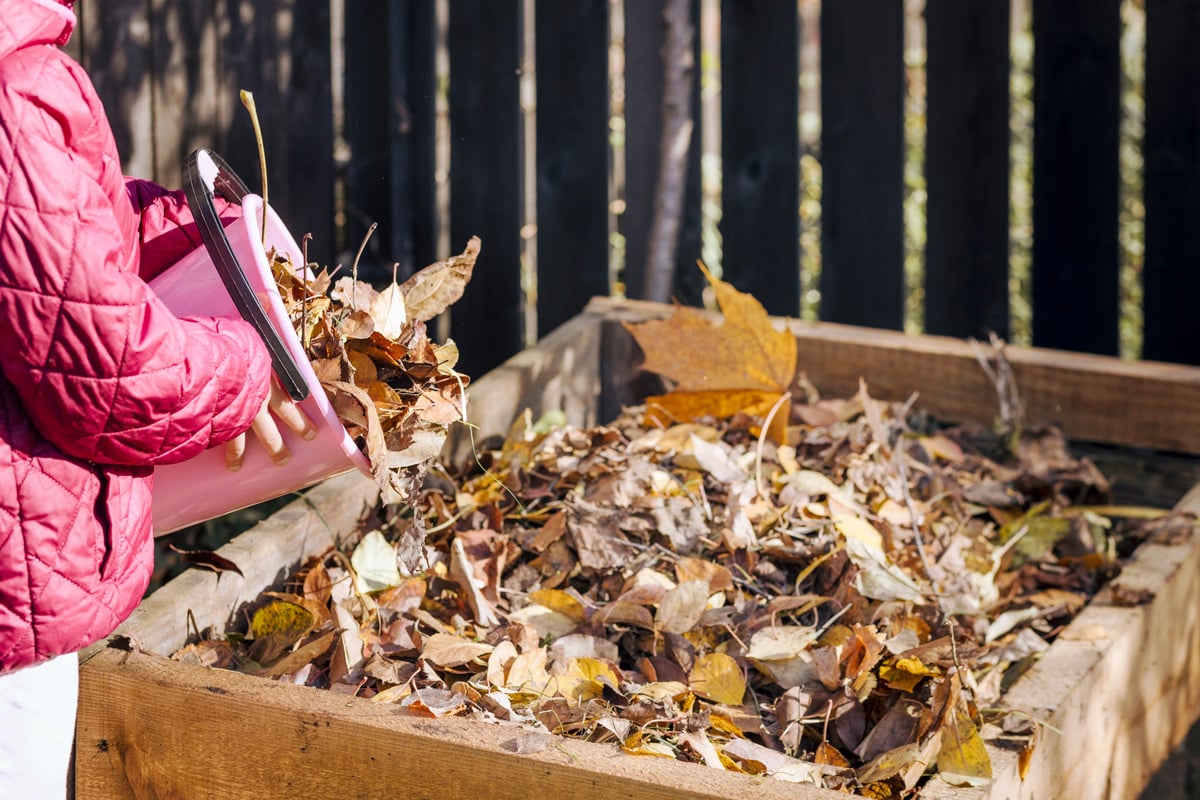
Citizens throughout Georgia are recycling newspaper, cans, glass and plastic in an effort to divert these materials from the waste stream. Another important part of waste reduction involves recycling leaves, lawn clippings, and tree and shrub trimmings instead of placing them curbside for the county or municipality to pick up. These landscape riches from Mother Nature can be easily recycled and turned into nutrient-rich organic matter right in your backyard through a process called composting.
|
-
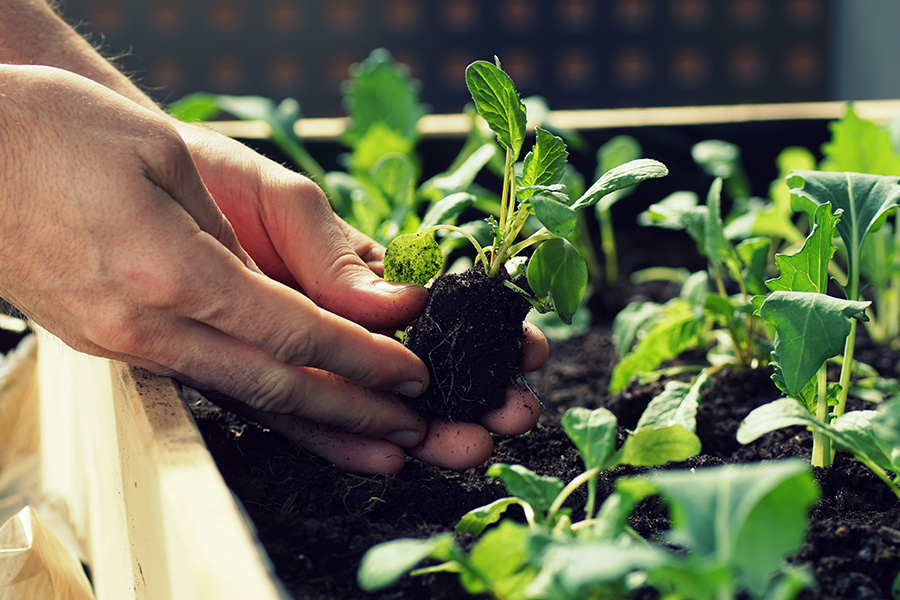
Plant diseases can be a significant problem in home gardens. Most vegetables are susceptible to a number of diseases. Home gardeners can reduce the occurrence of many diseases with sound cultural practices. This publication discusses managing diseases in the home vegetable garden.
|