Departments and Units Resources
-
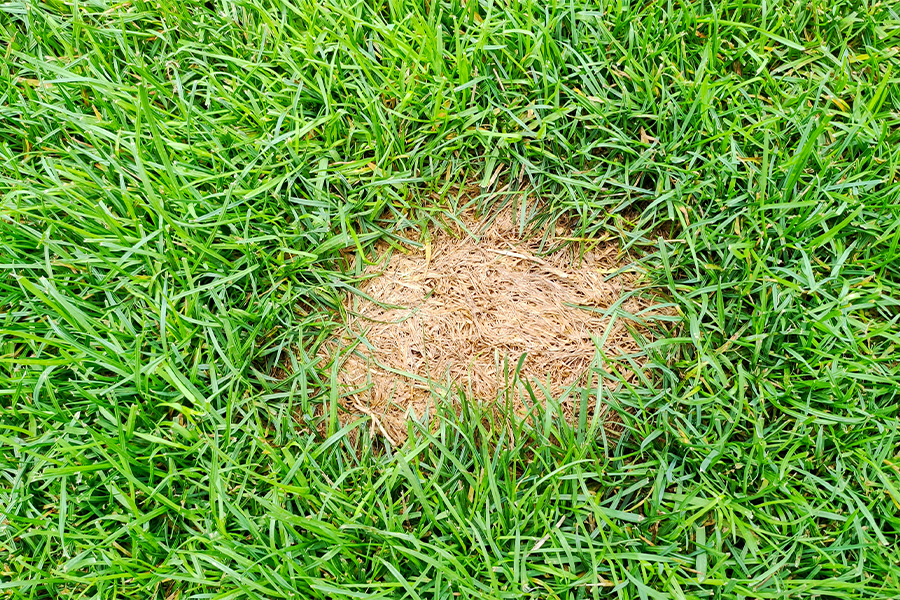
A handy reference for the causal agents, susceptible turfgrasses, conditions promoting disease, symptoms, and control of: brown patch, dollar spot, Pythium, Helminthosporium leaf spot, fading out, gray leaf spot, fairy ring, take-all root rot, rust, slime mold, and nematodes.
|
-
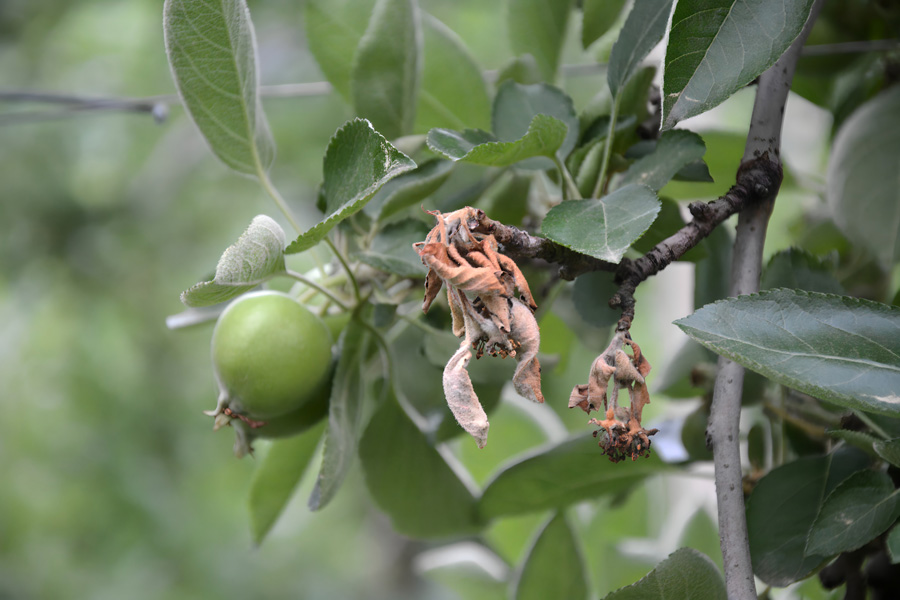
Fireblight is a destructive, highly infectious, and widespread disease. It attacks blossoms, leaves, shoots, branches, fruits, and roots. This publication has some facts and methods to avoid and control the disease.
|
-

With proper planning, planting and maintenance, a healthier landscape can be created with less expense, less work and less damage to the world around us.
|
-
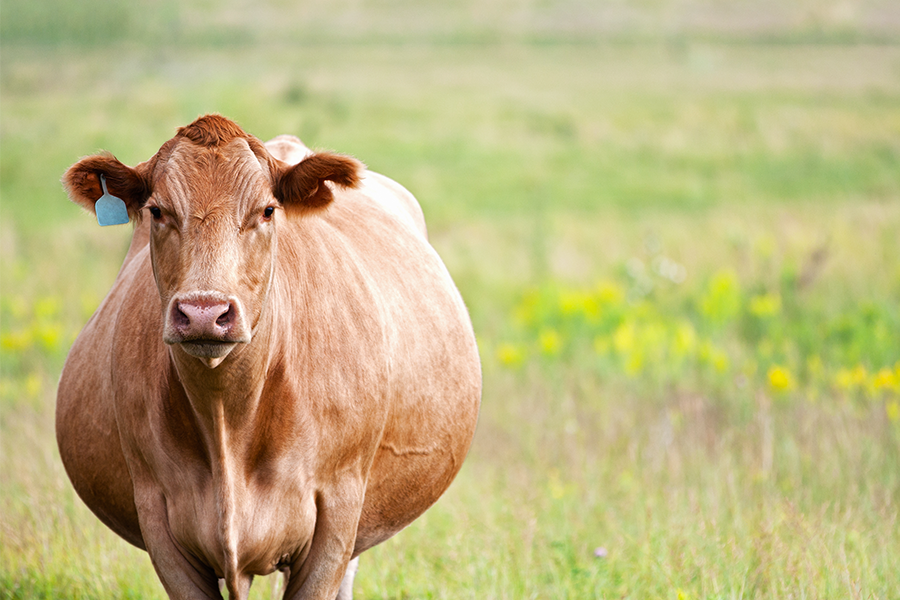
Cattle producers commonly evaluate reproductive performance by determining how many cows became pregnant during the breeding season. Although pregnancy rates are important, when the females become pregnant within the breeding season is a major component of cow-calf profitability. Cows that become pregnant early in the breeding season calve earlier in the calving season. Consequently, they have more time to recover before the next breeding season, which increases their chances of becoming pregnant and staying longer in the herd. Estrus synchronization programs have the ability of inducing estrus and can be combined with natural service to increase the percentage of cows and heifers that become pregnant early in the season. This publication describe different synchronization protocols that can be incorporated by cow-calf producers utilizing only natural service.
|
-
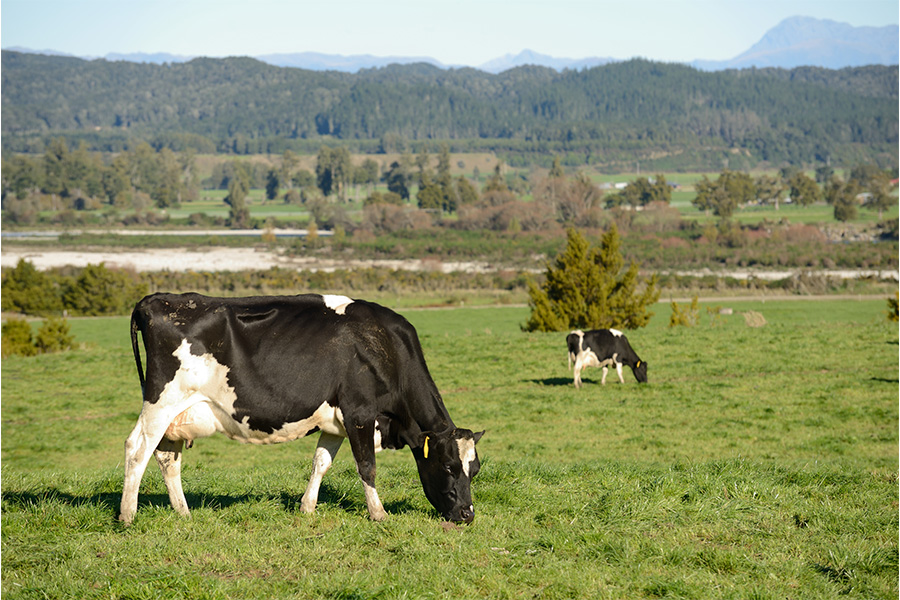
Antibiotic therapy continues to play an important role in the control of mastitis in dairy cows. Lactational therapy is effective against Streptococcus agalactiae but less successful against infections caused by Staphylococcus aureus and other causes of mastitis. As a result, alternative treatment strategies have been developed, including a combination of both intramammary infusion and the parenteral administration (injection) of antibiotics to successfully cure quarters infected with S. aureus. Likewise, extended therapy, which involves prolonged drug administration, has improved cure rates against this organism. Nonantibiotic approaches to treatment have included oxytocin injections, but relapse rates after this form of therapy can be unacceptably high. Dry or nonlactating cow therapy is almost always more successful than lactational therapy because cure rates are higher and new cases of mastitis are prevented. To reduce antibiotic usage, selective dry cow therapy is becoming popular, and teat seals are appealing because they prevent new infections without having to rely on antibiotics.
|
-
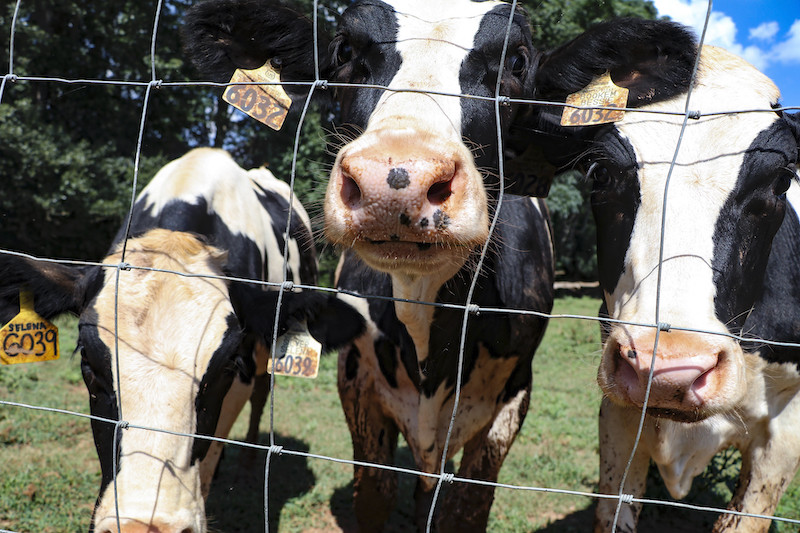
Due to cows’ universal exposure to manure, which contains E. coli and other gram-negative bacteria, as well as the requirement to maintain sec as low as possible, all cows should be vaccinated with one of the coliform vaccines available on the market. These vaccines have been proven to significantly reduce clinical coliform mastitis and have been shown to be profitable when incidence of clinical coliform mastitis exceeds 1% of milking cows.
|
-
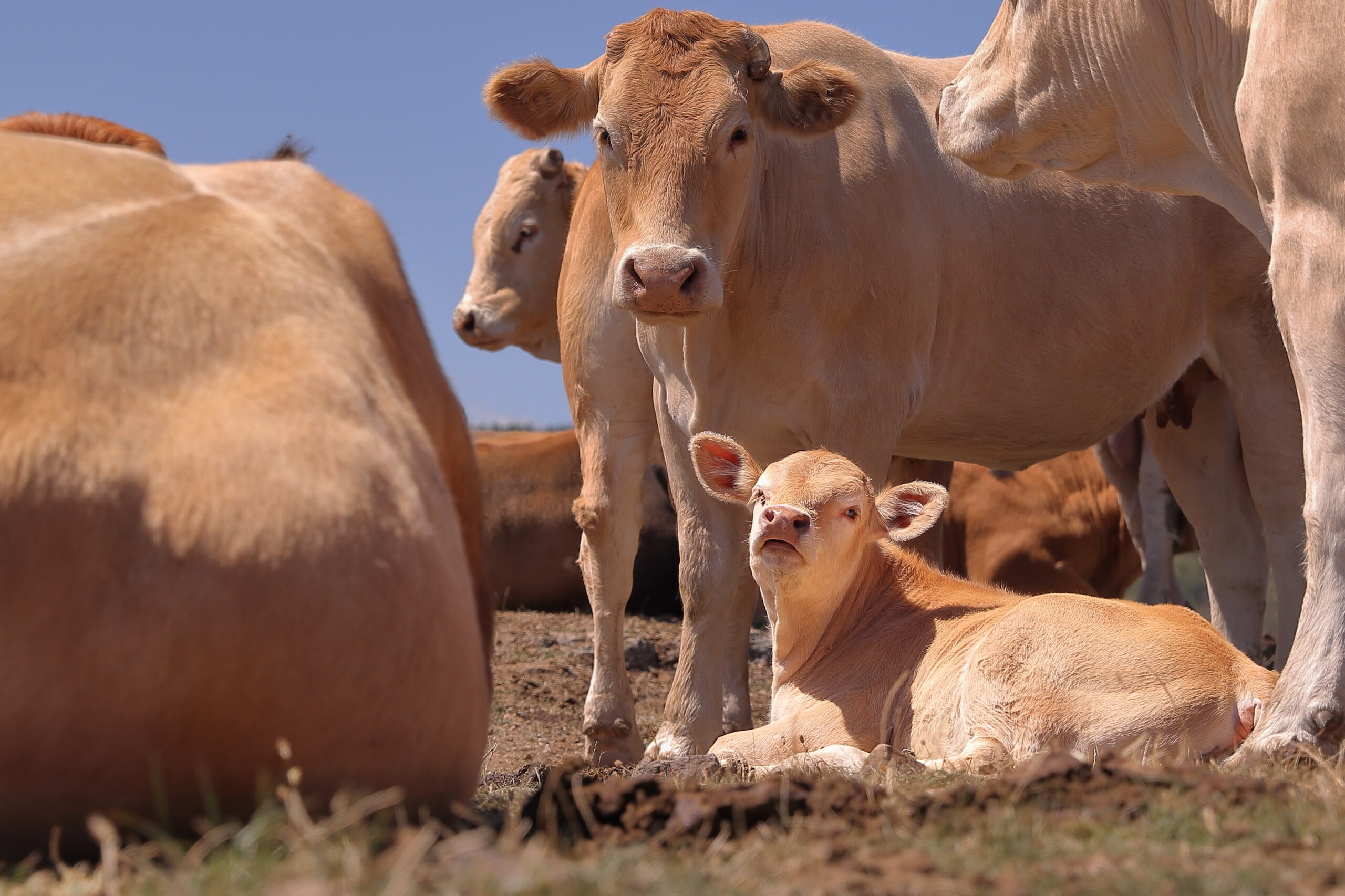
Pregnancy diagnosis is an important part of reproductive management in productive beef cow-calf operations. Open cows decrease profitability as they utilize similar resources as pregnant cows without producing a marketable calf to justify these costs. With the move toward more efficient operations and inclusion of artificial insemination (AI) and other reproductive technologies in cattle production, abstaining from pregnancy diagnosis may no longer be economically viable or practical. Establishing a pregnancy diagnosis program allows for the detection of cows that are not pregnant and allows producers to make management decisions to increase reproductive efficiency, such as culling of infertile females or resynchronizing females that are open. Although the economic benefits of incorporating pregnancy diagnosis are clear, the rate of adoption by beef cow-calf operations is considerably low in the United States. This article provides an overview of the different methods available (rectal palpation, transrectal ultrasound, and blood tests) for pregnancy diagnosis and provides a practical description of how to implement these methods.
|
-
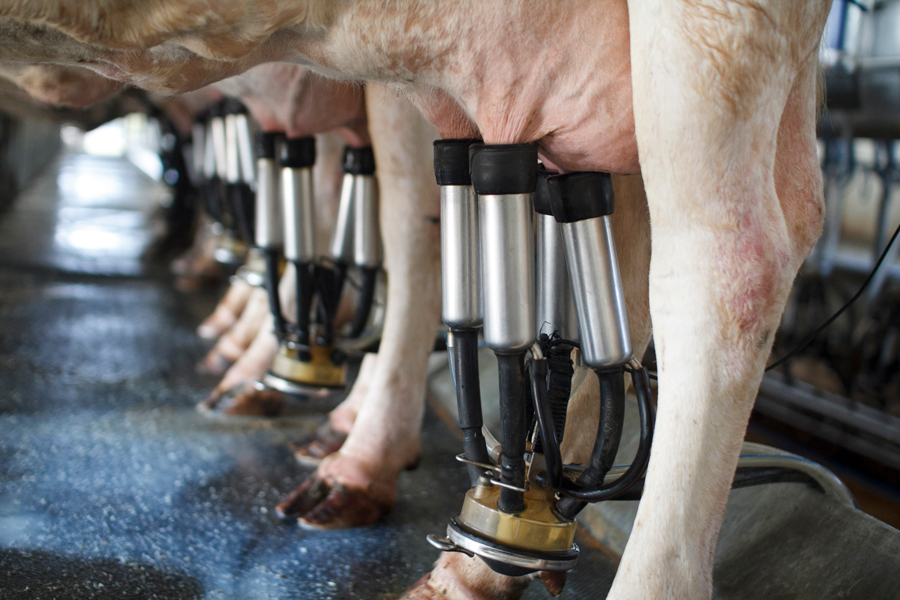
According to the National Mastitis Council, the recommended milking procedure for dairy animals is 1) provide low-stress environment, 2) check foremilk and udder for mastitis, 3) wash or predip teats with an effective disinfectant, 4) completely dry teats with a single-use towel, 5) attach milking unit within 120 sec of teat stimulation, 6) adjust milking units as necessary, 7) shut off vacuum for removing the unit, and 8) dip teats with a postdip disinfectant. One of the most critical steps in this recommended routine is checking foremilk to not only ensure there are no signs of mastitis and to maintain milk quality, but also to effectively stimulate the teats in preparation for milk collection. Thus, stripping the first three to five streams of milk (foremilk), during the premilking routine serves three important purposes including: teat stimulation which can result in optimal milk release, enhanced milk quality by removing the highest bacterial and somatic cell count milk, and identification of mastitis to allow rapid, well-informed decisions regarding further evaluation, milk culturing, and/or antibiotic therapy. This publication will discuss the purposes of forestripping for dairy animals to serve as an educational resource when creating and evaluating best milking practices.
|
-

This resource gives basic biology and description, with images, of the spider’s immature and adult forms, along with recommendations for managing them around the home. The Joro spider is a native of Japan and East Asia that was first documented in the United States in 2014 in northeast Georgia. The native range of these spiders in Asia extends from southeast Asia northward through a swath of eastern China, the Korean peninsula, and all but the northernmost island of Japan, and westward to India and the foothills of the Himalayas. Given that distribution, there seems to be no obstacle to the Joro eventually expanding its range to include all of Georgia, the Southeast, and most of the rest of the eastern U.S. as well.
|