Departments and Units Resources
-

One of the greatest risks cattle producers face is price risk. Price changes can come in the form of declining cattle prices for sellers, increasing cattle prices for buyers or increasing feed prices for feed users. Because of this risk, producers might want to “insure” feeder cattle, fed cattle or feed against unfavorable price movements, while still being able to take advantage of favorable price movements. Cattlemen have this opportunity by using the commodity options market.
|
-

This resource provides an overview of production practices in controlled environment agriculture, emphasizing a holistic approach to optimizing crop growth. It outlines the primary crops grown in these systems and describes how growers can successfully manage critical environmental factors. The resource covers the transformative impact of automation and advanced technologies, which enable precise monitoring of crop health and environmental conditions.
|
-

This peach tree training system is being adopted by some southeastern peach growers; it is an easy, low-maintenance system that can be used even in the home orchard.
|
-
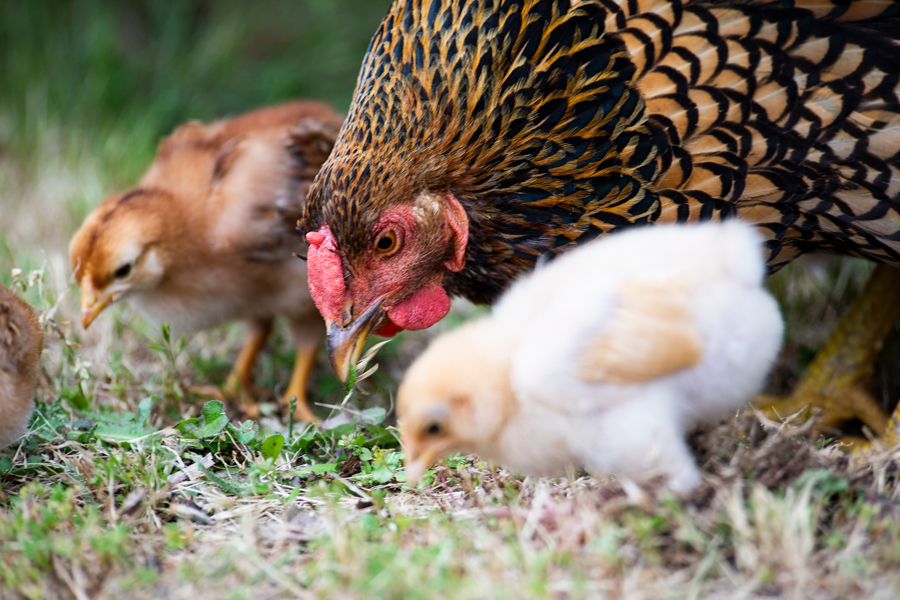
This expert resource provides information on raising a small flock of chickens (50 or less) for meat and eggs (either for hatching or eating).
|
-
 New
NewGeorgia plant disease losses in 2024, including control costs, amounted to an estimated $860.12 million. The value of the crops used in this estimate was approximately $7,772.59 million, resulting in a 11.07% relative disease loss across all crops included in this summary. The estimated values for most crops used to compute these disease losses are summarized in the UGA Center for Agribusiness & Economic Development 2024 Georgia Farm Gate Value Report (AR-26-01). Some crop value estimates were adjusted based on Extension specialists’ knowledge of the industry and industry sources for information.
|
-
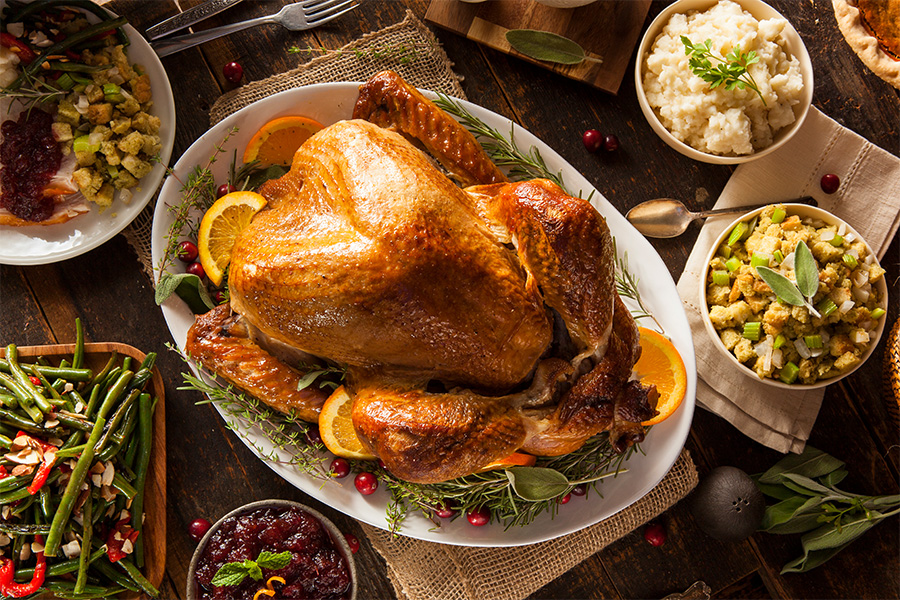
Read about safe thawing, cooking, and storing a turkey, including current estimates of the time needed for safe thawing and cooking. Because bacteria can multiply rapidly at room temperature, never defrost a turkey on the counter! The cold water and microwave methods may be used when you don’t have time to thaw your turkey in the refrigerator. Whole poultry is safe when the meat is cooked to a minimum internal temperature of 165 °F as measured with a food thermometer. All turkey meat, including any that remains pink, is safe to eat as long as all parts reach at least 165 °F.
|
-
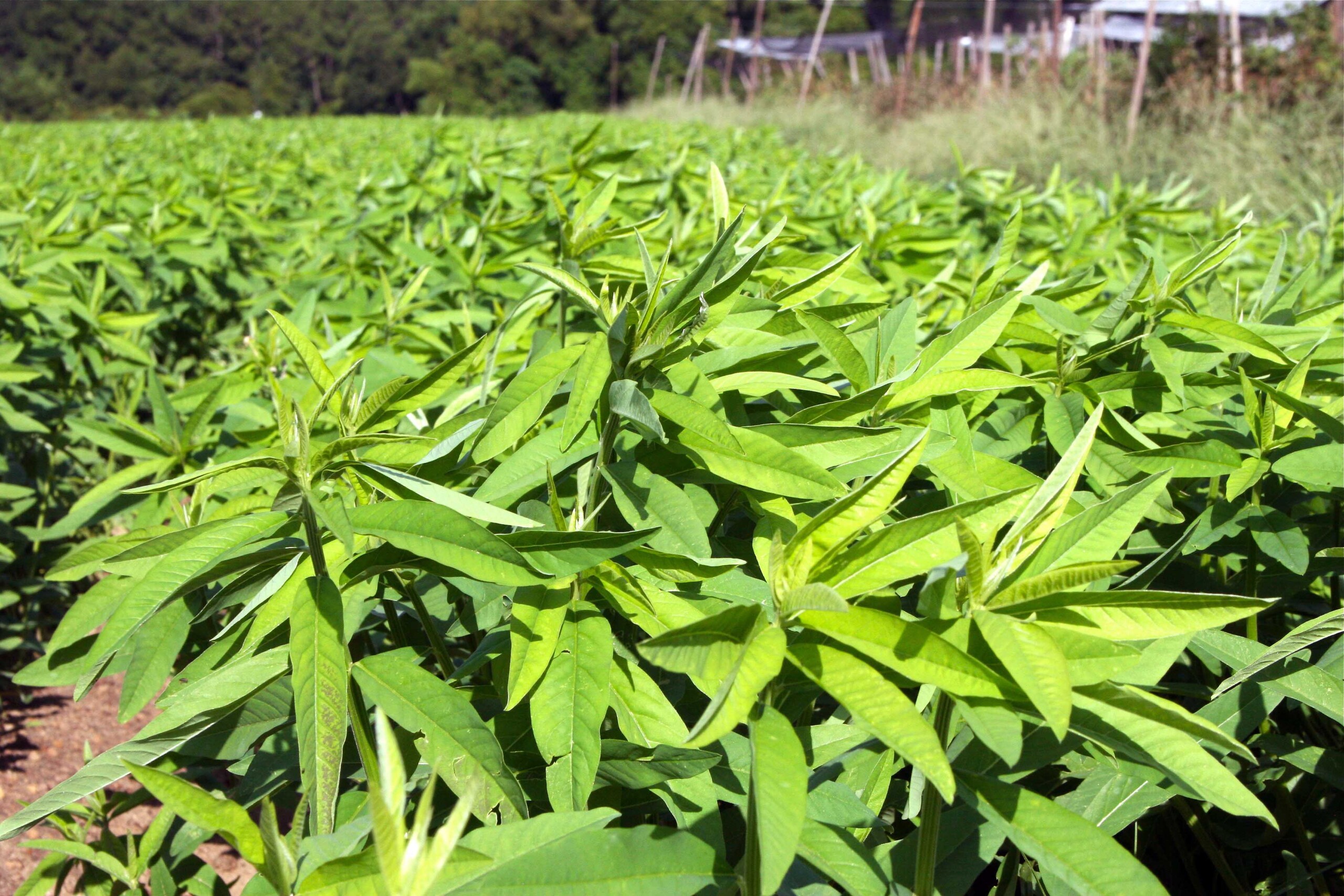
This expert resource is an introduction to growing industrial hemp for fiber production in Georgia. While not exhaustive, it outlines some of the major production challenges in growing this crop in the Southeastern U.S.
|
-

This resource provides a practical overview of vermicomposting as an efficient composting option for home gardens, landscapes, and small farms. It explains how composting with worms can turn food scraps and organic waste into nutrient-rich worm castings, and how this process differs from traditional composting methods. This resource covers the basics of worm biology, bin selection and setup, bedding materials, feeding rates, moisture and pH management, and common troubleshooting tips with an emphasis on simple, low-cost practices.
|
-

Mastitis continues to be a major livestock disease afflicting the U.S. dairy industry. As the industry strives to improve milk quality to meet consumer as well as exportation demands, the legal limit for bulk tank sec will likely be reduced from 750,000/ml to 400,000/ml in the near future. It is estimated that between 10 and 20% of US dairy farms, mostly located in the Southeast, are currently at or above the 400,000/ml SCC limit and will have to adopt stricter methods for controlling mastitis in their milking herds, dry cows, and heifers.
This publication reviews the survey results of adoption rates for mastitis control measures and shows that there is much room for improvement.
|