UGA College of Agricultural & Environmental Sciences Field Report
  • Stories
    Almanac

    Science in service of humanity and the environment

    Read our annual magazine here

    READ


    Dive into engaging stories that showcase our statewide, national and global impact.

    Check out our written stories here

    LOOK


    Browse curated photo galleries capturing the people, places and programs that bring CAES to life.

    Check out our photo galleries here

    WATCH


    Experience our stories through videos that highlight our people, projects and passions in action.

    Check out our video library here

    LISTEN


    Tune in to “Cultivating Curiosity,” our podcast featuring in-depth conversations with CAES experts.

    Check out our podcast here
  • Expert Resources

    Expert Resources


    From farms and gardens to families and finances, our expert resources empower Georgians with trustworthy, practical science.

    Gardening
    Invasive species
    Food and food safety
    Ants, termites and other pests
    Pollinators
    Livestock
    Emergency preparedness
    Home safety and maintenance
    Health, family and finances
    Nutrition
    Water quality
    Lawn maintenance and landscaping
    Turfgrass
    View all topics

    What is an Expert Resource?


    We publish unbiased, research-backed expert advice to empower Georgians with practical, trustworthy information they can trust.

    These resources are written and reviewed by experts in the UGA College of Agricultural and Environmental Sciences and the UGA College of Family and Consumer Sciences.

    Learn how we produce science you can trust
  • Events
  • Contact
  • Read
  • Look
  • Watch
  • Listen
Subscribe
  • LinkedIn
  • Facebook
  • Instagram
  • Stories
    Almanac

    Science in service of humanity and the environment

    Read our annual magazine here

    READ


    Dive into engaging stories that showcase our statewide, national and global impact.

    Check out our written stories here

    LOOK


    Browse curated photo galleries capturing the people, places and programs that bring CAES to life.

    Check out our photo galleries here

    WATCH


    Experience our stories through videos that highlight our people, projects and passions in action.

    Check out our video library here

    LISTEN


    Tune in to “Cultivating Curiosity,” our podcast featuring in-depth conversations with CAES experts.

    Check out our podcast here
  • Expert Resources

    Expert Resources


    From farms and gardens to families and finances, our expert resources empower Georgians with trustworthy, practical science.

    Gardening
    Invasive species
    Food and food safety
    Ants, termites and other pests
    Pollinators
    Livestock
    Emergency preparedness
    Home safety and maintenance
    Health, family and finances
    Nutrition
    Water quality
    Lawn maintenance and landscaping
    Turfgrass
    View all topics

    What is an Expert Resource?


    We publish unbiased, research-backed expert advice to empower Georgians with practical, trustworthy information they can trust.

    These resources are written and reviewed by experts in the UGA College of Agricultural and Environmental Sciences and the UGA College of Family and Consumer Sciences.

    Learn how we produce science you can trust
  • Events
  • Contact
  • Read
  • Look
  • Watch
  • Listen
Subscribe
  • LinkedIn
  • Facebook
  • Instagram
Subscribe
  • LinkedIn
  • Facebook
  • Instagram
  1. Home
  2. Expert Resources
  3. Topics
  4. Departments and Units

Departments and Units Resources

Use the Advanced Search
  • C 1284-08

    Caring for Infants and Toddlers

    As a grandparent, you may feel “out of practice” in caring for a very young child. It may have been many years since your own children were young. We know more now about how the brain develops and how to keep children safe. The number of “educational” toys and products may seem overwhelming. What’s a grandparent raising an infant or toddler to do?

    The first step to caring for your young grandchildren is to relax. Even though we’ve learned more over the last few years about how very young children develop, children’s basic needs haven’t changed all that much. The basics that you gave your own children are still the most important things for your young grandchild: a warm, loving relationship; a safe, secure home; chances to try new things; consistent routines; and gentle, loving guidance. By providing a nurturing home for your grandchildren, you are giving them essential support that will help them grow into healthy, happy adults.

    Diane W Bales

    |

    July 27, 2023
  • C 1284-09

    The Teenage Years

    Have you noticed that being a grandparent changes when children become teens? Adolescence is a time of rapid growth in how teens look, act, think, and feel. With this growth, teenagers begin to need different things out of life. You will need to change your grandparenting style in order to meet the new needs of your teenagers. You may feel like you don’t know them anymore, but don’t be alarmed; most of these changes are very normal.

    Diane W Bales

    |

    July 27, 2023
  • C 1284-10

    Helping Your Preschooler Be Ready for School

    Going to kindergarten is an important step in young children’s lives. As a grandparent raising your young grandchildren, you may wonder how to help your 4- or 5-year-old get ready for kindergarten. What do they need to be able to do? How can you help them learn the skills they need to succeed in school? The following information will help you prepare them for that important transition into elementary school.

    Diane W Bales

    |

    July 27, 2023
  • C 1289

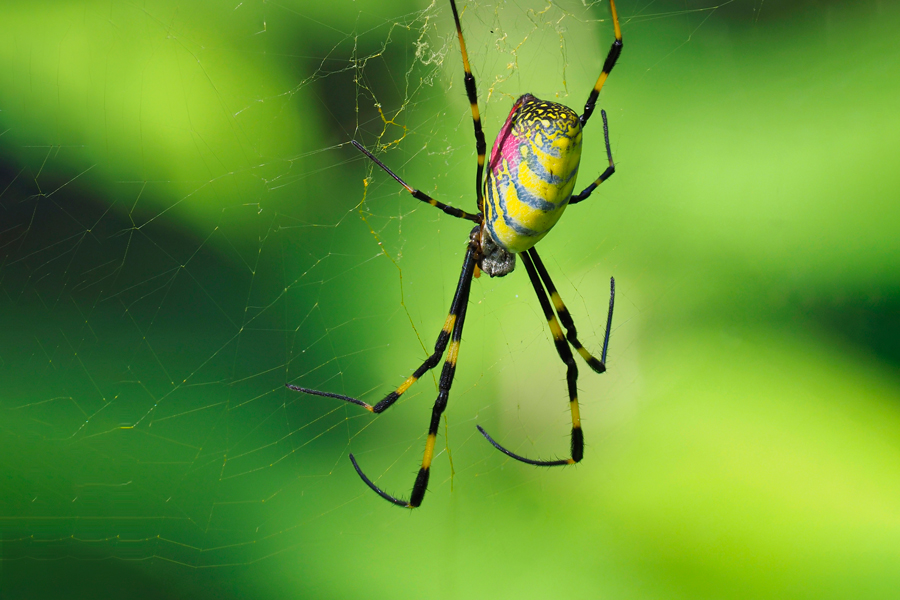
    Managing Joro Spiders in the Landscape

    The publication gives basic biology and description, with images, of the spider’s immature and adult forms, along with recommendations for managing them around the home. The Joro spider is a native of Japan and East Asia that was first documented in the United States in 2014 in northeast Georgia. The initial population appeared to be centered around Braselton and Hoschton, GA, along I-85. By 2022, the spiders had spread about 75 miles in all directions from that initial detection. The native range of these spiders in Asia extends from southeast Asia northward through a swath of eastern China, the Korean peninsula, and all but the northernmost island of Japan, and westward to India and the foothills of the Himalayas. Given that distribution, there seems to be no obstacle to the Joro eventually expanding its range to include all of Georgia, the Southeast, and most of the rest of the eastern U.S. as well.

    William G. Hudson, Shimat V. Joseph, and Jason Schmidt

    |

    July 13, 2023
  • C 1271

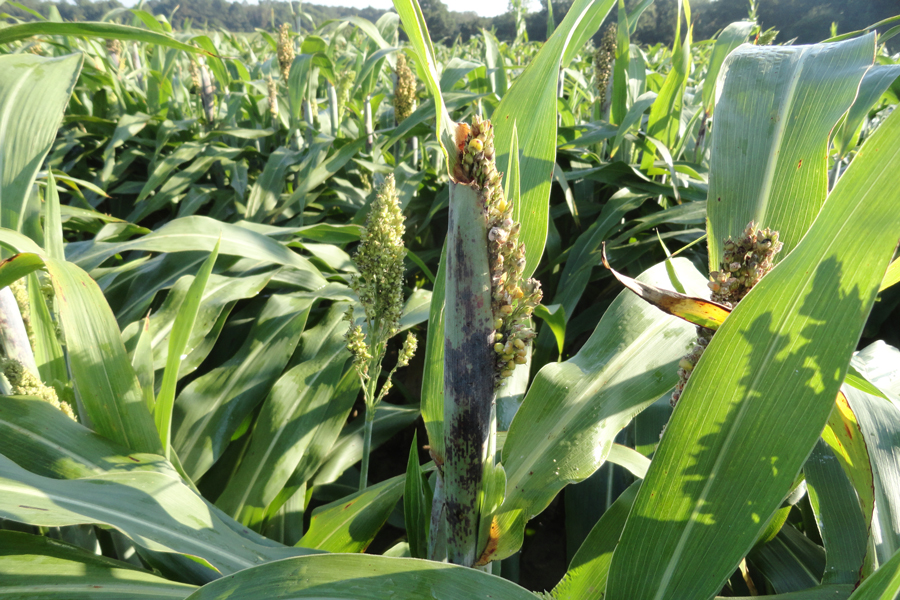
    Diseases of Sorghum in Georgia: Identification and Control

    This publication contains information on the most important and common diseases of sorghum, the biology of the causal agents, as well as a detailed description of the disease symptoms (aided by high-quality detailed pictures), relevant up-to-date information on conditions favoring the diseases, as well as cultural, genetic and chemical methods of control. The publication is aimed for producers, crop consultants, county faculty, students, and general public.

    Alfredo Martinez

    |

    July 12, 2023
  • B 1362

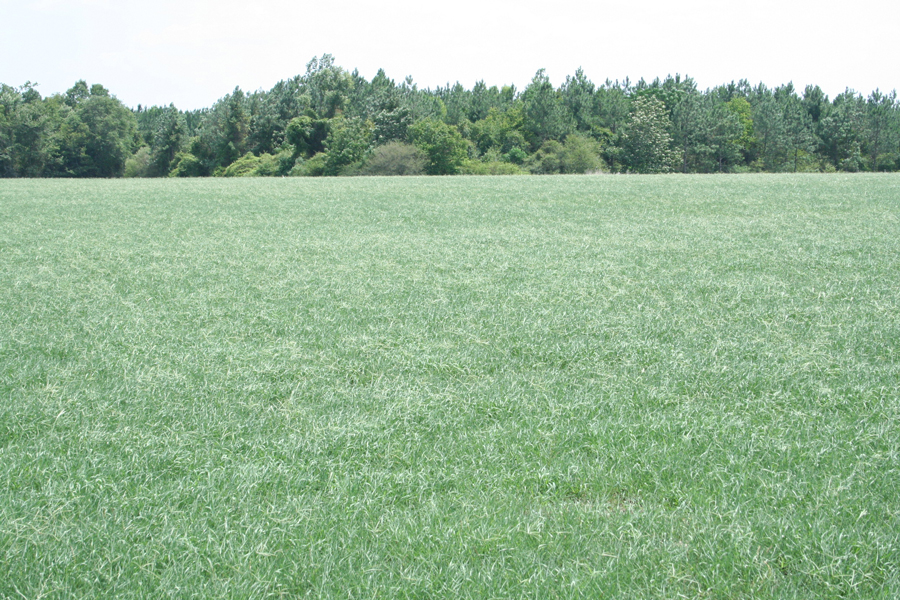
    The Management and Use of Bahiagrass

    Bahiagrass is a long-lived, perennial warm season grass that is grown extensively in the southeastern United States. It is most commonly used as a pasture species, but can be used for hay production, erosion control, and wildlife habitat. Bahiagrass can also be used in “sod-based rotation” sequences that have been found to suppress pest problems (nematode and disease issues) in crops such as peanuts.

    Lisa Baxter, Lawton Stewart, Ronald Scott Tubbs, Jeremy Kichler, and William Secor

    |

    July 7, 2023
  • Evaluating Fruit Quality of Citrus Varieties in Georgia, 2021-22

    AP 127-2

    Evaluating Fruit Quality of Citrus Varieties in Georgia, 2021-22

    Note: This publication contains data from an average of the 2020-21 and 2021-22 orange harvest seasons (exceptions noted in the chart). The commercial citrus industry in Georgia has only recently been established, with most groves planted after 2014. As of 2022, approximately 75% of the 3,300 acres of citrus planted in Georgia are satsumas, but that proportion is trending downward. To strengthen the new Georgia citrus industry, growers recently have begun to diversify their citrus varieties. Research is being conducted to determine how these varieties will perform under Georgia weather and soil conditions: which varieties can best tolerate Georgia’s winter weather, and what are the cultural norms such as maturation time, fruit quality, and insect and disease tolerance. This publication is associated with Circular 1275, the initial publication containing reference photos for the varieties tested.

    Jake Price

    |

    June 29, 2023
  • B 1357

    Growing Bamboo in Georgia

    This resource provides a simple, user-friendly guide on growing bamboo in Georgia, a state that has a wide variety of soils and temperate zones.

    Bodie V. Pennisi

    |

    June 27, 2023
  • B 1219

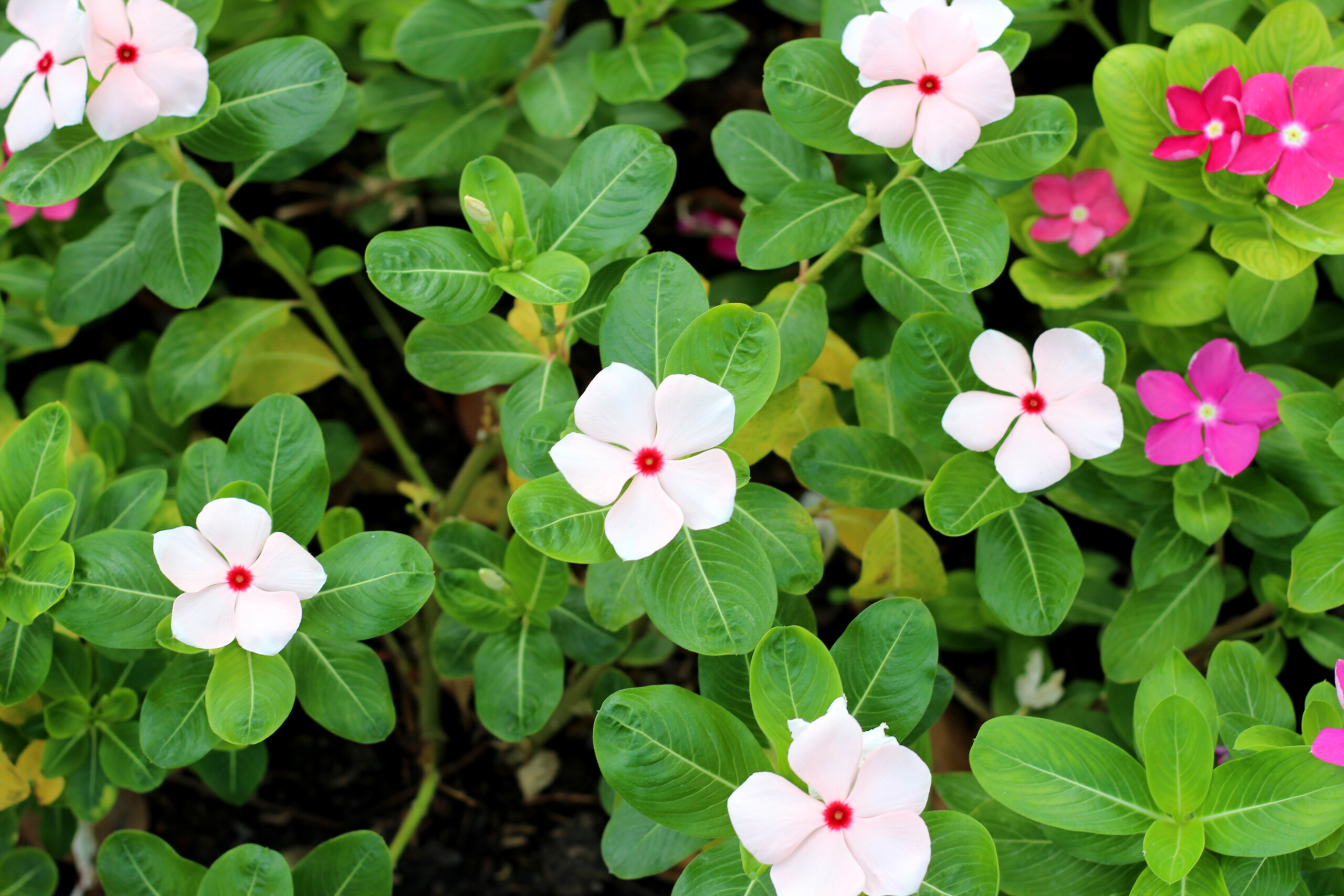
    A Guide for Commercial Production of Vinca

    Vinca is a specialty ornamental crop with very distinct requirements. This bulletin will address those requirements and cover a typical production schedule and crop budget.

    Jean Williams-Woodward and Bodie V. Pennisi

    |

    June 23, 2023
Previous Page
1 … 74 75 76 77 78 … 162
Next Page

About CAES

CAES Home

Overview

History

Administration

Jobs

Personnel Directory

Privacy Policy

Accessibility Policy

AI Guidelines

Affiliations

UGA Cooperative Extension

Tifton Campus

Griffin Campus

University of Georgia
  • Schools and Colleges
  • Directory
  • MyUGA
  • Employment Opportunities
  • Copyright and Trademarks
  • UGA Privacy Policy
  • Report an Accessibility Barrier
  • Submit a Student Complaint
#UGA on
© University of Georgia, Athens, GA 30602
706‑542‑3000