Departments and Units Resources
-
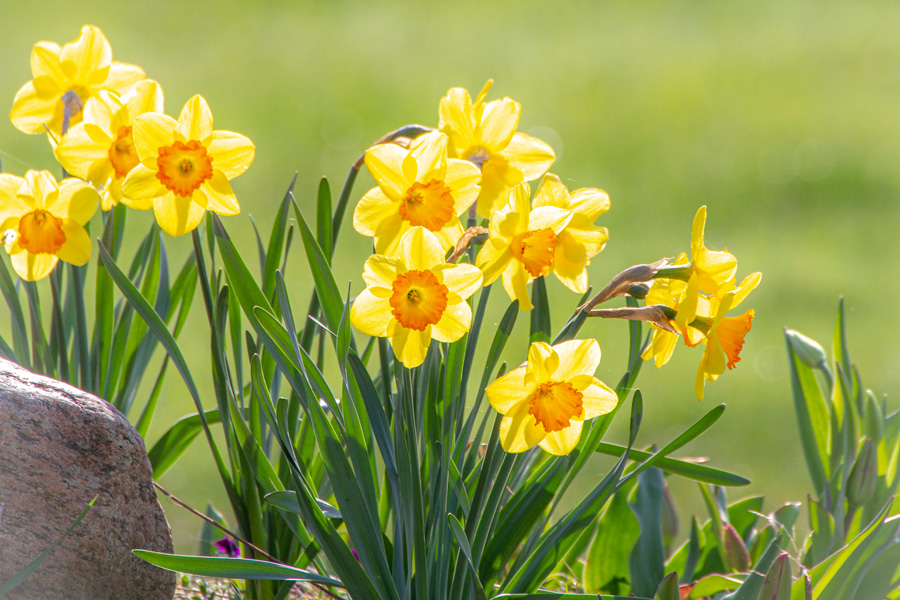
A wide variety of bulbs grow well in Georgia. Most are grown for their flowers and some for their foliage. They are grown as pot plants, in shrub borders, naturalistic plantings and in mass displays. Bulbs offer a certain magic to the landscape virtually unrivaled by other plants.
|
-
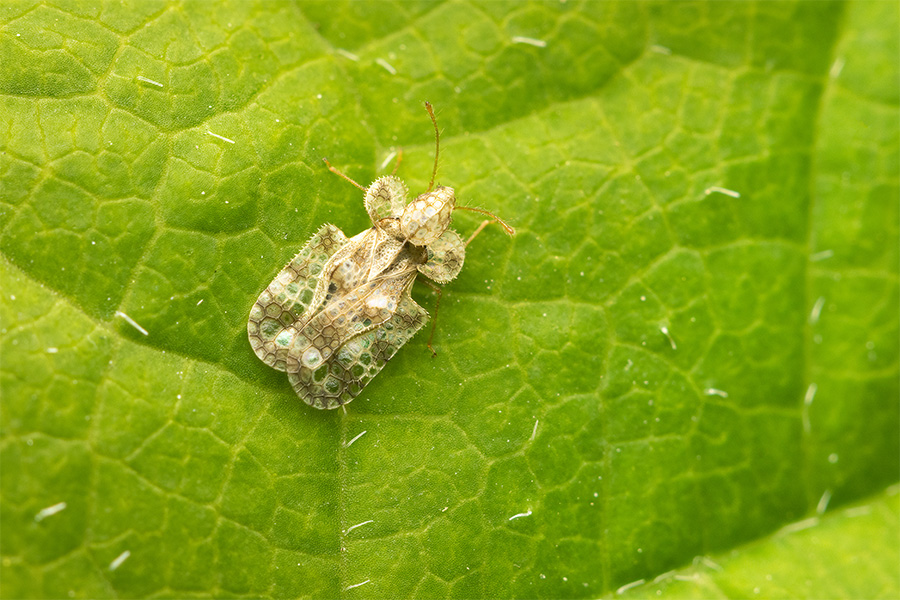
This resource covers lace bugs in landscapes, which can damage the foliage of trees and shrubs and detract from their beauty and, in severe cases, kill the plants.
|
-

C 553
Bull Buyer’s Guide
Bull procurement decisions can greatly impact your future calf crops and herd genetics for many years. Selecting and buying a herd bull is the quickest way to make genetic improvement in your herd. The selection process must include looking for those traits that are economically important and highly heritable. Demand and buy bulls with total performance that will improve your herd. This publication discusses factors to consider when purchasing a new bull.
|
-
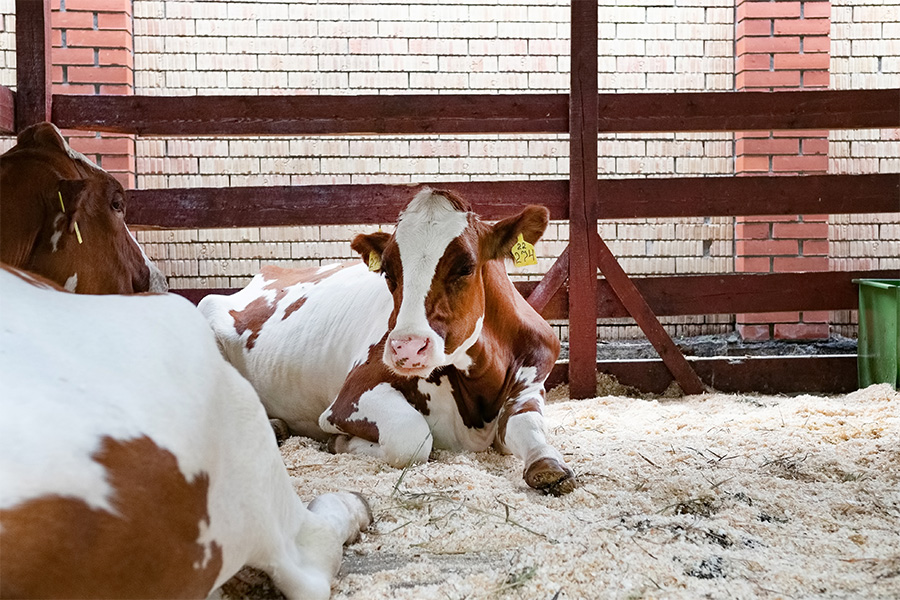
Cow behavior is critical for animal well-being and performance and influenced by many factors, such as heat stress. Under thermo-neutral conditions, cows spend half a day lying down and the rest of the time is distributed into standing, feeding and milking. However, when cows are exposed to heat stress, they spend less time lying down but more time standing up. The altered cattle behavior by heat stress may be associated with impaired productive and reproductive performance and an increase in disease incidence.
This publication focuses on the impacts of environmental heat stress on cattle behavior and the possibly related consequences.
|
-
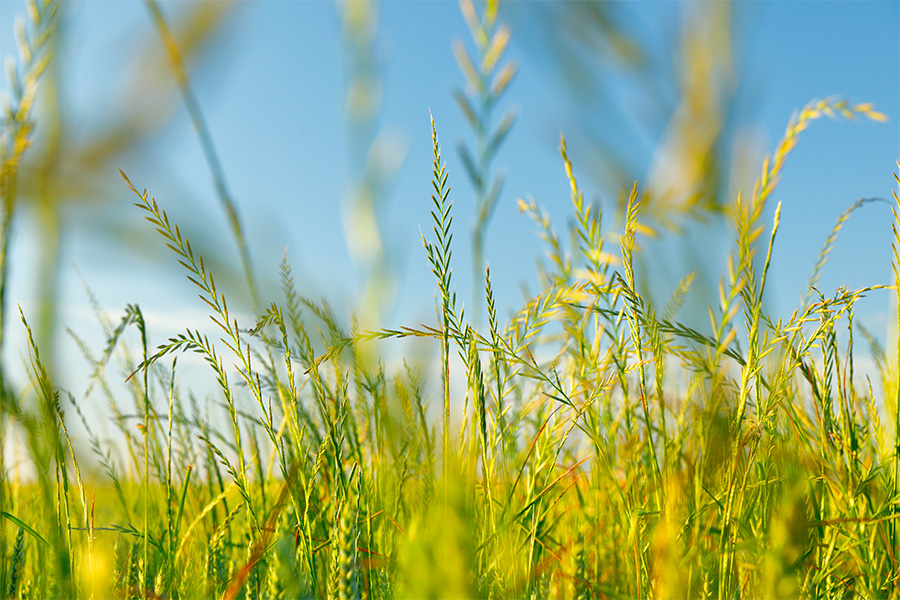
Annual ryegrass, also referred to as Italian ryegrass, is the most problematic winter annual weed in Georgia hayfields. Seed germinates from September to November. Seedlings mature in the fall, overwinter in a vegetative state, and resume active growth in the spring. Annual ryegrass is a prolific seed producer that contributes to annual infestations. This resource summarizes the growth and identification of this weed. Cultural and chemical control options are also presented for tall fescue, bermudagrass, alfalfa, bahiagrass and other forage legumes grown for hay production.
|
-
C 1100
Is My Tree Dying?
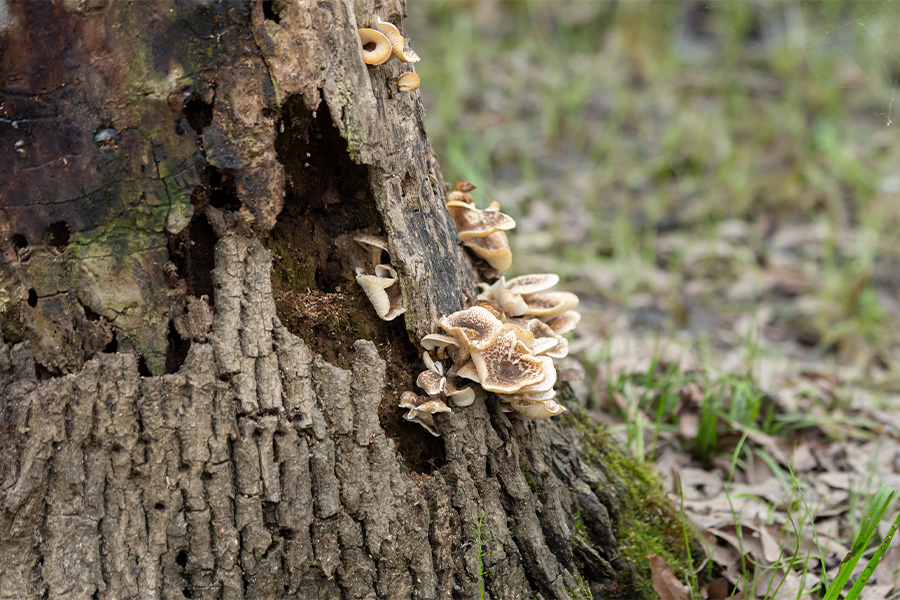
This publication outlines a tree inspection process that will help the homeowner identity potential problems and more effectively discuss the tree’s condition with an Extension agent or certified arborist. The inspection begins at the base of the tree and moves to the canopy, highlighting potential tree health problems.
|
-
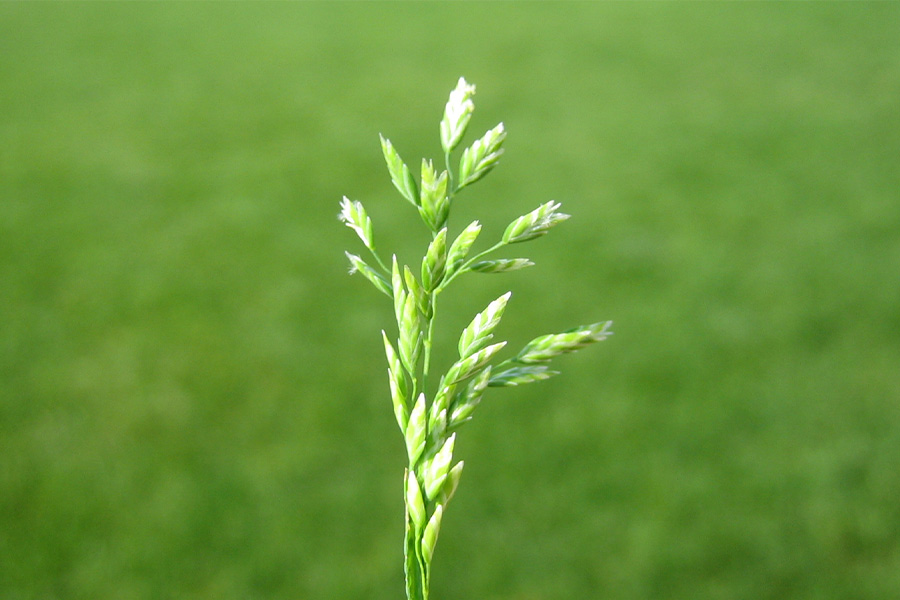
Annual bluegrass is the most problematic winter weed of lawns in Georgia. Plants have a light green color, coarse leaf texture, and produce unsightly seedheads. Annual bluegrass germinates in fall, overwinters in a vegetative state, and resumes active growth in spring. Annual bluegrass typically dies out by May in Georgia, but cool temperatures in spring and regular irrigation may extend survival of populations into early summer. This resource covers annual bluegrass identification, establishment, and cultural control for lawns. The development, detection, and control of herbicide-resistant annual bluegrass is also discussed.
|
-
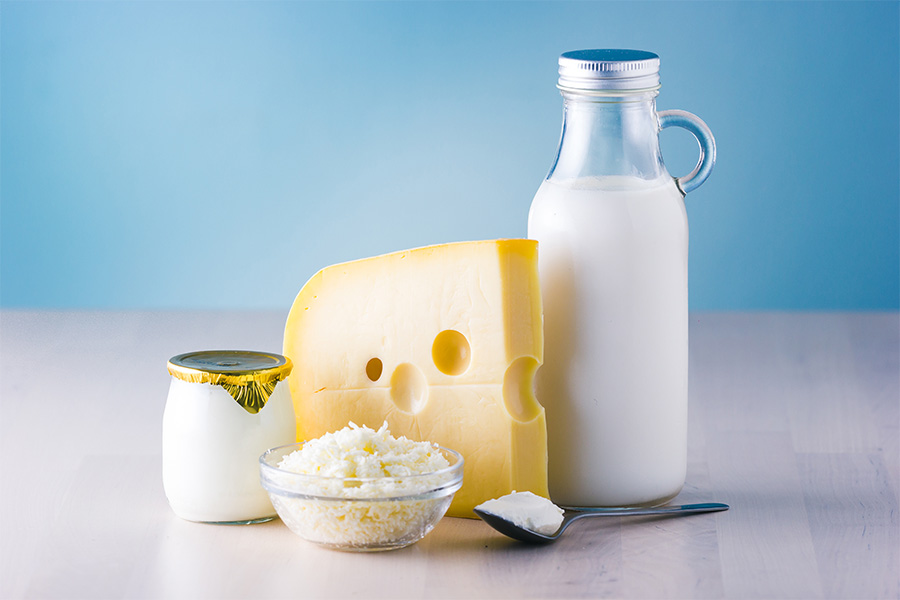
This bulletin provides information for producers, nutritionists, and feed industry personnel on formulating diets to maintain or improve milk composition. The value of milk components is increasing more than skim milk, so this topic impacts all dairy farmers. The publication provides information on feeding dairy cows for improved yield of milk components, providing background on how the cow synthesizes milk components and the dietary factors that affect milk component yield.
|
-
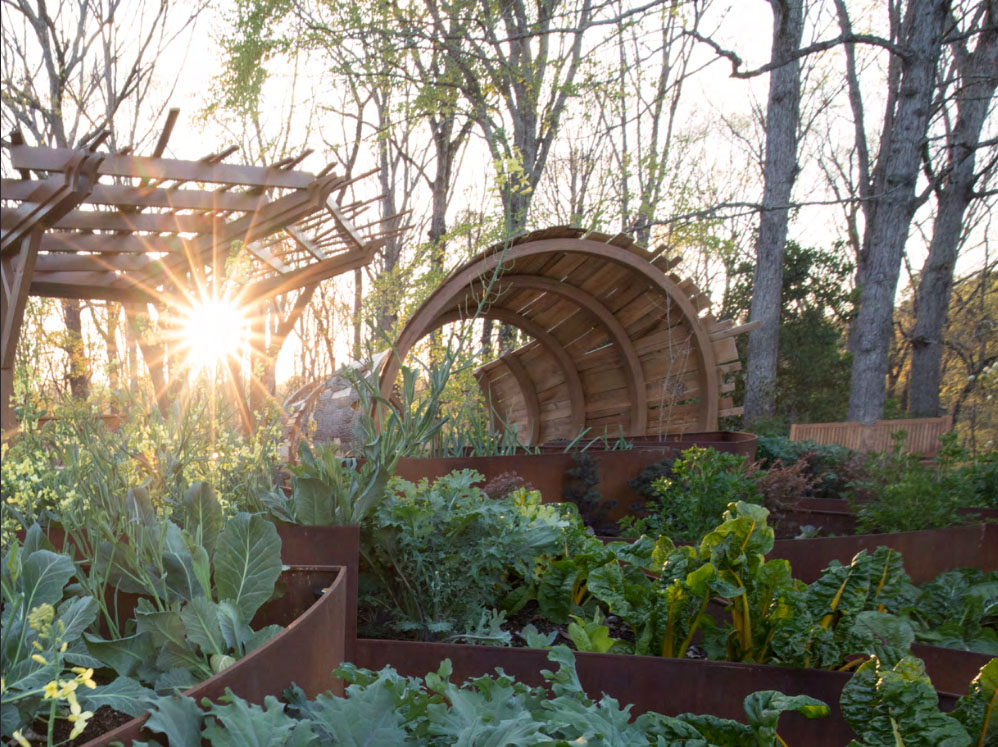
Summer management of the school garden can be a challenge for educators and school gardeners. This resource presents several possible strategies for handling the garden so that teachers and administrations come back to school in the fall with a garden ready for use.
|