Departments and Units Resources
-
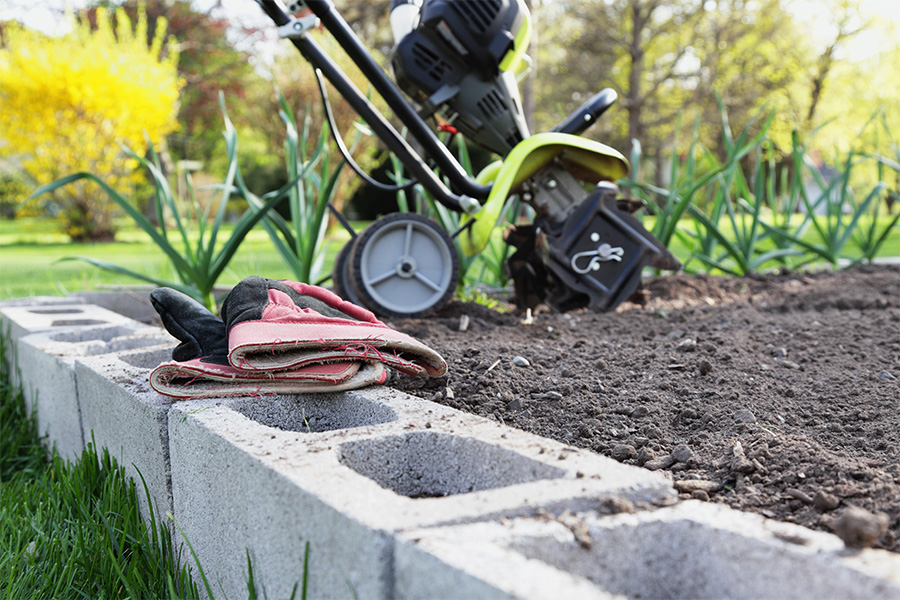
Most gardeners realize that they must manipulate the soil in their garden to successfully grow vegetables. Whether by hand, with a shovel, or a mechanical piece of equipment, tilling is an important practice for reducing compaction and mixing organic amendments into the soil. While smaller gardens and most raised beds can be turned with hand tools, larger gardens may require more sizable equipment. One of the home gardener’s most useful tools is a mechanical tiller.
|
-
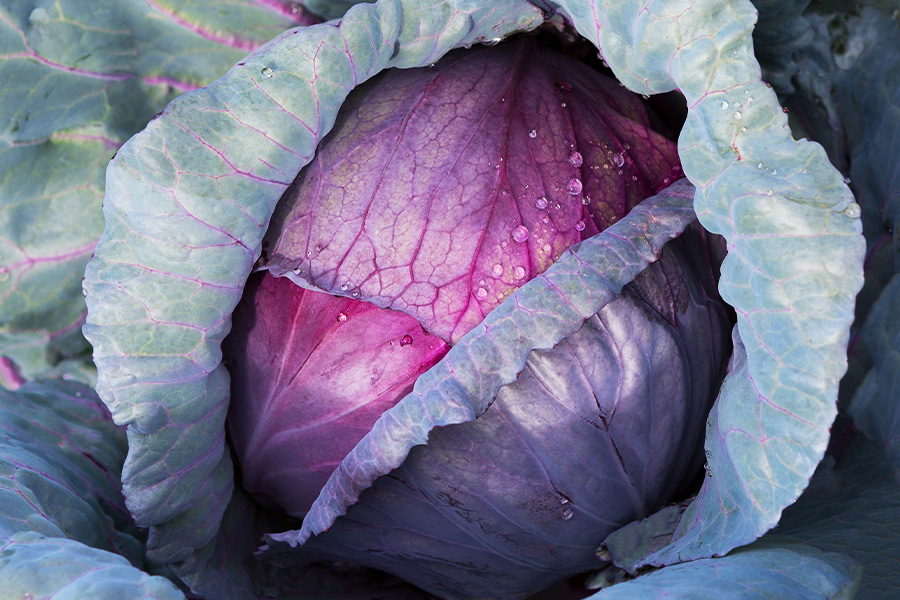
Red cabbage is a highly nutritious vegetable crop, rich in minerals, vitamins, and several other chemical compounds that are beneficial for human health, including phenols, proteins, glucosinolates and anthocyanins. While red cabbage belongs to the same group as the other cabbage varieties (white and green) widely produced and consumed in the state, red cabbage production and consumption in Georgia is still low. This publication contains basic information on crop management, food safety practices, and biochemical properties of red cabbage.
|
-
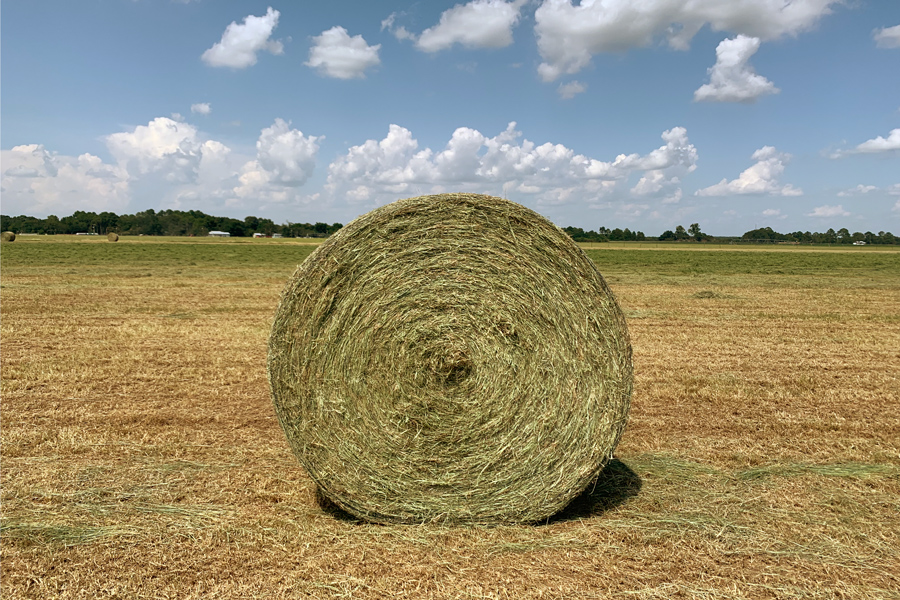
This resource is useful for anyone working directly with livestock producers to interpret and use forage reports. It also provides a “checklist” for taking forage samples from hay or baleage bales. It summarizes how to properly collect a forage sample, read the basic components of the lab’s report, and use the report for developing a basic feed plan.
|
-
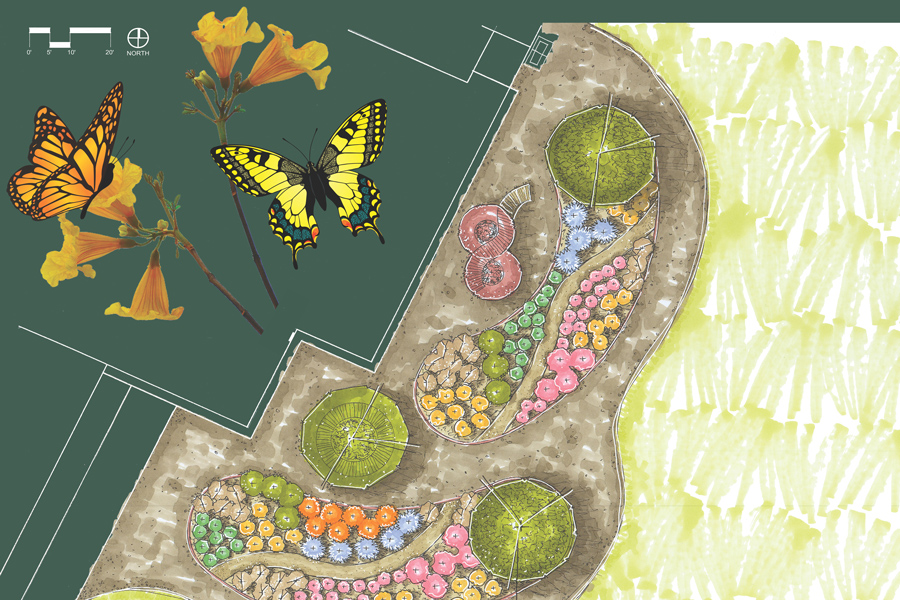
The lead author of this publication is Katherine Melcher, College of Environment and Design. The UGA Extension contact for the publication’s content is Becky Griffin. Providing opportunities for youth to design their environment can increase their connection to everyday nature and increase their sense of empowerment. By combining ecology and design, garden design can also be a central piece in STEAM (science, technology, engineering, art, and math) education. This activity guide contains five chapters that explain the purpose of pollinator gardens, the design process, and the basic steps used to create a planting plan. The chapters are supplemented with activities to guide youth and other beginning designers through the process of creating a pollinator garden.
|
-
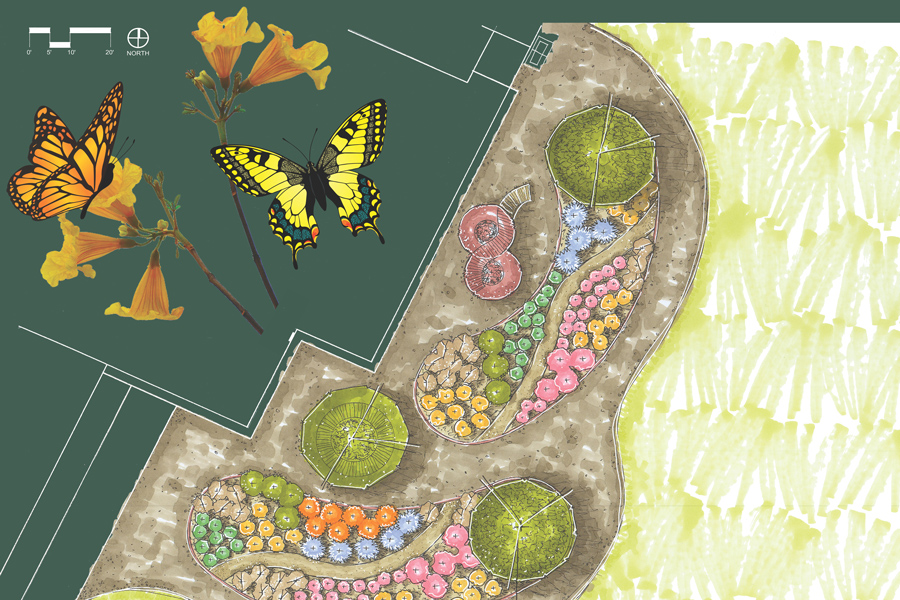
The lead author of this publication is Katherine Melcher, College of Environment and Design. The UGA Extension contact for the publication’s content is Becky Griffin. These appendices provide information about plants that grow well in Georgia’s Piedmont Ecoregion, as well as to-scale plant symbol and plant ID card templates for use in creating design plans.
|
-
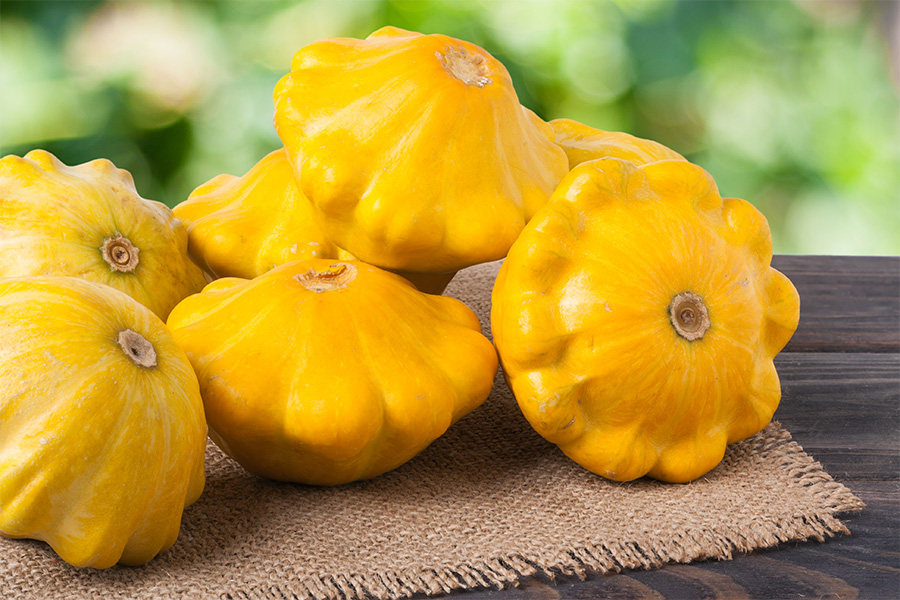
Summer squash is one of the most popular warm season vegetables grown in home gardens. Unfortunately, the levels of insect attacks on summer squash have risen dramatically over the last 10 years. Safe and effective controls are needed to help produce this important crop with all of the pressures of insect pests. This publication will discuss both organic and non-organic solutions for homeowners to try in their home garden, including the use of barriers, trap crops and chemical controls.
|
-
C 1179
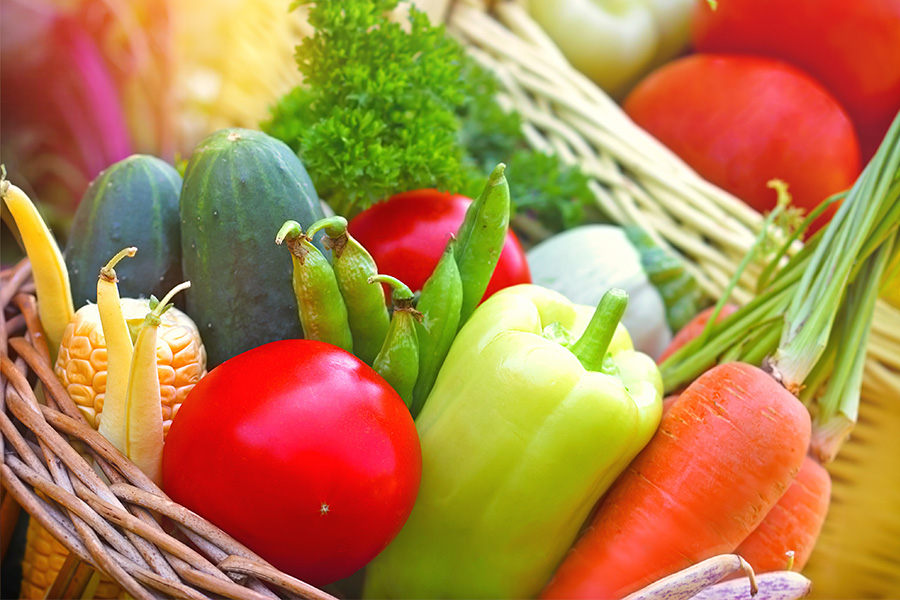
Fertilizing the Home Garden
This publication covers the basics of how to correctly fertilize the home vegetable garden. It discusses the differences between organic and synthetic fertilizers and the advantages and disadvantages of both. The circular also includes information about the importance of soil testing along with detailed instructions for fertilizing a new garden as well as more established vegetables.
|
-

Human campylobacteriosis and salmonellosis are two of the most commonly reported gastrointestinal infections worldwide and poultry meat has been identified as the main source of infection. Controlling pathogen colonies of public health concern such as Salmonella and Campylobacter in poultry flocks on the farm is critical for a successful overall food safety program. Biosecurity on the farm can contribute significantly to reducing the potential for Salmonella and Campylobacter colonization in broilers.
|
-

U.S. poultry processors must meet regulatory requirements for Salmonella and Camplylobacter prevalence in all of the poultry products that they produce. Monitoring the efficacy of antimicrobial interventions (biomapping) during processing assists in meeting performance standards and improving microbiological quality of the products through better process control.
|