Departments and Units Resources
-

Hophornbeam copperleaf has become an increasing problem in agricultural fields throughout Georgia. It can occur at densities that have the potential to reduce yields and influence harvest efficiency. Hophornbeam copperleaf is also known as three-seeded mercury.
|
-

The southeastern peach industry is known for the high quality of its fresh peaches. As a new peach season approaches, it is time to ready the packinghouse for output of the best peach product.
|
-

Research has shown that if you properly select, install and maintain ornamental plant, you greatly increase their survival and performance in the landscape. Following BMPs (Best Management Practices) not only conserve moisture in the landscape but will assure overall health and vigor of the ornamental plants.
|
-

This publication outlines plant persistence and animal performance characteristics of novel endophyte-infected tall fescue and provides recommended pasture renovation practices.
|
-
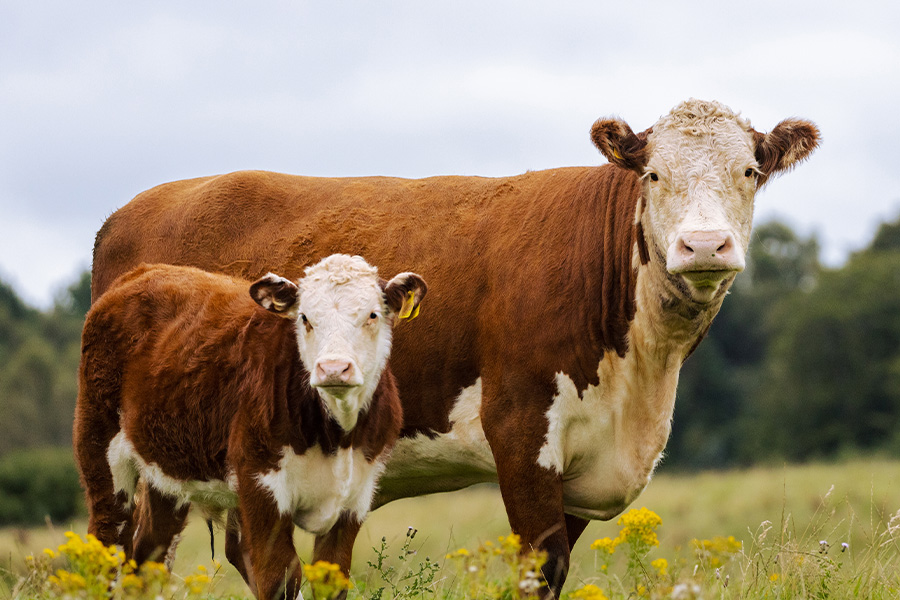
C 859
Selecting a Beef Breed
New cattle producers frequently ask, “Which breed should I choose?” This question brings cold chills to many knowledgeable cattle producers and excitement to just as many enthusiastic breeders. The diversity of resources and management capabilities of any operation makes this question difficult to answer.
|
-

C 858-8
Hydrogen Sulfide and Sulfate
This publication describes hydrogen sulfide and sulfate and its effects on household water quality.
|
-

C 858-7
Coliform Bacteria in Your Water
This publication contains information about identifying and controlling coliform bacteria in household water.
|
-

C 858-5
Nitrate and Nitrite in Water
Private well owners are responsible for the safety of their drinking water. Maintaining a healthy well requires routine testing for possible contaminants, including nitrate and nitrite. To assist in water safety, the EPA has set standards for nitrate levels in public drinking water systems. Although private well owners are not required to meet these standards, they do serve as a reference for safe drinking water. The EPA Maximum Contaminant Level (MCL) nitrate is: 10 ppm (parts per million) or mg/L (milligrams per liter) nitrate-nitrogen or, if expressed as nitrate, 45 ppm. For nitrite, the MCL is: 1 ppm or mg/L nitrite-nitrogen or, 3.28 ppm if expressed as nitrite. Nitrite is not stable in water and rapidly transforms to nitrate fairly easy. Its presence is an indicator of high concentrations of either nitrate or ammonia.
|
-
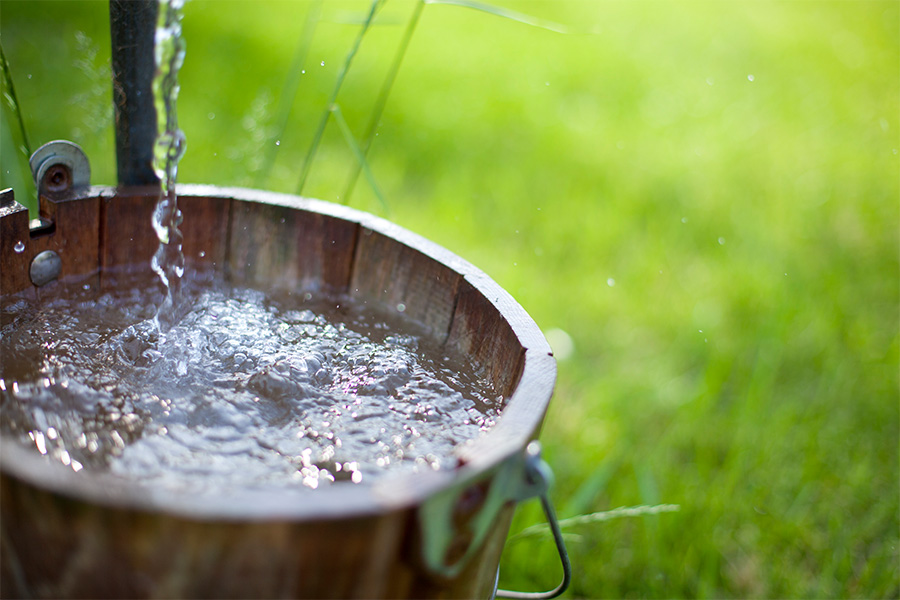
Shock chlorination is the process by which home water systems such as wells, springs, and cisterns are disinfected using household liquid bleach (or chlorine). Shock chlorination is the most widely recommended means of treating bacterial contamination in home water systems. This publication contains guidelines for safely and effectively using shock chlorination — a standard treatment for sanitizing your well system.
|