Departments and Units Resources
-

AP 130-1-10
Honey Bees 2023
1. Honey production overall for 2022 was below average for the state. However, in some regions yields of two types of honey, northern wildflower and sourwood, were above average. 2. Colony losses for commercial operations were higher than 2021, with some reporting a 60%–70% loss, and backyard beekeepers in some cases experiencing losses above 80%. 3. Varroa destructor (parasitic mites) remains the leading cause of colony loss in Georgia and nationally. 4. Demand for packages, nucleus colonies, and queens were down for 2022.
|
-
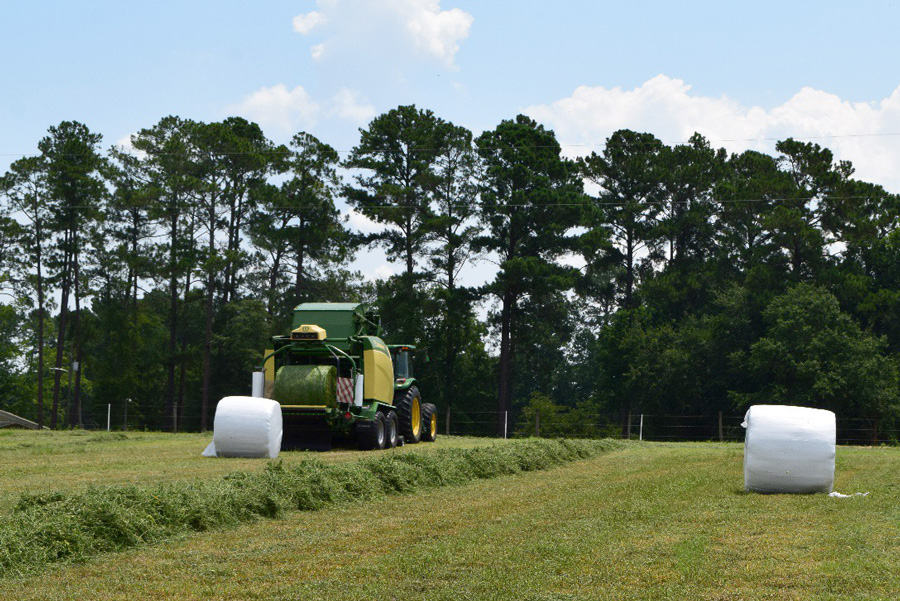
Baled silage, or “baleage,” is an excellent method for forage harvest, storage, and feed efficiency. Conserving forage as baleage enables harvests to be performed on a timely basis, allowing harvests to capture higher quality forage. This publication focuses on common questions about making and feeding baleage.
|
-

AP 130-1-03
2023 Cotton Outlook
1. Reduction in consumer demand for cotton related products will suppress cotton prices in 2023.
2. U.S. cotton acreage and production likely will decline in 2023 because of lower relative-price expectations with competing crops.
3. The cotton production profit margin likely will be lower in 2023 with high input costs and low cotton prices.|
-

AP 130-1-04
2023 Fruits and Tree Nuts Outlook
1. The three major U.S. peach-producing states experienced a significant fall in production which cumulatively reduced our 2022 production by 15%. Since it is difficult to predict whether the weather and water shortage that contributed to the decrease in production will persist, chances are that the situation may improve in 2023, but not by much. 2. The significantly high price received by peach and orange producers was instrumental in maintaining a strong consumer price index in 2022. The producer price index is expected to stay strong in 2023. 3. In 2023, blueberry imports from Chile, Peru, and Mexico will continue to increase—domestic harvests only get into the market beginning mid-March, and total production is not enough to satisfy high domestic demand. 4. Georgia pecans will continue to dominate the tree-nut industry in the 2023 crop year and prices are expected to improve, especially if China increases it imports of U.S. pecans.
|
-
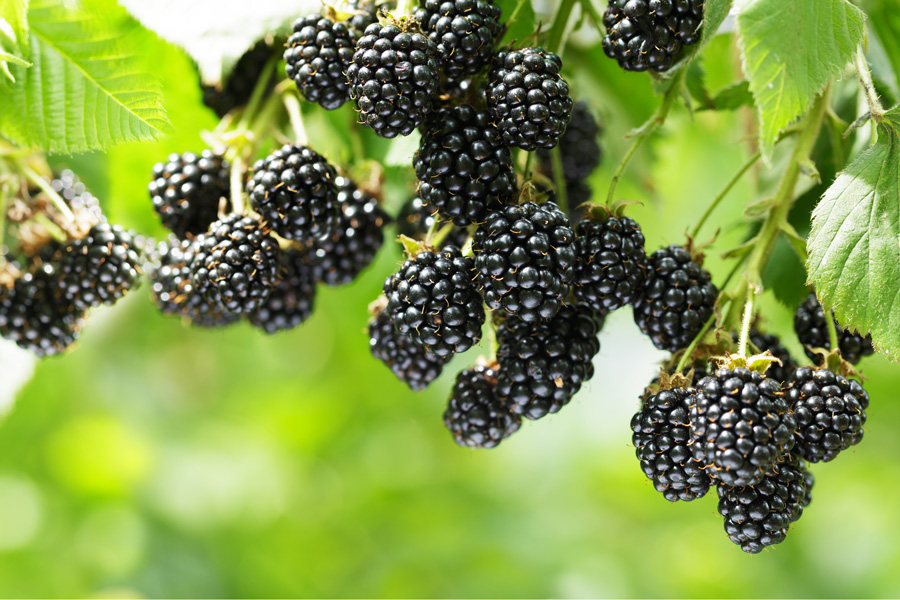
This resource covers basic harvesting, postharvest handling, and cold storage principles for fresh-market blackberries to ensure the highest possible shelf-life and quality while minimizing postharvest losses. Blackberries are harvested in Georgia from mid-May to August, and they are a highly perishable fruit.
|
-
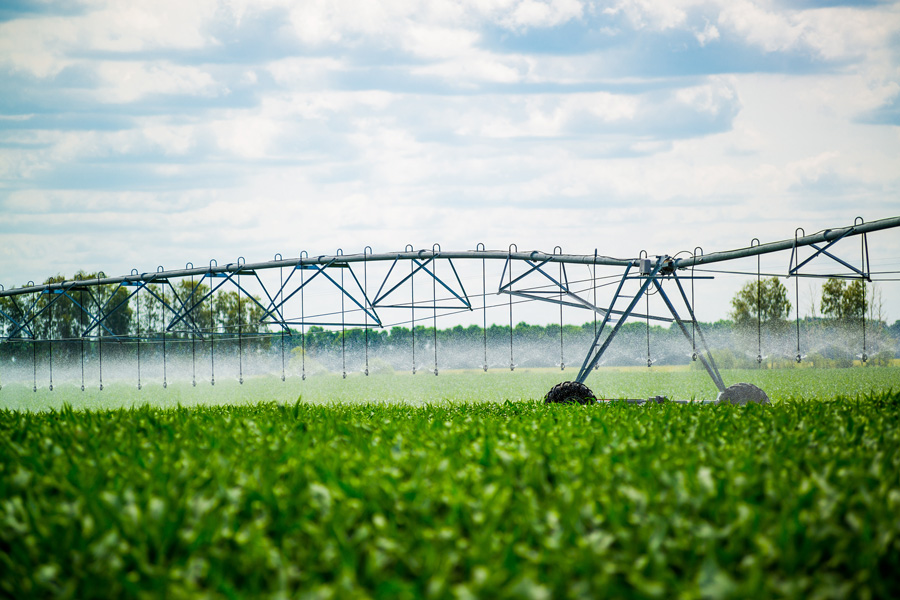
B 1298
Chemigation in Georgia
Chemigation is an inclusive term referring to the application of a chemical into or through an irrigation system. It includes the application of fertilizers, acids, chlorine and pesticides. Chemigation can save time, reduce labor requirements, and conserve energy and materials. Chemigation is beneficial, however, only to the extent that the irrigation system is adequately designed, fully functional and properly managed.
|
-
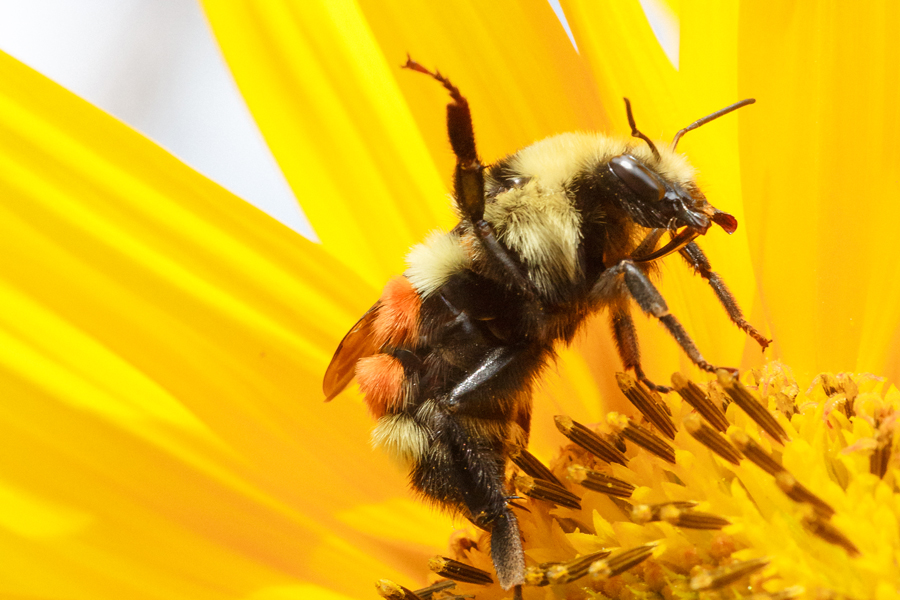
Bumblebees are prone to catch your attention with their sonicating buzz or conspicuous and colorful appearance. They are robust, fuzzy-looking insects, with varying bands of coloration and a hairy abdomen. This characteristic differentiates them from the look-alike carpenter bees, which have bald abdomens. Bumblebees usually are active from early spring through fall, visiting and collecting pollen and nectar from flowers, and are distributed worldwide, with up to 260 species all over the globe. Most species are encountered in the Northern Hemisphere, while others are located in Central and South America and northern Africa. Forty-nine bumblebee species in the United States are known, and 17 of them are found in Georgia.
|
-
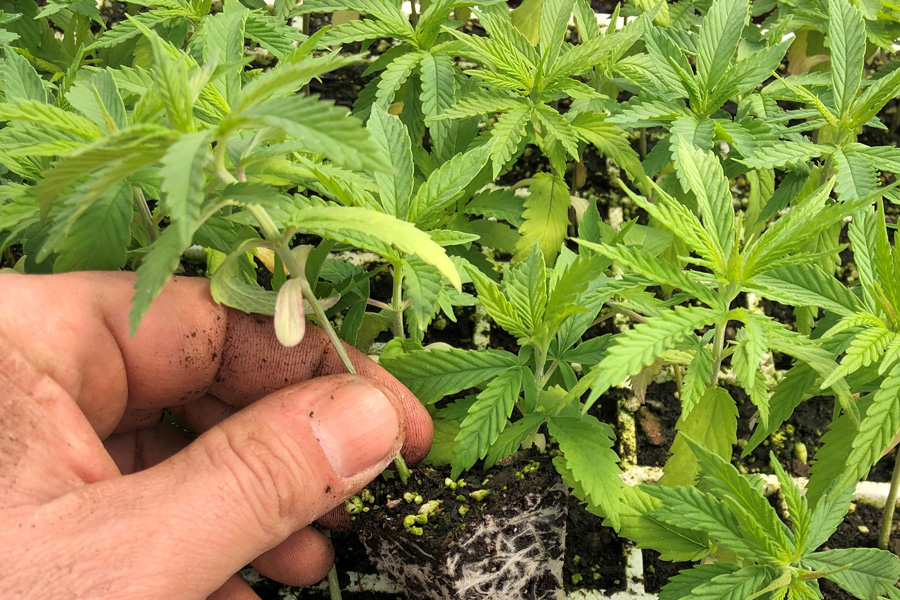
With the passage of the 2018 Agriculture Improvement Act, the federal government removed industrial hemp from the list of Schedule I drugs and opened up opportunities for farmers to produce this once widely grown crop. Although the brief guide that follows is not exhaustive, it is meant to provide basic information for growers who are considering hemp production of floral materials meant for the cannabinoid market. Cannabinoids may include CBD, CBG, etc. Due to the changes in rules and regulations that are likely to occur, we recommend readers look to the Georgia Department of Agriculture and the USDA for any clarification or questions they may have regarding the regulation of hemp production in Georgia.
|
-

We can positively affect pollinator populations in our region by providing plants that help sustain them. Pollinators face the increasing challenges of habitat loss, parasite and disease pressure, and the unintended consequences of pesticide misuse. Bee forage plants can bloom season-long with careful plant selection appropriate to the region. A combination of herbaceous perennial and annual plants, trees, and shrubs can provide valuable resources to bees and other pollinators. Even grasses can be used by bees as a pollen source, while crape myrtles can provide a later season resource for pollinators. Anyone—from individual home gardeners to commercial and agricultural property managers—can promote pollinator health by selecting and planting appropriate plants. This guide provides options for selecting flowering woody plants that are attractive to bees and butterflies and sometimes have additional wildlife benefits.
|