Departments and Units Resources
-
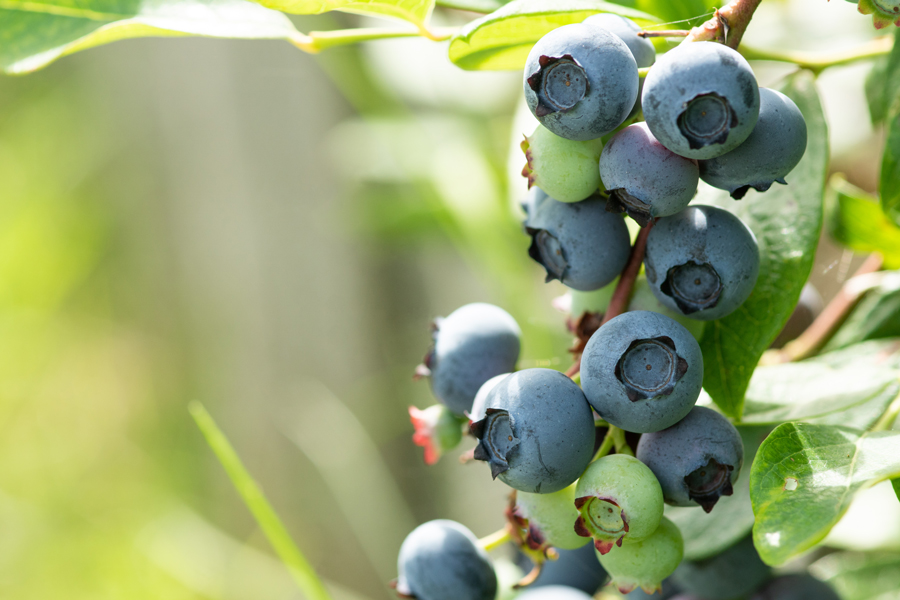
This resource is for commercial blueberry growers and covers basic postharvest harvesting, handling and cold storage principles for fresh-market blueberries to ensure the highest possible shelf life and quality while minimizing postharvest losses.
|
-

Drip irrigation is an important component of vegetable production systems in Georgia. Drip irrigation is more desirable than other irrigation methods for several reasons. Two important advantages are (1) water conservation and (2) potentially significantly improving fertilizer management. Fertigation is the timely application of small amounts of fertilizer through drip tubes directly to the root zone. Compared to conventional ground application, fertigation improves fertilizer efficiency.
|
-

Producing greenhouse-grown containerized transplants is an increasingly popular way to establish vegetable crops. Compared to field-grown transplants, greenhouse transplants have several advantages. They can be produced earlier and more uniformly than field-grown plants. Their growth can be controlled more easily through fertility and water management and they can be held longer and harvested when needed.
|
-
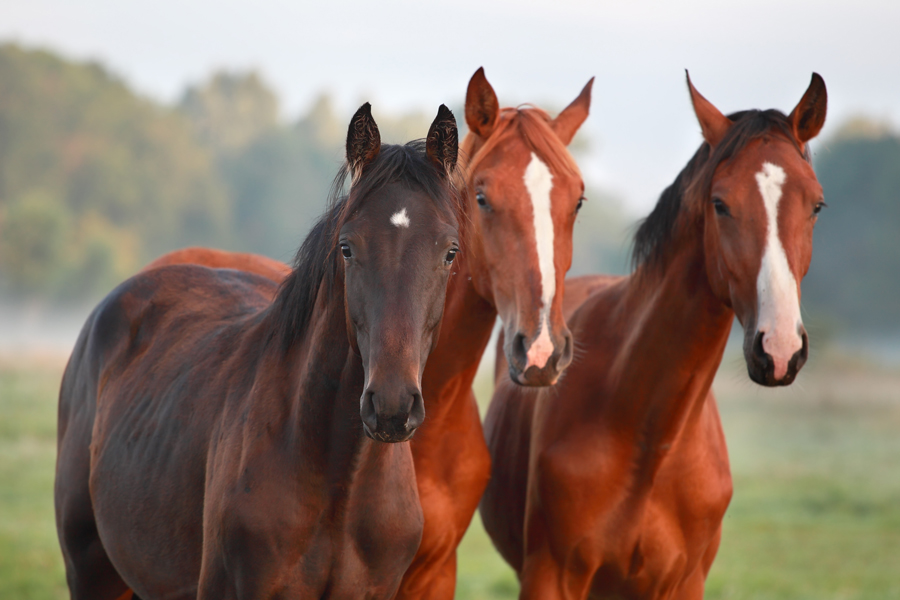
Parasite resistance is an increasing problem in livestock species, including horses. Equine deworming practices have historically involved a six-week rotational deworming schedule. However, these practices have led to parasite resistance to many of our available dewormers. This publication addresses the current recommendations for deworming based on fecal egg counts, including why parasite resistance is increasing and how and when to assess fecal egg counts in horses.
|
-
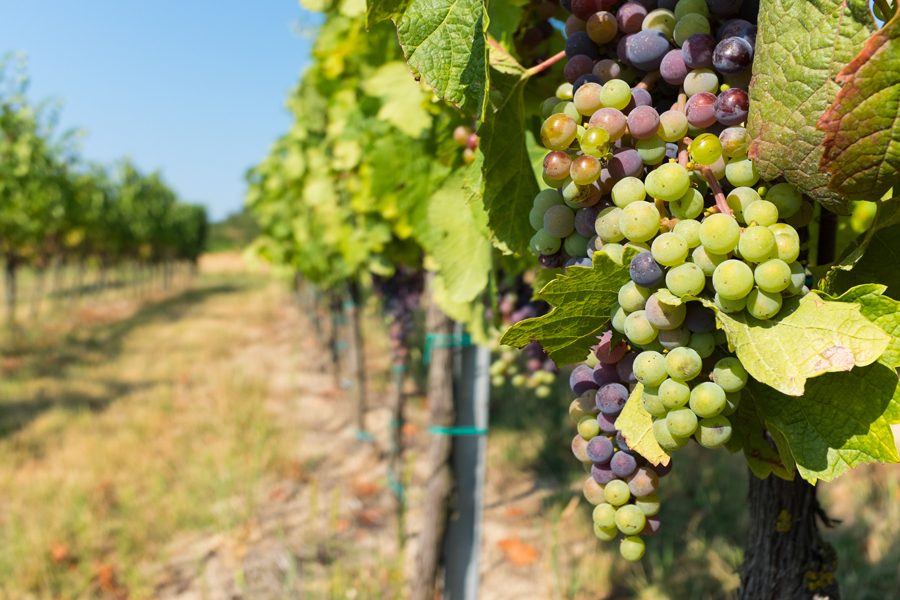
There are many ways to manage grapevine growth, and many grape-growing regions implement unique and preferred training methods. Vine growth management is achieved by applying a trellising system, which is a framework of metal cross arms, wires, and support posts that are used to direct grapevine vegetation to maximize fruit quality and production. Trellising and pruning combinations will sometimes be referred to as “training” systems, but “trellising,” “training,” and “pruning” are not interchangeable terms. Understanding the different forms of trellising and pruning can be a challenge for new growers. The goal of this publication is to provide a general introduction to some of the more common trellising and pruning terms used to describe grapevine management systems. There is a glossary at the end of this publication.
|
-

C 1207
Halter Training Beef Cattle
If you or someone you know is planning to halter train beef cattle, remember that the calf must be coached—it will not instinctively know what to do. Good coaching equals better results. This circular focuses on how to be a good coach during the halter training process for beef cattle.
|
-
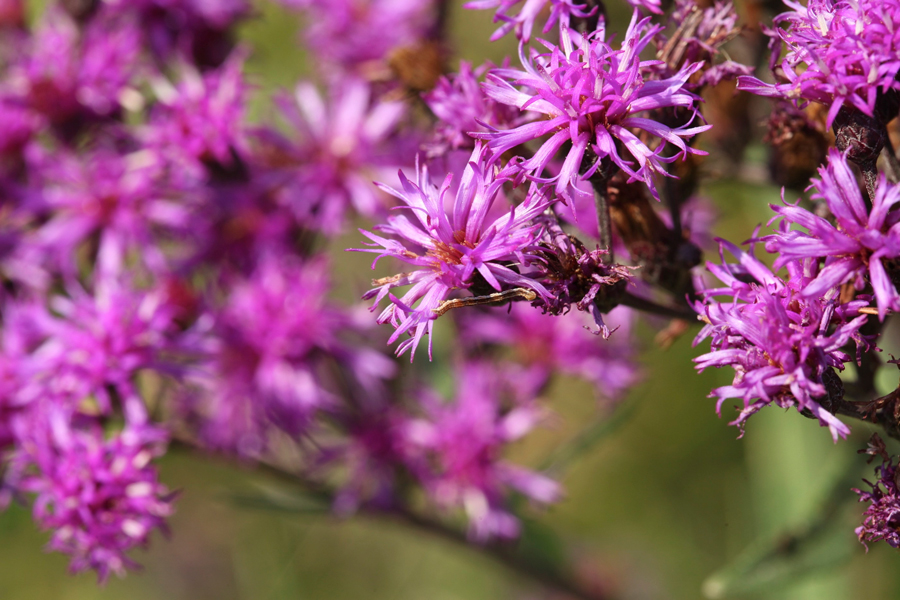
This publication is intended to be a quick guide for plant enthusiasts of North Georgia. Each plant listing is accompanied by a photograph and a brief plant description. The description contains the common name, scientific name, leaf description, flower description, habitat and plant uses.
|
-
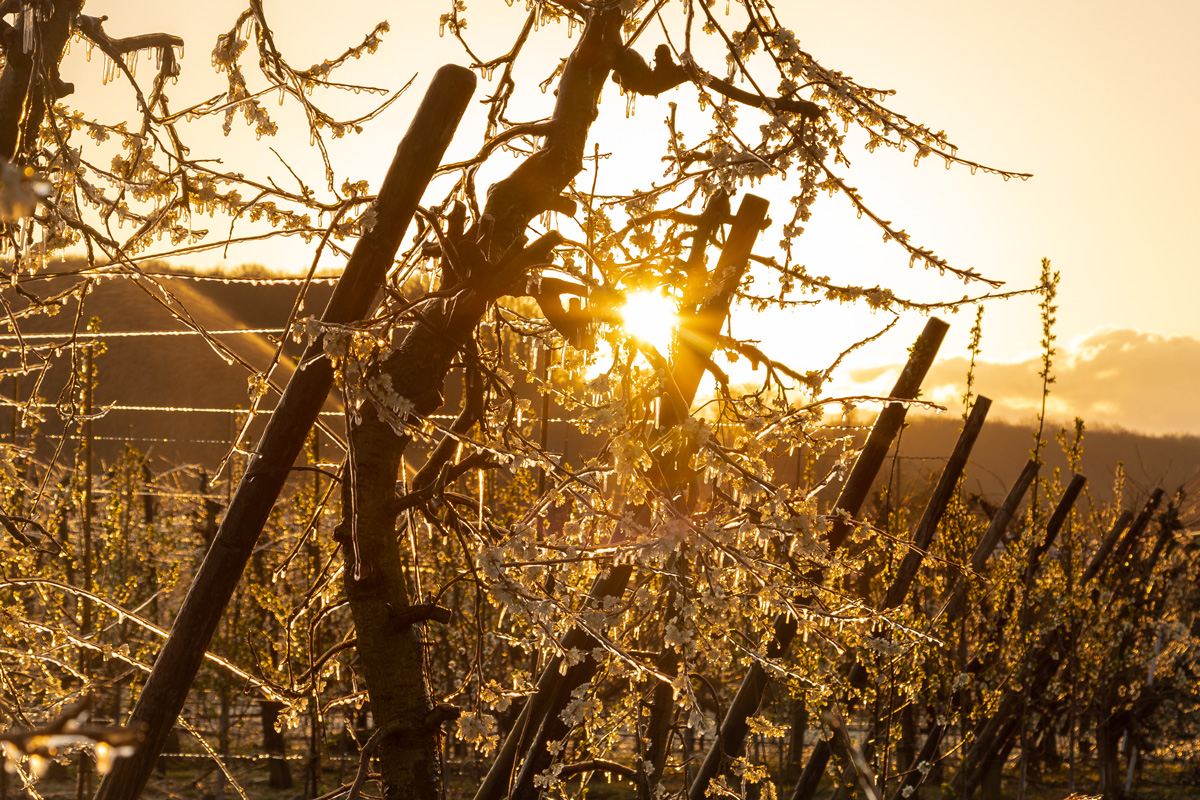
Freeze protection efforts should be based on the type of freeze, temperature, and wind speed that is impacting your crop. To apply frost protection, consider your crop value, the freeze protection capacity of your system, and the crop’s susceptibility to injury at each growth stage.
|
-

Feeder cattle buyers, marketers, and producers are able to communicate the potential growth and carcass merit potential of individual and grouped calves using the USDA Feeder Cattle Grading Standards. Producers that are aware of these standards and their use in predicting carcass value are better suited to making breeding and management decisions to improve the value of future calf crops.
|