Departments and Units Resources
-

Tawny crazy ants have proven to be a major nuisance to Georgia residents. This publication helps readers identify these ants and provides guidance for pest management professionals to manage and eliminate them.
|
-

This publication provides information on variety types, suggested vegetable varieties for organic production, and steps to saving your own seed.
Organic farming and vegetable production are becoming increasingly popular. Nationally, organic sales have increased 80% since 2007, organic produce has a wholesale value typically twice that of conventional produce, and 75% of organic products are sold within 100 miles of the farm. These facts suggest that there is a tremendous market potential for organic vegetables in Georgia, yet organic production remains only a fraction of conventional vegetable production. Because of our humid subtropical climate, organic production in the Southeast is continually challenged by intense disease, insect and weed pressure. The purpose of this guide is to detail the importance of varietal selection for organic growers.
|
-

This publication will educate pest management professionals about pesticides and instill vigilance in their handling and use. In order to understand how to use chemical pest control products responsibly, PMPs must have a basic understanding of the various definitions associated with pesticides, be able to interpret labels and material safety data sheets (including principles of toxicity), be aware of their own
safety, understand the mode of action (i.e., how pesticides work) of the various active ingredients they use, and be aware of differences in formulation types.|
-
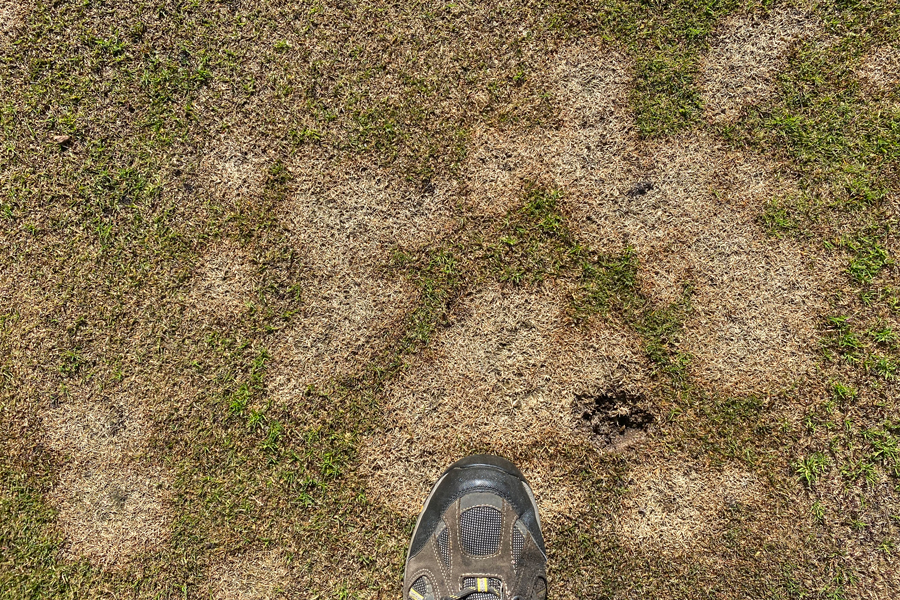
This publication contains information on Microdochium patch, an emerging disease in the state of Georgia. This circular contains the biology of the causal agent, as well as a detailed description of the disease symptoms (with detailed pictures), relevant up-to-date information on conditions favoring the disease, as well as cultural, genetic and chemical methods of control. The publication is aimed at turfgrass professionals, sod growers, consultants, county faculty, students, and the general public.
|
-

Nutrition can play a key role in achieving peak athletic performance in horses. This publication discusses ways to enhance feeding strategies to maximize training and conditioning programs and keep horses in peak physical condition. It also includes a Body Condition Scoring table.
|
-
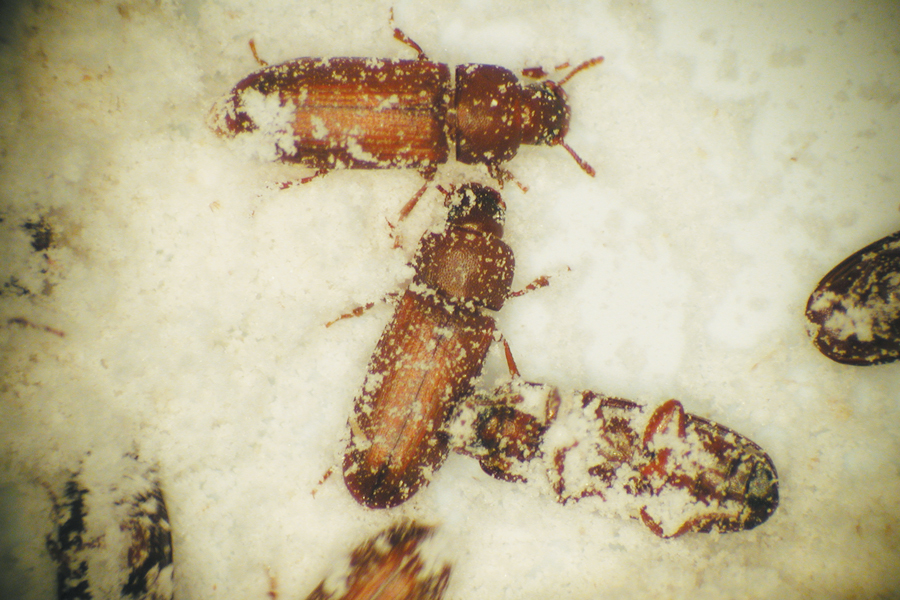
Several dozen insect species infest food and nonfood products of plant and animal origin commonly found in homes. Collectively, this group of insects is referred to as stored product pests. Most are small beetles or moths. For homeowners, often the first sign of a stored product pest infestation is the sudden, unexplained and then persistent presence of numerous insects in a particular area of the home.
|
-

The seven topics covered in this publication are all integral parts of a successful pumpkin/gourd management program. Each topic is designed to focus on a particular aspect of production and provide the latest management technology for that phase of production. It is hoped that the information contained in this publication will assist growers in improving profitability.
|
-
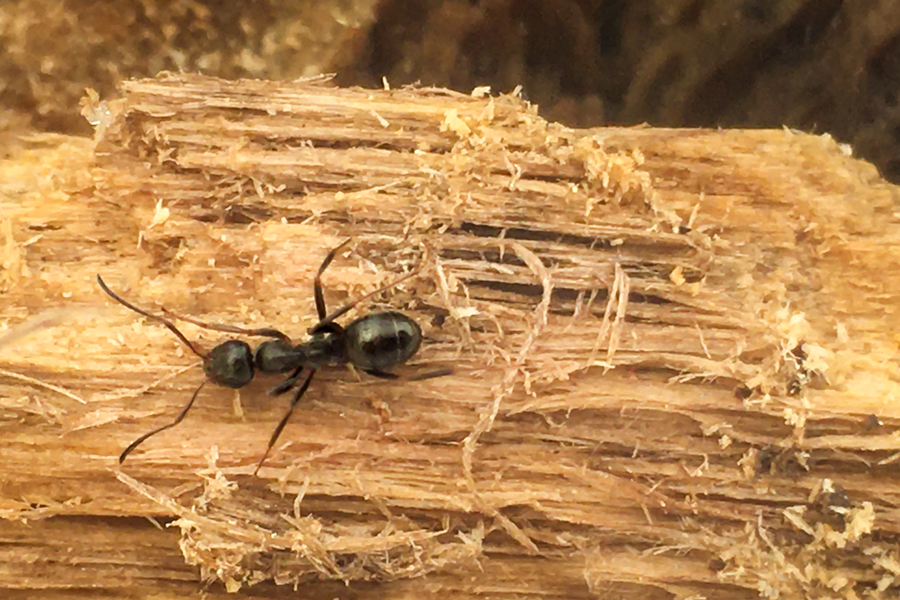
Carpenter ants are so-called because of their habit of chewing wood to create nest sites. They do not eat wood, like termites, but they excavate it with their strong, saw-like jaws to create random galleries where they nest. Carpenter ants are also a nuisance because of their abundance and large size.
|
-

Livestock shows and purebred sales often require an ear tattoo as a form of permanent identification. If the rules of your next event require a tattoo, it is imperative for it to be accurate and easily read. Mistakes or improper application of tattoos can be very frustrating situations for everyone involved. Illegible, infected or incorrect digits are unfortunately common. Following a few key steps can help improve the effectiveness of tattoo application and the ease with which they can be read. So, let’s make sure that it is done right the first time. Please remember also to check your tattoos often.
|