Departments and Units Resources
-
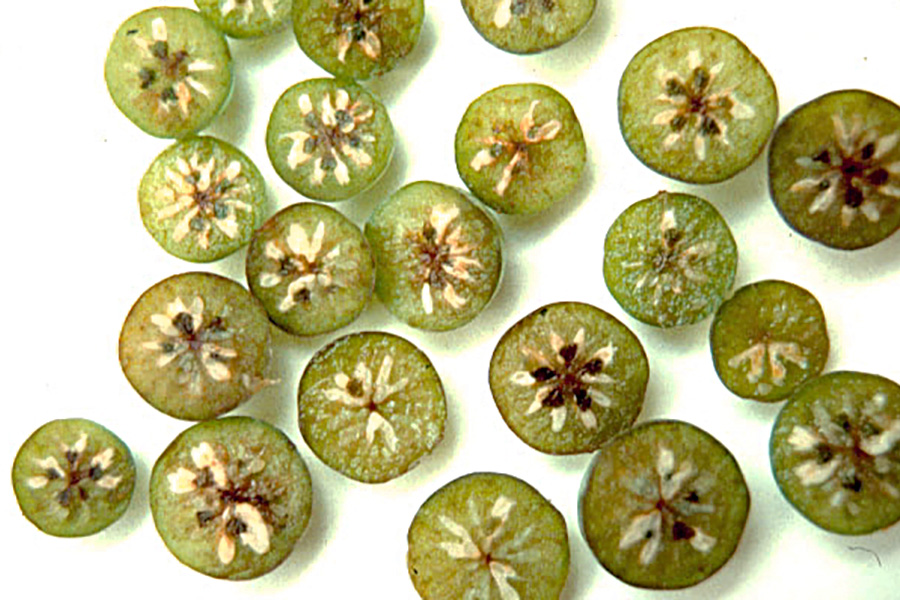
This publication is intended to be used as a pictorial diagnostic guide to identify the most common diseases seen on fruits grown in home landscapes, gardens, and/or orchards in Georgia. Use this guide as a supplemental resource and/or reference to the Homeowner Edition of the Georgia Pest Management Handbook.
|
-
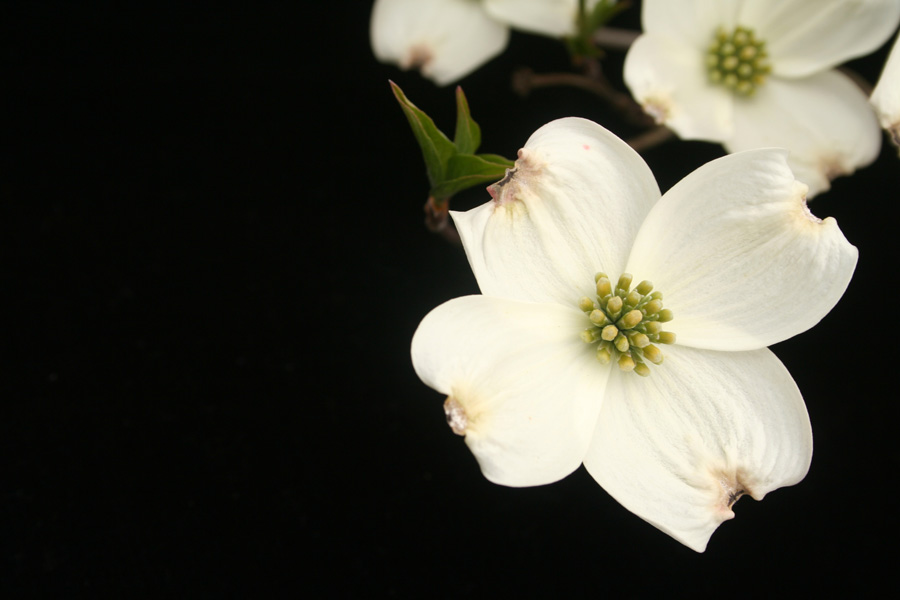
C 900
Growing Dogwoods
One of the most widely planted ornamental trees in Georgia is the flowering dogwood. Dogwoods are not difficult to grow if they are located in the proper site and if healthy trees are purchased and planted properly.
|
-

B 1465
Managing the Pregnant Mare
To have a successful equine breeding program, producers must be able to ensure delivery of a healthy foal while maximizing the health of the mare. The information in this bulletin is designed to provide basic concepts in pregnant mare management.
|
-

“‘Clean label’ foods” generally refers to food products that are simple, natural, and minimally processed. Clean labeling is a food industry movement that caters to the consumer who wants food products to be as “real” and preservative-free as possible. Although “clean labeling” is becoming more ubiquitous among food companies, there is no formal definition for the term. It originates from consumer perception of “natural” foods and is then self-defined by food companies, restaurants, and retailers.
In order to build a trustworthy relationship with consumers, more companies have removed or are planning to remove artificial ingredients from their products. However, this process is not easy, and manufacturers must ensure the efficacy, safety, quality, and cost-effectiveness of natural substitutes before using these alternatives widely.
|
-
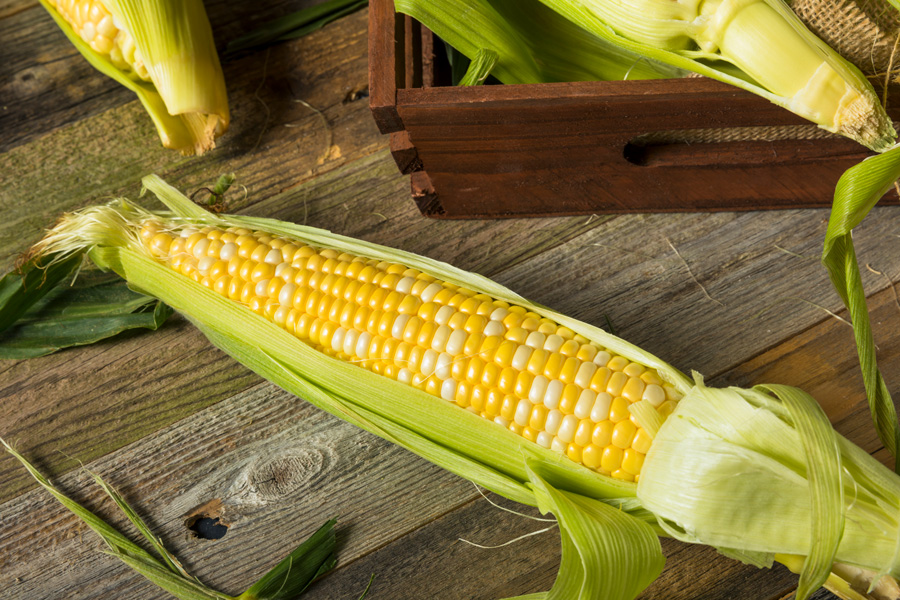
Summarizes shipper sweet corn production in southern Georgia.
|
-

This publication contains information on the most important and common diseases of oats, the biology of the causal agents, as well as a detailed description of the disease symptoms, relevant up-to-date information on conditions favoring the diseases, as well as cultural, genetic, and chemical methods of control. The publication is intended for producers, crop consultants, county faculty, students, and the general public.
|
-
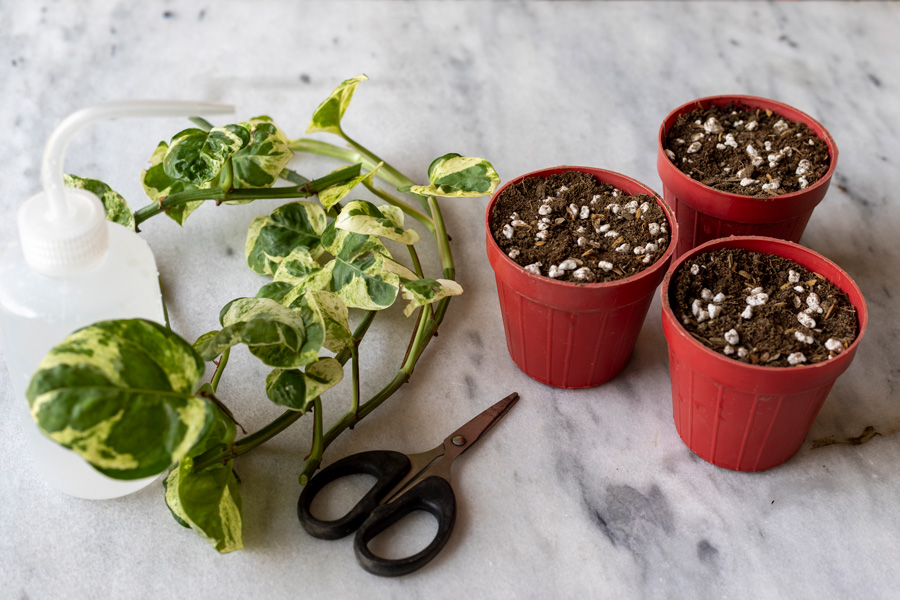
This publication shows home gardeners how to propagate many of their favorite landscape plants from cuttings at a home garden scale, using tools and resources available to them.
|
-
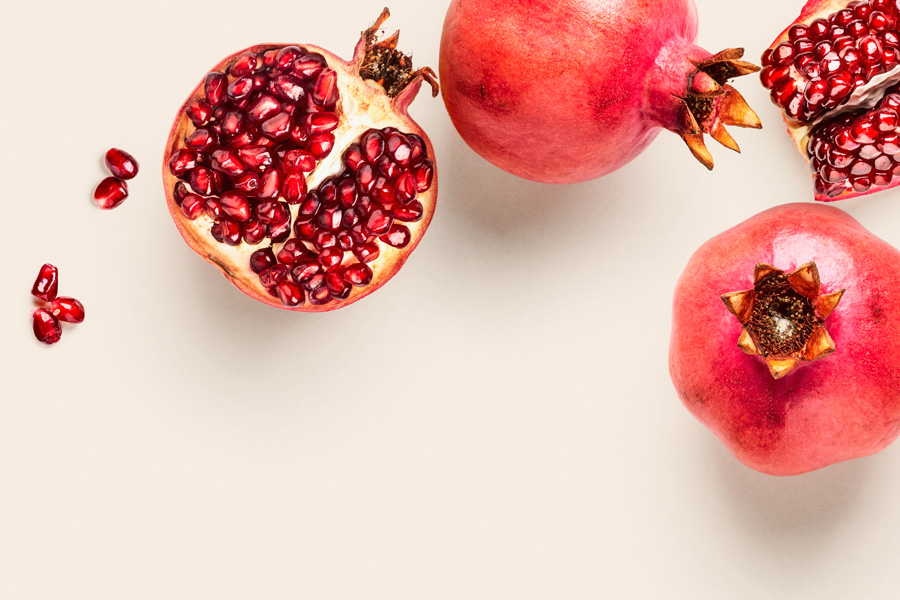
Pomegranate is an emerging crop that has been experiencing a significant expansion in Georgia. Pomegranates are excellent sources of sugars, soluble fibers, vitamins, minerals, and phytochemicals, including polyphenols with strong antioxidant activity. Because of their nutritional content, pomegranates are considered functional foods (foods that provide health benefits in addition to basic nutrition). This resource describes the main phytochemicals present in pomegranate fruits and provides an overview of the potential value-added products that may be developed from Georgia-grown pomegranates.
|