Departments and Units Resources
-
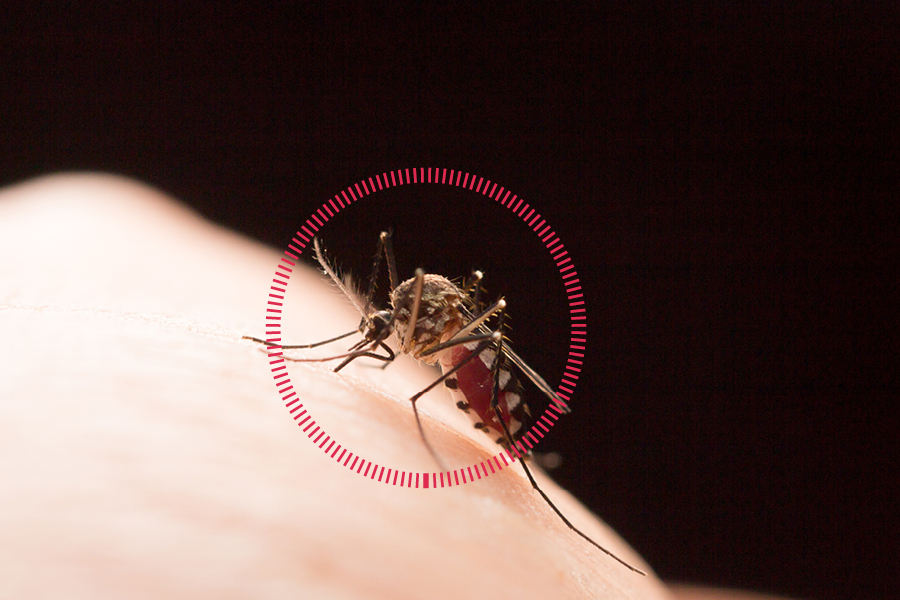
Mosquitoes are one of the most common insect pests that homeowners encounter. This circular introduces a few of the basic techniques and materials that homeowners can use to safely reduce mosquito populations around the home. Becoming familiar with mosquito biology is the first step in using an integrated pest management approach to efficiently and effectively reduce mosquito populations. By learning about mosquito biology, source reduction, surveillance and control, homeowners can become active participants in their own mosquito control program. An integrated approach is the most effective way for homeowners to reduce mosquito populations and reduce the need for pesticide applications in their community.
|
-

C 1174
Pecan Management
This resource is a handy reference calendar for pecan production in the Southeastern U.S. to assist in management decisions regarding crop phenology, irrigation and fertilization requirements, disease, and insect and mite arthropod pest management. It also includes information on production activities including timing for planting, harvesting, and nutrient sampling. Information on bearing and non-bearing trees are provided to address the different management requirements for these orchards. Temporally precise management decisions on horticultural activities, disease suppression, and insect pest control will maximize efficiency, improve tree health, optimize crop quality and yield, and promote ecological and economic sustainability.
|
-
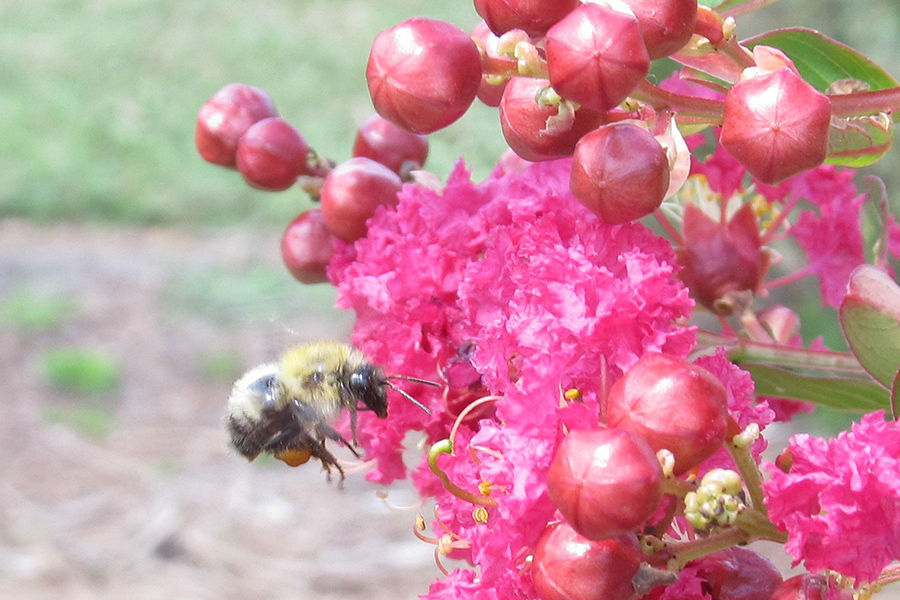
Crape myrtles are popular landscape shrubs and small trees. Native to China, Japan, and Korea southward to Oceania, crape myrtles have been cultivated in the U.S. for more than 175 years. Cultivars range from 3-ft shrubs to 30-ft-tall trees, and they are graced with large panicles of white, pink, lavender, purple, red, and many colors in between. Among cultivars, crape myrtles have a wide range of tolerance to key pests and diseases, such as powdery mildew, flea beetles, crape myrtle aphids, and Japanese beetles. The plant’s flowers are widely admired by humans and can serve as nectar and pollen sources for pollinators. With the recent decline in pollinator health and diversity, pollinator visitation, pest susceptibility, and horticultural attributes should all be considered when choosing crape myrtle cultivars for home and commercial landscapes.
|
-

Los céspedes pueden ser atacados por agentes bióticos (vivientes) y abióticos (no-vivientes). Los agentes bióticos incluyen patógenos (hongos, bacterias, virus, citoplasma etc) y plagas como nematodos, insectos, ácaros, moluscos y vertebrados (roedores, pájaros etc.). Los factores abióticos incluyen: condiciones climáticas como las temperaturas extremas, el exceso o deficiencia de agua, luz o nutrientes, suelo compacto, sequía, estancamiento de agua y/o prácticas de cultivo adversas. Estos factores pueden ser el resultado de una interacción que ha existido por un periodo largo de tiempo entre la planta y uno o más factores como la falta de espacio para un crecimiento radicular óptimo, la presencia de niveles crónicos de contaminantes del aire o agua.
|
-

The silverleaf whitefly, also known as the sweet potato whitefly or Bemisia tabaci (Hemiptera: Aleyrodidae), attacks a wide range of plants, from ornamentals to warm-season vegetables. Whiteflies are active from mid-July to mid-October and are found gathered together on the underside of leaves during the daytime. Although 76 whitefly species are known to exist in the Southeastern U.S., only a few species cause serious problems in greenhouses and nurseries. These species include the greenhouse whitefly (Trialeurodes vaporariorum), banded wing whitefly (Trialeurodes abutiloneus), giant whitefly (Aleurodicus dugesii), citrus whitefly (Dialeurodes citri), cloudywinged whitefly (Dialeurodes citrifolii), and the silverleaf or sweet potato whitefly. Among several whitefly species, the silverleaf whitefly, particularly biotype B, is the most common and most destructive whitefly species in
nurseries in the Southeastern U.S.|
-
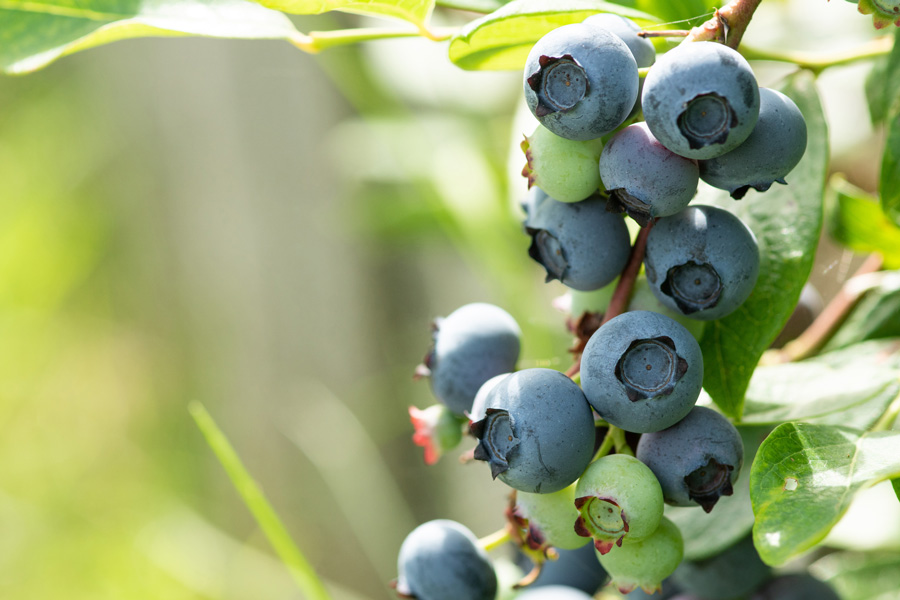
This publication provides updated (2023) Southeast-specific information on approved National Organic Program (NOP) disease and pest management options for blueberry production and addresses the issues most commonly encountered under the unique growing conditions of the Southeast U.S. This publication is not intended to provide all details on organic blueberry production, although it does include the production methods that reduce the impact of plant disease and pest issues. Emphasis in an organic system should be on cultural practices that reduce disease and pest pressure rather than pesticide applications. NOP-approved pesticides are usually less efficacious than conventional products. The pesticide label is the law and supersedes any information on pesticide use contained in this guide. Because environmental conditions and grower application methods vary widely, suggested use does not imply that performance of the pesticide will always conform to the pest control standards indicated by experimental data.
|
-

The Agricultural Act of 2018 (2018 U.S. Farm Bill) extended the nonrecourse marketing assistance loan (MAL) and loan deficiency payment (LDP) feature for the 2019 through 2023 crop years for upland cotton. This publication provides examples and a decision tree for choosing between the marketing assistance loan and loan deficiency payment program for cotton.
|
-
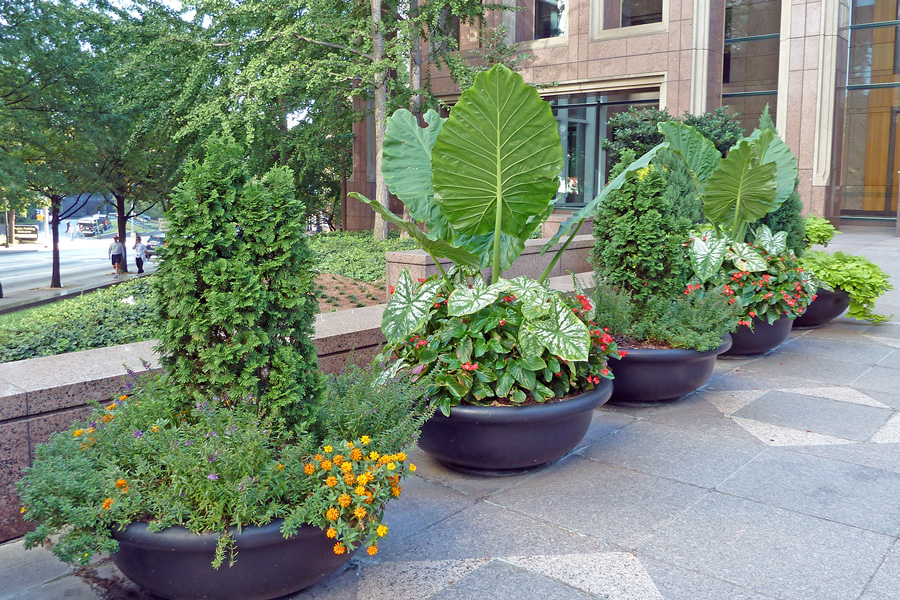
This publication offers information on types of plants suitable for mixed containers, with an emphasis on perennial and woody species and cultivars, as well as aesthetic qualities, cultural conditions and placement within the container.
|
-
C 949
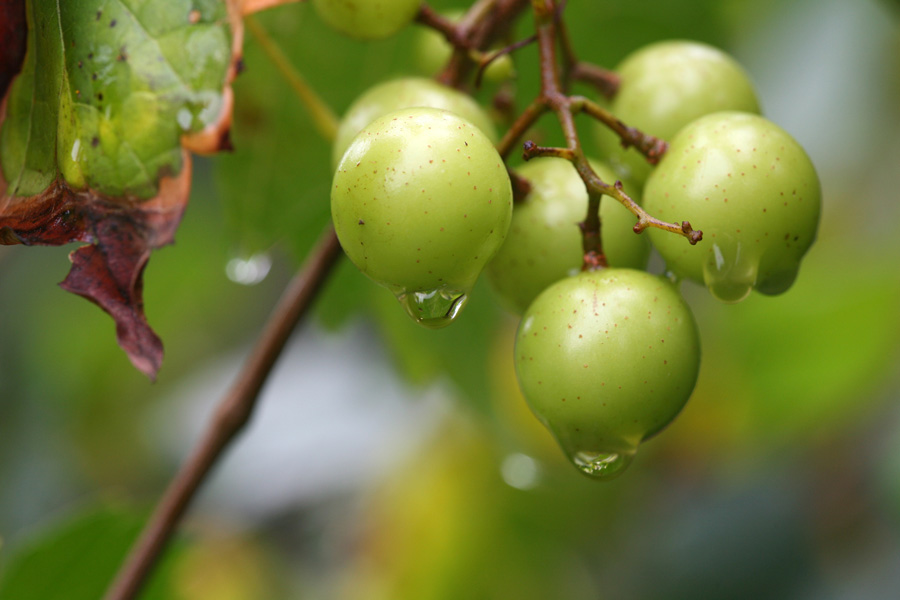
Home Garden Muscadines
Muscadines are truly a fruit for the south. Although muscadines can be grown successfully in most parts of the state, they are best adapted to the Piedmont and Coastal Plain areas.
|