Departments and Units Resources
-
C 949
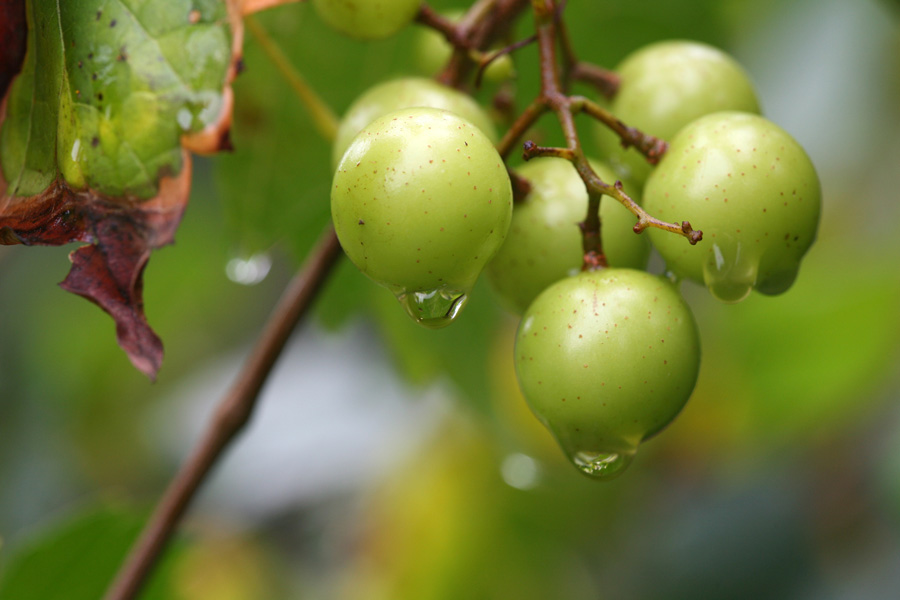
Home Garden Muscadines
Muscadines are truly a fruit for the south. Although muscadines can be grown successfully in most parts of the state, they are best adapted to the Piedmont and Coastal Plain areas.
|
-
B 1478
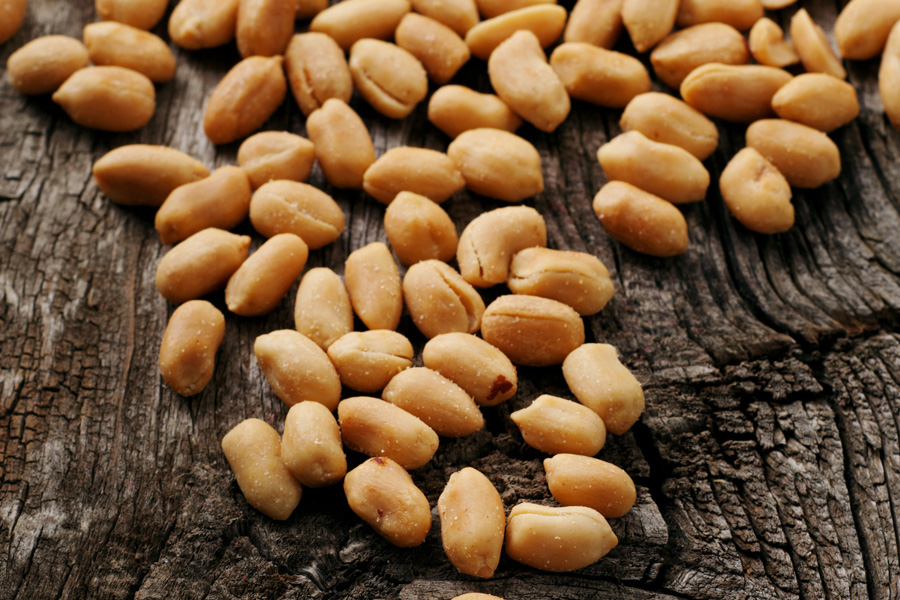
Roasted Peanut Flavor
Flavor is the major determinant for consumers’ appreciation of roasted peanuts. Flavor development involves two important reactions: Maillard reaction and lipid oxidation. Maillard reaction mainly occurs during roasting to generate a pleasant “roasted” flavor. But during storage, lipid oxidation produces off-flavors and reduces roasted flavor, which is known as “flavor fade.” In order to retard lipid oxidation, high-oleic cultivars were developed. We have observed that compared to normal-oleic GA 06G, high-oleic GA 13M had higher consumer acceptability with a better capability to mitigate lipid oxidation, demonstrating that using a high-oleic trait is a potential solution to the problem of flavor fade.
|
-
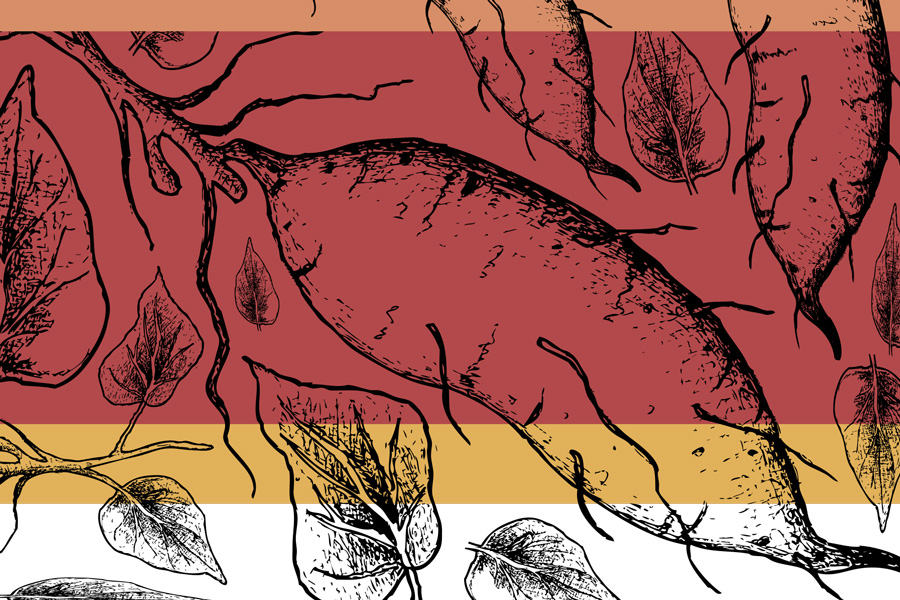
Sweet potatoes are members of the Convolvulaceae family, which includes morning glory. They are native to tropical America and are a perennial plant there. In more temperate regions such as the United States, they are frost-sensitive and grown as annuals. Sweet potatoes are grown for their edible root, which is often mistakenly called a tuber, like white or Irish potatoes (Solanum tuberosum). However, the edible portion of the sweet potato is a true root and will continue to enlarge as long as the plant continues to grow. Sweet potatoes have been grown by Native Americans in Mexico, Central America, Peru, Ecuador, and the U.S. for thousands of years. This bulletin is a comprehensive resource on the production, disease, insect, nematode and weed management of sweet potato.
|
-

C 1202
Connecting People and Plants
Consumer horticulture touches all our lives, whether in a bustling downtown area, the open countryside, or anywhere in between. Consumer horticulture supports human health, community beautification, environmental stewardship, local food, and more. Consumer horticulture benefits us when we tend a container garden, visit and play in a park or public garden, and grow plants indoors or outdoors.
|
-
C 945
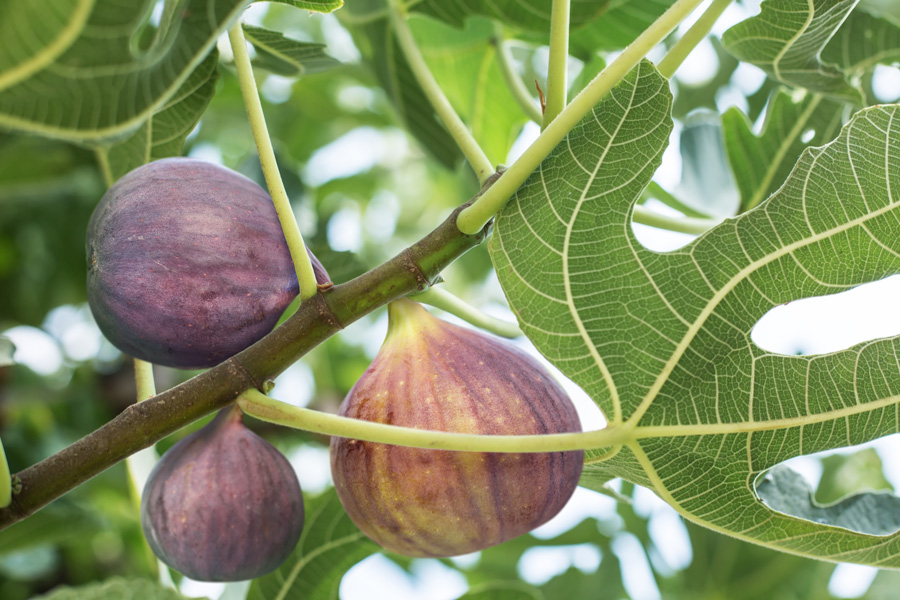
Home Garden Figs
This resource provides information on how to best grow figs in Georgia. Figs will do well in most parts of Georgia except the mountainous areas.
|
-
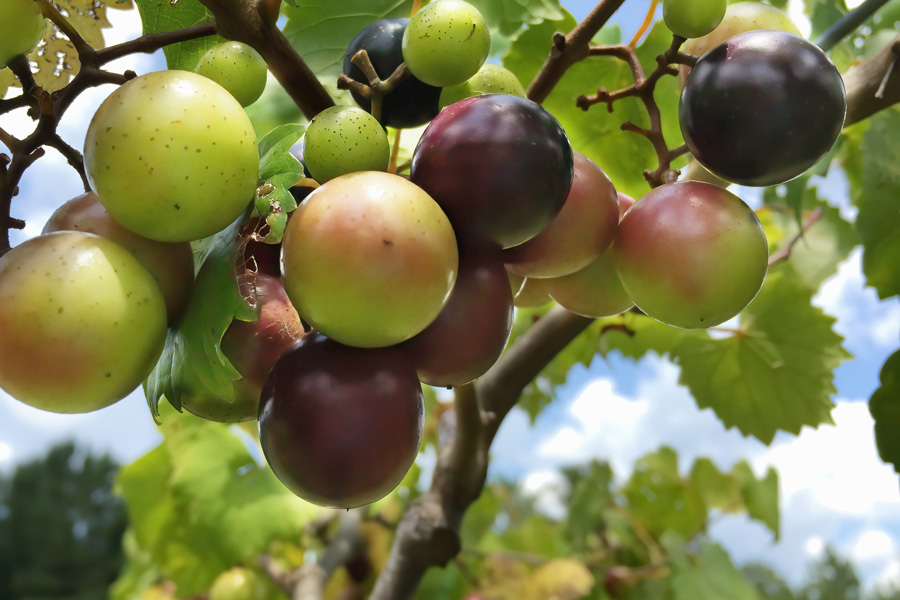
This 2023 update to the regional integrated pest management guide provides recommendations for muscadine grape production in the Southeastern U.S. Recommendations are based on information from the manufacturer’s label and performance data from research and Extension field tests. This publication is intended for use only as a guide. Specific rates and application methods are on the pesticide label, and these are subject to change at any time.
|
-
AP 124-3
2023 Georgia Cotton Production Guide
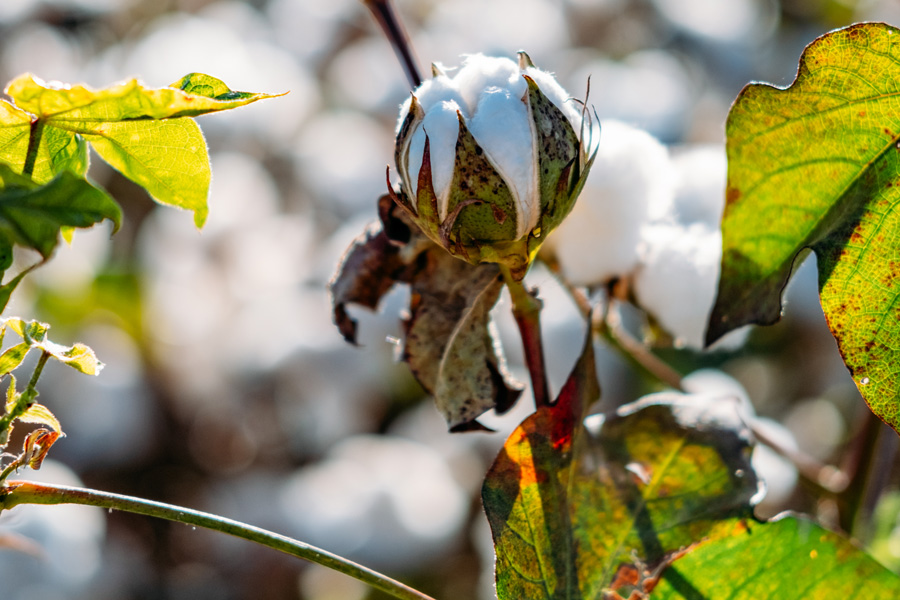
The 2023 edition of the cotton production guide provides an in-depth look at cotton production in Georgia and the Southeastern U.S. Issues discussed include economic outlook, fertility, weed management, insect management, disease and nematode management, irrigation decisions, precision ag technology, and general agronomics of the cotton crop (varieties, PGR applications, defoliation, etc.).
|
-

If you need a particular type of insurance, it is better to have it even if you never use it. The hard part is knowing the difference between insurance you need and insurance you are better off without. Many people purchase insurance without knowing whether they need it or not. Unless you fully understand insurance, you may be wasting money on insurance products you don’t need.
|
-

C 1110
Before You Invest
Saving and investing are critical steps to achieving your financial goals. Although these terms are often used interchangeably, they are quite different. Understanding the differences between saving and investing is the first step toward reaching your financial goals.
|