Skip to content
UGA College of Agricultural & Environmental Sciences Field Report
  • Stories
    Almanac

    Science in service of humanity and the environment

    Read our annual magazine here

    READ


    Dive into engaging stories that showcase our statewide, national and global impact.

    Check out our written stories here

    LOOK


    Browse curated photo galleries capturing the people, places and programs that bring CAES to life.

    Check out our photo galleries here

    WATCH


    Experience our stories through videos that highlight our people, projects and passions in action.

    Check out our video library here

    LISTEN


    Tune in to “Cultivating Curiosity,” our podcast featuring in-depth conversations with CAES experts.

    Check out our podcast here
  • Expert Resources

    Expert Resources


    From farms and gardens to families and finances, our expert resources empower Georgians with trustworthy, practical science.

    Gardening
    Invasive species
    Food and food safety
    Ants, termites and other pests
    Pollinators
    Livestock
    Emergency preparedness
    Home safety and maintenance
    Health, family and finances
    Nutrition
    Water quality
    Lawn maintenance and landscaping
    Turfgrass
    View all topics

    What is an Expert Resource?


    We publish unbiased, research-backed expert advice to empower Georgians with practical, trustworthy information they can trust.

    These resources are written and reviewed by experts in the UGA College of Agricultural and Environmental Sciences and the UGA College of Family and Consumer Sciences.

    Learn how we produce science you can trust
  • People
  • Events
  • Contact
  • Read
  • Look
  • Watch
  • Listen
Subscribe
  • LinkedIn
  • Facebook
  • Instagram
  • Stories
    Almanac

    Science in service of humanity and the environment

    Read our annual magazine here

    READ


    Dive into engaging stories that showcase our statewide, national and global impact.

    Check out our written stories here

    LOOK


    Browse curated photo galleries capturing the people, places and programs that bring CAES to life.

    Check out our photo galleries here

    WATCH


    Experience our stories through videos that highlight our people, projects and passions in action.

    Check out our video library here

    LISTEN


    Tune in to “Cultivating Curiosity,” our podcast featuring in-depth conversations with CAES experts.

    Check out our podcast here
  • Expert Resources

    Expert Resources


    From farms and gardens to families and finances, our expert resources empower Georgians with trustworthy, practical science.

    Gardening
    Invasive species
    Food and food safety
    Ants, termites and other pests
    Pollinators
    Livestock
    Emergency preparedness
    Home safety and maintenance
    Health, family and finances
    Nutrition
    Water quality
    Lawn maintenance and landscaping
    Turfgrass
    View all topics

    What is an Expert Resource?


    We publish unbiased, research-backed expert advice to empower Georgians with practical, trustworthy information they can trust.

    These resources are written and reviewed by experts in the UGA College of Agricultural and Environmental Sciences and the UGA College of Family and Consumer Sciences.

    Learn how we produce science you can trust
  • People
  • Events
  • Contact
  • Read
  • Look
  • Watch
  • Listen
Subscribe
  • LinkedIn
  • Facebook
  • Instagram
Subscribe
  • LinkedIn
  • Facebook
  • Instagram
  1. Home
  2. Expert Resources
  3. Topics
  4. Departments and Units

Departments and Units Resources

Use the Advanced Search
  • C 1194

    Marketing Assistance Loans and Loan Deficiency Payments for Upland Cotton

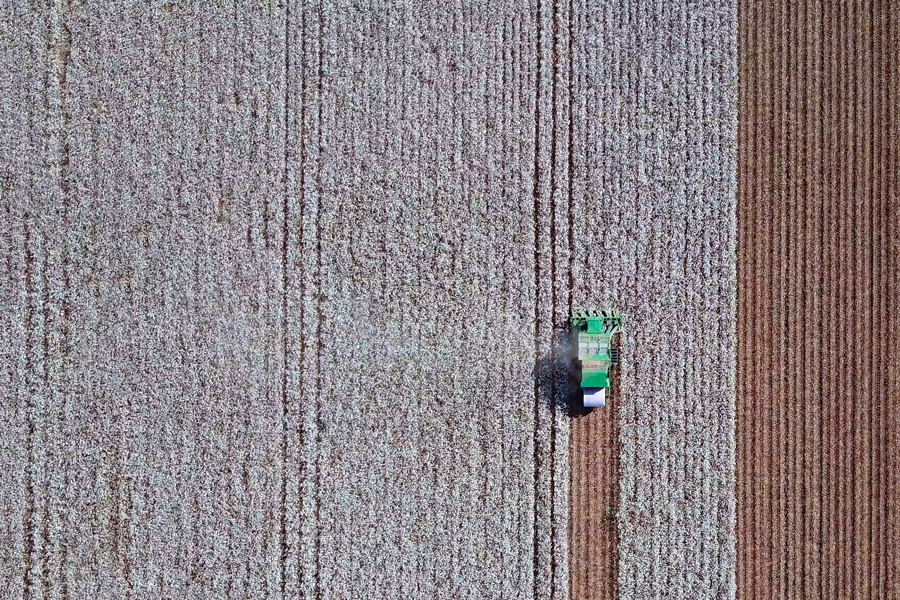
    The Agricultural Act of 2018 (2018 U.S. Farm Bill) extended the cotton commodity loan programs for the 2019 through 2023 crop years. Cotton commodity loan programs include the marketing assistance loan (MAL) program and the loan deficiency payment (LDP) program. These programs provide cotton producers with alternative marketing tools during periods of low cotton prices. Cotton producers can receive marketing loan benefits in the form of marketing loan gains (MLG), loan deficiency payments (LDP), commodity certificate exchange gains, and forfeiture gains. Producers can participate in the MAL or obtain an LDP on all or part of their production at any time during the loan availability period, from harvest until May 31 of the following calendar year.

    Yangxuan Liu, Anukul Bhattarai, and John Robinson

    |

    April 10, 2023
  • B 1332

    Nutritional, Environmental and Cultural Disorders of Pecan

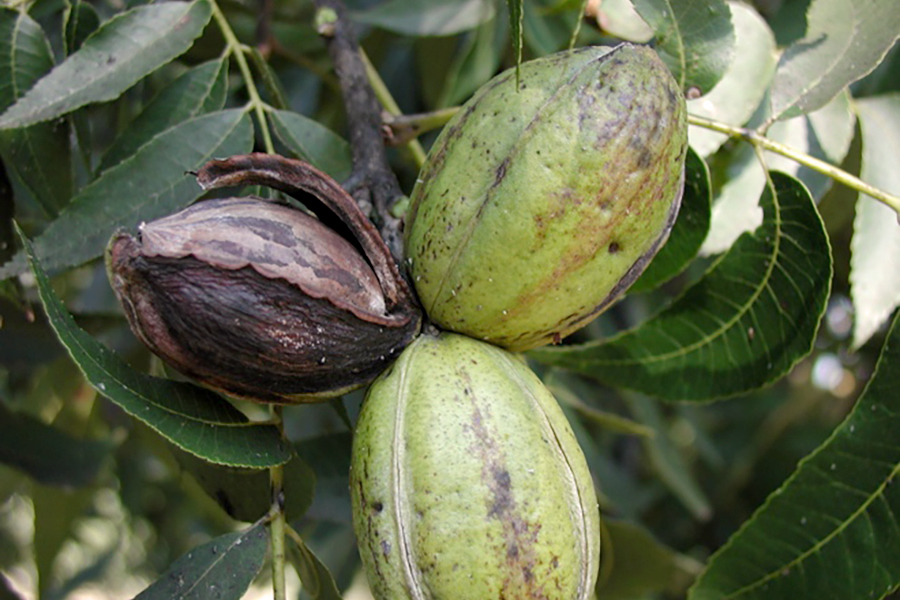
    Some of the more difficult-to-diagnose pecan disorders include nutritional imbalances, nutrient deficiencies, or environmentally induced disorders. Some nutrients may be more available than others on certain soil types and under certain soil conditions, and complex interactions often occur between nutrients. This resource explains to pecan growers what to look for and how to handle these issues.

    Lenny Wells

    |

    April 7, 2023
  • C 1283

    The Business of Beginning Farming: Getting Started, Financing, Licenses, Tax Exemptions, and More

    Starting a farming or commercial production enterprise requires more than knowledge of agriculture or livestock management. The business side of farming is a critical factor in the success and sustainability of the enterprise. This resource can help answer common questions that beginning farmers have about planning, licensing requirements, financing options, training, and more.

    Heather Kolich and Amanda R Smith

    |

    April 6, 2023
  • Consumer Horticulture Benefits for Individuals and Families

    C 1203

    Consumer Horticulture Benefits for Individuals and Families

    The plants and gardens that we tend matter for our personal health. They can enhance our homes, making them a haven for rest and well-being. They provide much-needed exercise, nutrition, and diversion while also providing the space to make important community connections.

    Sheri Dorn

    |

    April 4, 2023
  • C 1261

    Flatheaded appletree borer: A pest of trees in nurseries and landscapes

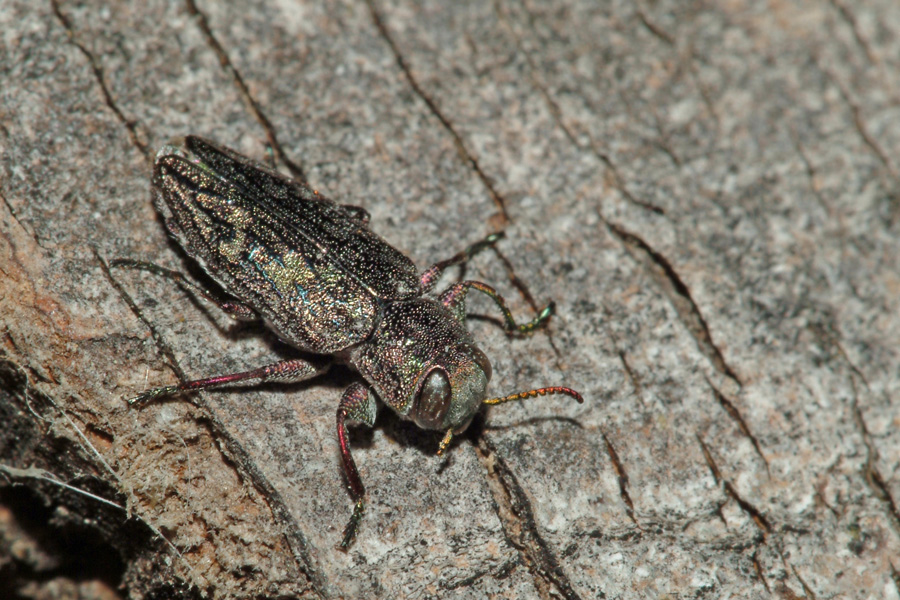
    The flatheaded appletree borer is a polyphagous pest—so called because it feeds on multiple tree species—native throughout North America. Flatheaded appletree borers impact specialty crops such as fruit, nut, and ornamental trees. Nursery growers in Georgia face mild to moderate levels of infestation depending on the local beetle population size and favorable environmental conditions. Adult flatheaded appletree borers are metallic greenish-bronze and appear fattened in cross-section, which causes them to produce “D” or oval-shaped exit holes as they emerge from wood; these exit holes commonly are associated with buprestid beetles. The elytra or wing covers of flatheaded appletree borer adults have markings that appear as light-colored zigzagging bands. Larvae are cream-colored and have an enlarged, fattened thoracic segment behind the darker true head of the insect—this is what gives them the flatheaded name.

    William G. Hudson, Shimat V. Joseph, and Zia Valerie Williamson

    |

    March 31, 2023
  • C 1262

    Lantana Lace Bug Biology and Management

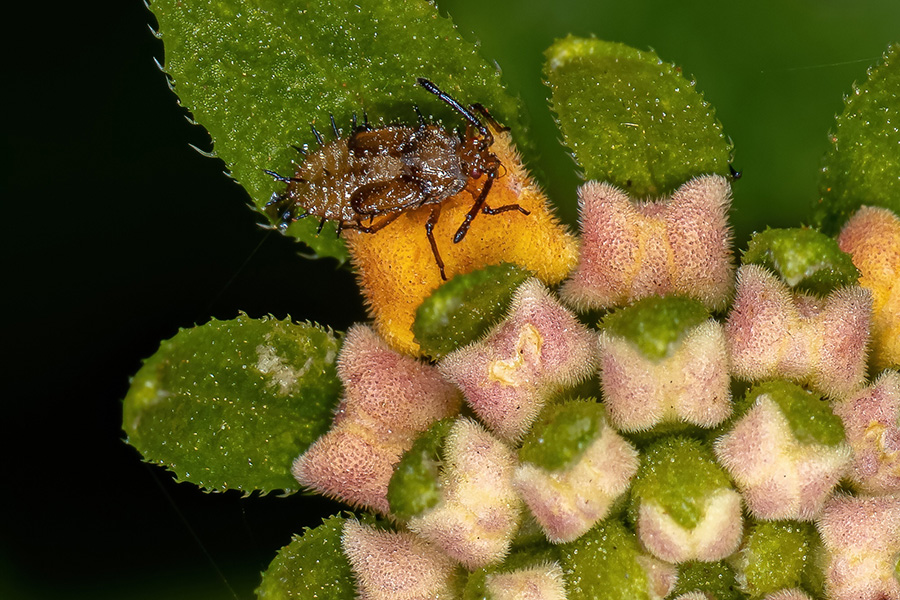
    The lantana lace bug is a serious pest of lantana. Although lantana is regarded as an invasive weed both in the United States and worldwide, many popular cultivars continue to be planted in residential and public ornamental landscapes and gardens. Previously, the lantana lace bug was deliberately introduced to several countries as a biological control agent for lantana. This resource covers the identification, biology, symptoms, and management of lantana lace bugs.

    Shimat V. Joseph and William G. Hudson

    |

    March 27, 2023
  • C 1258

    Fall Vegetable Gardening

    This publication covers fall vegetable production including planting dates, spacing, general culture of cool-season vegetables planted in Georgia in the fall. Many people consider the end of summer to be the end of gardening season. However, there is a whole other world of vegetables that can be planted in the fall garden in Georgia. Temperatures are milder, and there generally are fewer insects and diseases to contend with when planting in the fall. Cool-season vegetables are ironically planted in the late-summer heat, but thrive as they mature during cooler temperatures as the season progresses. Whether you choose to plant only a cover crop or to try your hand at some cool-season vegetables, planting for the fall growing season will keep your garden productive all year long.

    Bob Westerfield

    |

    March 15, 2023
  • C 1047-2

    Removing Mold in Your Home

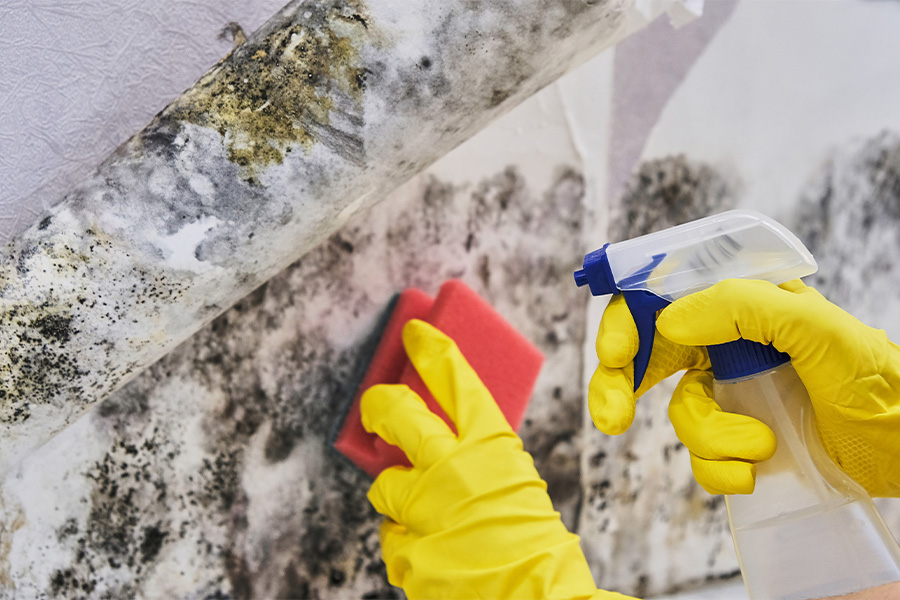
    Mold grows from spores, which are found naturally in the air and cannot be seen by the naked eye. Do a complete inspection of your home using the UGA Mold and Moisture Checklist. The key to controlling mold is to eliminate the source of the moisture problem.

    Ashlee Tziganuk, Jackie E. Ogden, and Melanie Badding

    |

    March 1, 2023
  • C 1047-1

    Preventing Mold in Your Home

    Mold in your home is not only unsightly, it can also cause health problems. If you have mold growing in your home, you may experience allergy-like symptoms, asthma attacks, or other negative health effects. Learn how to prevent mold from becoming a problem in your home.

    Ashlee Tziganuk, Jackie E. Ogden, and Melanie Badding

    |

    March 1, 2023
Previous Page
1 … 99 100 101 102 103 … 167
Next Page

About CAES

CAES Home

Overview

History

Administration

Jobs

Personnel Directory

Privacy Policy

Accessibility Policy

AI Guidelines

Affiliations

UGA Cooperative Extension

Tifton Campus

Griffin Campus

University of Georgia
  • Schools and Colleges
  • Directory
  • MyUGA
  • Employment Opportunities
  • Copyright and Trademarks
  • UGA Privacy Policy
  • Report an Accessibility Barrier
  • Submit a Student Complaint
#UGA on
© University of Georgia, Athens, GA 30602
706‑542‑3000