Entomology
-

This resource introduces the effective and environmentally friendly use of trap crops as an alternative to controlling damaging insects in the vegetable garden. Trap crops are sacrificial plants that can draw damaging insects away from valuable crops.
|
-

This publication describes ways to identify and manage cowpea curculio damage in Southern pea.
|
-
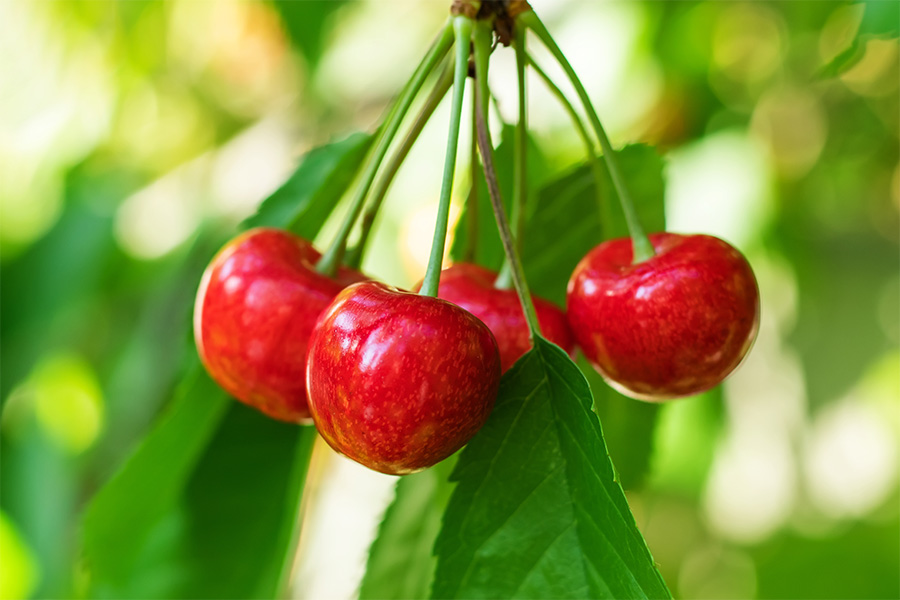
Many types of fruits and nuts can be grown in Georgia due to our mild climate. This publication provides an outline of the culture and management of the exotic and uncommon fruits and nuts that can be grown in Georgia.
|
-

Georgia ranks in the nation’s top 10 in cowpea (southern pea, Vigna unguiculata) production, with estimates of more than 4,900 acres grown in approximately 49 of 159 counties in the state in the 2014 production season. Colquitt County, located in southwest Georgia, leads the state in production with 1,900 acres. This cowpea crop profile is the first in the Southeast United States and will support cowpea growers, pest manager, and state research and Extension grant proposal applications.
|
-
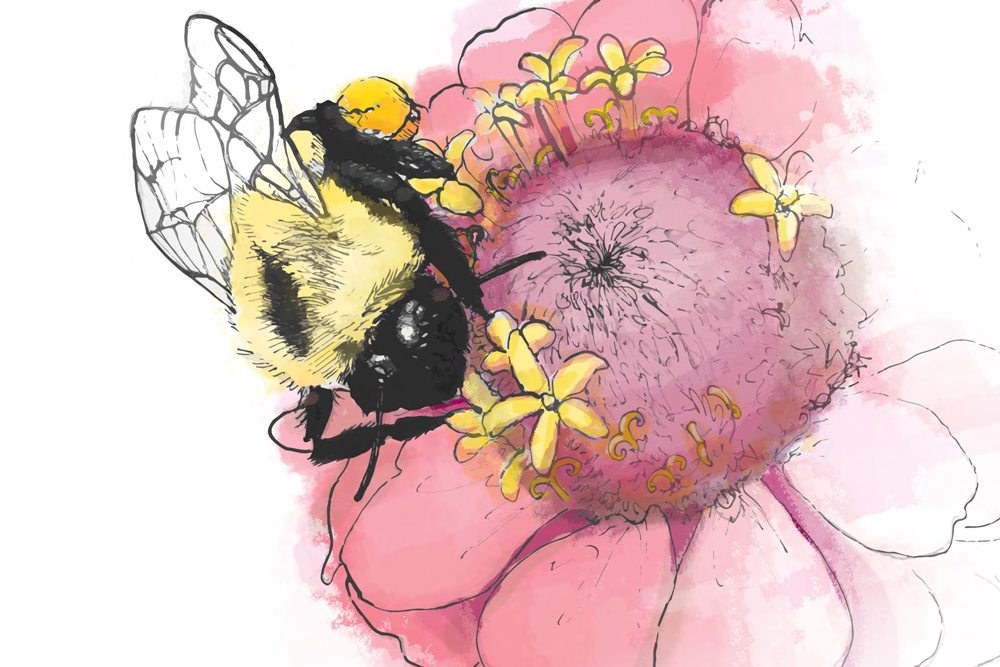
A pollinator-friendly and ecologically sustainable garden is both beautiful and able to attract and sustain beneficial insects, reducing the need for pesticides. This publication is based on new research in habitat management for purposes of planting insect-attracting plant species in order to intentionally draw insects to garden areas and urban landscapes. This is done by providing a refuge for the insects during winter and nectar and pollen resources. Plant selection directly affects beneficial insect populations, those insects that can provide ecological benefits such as biodiversity and natural pest control. This concept of “habitat management” can lead to potential increases in pollinating and other beneficial insect populations. An increase in these populations in landscapes will contribute to improved pollination of plants and biological pest control and reduce the need for pesticides.
|
-

This is an in-depth publication covering Culture and Varieties,
Soils and Fertility, Irrigation, Sprayers, Diseases, Insect Management, Weed Control, Food Safety and Sanitation, Harvest/Post-Harvest and Waste Management, Marketing, Production Costs, and Organic Production of commercial snap bean production in Georgia.|
-

Currently, most construction waste is put in dumpsters and taken to a construction and demolition (C&D) landfill. However, several residential construction wastes can be recycled or reused as part of a “green” building practice. These include cardboard, metals, scrap wallboard, and wood waste. This publication provides you the information you need for on-site reuse of wood wastes at a residential construction site.
|
-
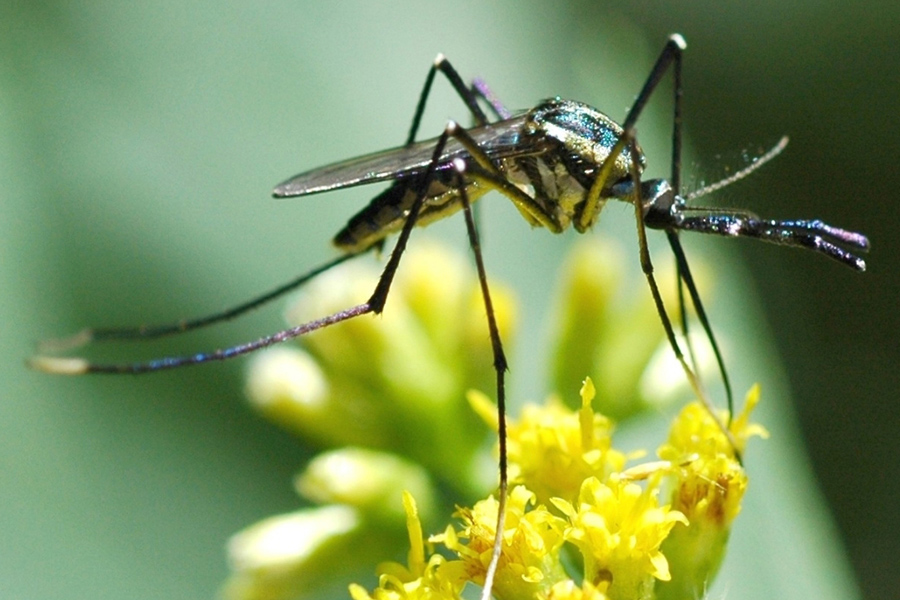
This publication contains descriptions and images, as well as methods of control, for common stinging and biting pests found in Georgia, including: bees, wasps, hornets, fire ants, scorpions, caterpillars, spiders, chiggers and flies.
|
-

This resource helps readers identify and manage tawny crazy ants, a highly invasive species from South America. The ant somewhat resembles invasive Argentine ants (also known as sugar ants).
|