UGA College of Agricultural & Environmental Sciences Field Report
  • Stories
    Almanac

    Science in service of humanity and the environment

    Read our annual magazine here

    READ


    Dive into engaging stories that showcase our statewide, national and global impact.

    Check out our written stories here

    LOOK


    Browse curated photo galleries capturing the people, places and programs that bring CAES to life.

    Check out our photo galleries here

    WATCH


    Experience our stories through videos that highlight our people, projects and passions in action.

    Check out our video library here

    LISTEN


    Tune in to “Cultivating Curiosity,” our podcast featuring in-depth conversations with CAES experts.

    Check out our podcast here
  • Expert Resources

    Expert Resources


    Gardening
    Invasive species
    Food and food safety
    Ants, termites and other pests
    Pollinators
    Livestock
    Emergency preparedness
    Home safety and maintenance
    Health, family and finances
    Nutrition
    Water quality
    Lawn maintenance and landscaping
    Turfgrass
    View all topics

    What is an Expert Resource?


    We publish unbiased, research-backed expert advice to empower Georgians with practical, trustworthy information they can trust.

    These resources are written and reviewed by experts in the UGA College of Agricultural and Environmental Sciences and the UGA College of Family and Consumer Sciences.

    Learn how we produce science you can trust
  • Events
  • Contact
  • Read
  • Look
  • Watch
  • Listen
Subscribe
  • LinkedIn
  • Facebook
  • Instagram
  • Stories
    Almanac

    Science in service of humanity and the environment

    Read our annual magazine here

    READ


    Dive into engaging stories that showcase our statewide, national and global impact.

    Check out our written stories here

    LOOK


    Browse curated photo galleries capturing the people, places and programs that bring CAES to life.

    Check out our photo galleries here

    WATCH


    Experience our stories through videos that highlight our people, projects and passions in action.

    Check out our video library here

    LISTEN


    Tune in to “Cultivating Curiosity,” our podcast featuring in-depth conversations with CAES experts.

    Check out our podcast here
  • Expert Resources

    Expert Resources


    Gardening
    Invasive species
    Food and food safety
    Ants, termites and other pests
    Pollinators
    Livestock
    Emergency preparedness
    Home safety and maintenance
    Health, family and finances
    Nutrition
    Water quality
    Lawn maintenance and landscaping
    Turfgrass
    View all topics

    What is an Expert Resource?


    We publish unbiased, research-backed expert advice to empower Georgians with practical, trustworthy information they can trust.

    These resources are written and reviewed by experts in the UGA College of Agricultural and Environmental Sciences and the UGA College of Family and Consumer Sciences.

    Learn how we produce science you can trust
  • Events
  • Contact
  • Read
  • Look
  • Watch
  • Listen
Subscribe
  • LinkedIn
  • Facebook
  • Instagram
Subscribe
  • LinkedIn
  • Facebook
  • Instagram
  1. Home
  2. Stories
  3. Story Topics
  4. Departments and Units
  5. Entomology

Entomology

Use the Advanced Search
  • Africanized Honey Bees

    B 1290

    Africanized Honey Bees

    Honey bees are among the most well-known and economically important insects. They produce honey and beeswax, and pollinate many crops. In spite of the alarm surrounding Africanization, these bees have not caused widespread or permanent chaos. Dramatic stinging incidents do occur, but the quality of life for most people is unaffected. Typically, the commercial beekeeping industries of Africanized areas suffer temporary decline and then eventually recover.

    Keith S Delaplane

    |

    Jan. 5, 2026
  • Peanut Production Field Guide

    B 1146

    Peanut Production Field Guide

    The peanut production guide includes varieties, agronomic practices, pest management, irrigation management, equipment maintenance, maturity, and harvest practices.

    Timothy Branner Brenneman, Pam Knox, Ronald Scott Tubbs, Walter Scott Monfort, Cristiane Pilon, and Glendon H. Harris

    |

    Jan. 5, 2026
  • B 1065

    Care of Ornamental Plants in the Landscape

    This resource provides guidelines for the care of established ornamental plants in the landscape. Low-maintenance alternatives to traditional cultural practices are discussed throughout.

    Bodie V. Pennisi

    |

    Jan. 5, 2026
  • B 1045

    Honey Bees and Beekeeping

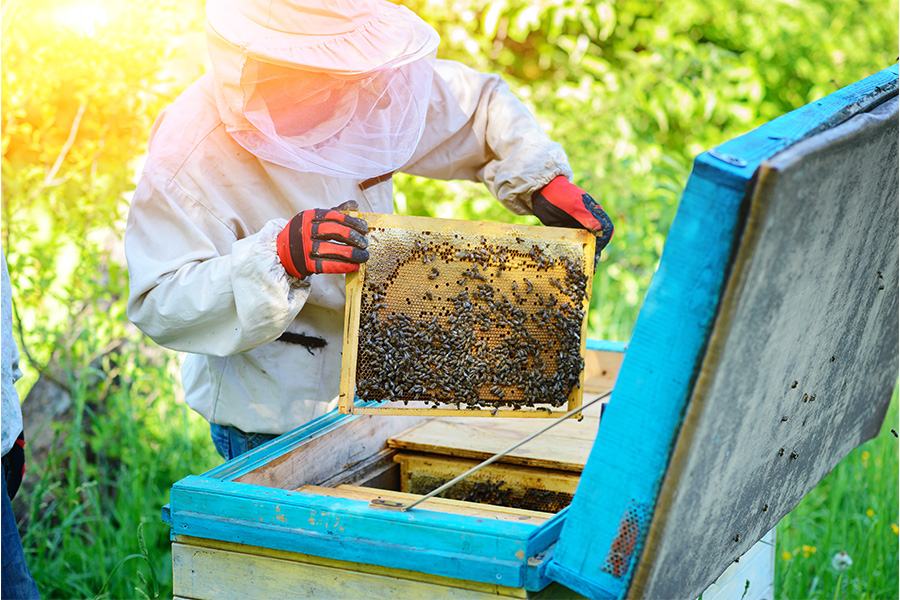
    Honey bees are commonly kept in artificial hives throughout the United States, and a large and sophisticated beekeeping industry provides valuable honey, beeswax and pollination services. A large section of the industry, well represented in Georgia, is devoted to mass-producing queens and bees for sale to other beekeepers.

    Keith S Delaplane

    |

    Jan. 5, 2026
  • C 1358

    Protecting Ground-Nesting Bees in Urban Landscapes

    Bees are among the most populous, diverse, and effective pollinators. Approximately 70% of bee species nest in the ground, spending their larval and pupal stages underground. This resource helps residents understand how to help these bees as continued urbanization threatens natural spaces and land degradation, pollution, and habitat destruction present serious challenges to sustaining bee populations.

    Zia Valerie Williamson and Shimat V. Joseph

    |

    Nov. 11, 2025
  • C 1361

    Blueberry Gall Midge: Biology and Management

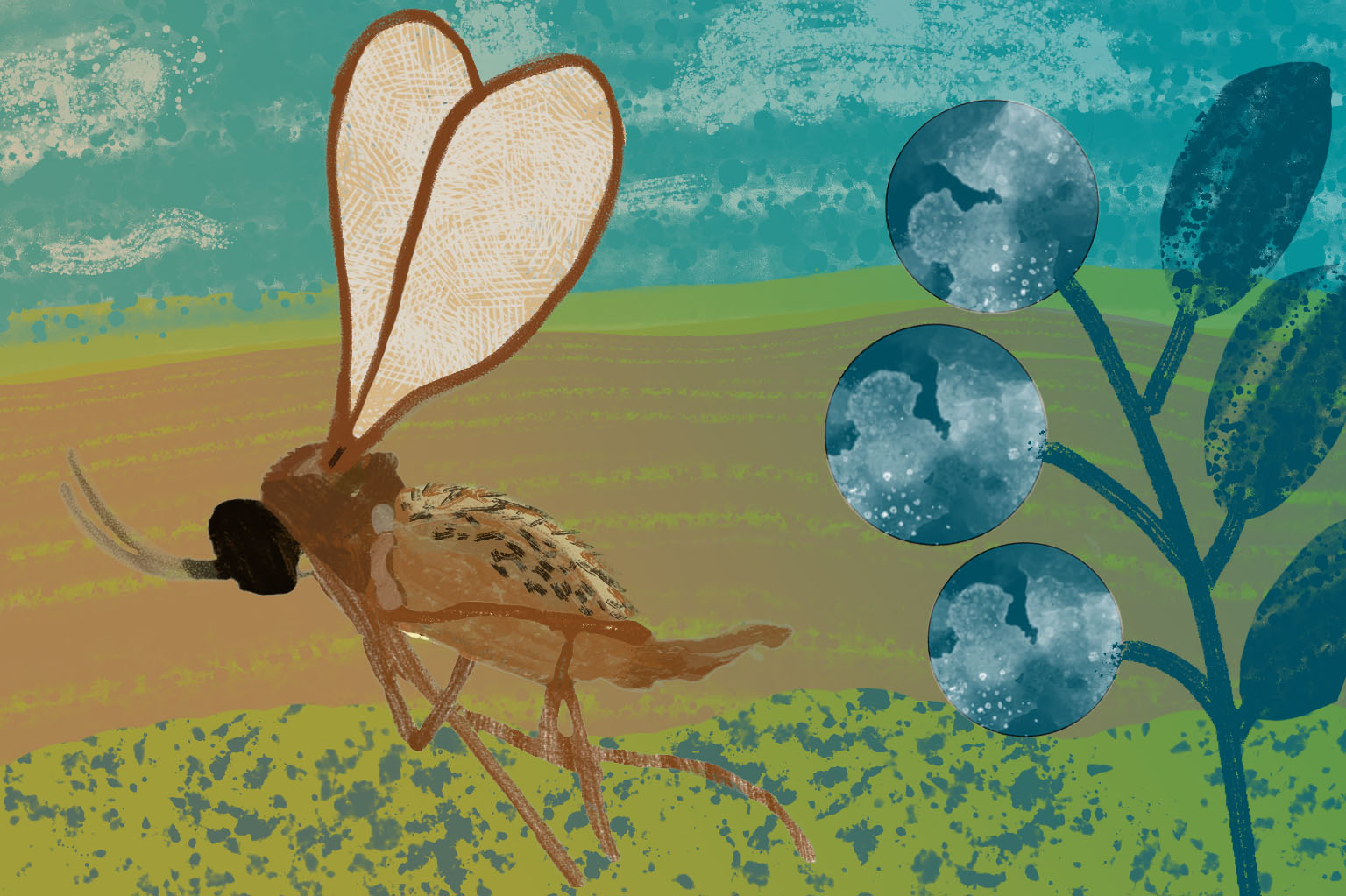
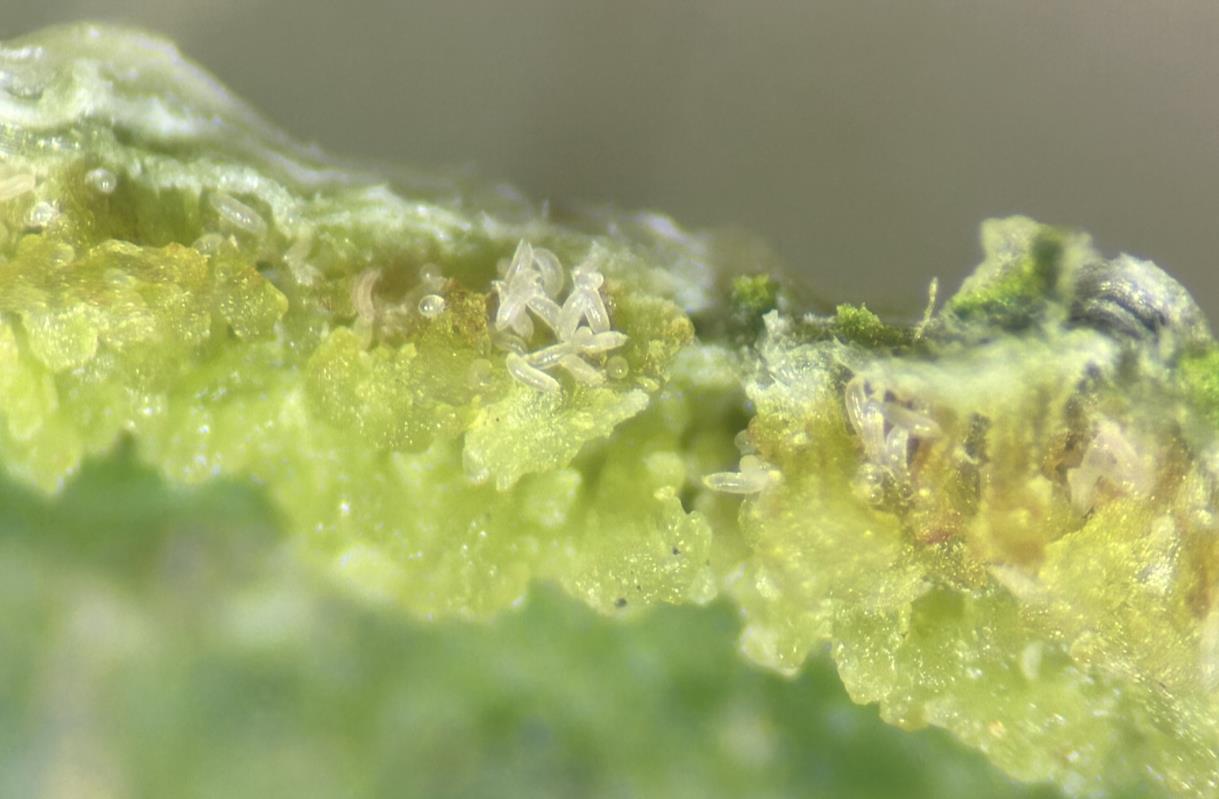
    Blueberry gall midge, a small fly native to North America, has emerged as one of the serious pests of blueberries in Georgia. Severe gall midge infestations can cause up to 80% crop loss without proper intervention. Bud sampling to monitor for larvae is the only way to confirm its presence. Insecticide sprays need to be timed to target adult midges before they have a chance to lay eggs.

    Craig R Roubos and Ashfaq A. Sial

    |

    Nov. 3, 2025
  • C 1360

    Impact of Pecan Leafroll Mite on Pecan Trees 

    The pecan leafroll mite is a noninsect pest of pecan trees. Eriophyid mites are a significant group of plant-feeding mites that infest annual and perennial plants. They often go unnoticed because of their very small size and the fact that they usually reside within plant tissues. In Georgia pecans, damage from the pecan leafroll mite damage is typically observed from May and persist until nut harvest, and regular monitoring of mite populations is needed to prevent severe infestations and to ensure effective management.

    Shivakumar Veerlapati and Apurba Barman

    |

    Nov. 3, 2025
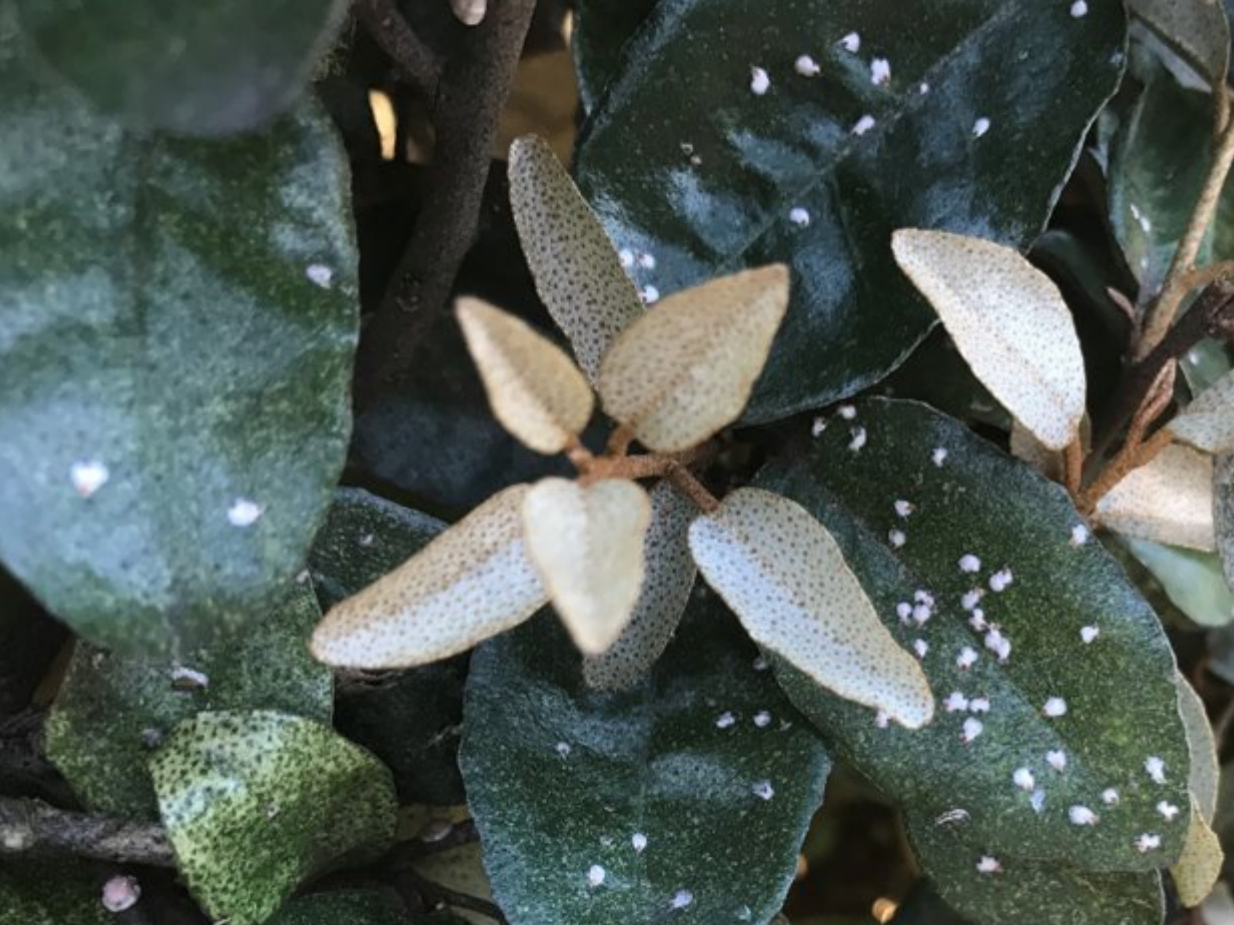
  • lighter spots of infection contrast against the darker leaves of a plant

    C 1359

    White Spots on Leaves? It Could Be False Oleander Scale—Learn to Identify and Manage It

    False oleander scale, which appears as white spots on leaves, is an invasive pest on ornamental plants. It is prevalent in Georgia and poses a significant threat to the aesthetic value of ornamental plants in the nursery and landscape.

    Shimat V. Joseph

    |

    Oct. 23, 2025
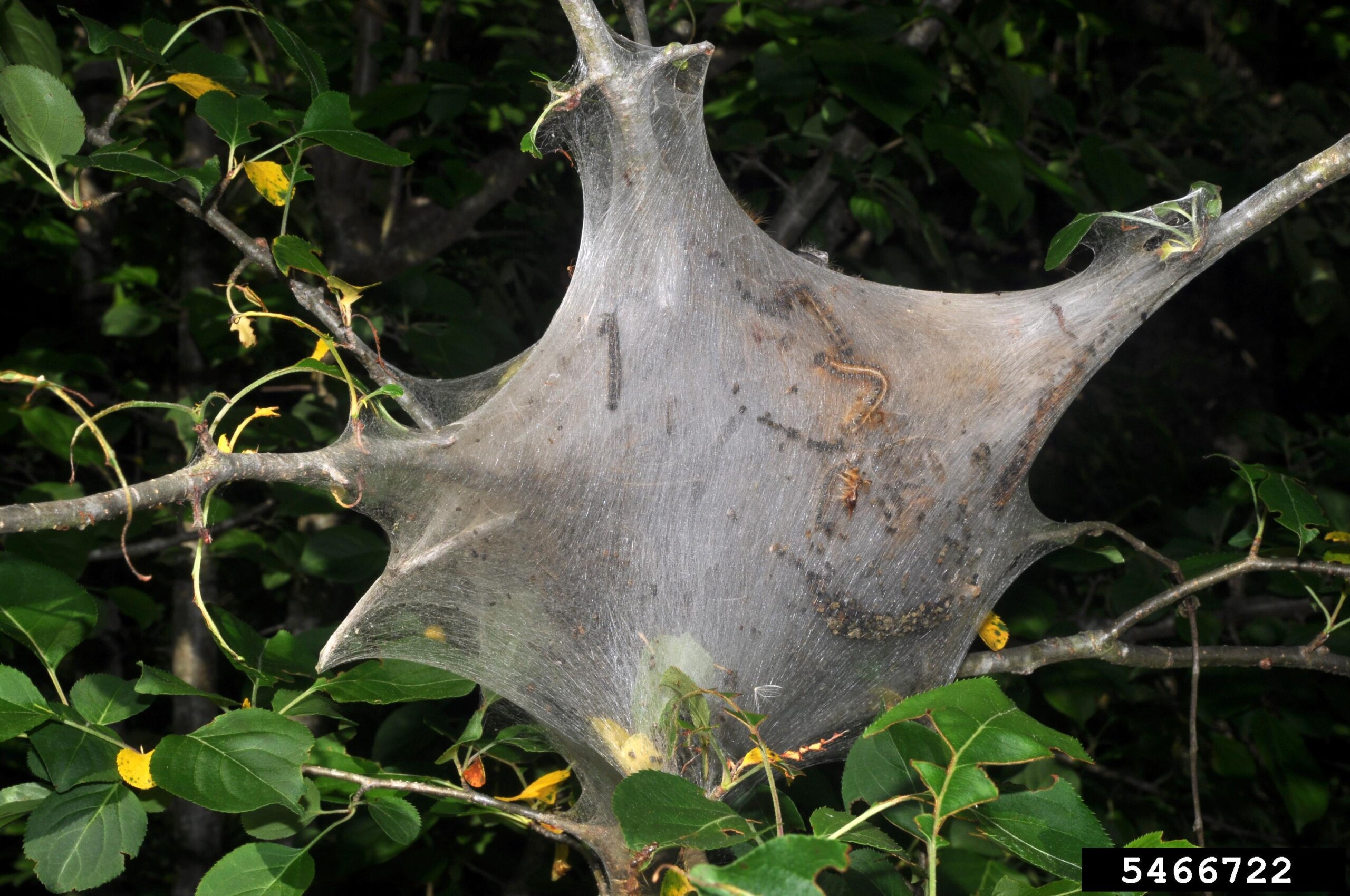
  • In this photo a tent made of webbing and filled with caterpillars adorns the branches of a tree.

    C 1357

    Tent Caterpillars: Pests That Defoliate Trees 

    In North America, six species of tent caterpillars are found. The forest and Eastern tent caterpillars occur in Georgia, and can damage the aesthetic value of landscapes. There are several management strategies that work against tent caterpillars and this resource will help you identify and control them.

    Kavitha Patchipala and Shimat V. Joseph

    |

    Oct. 10, 2025
Previous Page
1 … 3 4 5 6 7 … 23
Next Page

About CAES

CAES Home

Overview

History

Administration

Jobs

Personnel Directory

Privacy Policy

Accessibility Policy

AI Guidelines

Affiliations

UGA Cooperative Extension

Tifton Campus

Griffin Campus

University of Georgia
  • Schools and Colleges
  • Directory
  • MyUGA
  • Employment Opportunities
  • Copyright and Trademarks
  • UGA Privacy Policy
  • Submit a Student Complaint
#UGA on
© University of Georgia, Athens, GA 30602
706‑542‑3000