Environment Resources
-

Wild bees are effective pollinators of crops and native flowers, shrubs, and trees. They are naturally present and can supplement honey bees in apple pollination. Boosting their numbers by habitat development and conservation can be of considerable commercial and ecological value to producers and consumers. This guide is intended to highlight most common wild bees in North Georgia apple orchards.
|
-
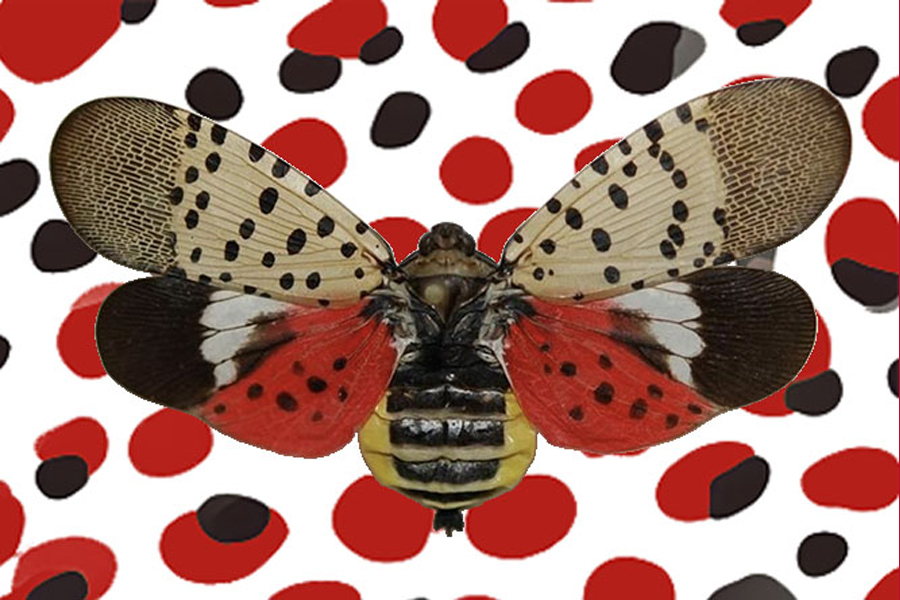
The spotted lanternfly is an invasive planthopper that can feed on a wide range of trees in the United States. The potential economic and environmental impact of spotted lanternflies is alarming, and threatens not only the livelihoods of many but also the biodiversity and beauty of our landscapes.
|
-

Perfluoroalkyl and polyfluoroalkyl substances (PFAS) are a group of more than 9,000 manmade chemicals that have been in use worldwide since 1940, primarily in industry and numerous commercial and consumer products. The widespread use of PFAS for the past several decades has raised concerns due to their persistence, bioaccumulative nature, and potential adverse health effects. This resource provides information about the background, uses, and environmental and human health consequences of PFAS chemicals.
|
-

Communities across Georgia are subject to a number of potential disasters such as fires, flooding, severe storms, earthquakes, dam failures, tornados and hurricanes. While we all hope that such occurrences never happen, it has been shown time and again that being prepared for disasters is prudent. This handbook contains a step-by-step guide to disaster planning along with other essential information you will need in building a comprehensive home emergency preparedness plan. Be sure to involve all the members of your household when developing your plan. A plan will only work when everyone knows about it and agrees to operate within its guidelines.
|
-

AP 133-1
Hurricane Helene Impact Report
We estimate that Hurricane Helene’s damages to Georgia agriculture and forestry will cost the state economy at least $5.5 billion in 2024 present value. This figure represents the sum of direct crop losses, losses to firms that support agriculture and forestry, losses to workers in those and related industries, and the recovery and restoration costs that firms in these industries will face. The Georgia Forestry Commission is a collaborator with UGA on this publication.
|
-
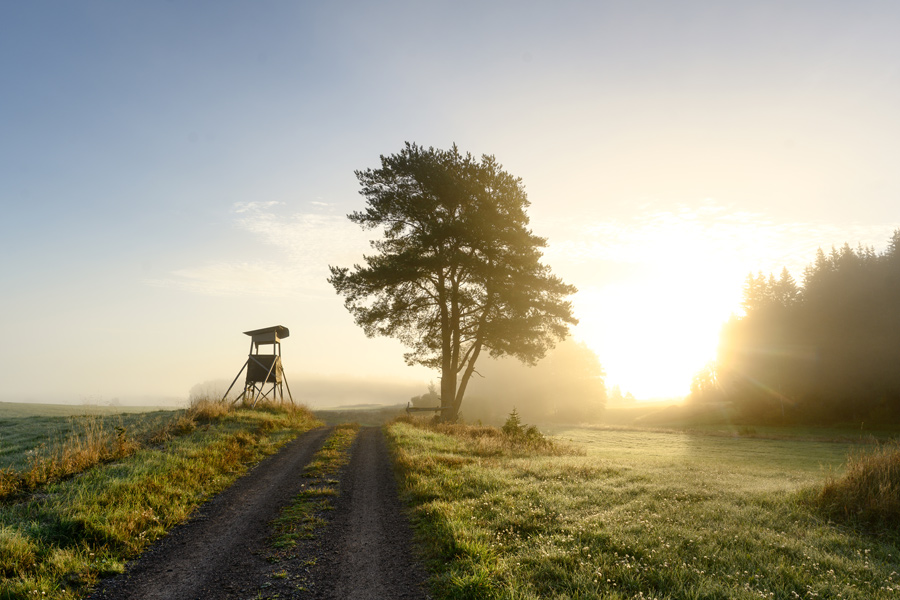
Leasing hunting land is one of several types of hunting enterprises that can be profitable for landowners, or can at least cover some of the costs of land ownership. This publication give you tips on creating an equitable lease agreement.
|
-
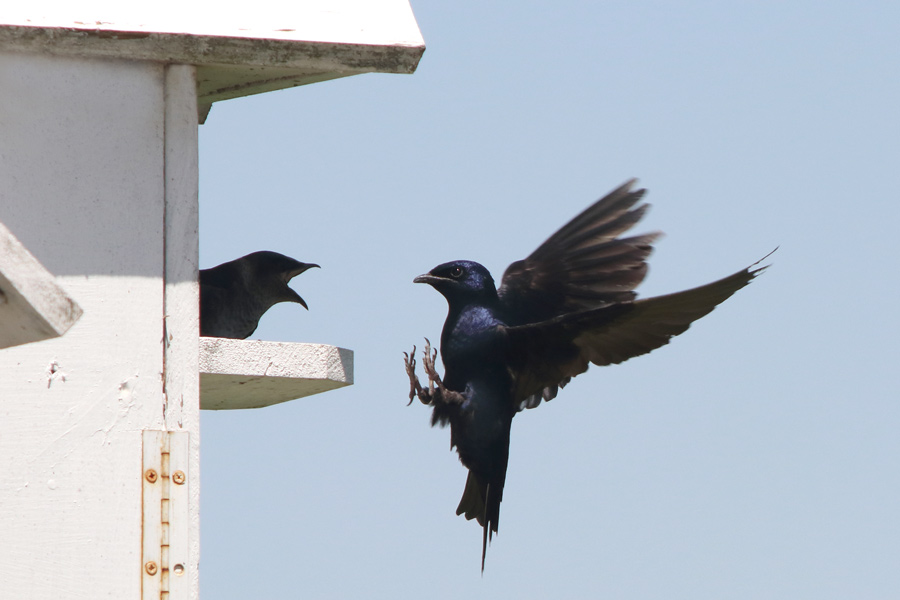
C 977
Purple Martins
Not too long ago, every farmhouse had boxes, gourds or other housing to attract purple martins. Martin houses are not as common today as they once were, but with increasing interest in our environment and nonchemical pest control, the martin is regaining popularity.
|
-
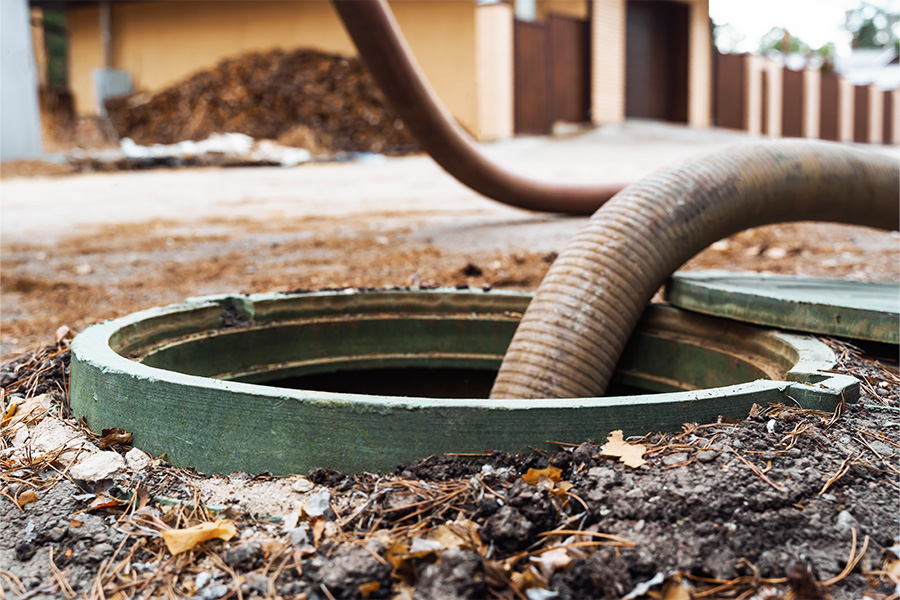
Many buildings and homes have on-site wastewater management systems, commonly called septic systems. Because septic systems are buried, it is easy to forget about them as they quietly, elegantly and efficiently maintain human and environmental health. Septic systems are the norm in rural areas, but they can be quite common in urban areas as well. It is important to know if your building is on a septic system. This publication explains the basics of septic systems.
|
-
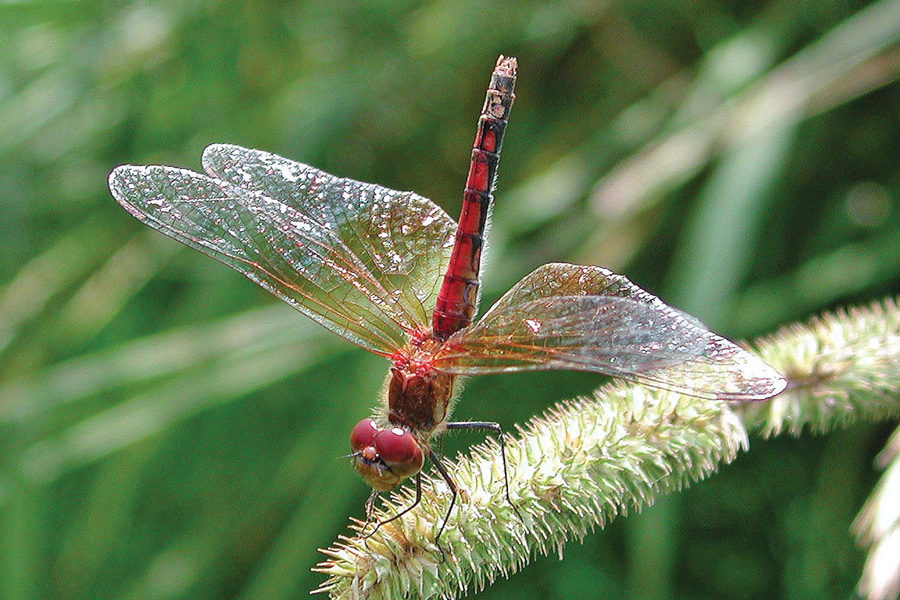
This publication contains photos and descriptions to help identify pests in Southeastern landscapes. Beneficial and pest insects are both included.
|