Environment Resources
-
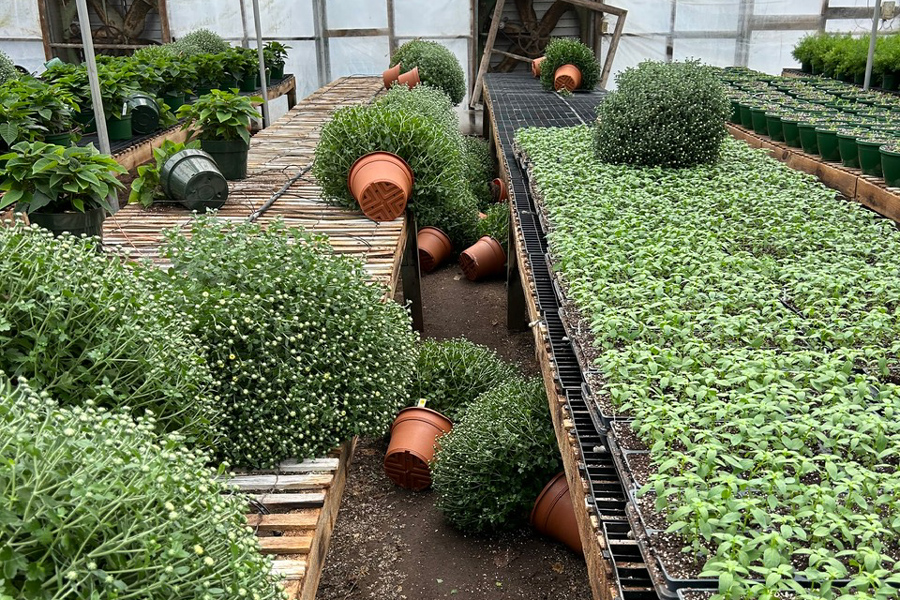
Hurricanes can cause severe damage to greenhouse structures and crops, both directly and indirectly. Strong winds, heavy rains, and flooding not only impact physical infrastructure, but also damage crops through exposure to extreme conditions. Additionally, disruptions to water, electricity, and logistics complicate production efforts.
This publication outlines common types of hurricane damage in greenhouses and provides recommendations on how growers can minimize the impact of such storms.|
-
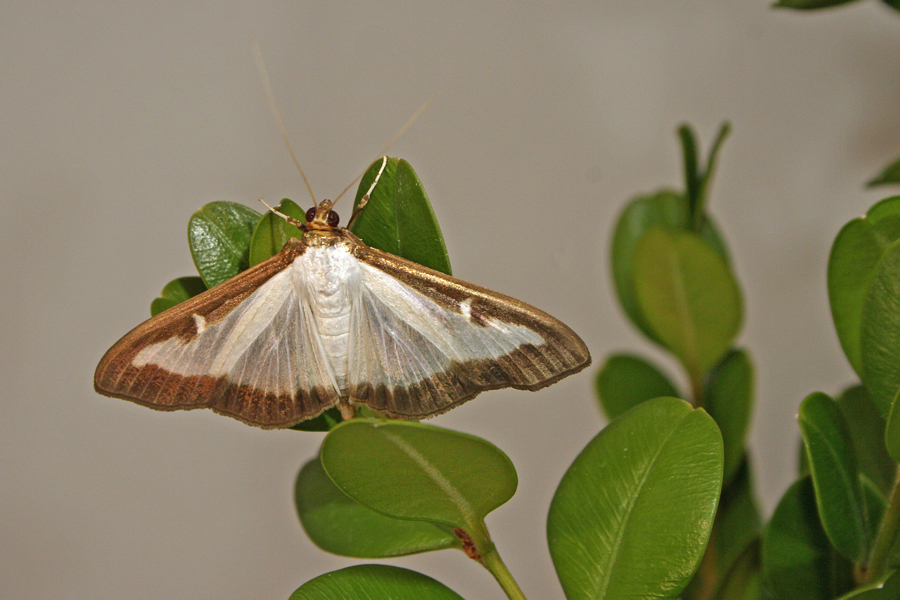
Box tree moth is an invasive pest of boxwood plants. It was introduced into New York in 2021 and has been reported in six other states. It has not been reported in Georgia yet. Boxwoods are an important ornamental evergreen shrub in the southeastern U.S., widely planted in residential, commercial, and public landscapes in both urban and suburban areas.
|
-
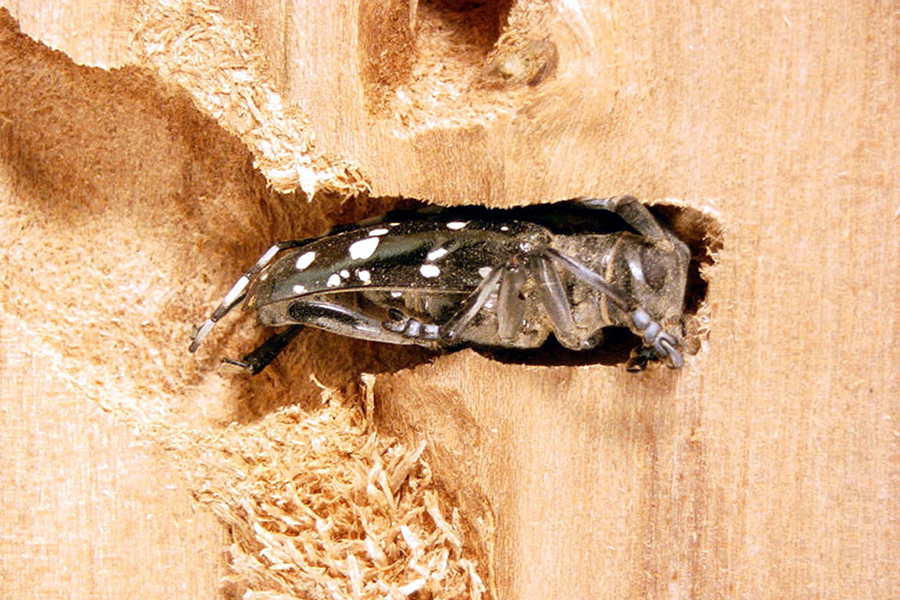
The Asian longhorned beetle is an invasive insect pest native to China and North and South Korea that threatens many hardwood trees in forests and landscapes in the United States. The pest is also referred to as the roundheaded borer because the segment below the head is round in shape.
|
-
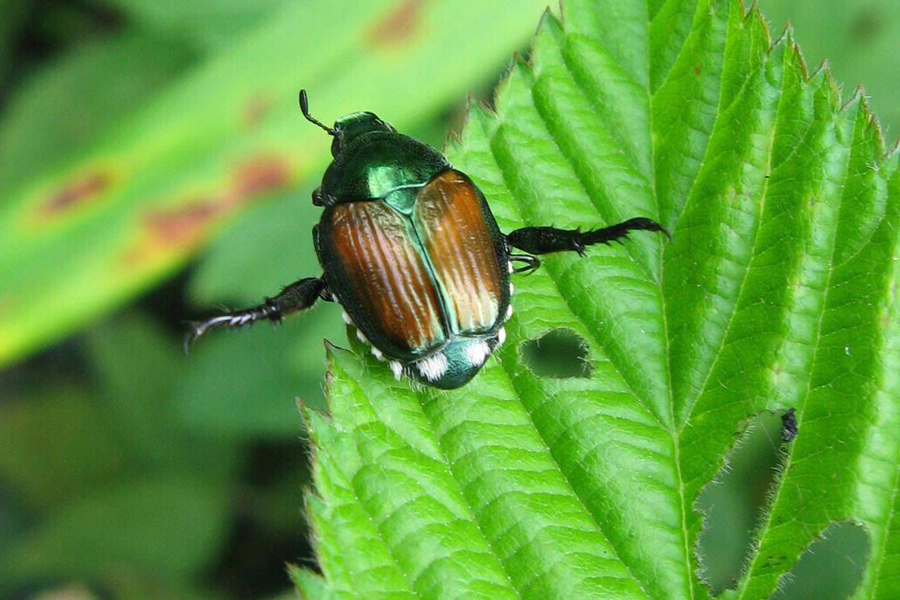
The Japanese beetle, as the name suggests, is native to Japan and was introduced to the U.S. through the transport of plant material. It is a highly devastating pest, attacking a variety of landscape and garden plants, fruit trees, field crops and turf. This circular provides an overview of Japanese beetles in the nursery and landscape, covering the biology, damage, monitoring, and management of this pest.
|
-
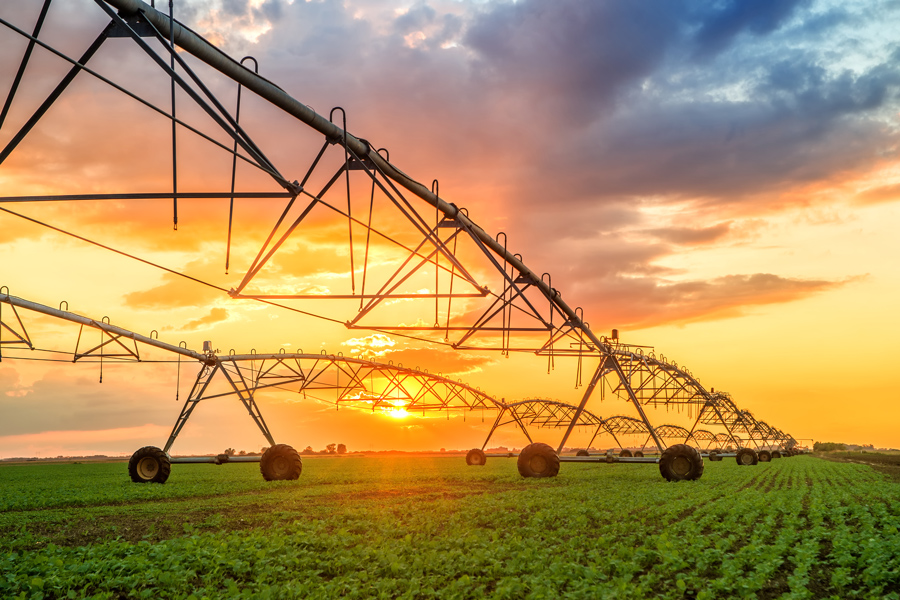
Crop water requirements are not static during the growing season. They vary with crop growth stages and environmental conditions. Advanced irrigation scheduling tools use data collected from or near the field where crops are growing to provide timely information on how much water crops need and when they need it, and generally result in optimizing irrigation water use.
|
-
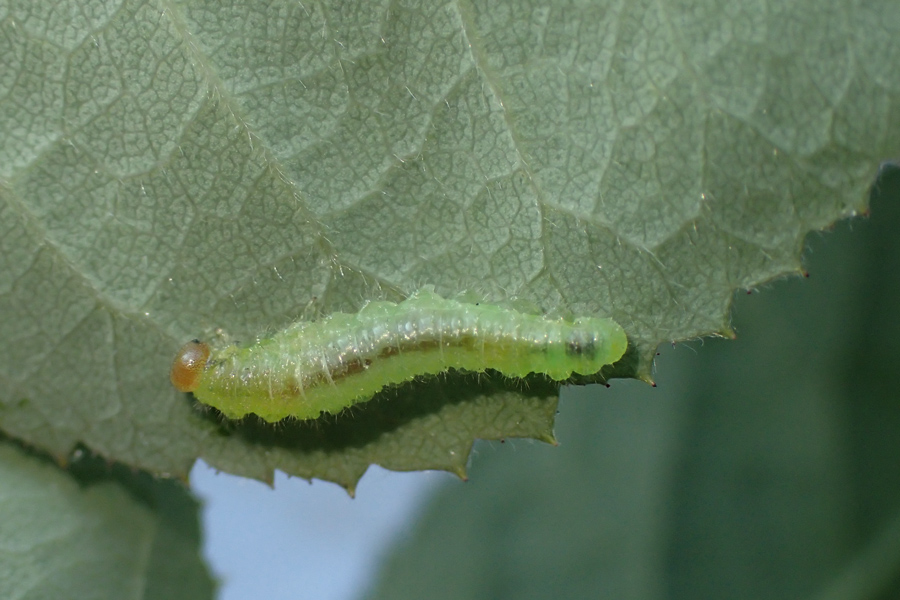
The bristly roseslug sawfly is a common species of roseslug in Georgia. The larval stages feed on rose leaves and cause extensive damage; it is particularly problematic on rose shrubs in ornamental landscapes. This publication tells you how to manage these pests in your gardens and landscapes.
|
-

This publication provides a clear and balanced comparison of plant-based and animal-based proteins in our food. It looks at the nutritional value, environmental impact, and health effects of each type of protein. The goal is to help readers understand more about these protein sources without saying whether one is better than another—in other words, to inform and educate, giving everyone the knowledge to learn about different dietary options.
|
-
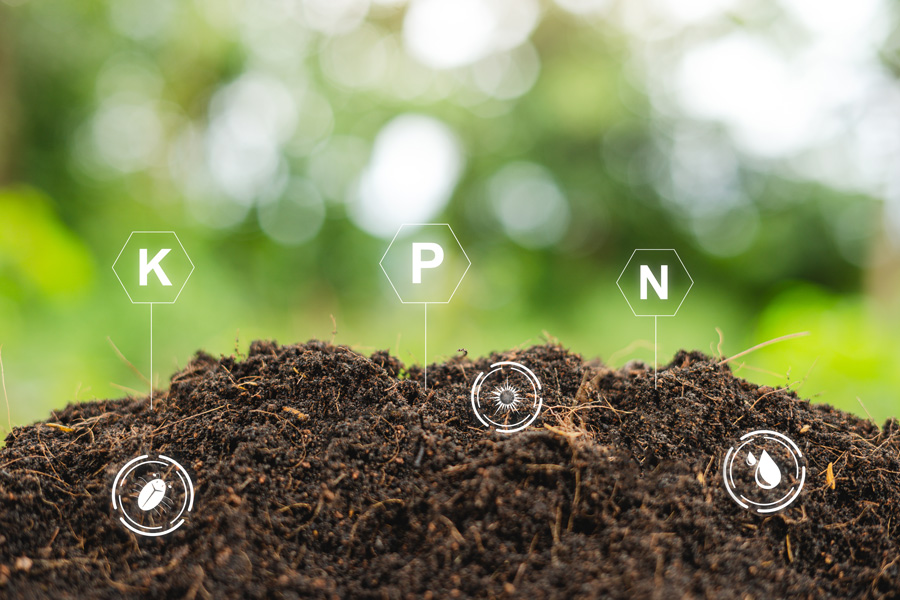
Proper use of treated industrial wastes contributes to the circular economy and reduces wastes that would have been disposed of in landfills or by incineration. This publication clarifies Georgia’s legal definition of “soil amendments” and highlights current policies governing the application of processed wastes on farm lands in Georgia. Compliance with these regulations maintains a quality environment in Georgia and ensures the long-term sustainability of manufacturing and food processing industries.
|
-

The juniper scale is a sporadic pest of juniper, cypress, and cedar trees in nurseries and landscapes in Georgia. It is an armored scale, where the wax cover is not a part of its body but can actually be separated from the body. Juniper scale feeds on plant fluid, and heavy infestations can reduce plant vigor, causing needle drop and twig color change from green to brown. Find out how to identify and manage this pest.
|