Environment Resources
-

Bees are among the most populous, diverse, and effective pollinators. Approximately 70% of bee species nest in the ground, spending their larval and pupal stages underground. This resource helps residents understand how to help these bees as continued urbanization threatens natural spaces and land degradation, pollution, and habitat destruction present serious challenges to sustaining bee populations.
|
-

This resource discusses getting rats and mice out of your house and yard.
|
-
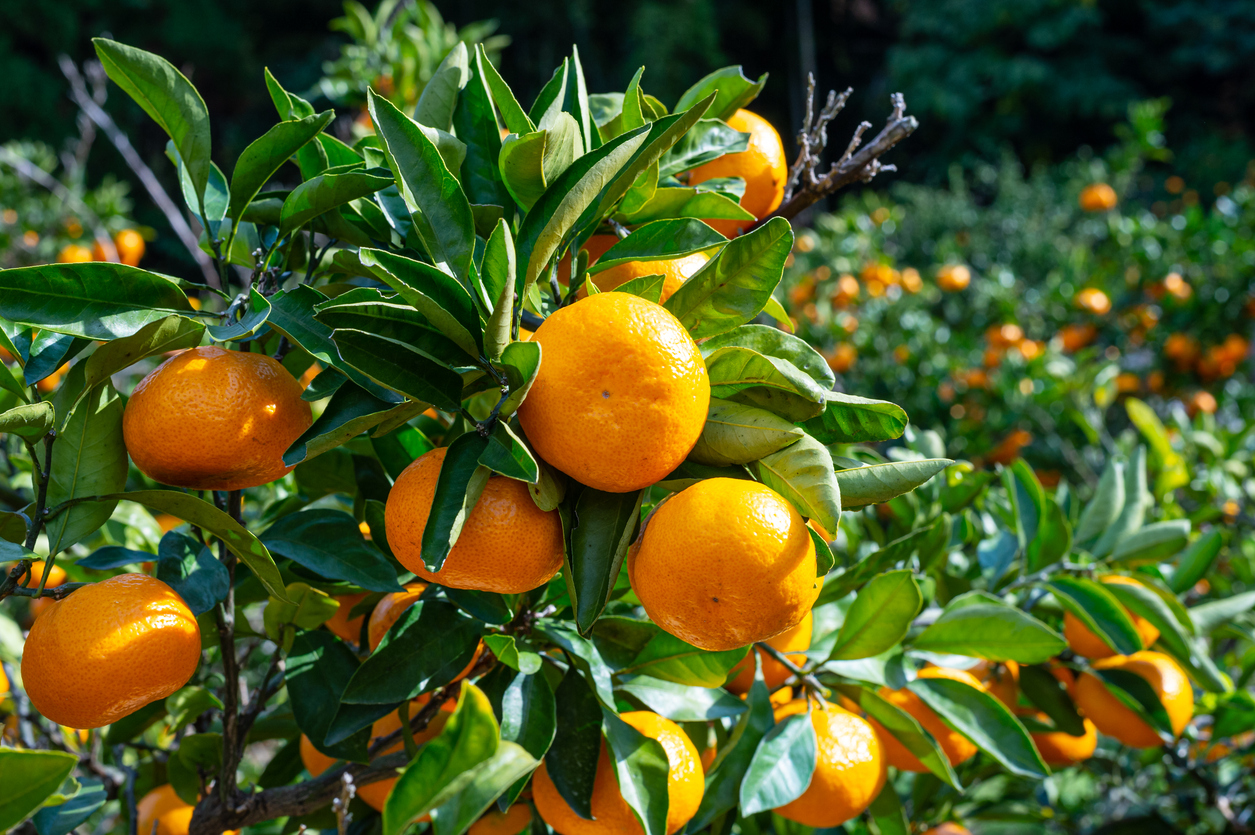
This resource provides citrus growers in Georgia with an overview of how different types of freeze events damage citrus trees, and both passive and active protection methods to protect citrus trees during freezes. Recovery from freeze events also is covered.
|
-
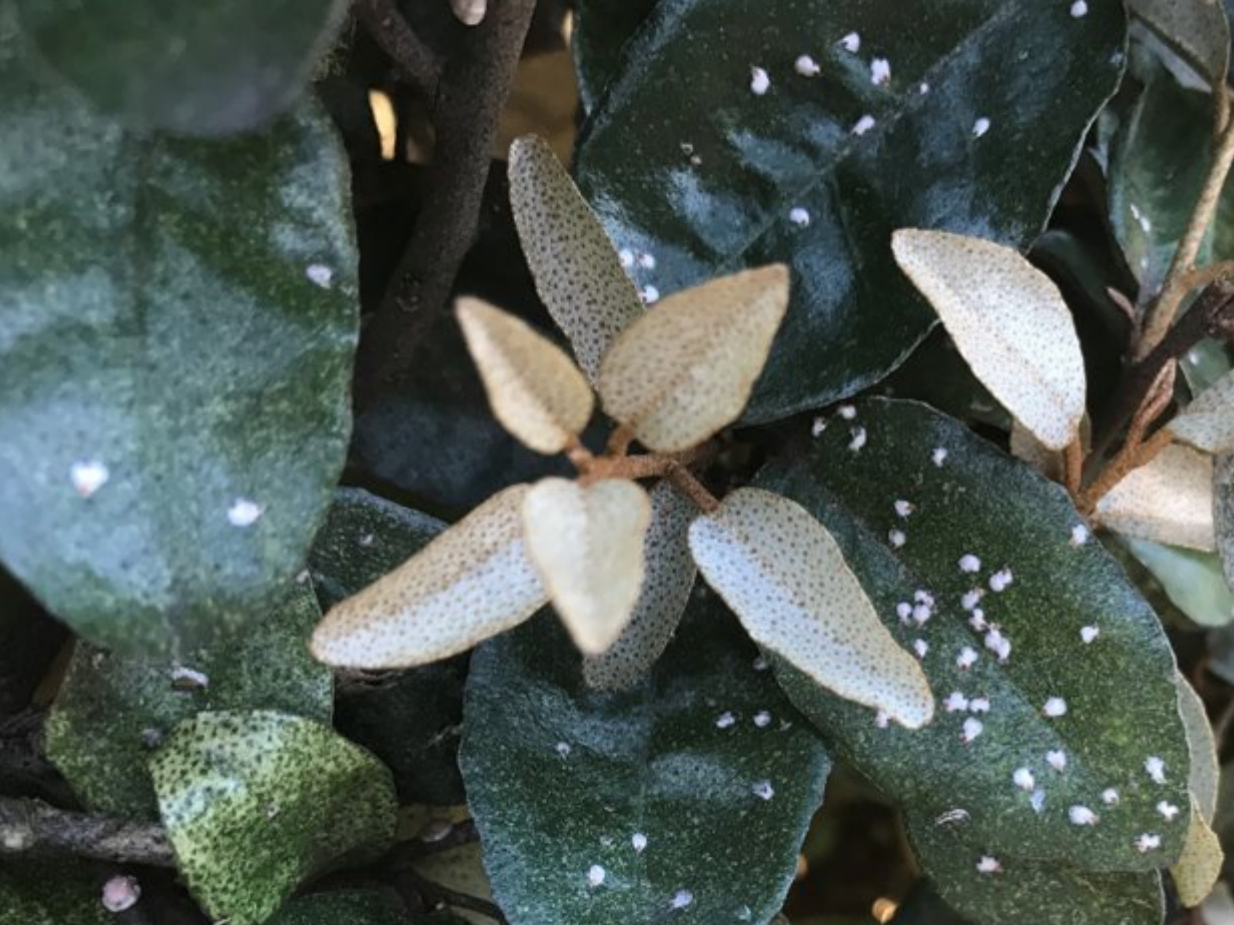
False oleander scale, which appears as white spots on leaves, is an invasive pest on ornamental plants. It is prevalent in Georgia and poses a significant threat to the aesthetic value of ornamental plants in the nursery and landscape.
|
-
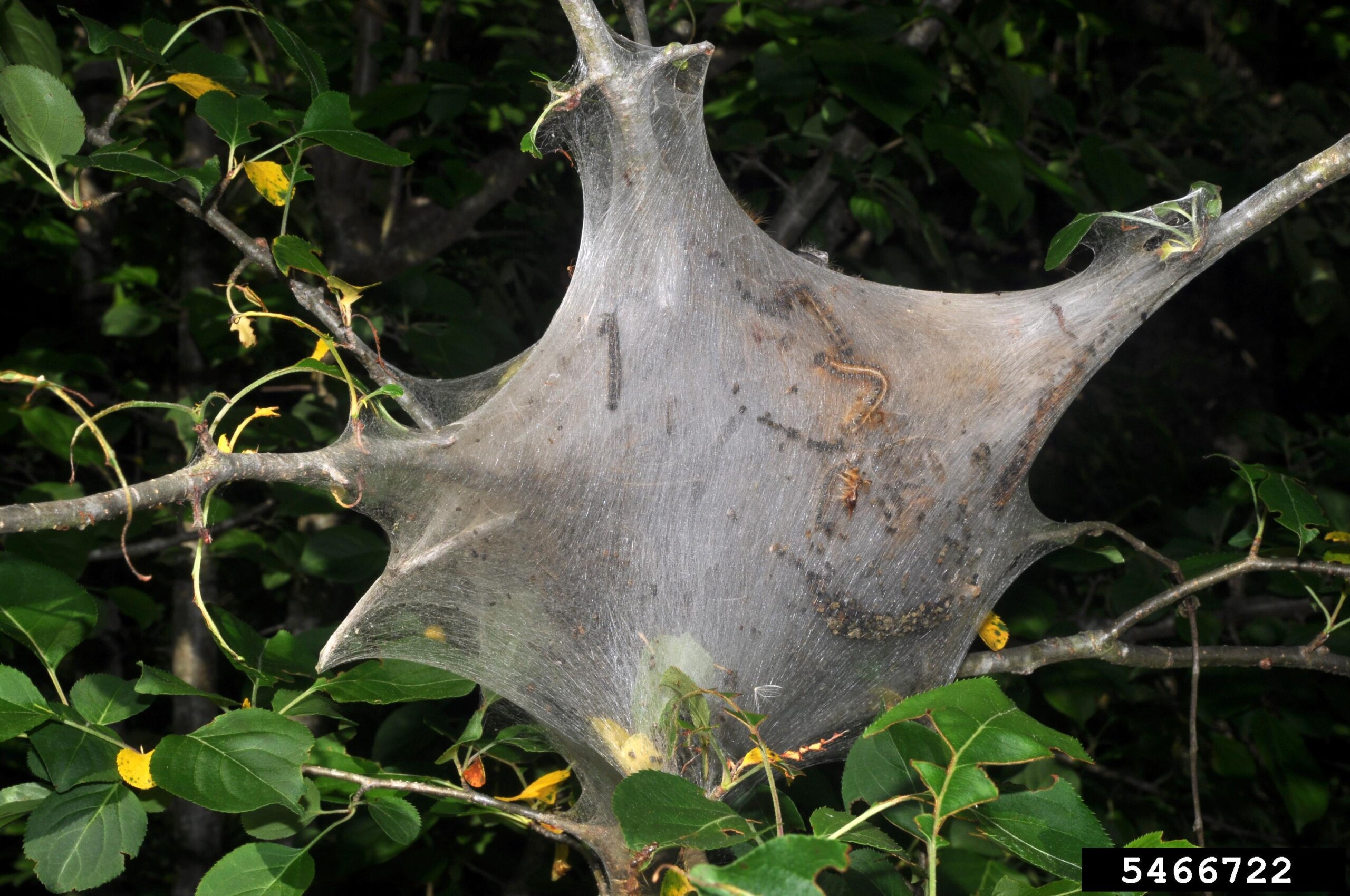
In North America, six species of tent caterpillars are found. The forest and Eastern tent caterpillars occur in Georgia, and can damage the aesthetic value of landscapes. There are several management strategies that work against tent caterpillars and this resource will help you identify and control them.
|
-

Our homes are filled with potentially hazardous household products we use for cleaning, gardening, auto maintenance and other activities around the house. These products may contain ingredients that can be hazardous when not used, stored, and disposed of properly. You can make your home safer and healthier by reducing exposure to hazards in your home by following these tips.
|
-
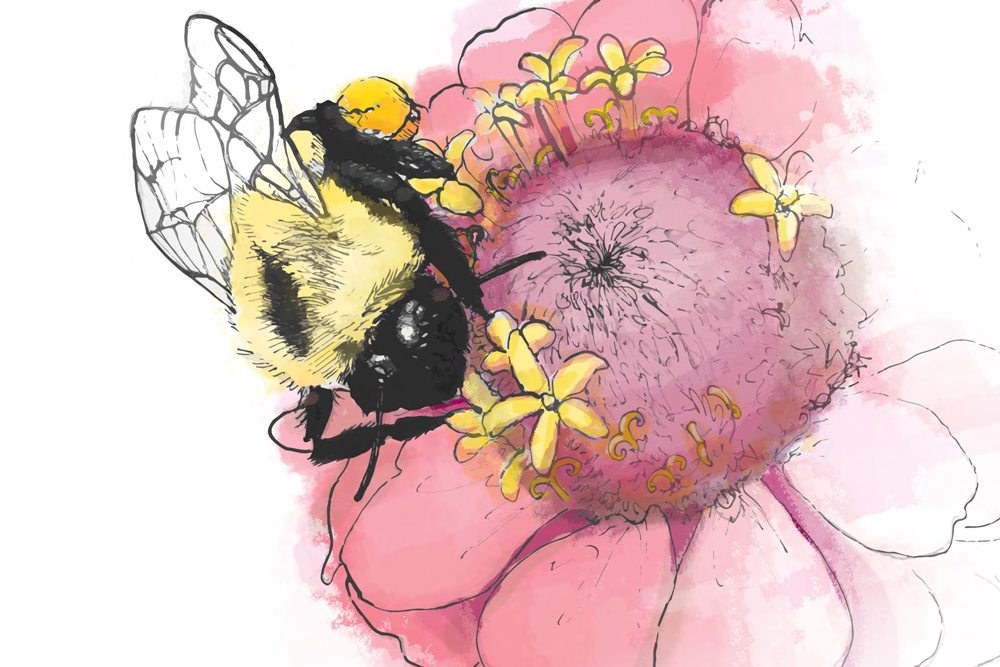
A pollinator-friendly and ecologically sustainable garden is both beautiful and able to attract and sustain beneficial insects, reducing the need for pesticides. This publication is based on new research in habitat management for purposes of planting insect-attracting plant species in order to intentionally draw insects to garden areas and urban landscapes. This is done by providing a refuge for the insects during winter and nectar and pollen resources. Plant selection directly affects beneficial insect populations, those insects that can provide ecological benefits such as biodiversity and natural pest control. This concept of “habitat management” can lead to potential increases in pollinating and other beneficial insect populations. An increase in these populations in landscapes will contribute to improved pollination of plants and biological pest control and reduce the need for pesticides.
|
-
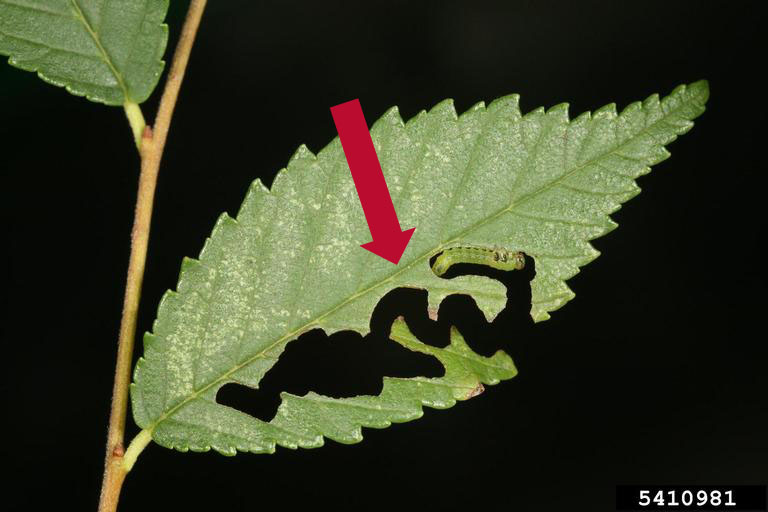
The invasive elm zigzag sawfly is a small wasp that has been reported in nine U.S. states, where it poses a threat to elm trees.
|
-

European hornets are widespread across much of the eastern United States. Native to Europe and Asia, they were accidentally introduced to North America in the mid-1800s. The European hornet is the largest species found in the United States and is particularly common in Georgia.
|