Environment Resources
-

This resource provides an overview of water spinach cultivation for Georgia. Water spinach is an important part of the cuisine of a number of cultures. However, it can spread easily in waterways and is considered a noxious weed in many places. This resource addresses responsible production of water spinach, if permitted by the state of Georgia.
|
-
Pathogens in household waters pose a serious threat to human health. The CDC has recorded many drinking water microbial-associated disease outbreaks in the U.S., causing illness, hospitalization, and even death. To protect human health, disinfection is considered important in most water treatment systems. This publication provides necessary information on the various disinfection options for household water as well as important points to consider before buying disinfection equipment.
|
-
C 858-3
Home Water Quality and Treatment
The quality of your water supply can have both an immediate and a prolonged effect on the health of your household. Many Americans, especially those dependent upon well water, assume that their water is safe and healthy. Unfortunately, this is not always the case. This publication contains basic information about home water quality and treatment.
|
-
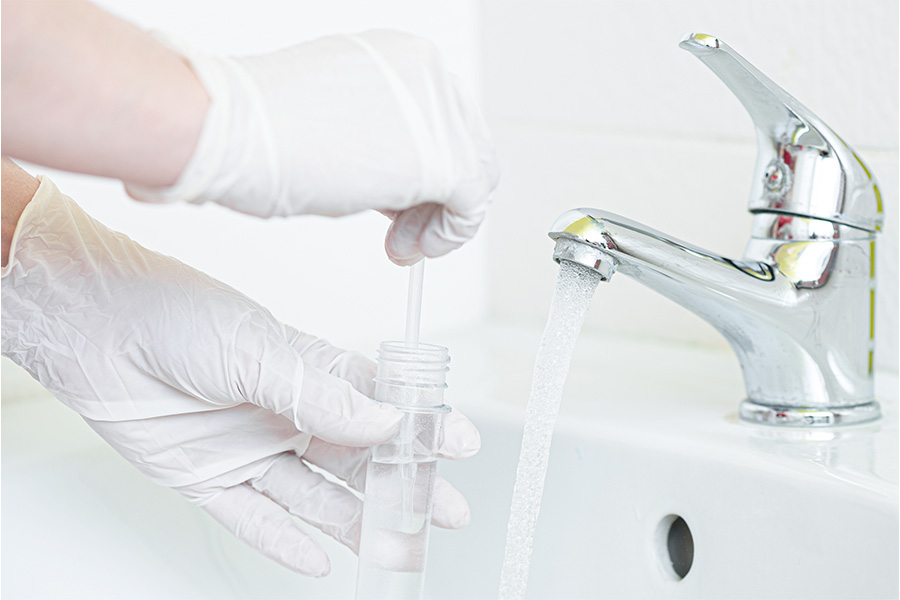
C 858-2
Testing for Water Quality
The quality and safety of drinking water is of great concern to many Americans today because of an increased interest in health and environmental quality. This new focus on water quality has led many Americans to consider testing their water. This publication is intended to help you understand water testing and to identify the tests needed.
|
-
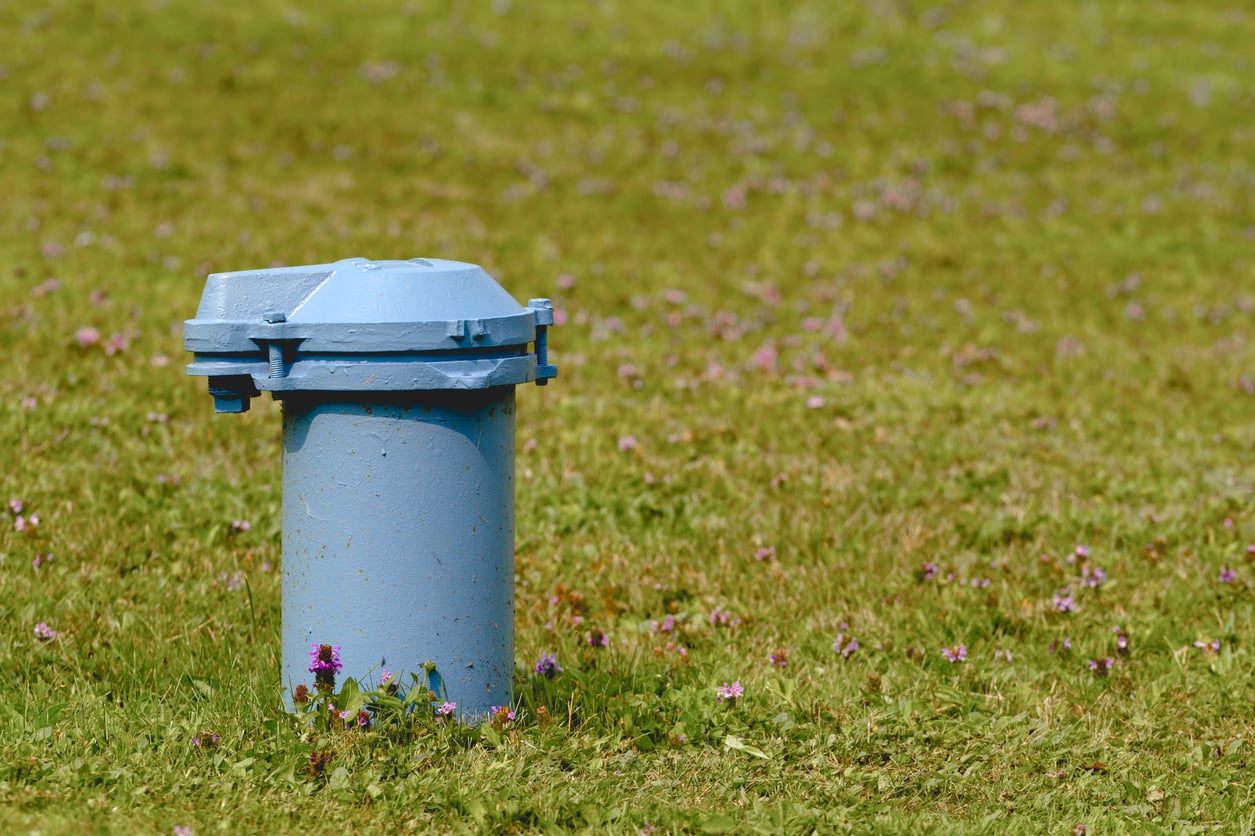
If you are one of the many Americans who use groundwater for drinking,
the proper protection of your well and wellhead is essential for the health of your family, yourself and your neighbors. This publication contains information about protecting your well and wellhead from contaminants.|
-
C 858-14
Uranium in Your Water
Uranium in your drinking water may be harmful to your health. If your water comes from a public system, it is routinely tested to ensure safe levels of uranium. If your source of household water is a private well, cistern or spring, you are solely responsible for the quality of your own drinking water. Private well owners are encouraged to monitor uranium through water testing.
|
-

Damage to perennial woody trees and shrubs caused by hurricanes or high wind events is often not initially apparent. In some cases, it can take months or even years to manifest, despite plants looking relatively healthy after initial inspection by growers and insurance adjustors. This publication describes common damage seen in perennial woody trees and shrubs after a hurricane or high wind event.
|
-
Mechanical filtration removes suspended solids and dirt to greatly improve the clarity of water. Various kinds of mechanical filtration methods and devices are available for home water treatments. Primarily, the size of the suspended solids will determine the appropriate type of mechanical filtration device suitable for your unique situation. Consumers interested in filtration devices should discuss the advantages and disadvantages of various available options with a water treatment professional. This publication discusses the various aspects of mechanical filtration.
|
-

About 95 percent of Georgia’s rural residents depend on groundwater to supply their drinking water and farm needs. Wells are designed to provide clean water. If improperly constructed and maintained, however, they can allow bacteria, nitrates, pesticides, or petroleum products to contaminate ground water. These contaminates can put family and livestock health at risk. This assessment allows you to evaluate the environmental soundness of your farm and operational practices relating to the condition of your drinking water well.
|