Environment Resources
-
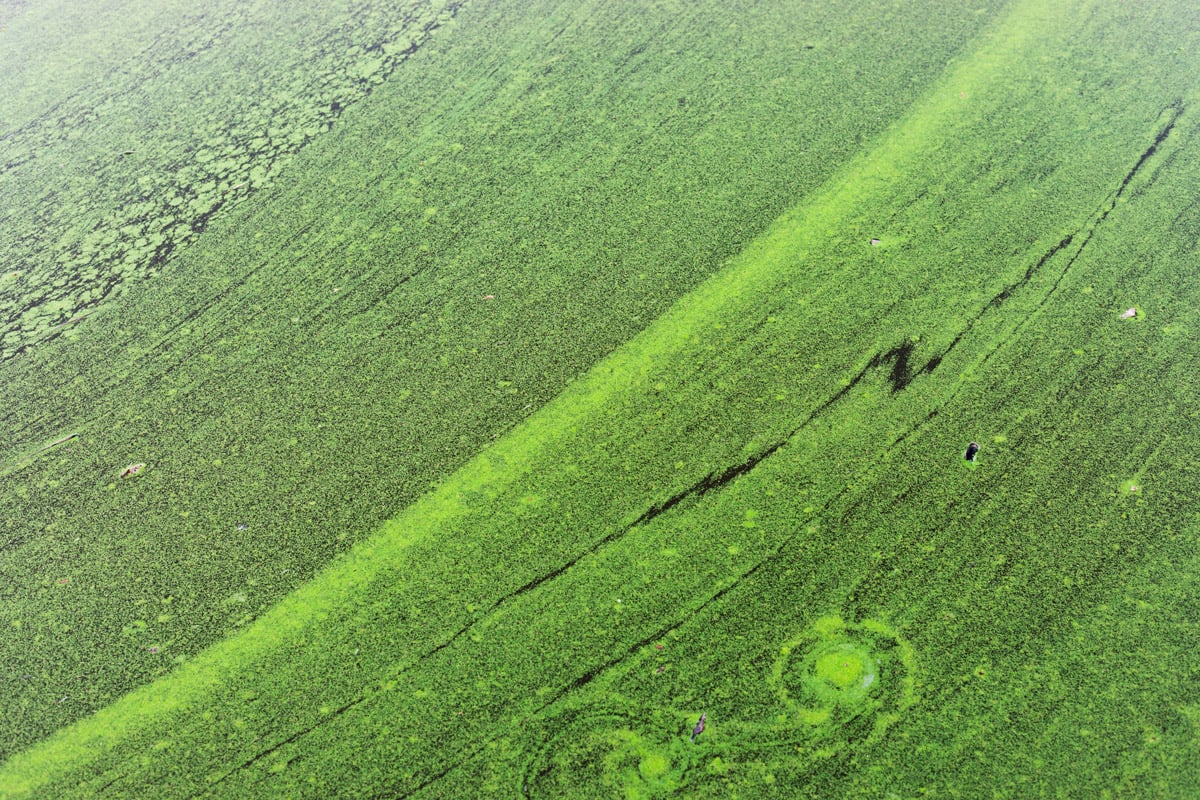
Low-energy input systems that utilize microalgae and the natural biological process of photosynthesis can drive efficient wastewater treatment systems. This publication describes the use of microalgae in wastewater treatment.
|
-
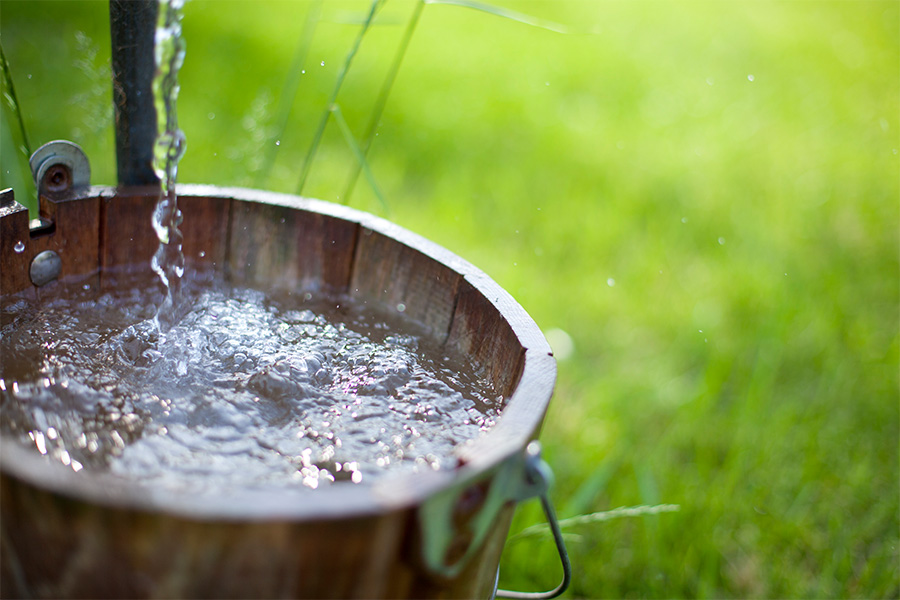
Shock chlorination is the process by which home water systems such as wells, springs, and cisterns are disinfected using household liquid bleach (or chlorine). Shock chlorination is the most widely recommended means of treating bacterial contamination in home water systems. This publication contains guidelines for safely and effectively using shock chlorination — a standard treatment for sanitizing your well system.
|
-
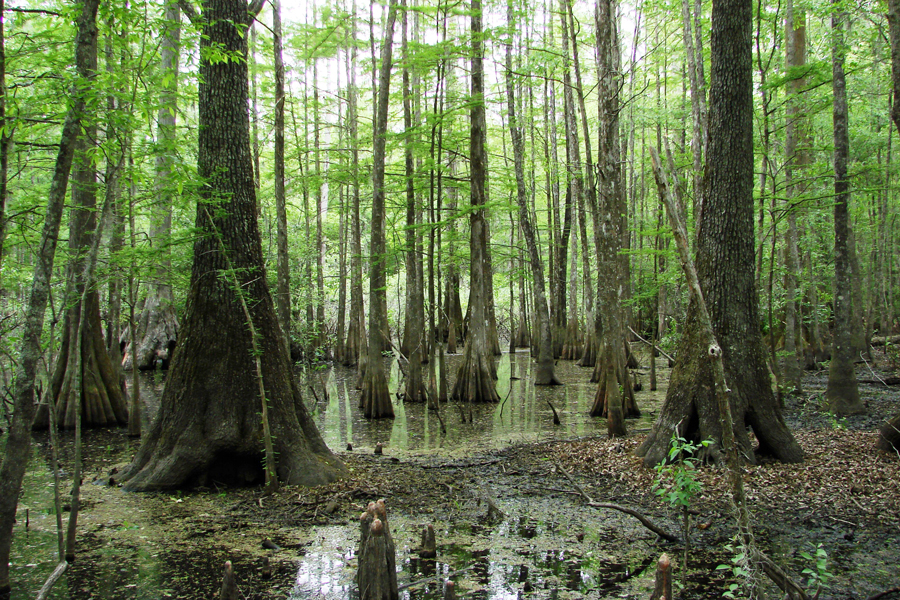
Many people view wetlands as “wastelands,” having few virtues. But it is now known that wetlands provide many useful services, from improving water quality to providing habitat for important fish and wildlife. These kinds of benefits would be costly to create, so maintaining natural wetlands is good for both the economy and the environment. Many smaller wetlands occur in Georgia farmlands, and many of the values provided by wetlands benefit Georgia farmers. This resource highlights the key virtues of wetlands to agriculture, describing how wetlands associated with Georgia farms can contribute to agricultural value.
|
-
SB 48-04
Aquatic Environments Pest Management
This section of the Home & Garden Edition covers external parasite control in aquatic environments, including fishery chemicals, aquatic weed control, response to herbicides, restrictions, and calculating concentrations in aquatic environments. Beginning in 2022, the Home & Garden Edition has been updated biennially. When purchasing a product based on a first-year recommendation of the Handbook, check the current product label before purchase to be sure it is still labeled for the use for which you are buying it. For pesticide products you have on hand from earlier purchases, you are allowed to use them until they are depleted without penalty under the law. Always follow label instructions before use. Contact the product’s manufacturer for the most up-to-date label.
|
-
SB 48-13
Vertebrate Pest Control
This section of the Home & Garden Edition covers control of vertebrate pests such as beavers, chipmunks, deer, and bats, as well as repellents and how to manage reptiles, amphibians and birds. Note that prior to killing protected animals in Georgia, it is necessary to obtain a permit from the Wildlife Resources Office of the Georgia Department of Natural Resources. A permit is also required to take furbearing animals or game animals out of season. A current hunting or trapping license is required to take game or furbearing animals in season. Beginning in 2022, the Home & Garden Edition has been updated biennially. When purchasing a product based on a first-year recommendation of the Handbook, check the current product label before purchase to be sure it is still labeled for the use for which you are buying it. For pesticide products you have on hand from earlier purchases, you are allowed to use them until they are depleted without penalty under the law. Always follow label instructions before use. Contact the product’s manufacturer for the most up-to-date label.
|
-

Do you want a landscape that is beautiful, saves you time, effort and money and uses less water? If you do, a water-wise landscape is for you. Water-wise landscapes are designed, organized, and maintained by practices that use water strategically and wisely. Follow the seven basic steps outlined in this guide to create a beautiful water-wise yard or home garden.
|
-

The southeastern blueberry bee is an economically valuable pollinator in commercial blueberry production in Georgia. Researchers see a need for conservation of this species, and this resource provides detailed information on its identification, biology, nesting habitat, and floral hosts. It also incorporates research data from recent study in commercial blueberry system in south Georgia.
|
-

There may be insect fragments, lead dust, pesticides, pollen, dust mites, animal dander, hair, human skin flakes, fungal spores, or cigarette ash in household dust. Around 30% to 40% of the contaminants inside your home are brought in from outdoors. By taking a few simple steps described in this resource, you can improve the health of your home and reduce the time spent cleaning.
|
-
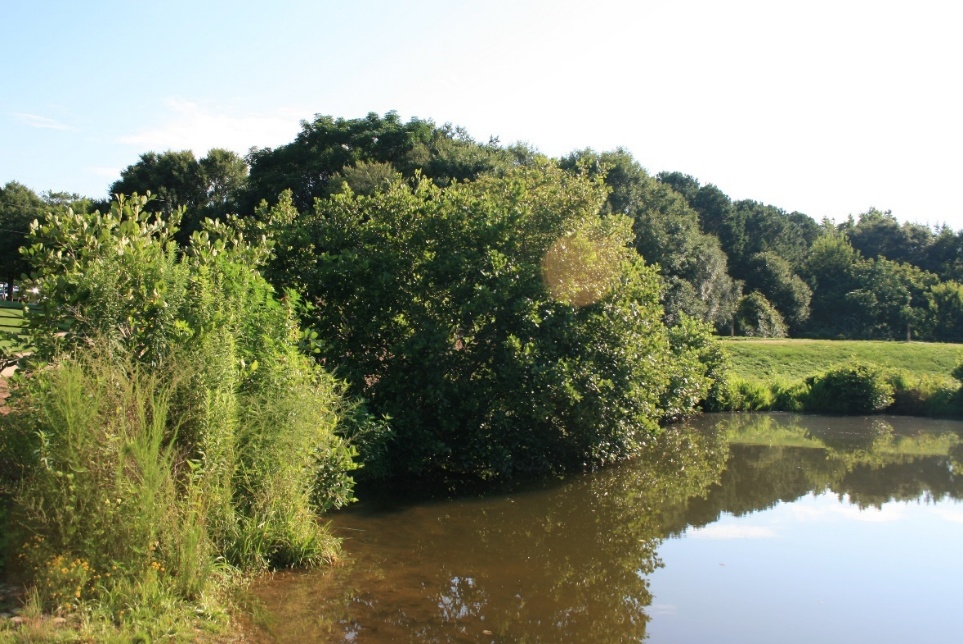
This resource explains how flooding and stormwater pollution affect waterways and how vegetation along the water reduces the negative impacts while improving aesthetics and water quality for fish habitats, recreational boating, appealing views, and property value. It provides guidance on planning, implementation and maintenance of riparian buffer vegetation, and a list of recommended plants.
|