Equipment Resources
-
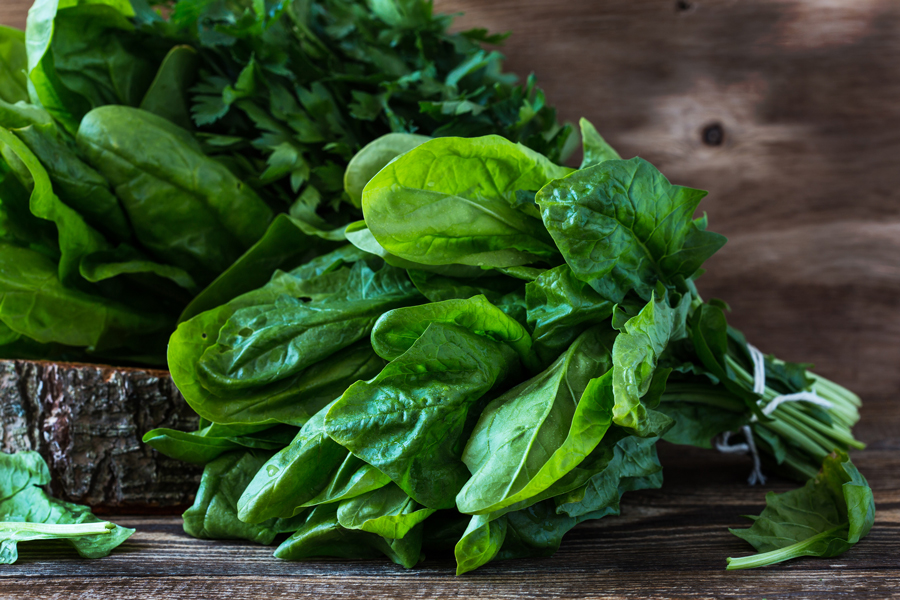
Spinach (Spinacia oleracea) is an important nutrient-dense leafy green, and its annual per capita consumption has significantly increased over the past decades. Spinach production in Georgia has experienced significant growth in the last few years, with over $400M in annual value, ranked first among all the other leafy green crops. Field spinach production is labor intensive, and the cost of weed management, harvest, and post-harvest accounts for 56% of the production cost. With the advantages of controlled environment agriculture in reducing labor costs and increasing production value with an extended growing cycle, hydroponic spinach has been gradually accepted and planted on a large scale.
Spinach is a cool season crop typically seeded during early spring or early fall. Summer season is often skipped because of pressure from insects, diseases, and weeds. Additionally, the optimal temperature for spinach seed germination is 65-70°F (18-21°C), and for spinach growth is 60-77°F (15-25°C). However, there is the possibility to grow spinach during summer in the greenhouse using a deep water culture hydroponics system that can minimize these pressures by focusing on heat-tolerant cultivar selection, germination improvement, and optimal hydroponic system implementation.
|
-
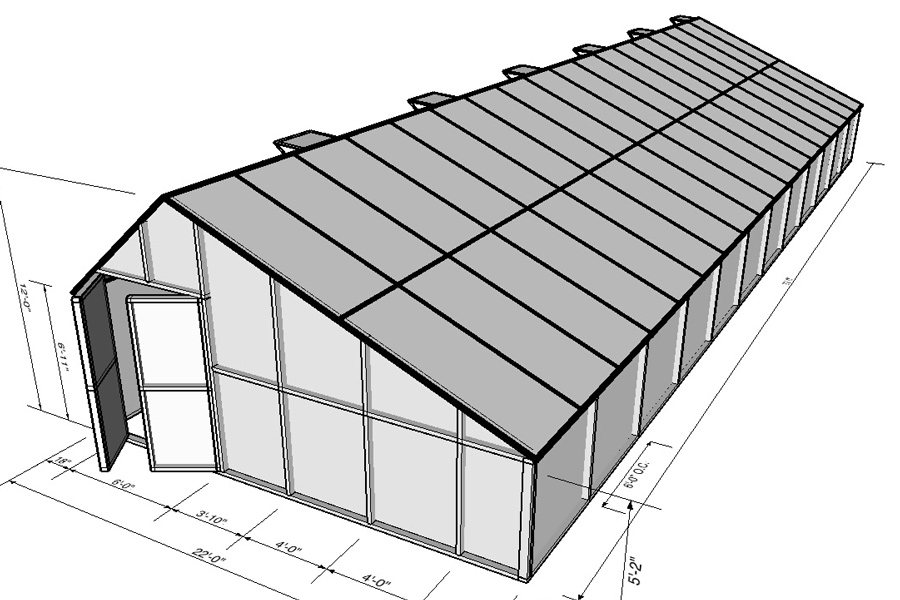
This publication describes how a passive solar greenhouse was constructed using an earthen wall and water barrels for heat retention. The benefits and potential pitfalls of such a structure are discussed. Additional authors include Alexandra Williams, Syngenta, U.S.A, and Krista Jacobsen, Department of Horticulture, University of Kentucky.
|
-
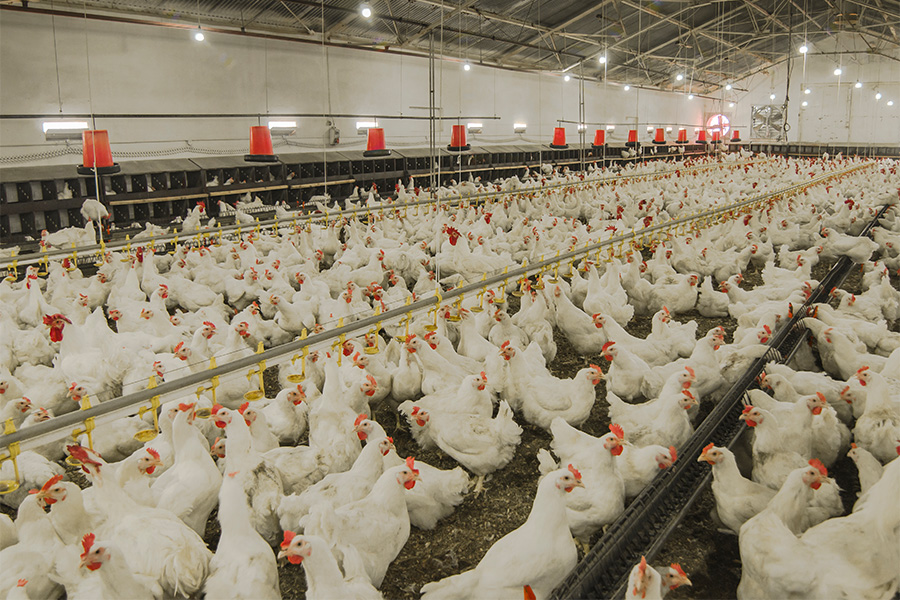
High levels of dust in cage-free poultry house air can carry airborne microorganisms and endotoxins that, once inhaled, may trigger respiratory diseases in animals and/or their caretakers. Mitigating dust levels is imperative to protecting the health and well-being of the animals and their caretakers and improving the environmental stewardship of cage-free layer farms. Studies have concluded that good manure management and proper ventilation can alleviate dust problems. Mitigation strategies have various levels of effectiveness, but some are cost prohibitive. Selecting the right dust control strategy should consider poultry types, housing design, local climate, and litter/bedding management strategies.
|
-
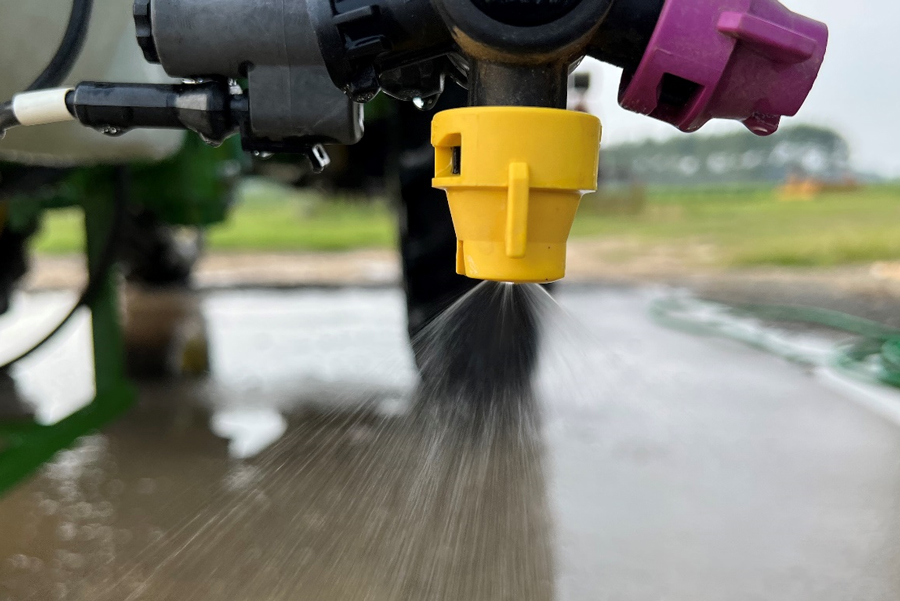
Pulse width modulation (PWM) technology is becoming a standard option on most new agricultural sprayers because of its ability to precisely regulate both flow rate and pressure over a wide range of travel speeds. This publication provides information on nozzle selection for sprayers equipped with PWM technology, including how to use PWM nozzle selection/tabulation charts, other useful online tools, and considerations for effective pesticide applications.
|
-
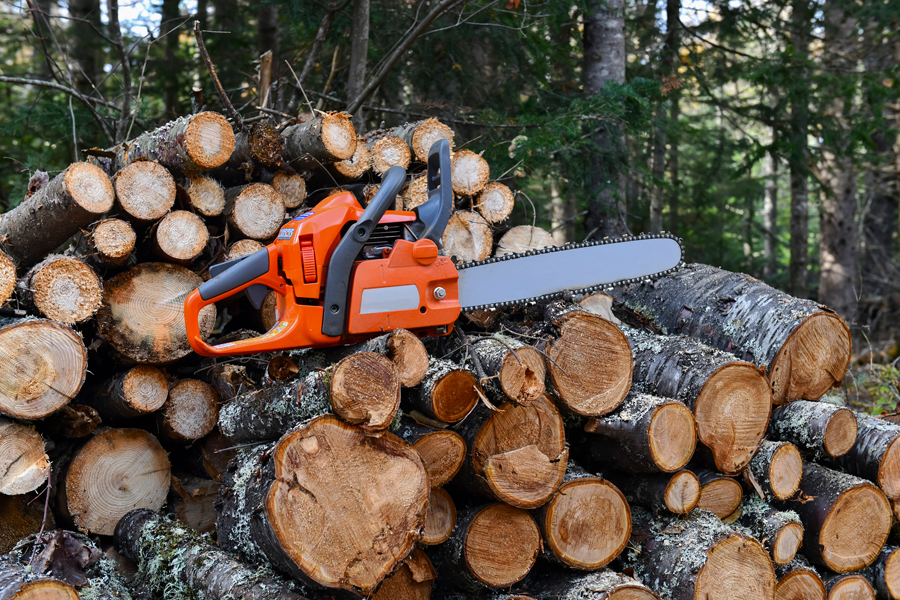
C 1208
Chainsaw Chains and Bars
The action end of a chainsaw, or the part that cuts, is made of the bar and the chain. Chainsaw chains come in many sizes and configurations and not all saws can handle all bars. To make the right choices for the job, a saw operator should be aware of the cutter type, pitch, gauge, and cutter configuration when purchasing a chain or a chainsaw.
|
-

Irrigation systems are used by farmers and homeowners to supply supplemental water to their crops. At the end of the growing season, the irrigation system should be checked and winterized to maintain proper operation for the coming season. This resource provides a list of suggested things that should by done on both drip and center pivot systems to help protect them during the winter months.
|
-

Spinner-disc spreaders are commonly used for applying lime and fertilizer to agricultural fields. Uniform and accurate application of lime and fertilizer is essential. Proper setup and calibration of application equipment is important to assess its performance and attain satisfactory results. Even new and well-maintained equipment needs calibration checks regularly before and during the growing season. This is especially important when changing from one type of material or blends to another, when changing application rates, and when altering speeds or other operating conditions.
|
-
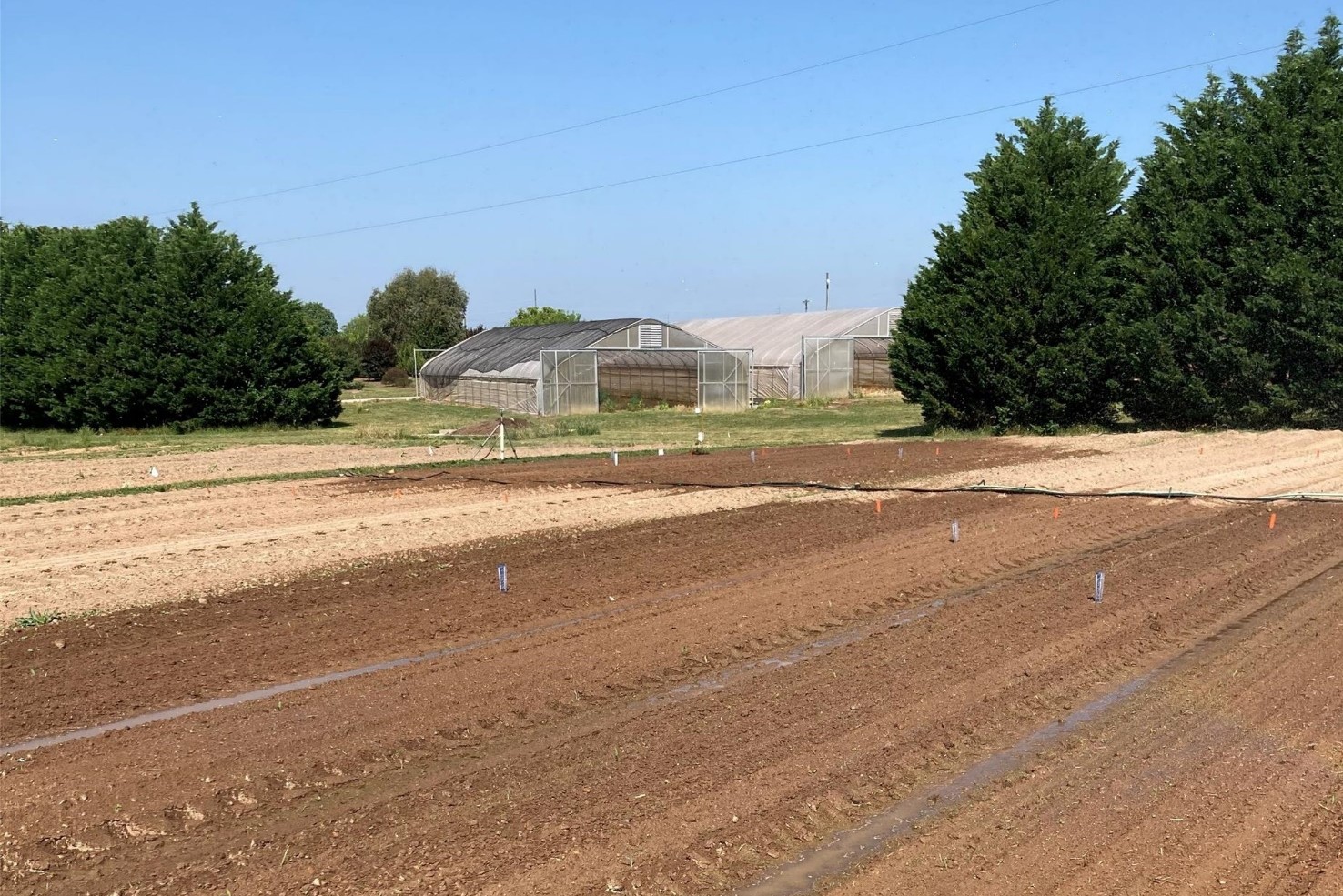
This publication highlights some of the ongoing research into using SSDI in organic vegetable crop production. SSDI facilitates cultivation without harming drip tubing and limits surface soil wetting, which may also reduce weed pressure. Prior research has shown that SSDI offers some advantages over surface-placed drip tubing in conventionally grown crops (Coolong, 2016).
|
-
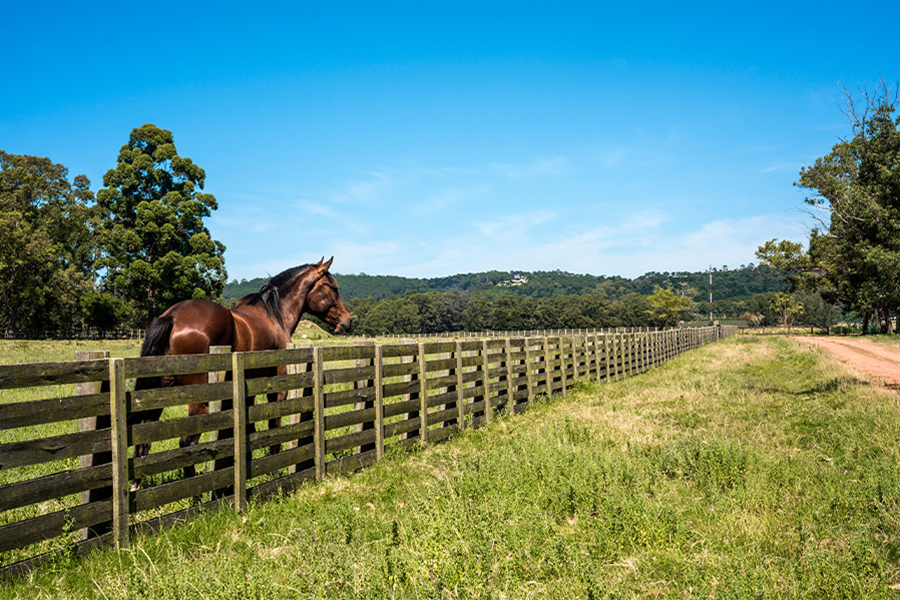
B 1192
Fences for Horses
Fences are necessary to safely confine horses yet provide them with the opportunity to exercise and graze. Because of the natural flight response of horses, they tend to injure themselves in fences more than most other livestock. In addition, many horses are extremely valuable and that justifies the extra cost of building a fence that is safe, strong and attractive. When selecting a fence, consider all three of these important functions: utility (keeping the horses in), safety and aesthetics. How much importance is placed on each function depends on the owner’s budget, the value of the animals and your priorities. A number of alternatives are available for consideration.
|