Equipment Resources
-
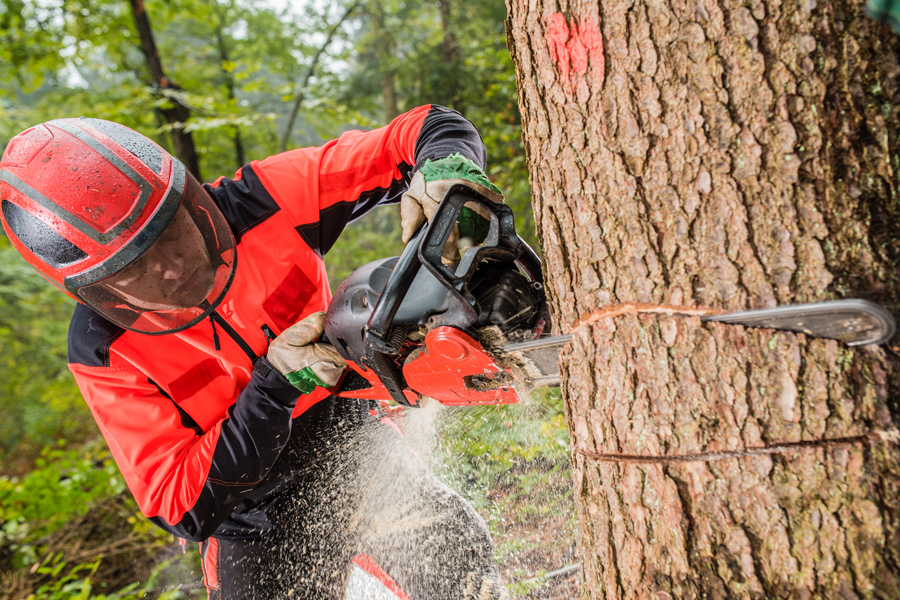
Felling trees is dangerous. Accidents abound when chainsaws and falling timber combine. The five step tree felling plan is a safe and effective way to take down a tree with a chainsaw. Rigorous application of this method will help the saw operator identify and mitigate hazards while dropping the tree as planned.
|
-
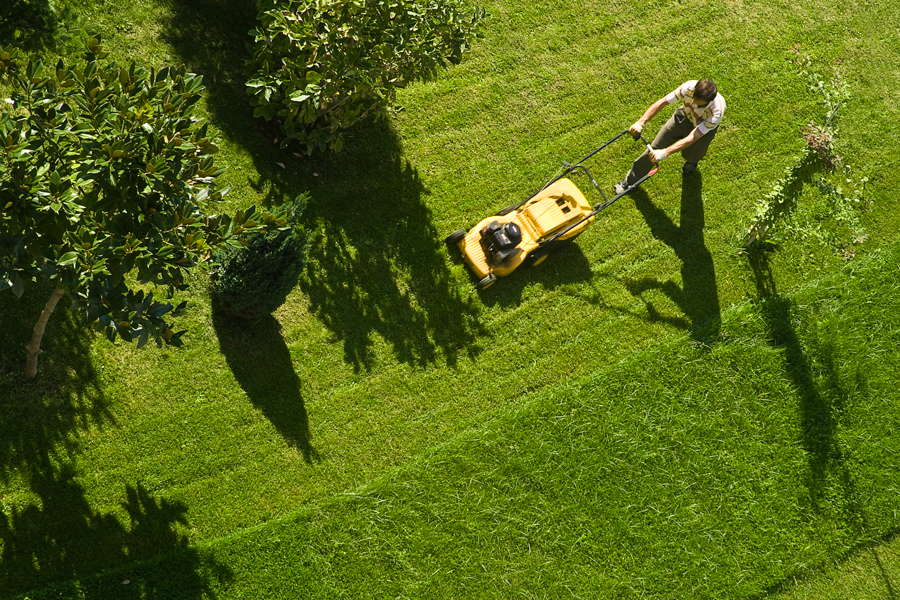
This publication covers routine maintenance and troubleshooting for common motorized equipment (small engine) that is used by small farmers and gardeners. Gardening and landscape equipment can be an expensive investment for both consumers and professionals. However, quality equipment can last a lifetime when cared for properly. Typically, you get what you pay for when it comes to equipment. Higher quality equipment certainly costs more upfront, but usually has fewer problems and will tend to outlast bargain-type tools. With name-brand equipment, parts also tend to be
more readily available. We recommend that you purchase the best equipment you can afford and learn how to take proper care of your equipment to protect your investment. For the garden and landscape, motorized equipment can include everything from a string trimmer to a full-size garden tractor. Most garden equipment is powered by either a two-cycle or four-cycle engine. Two-cycle motors mostly are found on smaller handheld equipment, such as chainsaws, tillers, and trimmers. Four-cycle motors typically are found on larger equipment such as lawnmowers, tillers, and garden tractors, which have separate reservoirs for their gas and engine oil. When properly maintained, both types of motors are quite reliable. Sometimes, very basic issues may keep motors from functioning well. All motors require three basic things to run properly: fuel, fire, and air. If any one or more of these three elements is lacking, the engine will either run poorly or not run at all.|
-

Properly maintaining, calibrating, and adjusting a seed drill before planting is an important part of ensuring the successful establishment of forage or cover crops. Seed may be placed at a depth that is too deep or too shallow if the equipment is not properly prepared and set. Too much or too little seed may be planted if the equipment is not properly calibrated. These planting mistakes may result in a poor stand, greater weed competition, lower yields, and/or reductions in forage quality. Conversely, planting more seed than required can unnecessarily increase establishment costs and can sometimes result in reduced yields. After investing in the seed and committing the time to plant a field, taking a few extra steps to ensure that investment bears fruit is well worth maintaining, calibrating, and adjusting the drill.
|
-
Use estos cinco pasos para el corte de un árbol de forma segura de principio a fin. Este plan funciona para arboristas profesionales y los que no lo son. Cortar árboles con una motosierra es peligroso. La combinación de herramientas eléctricas y la caída de madera crea peligros. La aplicación del Plan de Corte de Cinco Pasos ayuda a identificar y mitigar el peligro en el corte de árboles de principio a fin.
|
-
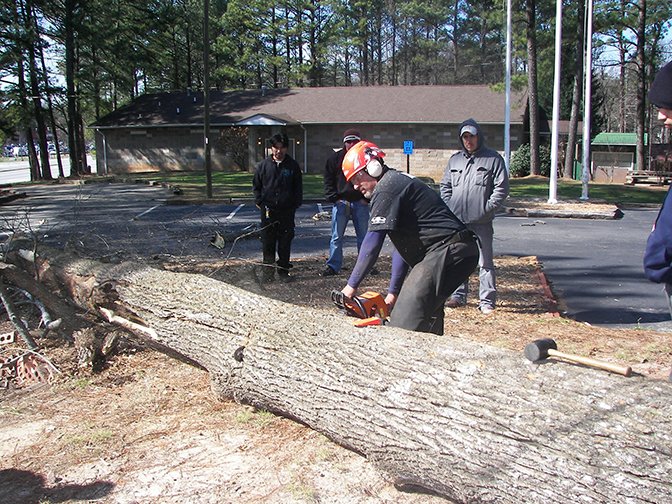
Operating a chainsaw is inherently dangerous. Chainsaw cuts are always serious, but this is not the only hazard a saw operator faces. Saw operators are often struck by falling limbs and trunks as the tree moves during felling. Saw operators may fall off ladders or out of trees, or they may trip while moving through brush and uneven ground. Even when the tree is on the ground, danger lurks in wood under tension. Spring poles snap and logs roll unexpectedly. Personal protective equipment (PPE) saves lives every day. The Occupational Safety and Health Administration (OSHA) requires that saw operators wear the PPE described in this publication, including head protection, eye protection, ear protection, chainsaw chaps or pants, and suitable footwear.
|
-

It is widely accepted that storing farm equipment under a shelter is better than storing it outside and that hay stored in a barn is better than hay stored in the field. But how can we determine just how much a farm storage building is worth? The answer is different for every individual operation, but there are some guidelines that will help you make an intelligent decision about whether or not you can afford a building (or afford not to have one).The following is a discussion of the costs and benefits of owning a building, along with some example calculations. In each example, you are given the opportunity to substitute your figures, which might more accurately reflect your local markets and conditions.
|
-

Most farm injuries and fatalities are preventable when you adhere to safe operating practices. The following are general guidelines for improved safety on the farm.
|
-

B 1364
Chainsaw Safety Tips
This publication discusses tips for purchasing the correct chainsaw for your needs and how to use it safely.
|
-

B 979
Orchard Sprayers
This publication contains comprehensive information about air blast and weed control sprayers for orchards.
|