Equipment Resources
-
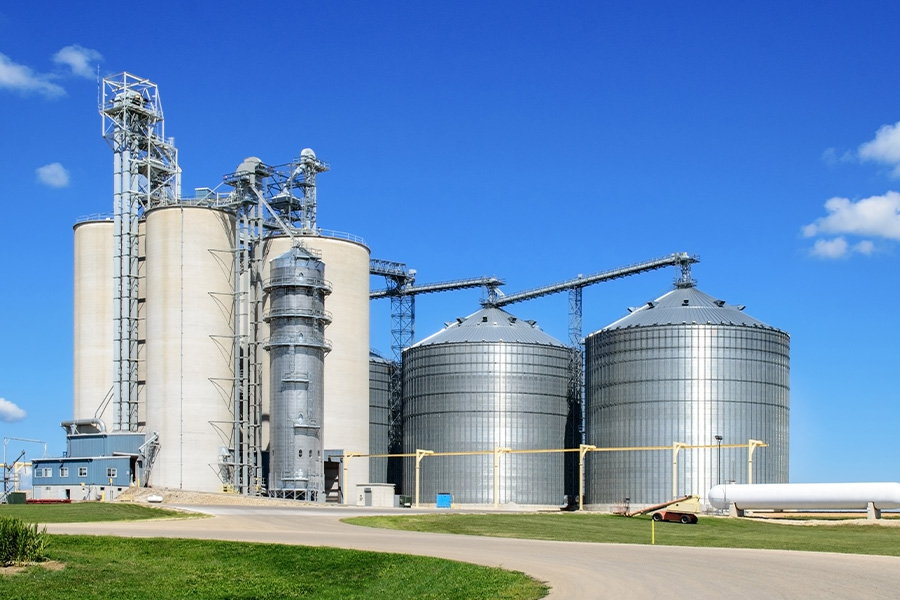
Aeration conditions grain and seed by lowering the temperature of the material and equalizing the temperature within the storage structure. This prevents moisture migration and condensation and can reduce losses during storage.
|
-
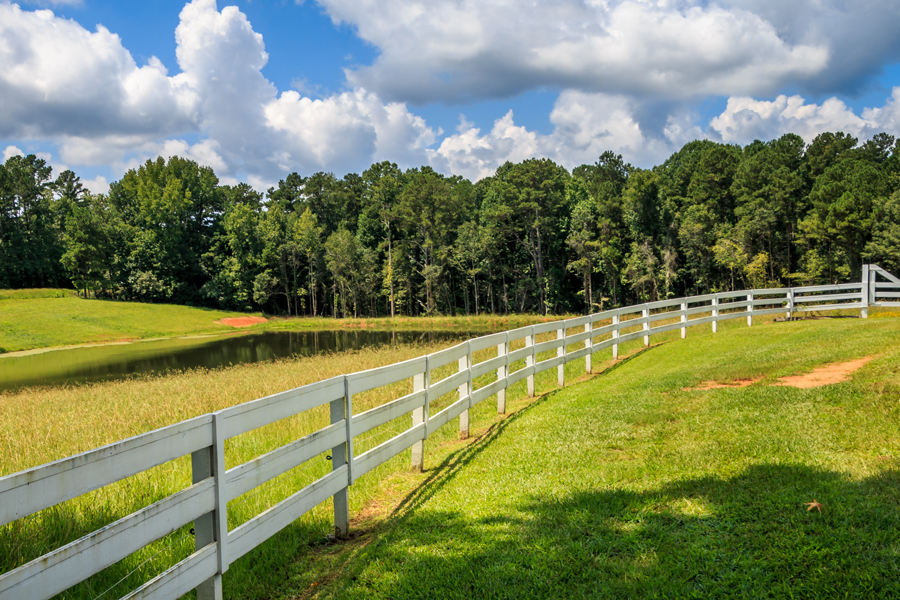
C 774
Fences for the Farm
Fences may be used to protect or divide property, to improve its appearance, to confine animals, or to exclude animals. This publication covers the planning for, type of, materials for, and maintenance of permanent and temporary fences.
|
-
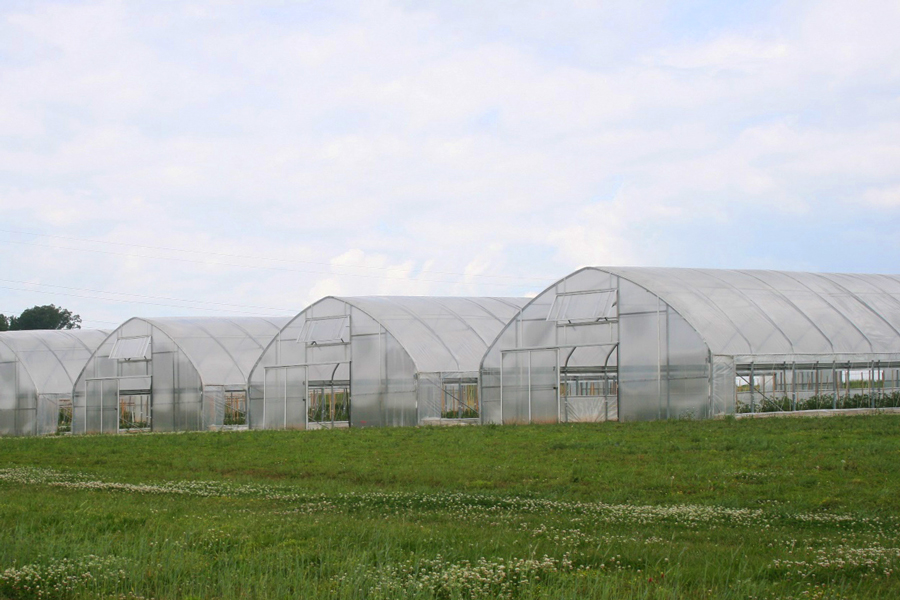
This resource is an introduction to high tunnel production that focuses on horticulture aspects of organic tomato production. Diseases and insect pests are not covered, but high tunnel construction, siting, shading, fertility, and irrigation of organic tomatoes are addressed.
|
-

B 910
Hobby Greenhouses
The gardener who has a greenhouse can extend or intermingle the seasons at will. Whether you wish to build your own greenhouse from scratch or purchase a prefabricated structure ready for assembly, this resource explains everything you need to know about building and maintaining a hobby greenhouse. This publication also includes several building design plans.
|
-
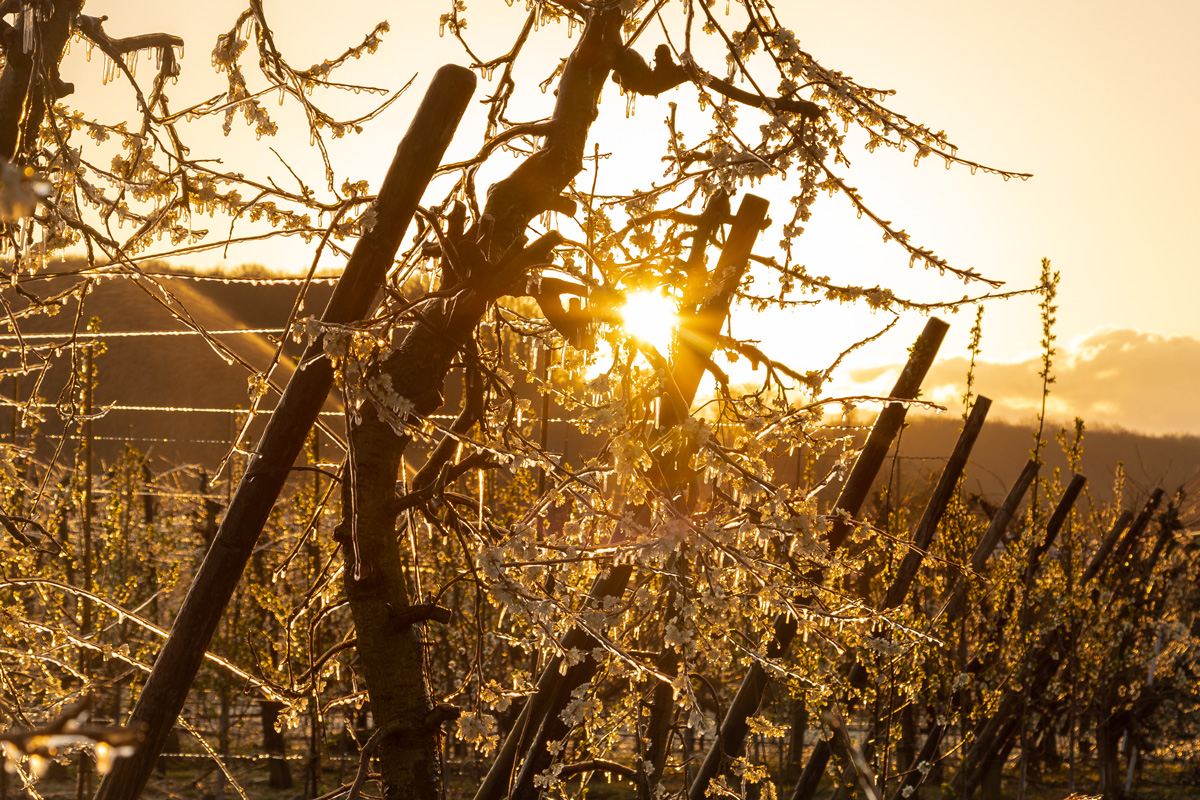
Freeze protection efforts should be based on the type of freeze, temperature, and wind speed that is impacting your crop. To apply frost protection, consider your crop value, the freeze protection capacity of your system, and the crop’s susceptibility to injury at each growth stage.
|
-

Many people help with tree cleanup after storms pass through. Some are citizen volunteers, and others are private and public sector workers who may or may not have experience with chainsaws. This presentation covers the information every chainsaw operator needs to know before turning on the saw. Topics include personal protective equipment, the five essential safety features of a chainsaw, safe carry, safe start, insect pests, site inspection, and electrical/electrocution hazards.
|
-
Muchas personas ayudan con la limpieza de los árboles después de las tormentas. Algunos son ciudadanos voluntarios; otros son trabajadores del sector público y privado que pueden o no tener experiencia con motosierras. Este PowerPoint cubre la información que todo operador de motosierra necesita saber antes de encender la motosierra. Los temas incluyen equipo de protección personal, las cinco características esenciales de seguridad de una motosierra, transporte seguro, arranque seguro de la motosierra, plagas de insectos, inspección del sitio y riesgos con electricidad/electrocución.
|
-

C 1199
Storm Damaged Tree Cleanup
Trees are often damaged in storms and can be extremely dangerous to clean up. Storm damaged trees are subject to all the perils associated with tree felling and much more. Working conditions may be difficult. Downed trees may be entangled in other trees, or tossed on buildings, vehicles, or wires. Energy stored in compressed limbs and trunks can be release suddenly, explosively, and fatally. Each situation is unique and requires careful consideration. Application of the included five-step cutting plan will help keep the saw operator safe and working effectively.
|
-
Los árboles son los que mas se dañan en las tormentas y son estos los mas peligrosos de limpiar. Los arboles dañados por tormentas están sujetos a una gran cantidad de peligros asociados con la tala de arboles y mucho, mucho mas. Las condiciones de trabajo pueden ser muy difíciles. Los arboles caídos se pueden enredar con otros arboles, o caerse en edificios, vehículos o alambres. La energía apresada en las ramas o en los troncos comprimidos puede ser liberada repentina, explosiva y fatalmente. Cada situación es diferente y requiere una consideración única. La aplicación de este Plan de corte de cinco pasos ayudará a mantener al operador de la sierra seguro y trabajando de manera efectiva.
|