Field Crops Resources
-
 Revised
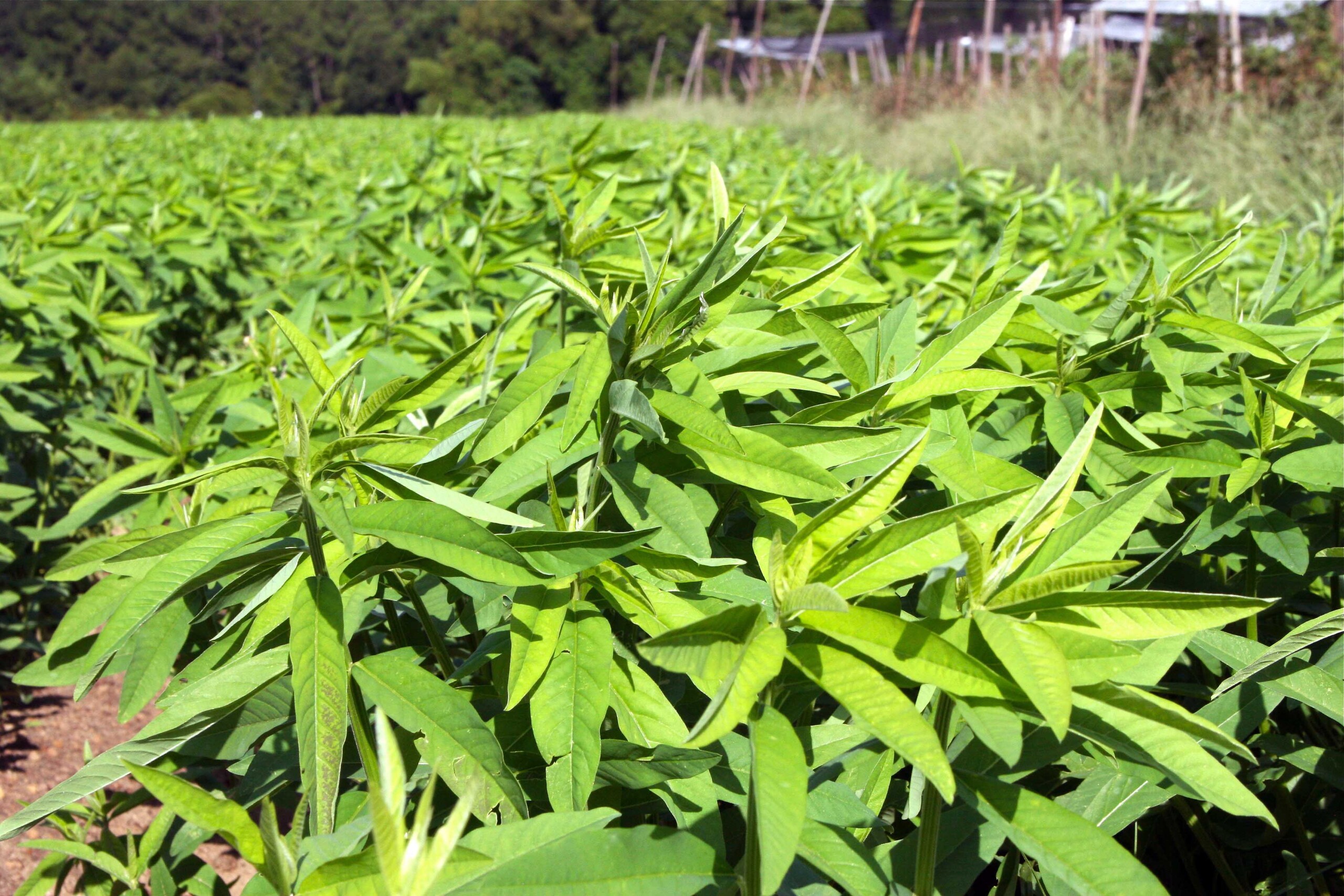
This expert resource is an introduction to growing industrial hemp for fiber production in Georgia. While not exhaustive, it outlines some of the major production challenges in growing this crop in the Southeastern U.S.
|
-
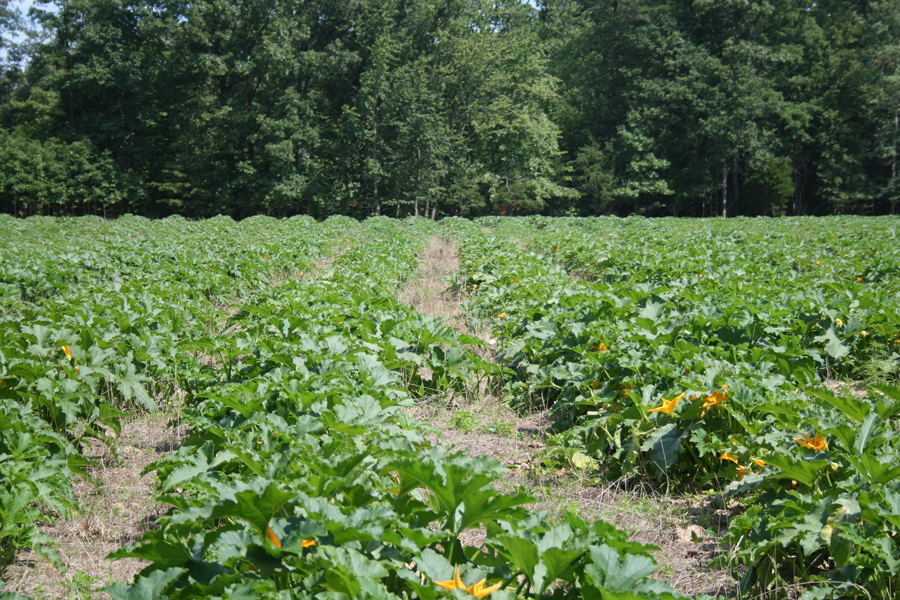
Conservation tillage with agronomic crops has been successful in Georgia production. Such production practices have several benefits, the most notable being the elimination of soil erosion. Other benefits include but aren’t limited to increases in soil organic matter, maintaining healthy root-zone soil, reduction of riparian and waterway pollution, and water conservation.
|
-

Brassica carinata is an annual oilseed crop used for the commercial production of jet fuel, animal feed, and valuable chemicals. Carinata has recently been introduced in Georgia as a cool season cash crop with cover crop benefits. Because it is grown in the winter, it has the potential to sustain and recover from frost damage. This publication outlines conditions that can cause frost damage and how the plant will react to this stress.
This resource was written in collaboration with the University of Florida’s Institute of Food and Agricultural Sciences Extension, the U.S. Department of Agriculture National Institute of Food and Agriculture, and the Southeast Partnership for Advanced Renewables from Carinata.
|
-
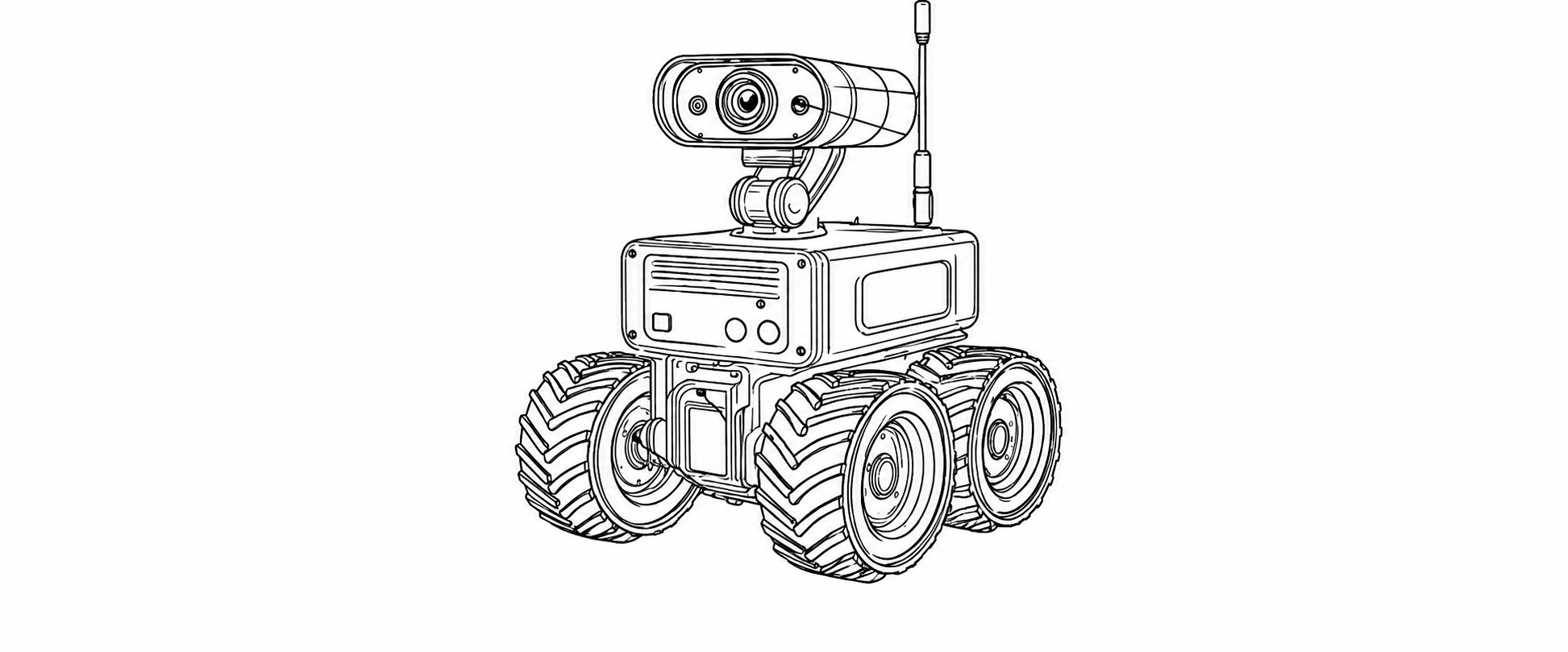
Robotics will soon become a common reality on farms. This Extension resource helps people to understand the basics of robotics for agriculture and the applications of these new machines.
|
-

This planting guide will help producers establish grasses and legumes commonly grown in Georgia.
|
-
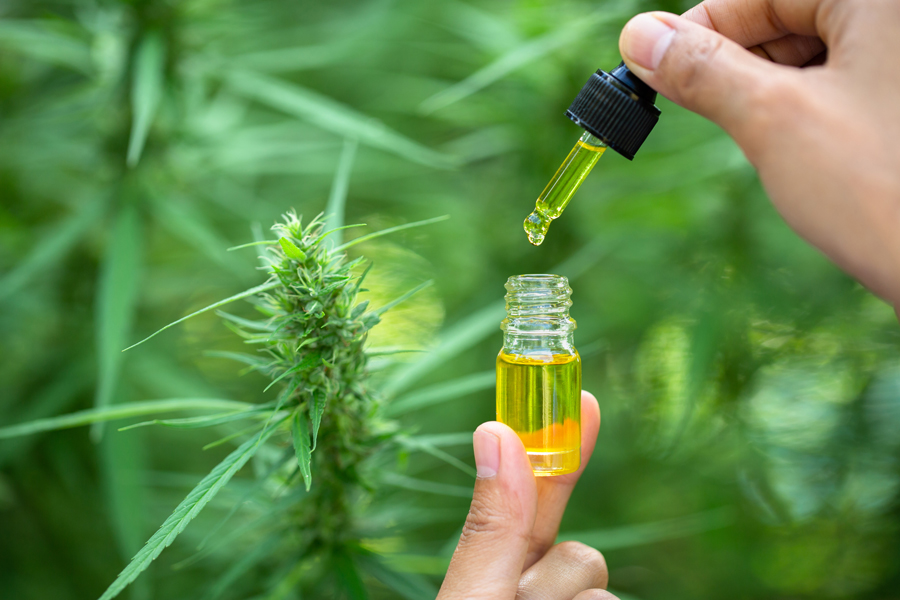
With the passage of the 2018 U.S. Farm Bill, industrial hemp was declassified as a Schedule I drug and is now legal (with restrictions) for production in the United States. Hemp and marijuana are both Cannabis sativa but are distinguished from each other based on the concentration of the psychoactive compound, tetrahydrocannabinol (THC). Industrial hemp is defined by law as a cannabis plant with total THC concentrations on a dry weight basis of less than 0.3% (+/- a measurement of uncertainty). This resource provides a basic overview of hemp testing for THC to stay in compliance with U.S. Department of Agriculture rules for hemp growers.
|
-
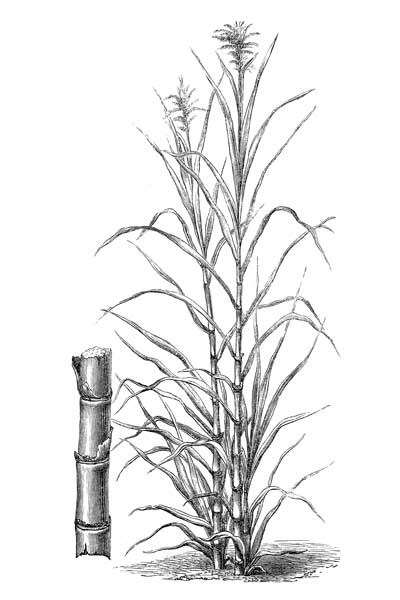
SB 28-29
Sugarcane Pest Management
Commercial insect and weed control in sugarcane. Updated annually.
|
-

SB 28-30
Sunflower Pest Management
Commercial insect and weed control in sunflowers. Updated annually.
|
-

SB 28-17
Field Peas Pest Management
Commercial insect and weed control in field peas. Updated annually.
|