Field Crops Resources
-
AP 130-4-06
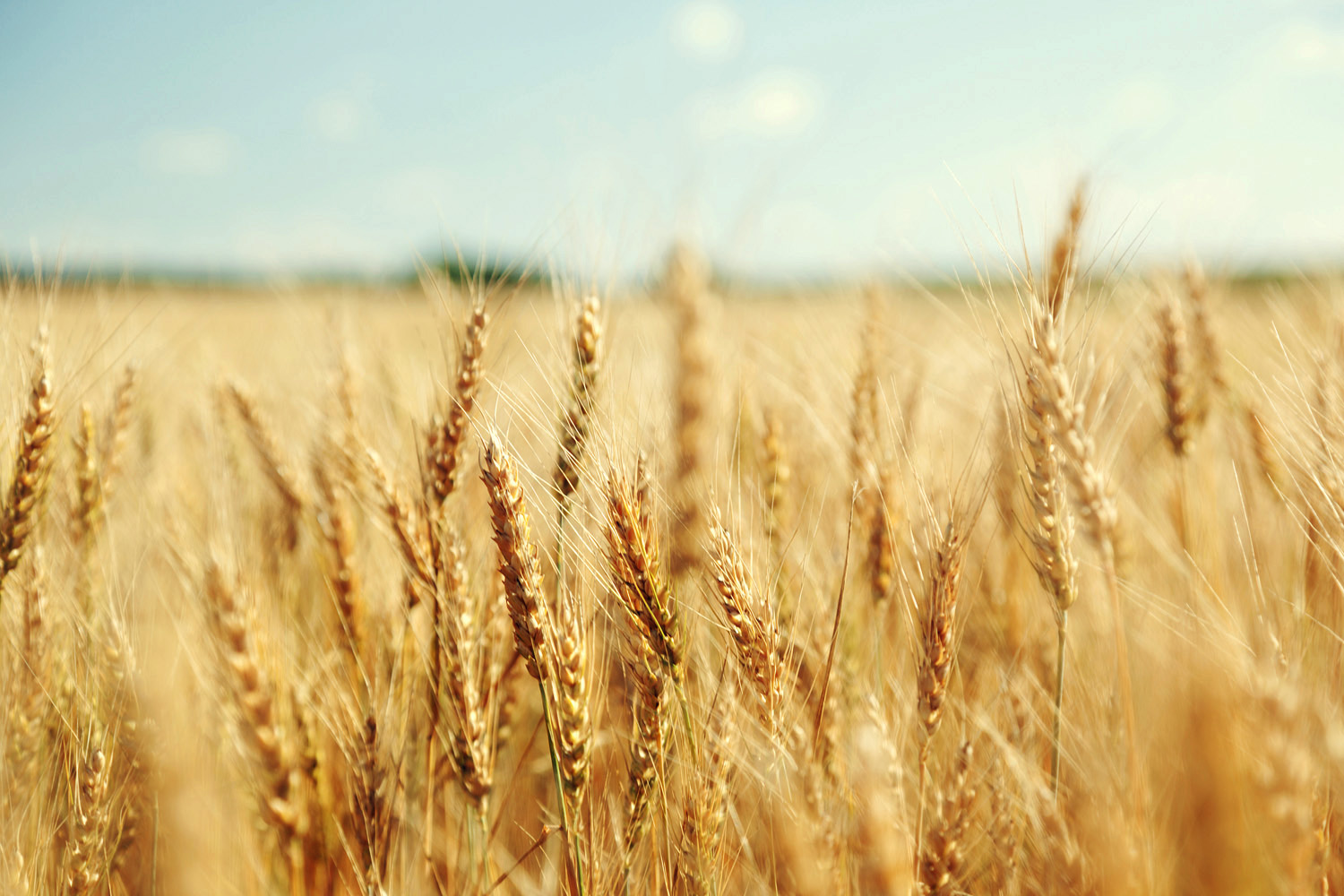
2026 Corn, Soybean, and Wheat Outlook
The key points for the 2026 season are: Large ending stocks from 2025 mean that prices will likely remain low during 2026. Tight margins are expected to continue in 2026 as projected prices for corn, soybeans, and wheat are near or below the breakeven cost of production. In Georgia, growers are likely to plant more corn acres, while soybean and wheat plantings will be comparable to last year.
|
-
AP 130-4-05
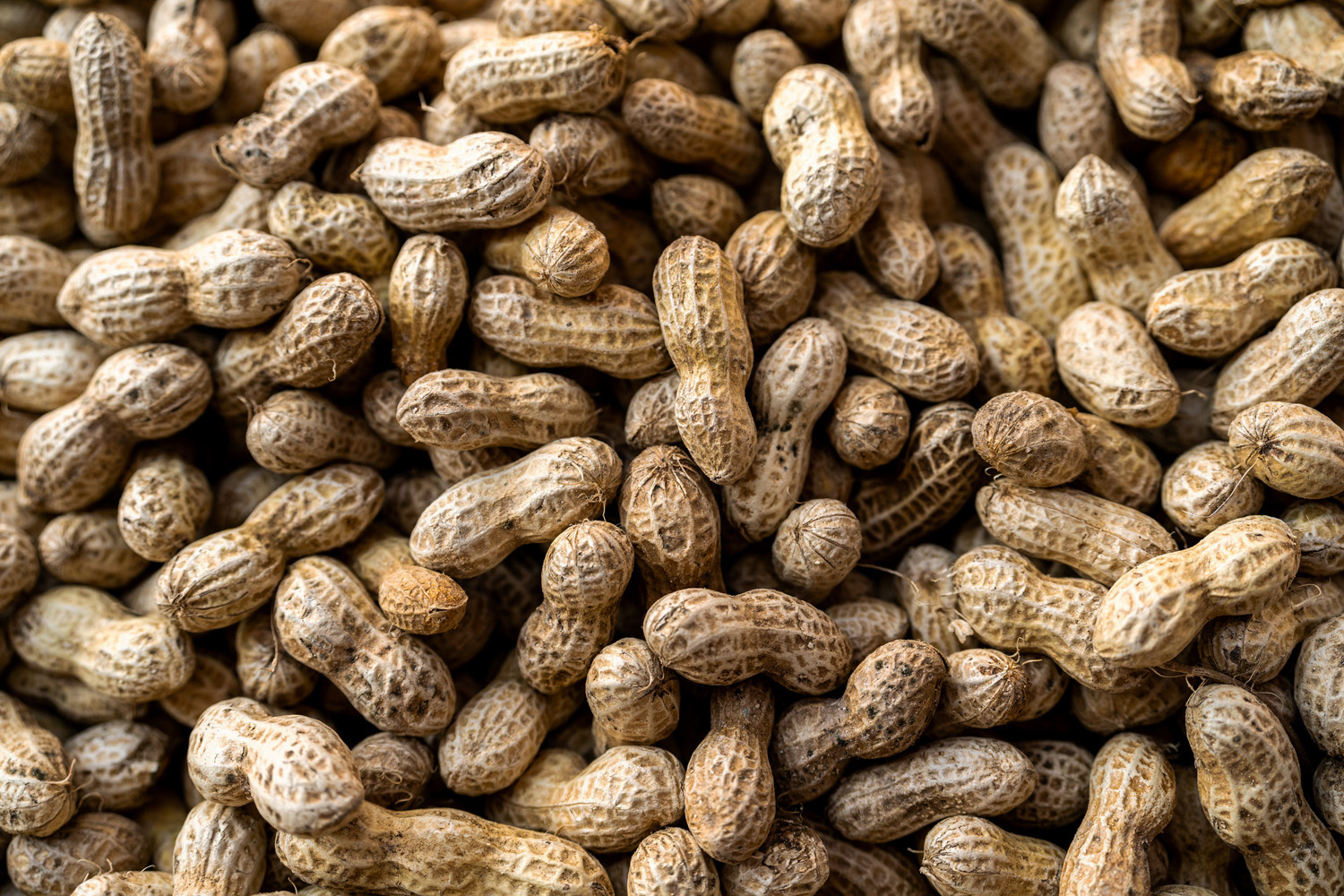
2026 Peanut Outlook and Market Situation
The key points for the 2026 season are: High peanut acreage is expected to continue into 2026, keeping overall U.S. and Georgia production elevated. Oversupply will keep prices under pressure, with Georgia forward contracts likely in the range of $425–$500/ton. Exports and profitability remain challenged, underscoring the need for new markets and stronger demand to support grower returns.
|
-

AP 130-4-04
2026 Cotton Outlook and Market Situation
The key points for the 2026 season are: Cotton remains financially strained by high input costs, elevated interest rates, and weak prices, which have left U.S. cotton producers with ongoing negative profit margins, continuing a long-term trend of economic losses. Rising Brazilian production, China’s diversification away from U.S. cotton, and global stocks exceeding demand have intensified market competition and kept cotton prices suppressed. With cotton futures in the mid-60s, limited demand recovery, and production costs still high, growers must carefully manage expenses and adopt strong marketing strategies to reduce financial risk.
|
-
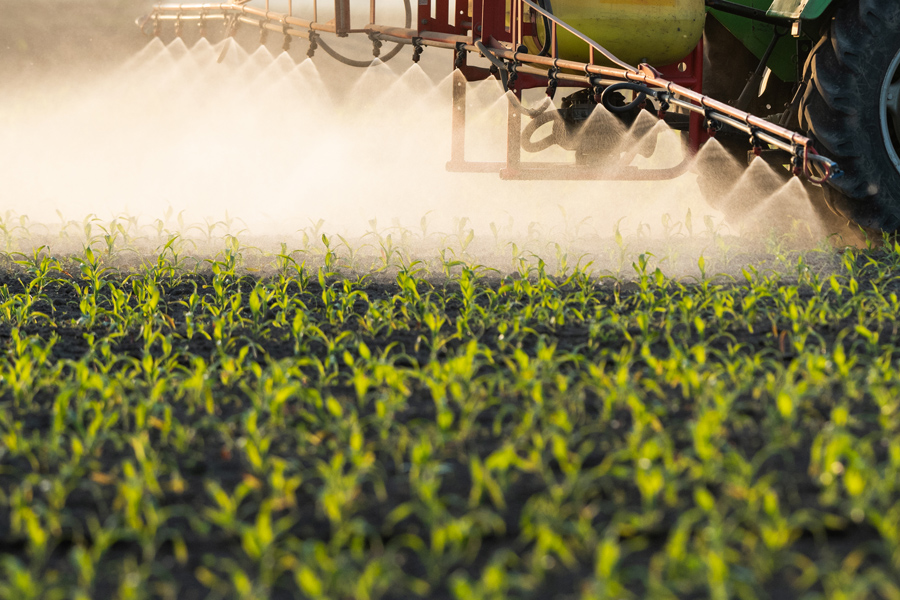
Pesticide applicators should visit the Bulletins Live! Two website to determine if they are located within a pesticide-restricted or limited area, known as a pesticide use limitation area (PULA). These restrictions protect endangered and threatened species from adverse effects. This publication provides users a step-by-step guide on how to navigate this website and access the information needed for applications and recordkeeping.
|
-
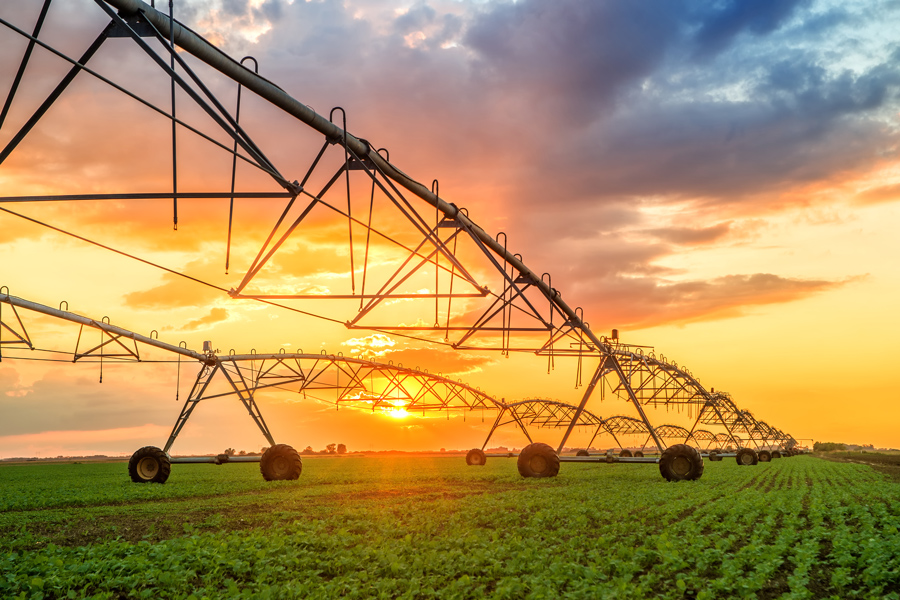
Crop water requirements are not static during the growing season. They vary with crop growth stages and environmental conditions. Advanced irrigation scheduling tools use data collected from or near the field where crops are growing to provide timely information on how much water crops need and when they need it, and generally result in optimizing irrigation water use.
|
-
AP 132-01
2024 Georgia Corn Production Guide
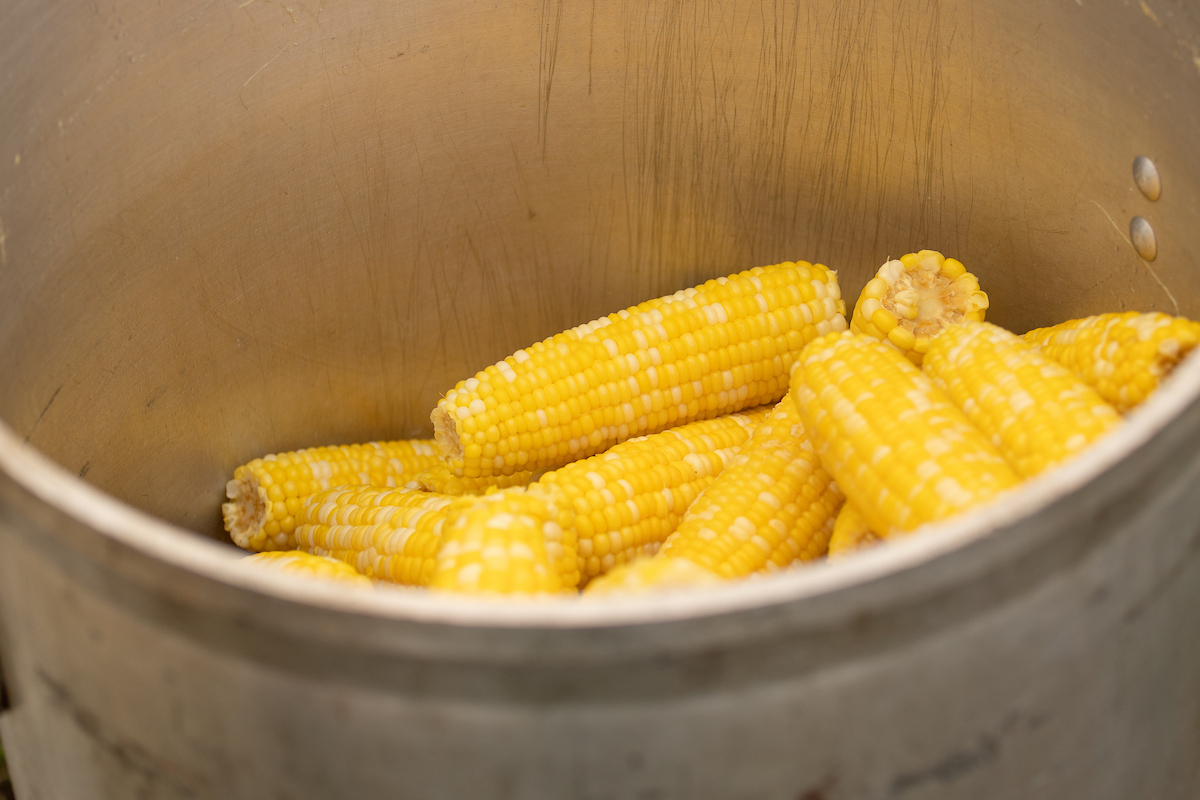
This is the Extension Corn Team’s full production guide for recommended practices to plant and maintain a corn crop in Georgia. Topics include agronomic practices, growth and development, fertilization, irrigation, weed, insect and disease management, harvesting and drying, protecting stored corn, soil health, and economics/budgets.
|
-
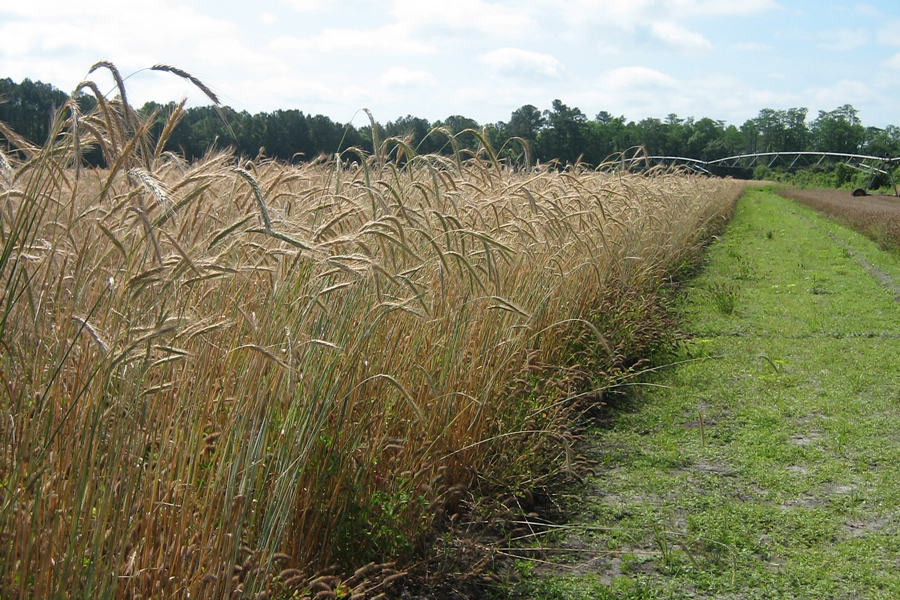
Cover crops have many benefits for farmers, including erosion control, weed suppression, and feeding the food soil web. Cover crops also play an important role in fertility, particularly for nitrogen.
One of the challenges facing farmers who use cover crops is quantifying the available nitrogen supplies to the following cash crop by the decomposing cover crop residues and how they might change their fertilizer management to account for this. This publication is intended to educate farmers on the nitrogen cycle, cover crops, and nitrogen; how nitrogen is released from cover crops; and the new Cover Crop Nitrogen Availability Calculator, including the steps necessary to use the Calculator.
|
-
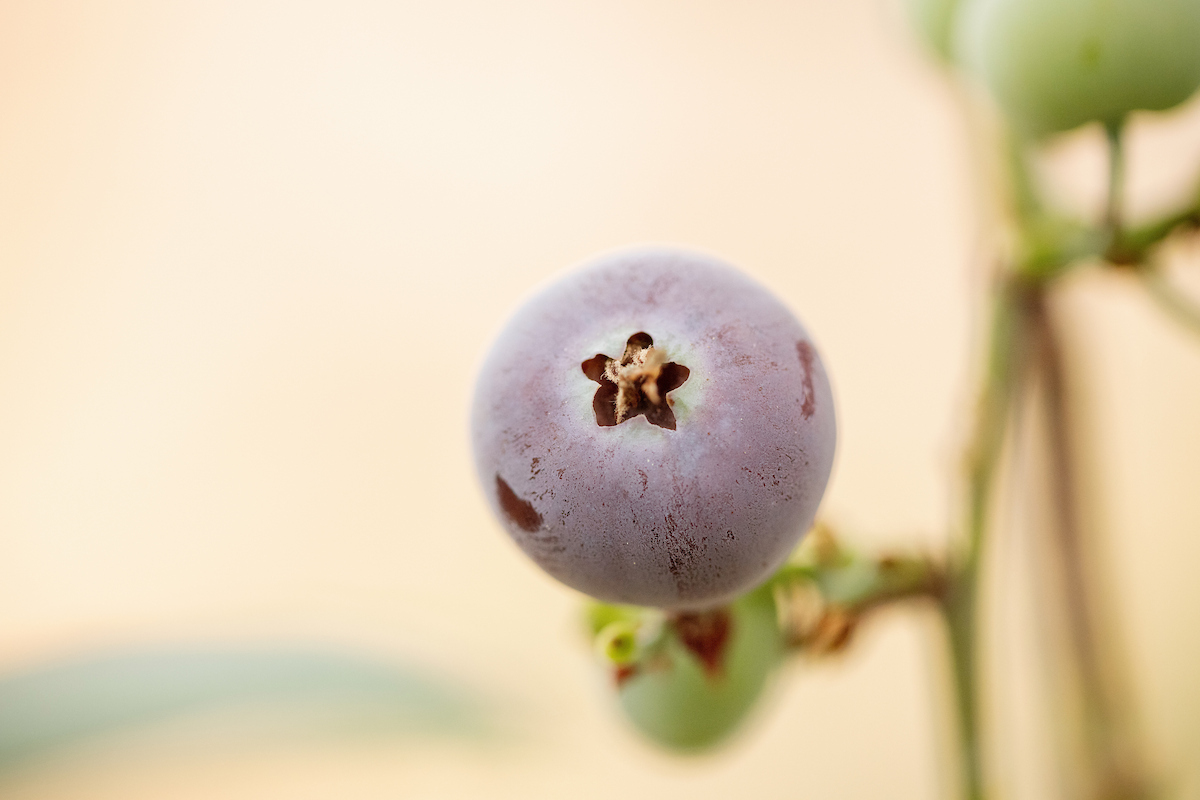
2022 plant disease losses, including control costs, amounted to an estimated $933 million. The value of the crops used in this estimate was approximately $8200 million, resulting in a 11.4% relative disease loss across all crops included in this summary. The estimated values for most crops used to compute these disease losses are summarized in the UGA Center for Agribusiness & Economic Development 2022 Georgia Farm Gate Value Report (AR-24-01). Some estimates for fruits, ornamentals, and turf rely on Extension specialists’ knowledge of the industry and industry sources for information.
|
-

This publication provides information on selecting an optimal soil sampling grid size that can accurately depict spatial nutrient variability within the fields in the southeastern US and helps in informing precision site-specific nutrient applications.
|