Field Crops Resources
-

Boom sprayer calibration using conventional methods (catching flow for certain time or distance) for large (60-90 ft; 54-72 nozzles) boom sprayers can be a time-consuming process. This short publication outlines steps to take to verify nozzle output and calibrate a boom sprayer, including tables with useful information on flow rates at multiple speeds for two common nozzle spacings and an equation for calculating rates if needed.
|
-

AP 124-1
2021 Georgia Cotton Production Guide
The 2021 cotton production guide provides an in-depth look at cotton production in Georgia and the southeastern United States. Issues discussed include economic outlook, fertility, weed management, insect management, disease and nematode management, irrigation decisions, precision ag technology, and general agronomics of the cotton crop (varieties, PGR applications, defoliation, etc.).
|
-

AP 124-2
2022 Georgia Cotton Production Guide
The cotton production guide provides an in-depth look at cotton production in Georgia and the southeastern United States. Issues discussed include economic outlook, fertility, weed management, insect management, disease and nematode management, irrigation decisions, precision ag technology, and general agronomics of the cotton crop (varieties, PGR applications, defoliation, etc.).
|
-
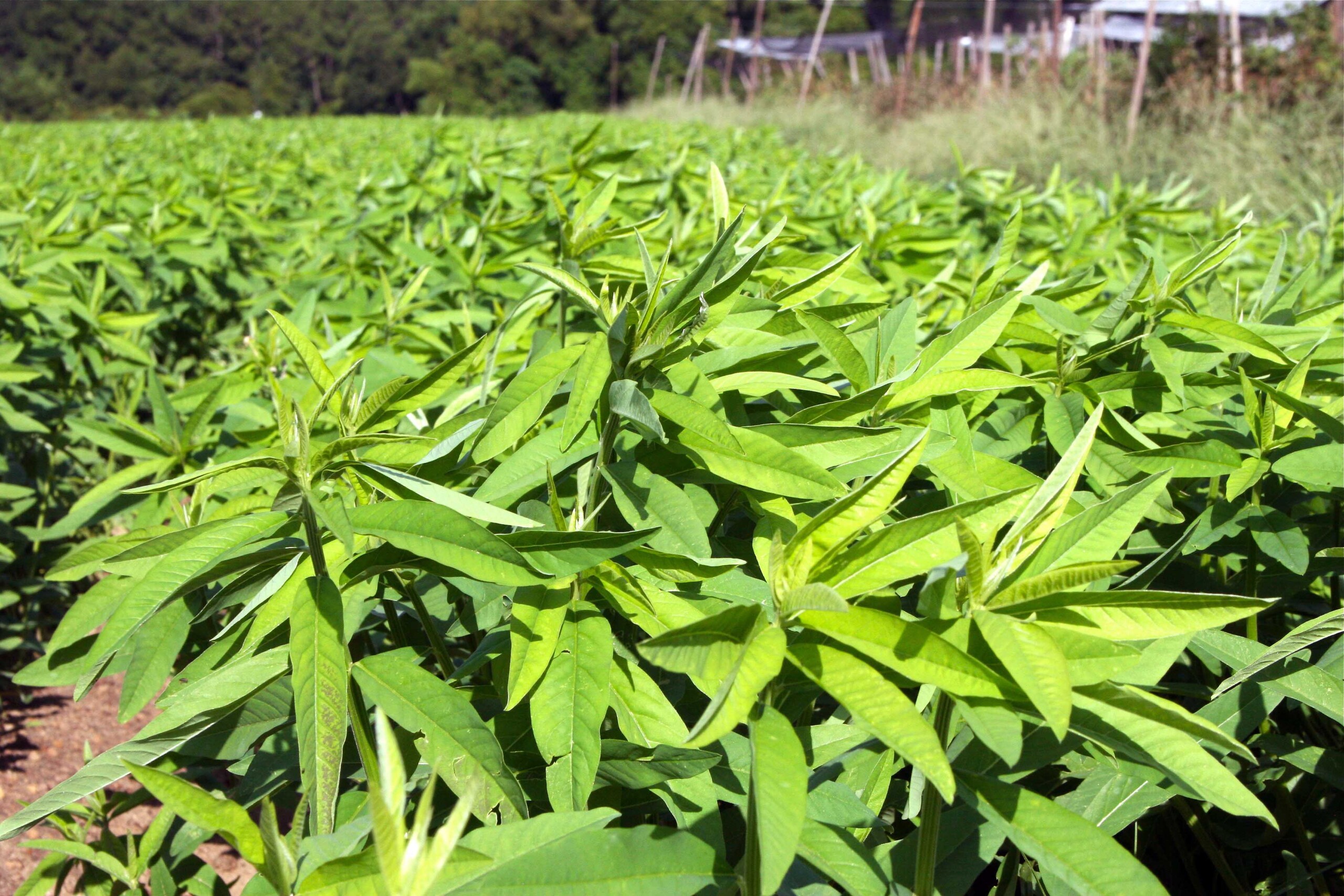
This publication is an introduction to growing industrial hemp for fiber production in Georgia. While not exhaustive, it outlines some of the major production challenges in growing this crop in the Southeastern U.S.
|
-

Brassica carinata is an annual oilseed crop used for the commercial production of jet fuel, animal feed, and valuable chemicals. Carinata has recently been introduced in Georgia as a cool season cash crop with cover crop benefits. Because it is grown in the winter, it has the potential to sustain and recover from frost damage. This publication outlines conditions that can cause frost damage and how the plant will react to this stress.
This resource was written in collaboration with the University of Florida’s Institute of Food and Agricultural Sciences Extension, the U.S. Department of Agriculture National Institute of Food and Agriculture, and the Southeast Partnership for Advanced Renewables from Carinata.
|
-

Georgia ranks in the nation’s top 10 in cowpea (southern pea, Vigna unguiculata) production, with estimates of more than 4,900 acres grown in approximately 49 of 159 counties in the state in the 2014 production season. Colquitt County, located in southwest Georgia, leads the state in production with 1,900 acres. This cowpea crop profile is the first in the Southeast United States and will support cowpea growers, pest manager, and state research and Extension grant proposal applications.
|
-

This horticulture publication is about the commercial production of southern peas.
|
-

EB 102
Success with Cover Crops
This publication discusses the benefits of planting cover crops, how to select an appropriate cover crop to meet your needs, and includes information about using cover crops successfully.
|
-

As farmers and farm advisers, you make many management choices during a growing season. For example, you may have to decide which cultivar to plant, which herbicide to use, how frequently to apply a fungicide, and what rate of nematicide to use. Often the information needed to make the best decision is available to you, but when it is not available you can frequently compare the options by conducting your own small experiments. Your experiments can be just as valid as any university study if you follow a few important principles of experimental design.
|