Field Crops Resources
-
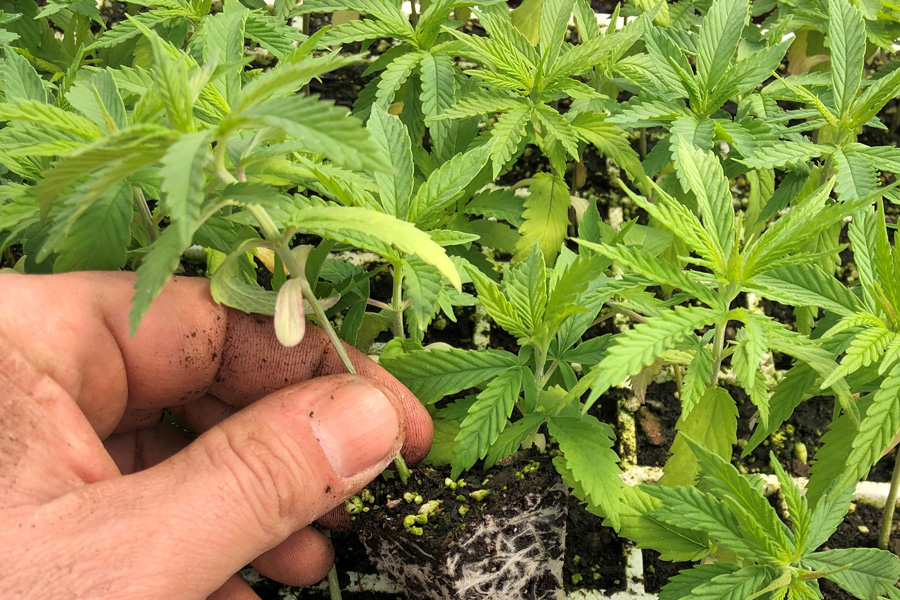
With the passage of the 2018 Agriculture Improvement Act, the federal government removed industrial hemp from the list of Schedule I drugs and opened up opportunities for farmers to produce this once widely grown crop. Although the brief guide that follows is not exhaustive, it is meant to provide basic information for growers who are considering hemp production of floral materials meant for the cannabinoid market. Cannabinoids may include CBD, CBG, etc. Due to the changes in rules and regulations that are likely to occur, we recommend readers look to the Georgia Department of Agriculture and the USDA for any clarification or questions they may have regarding the regulation of hemp production in Georgia.
|
-
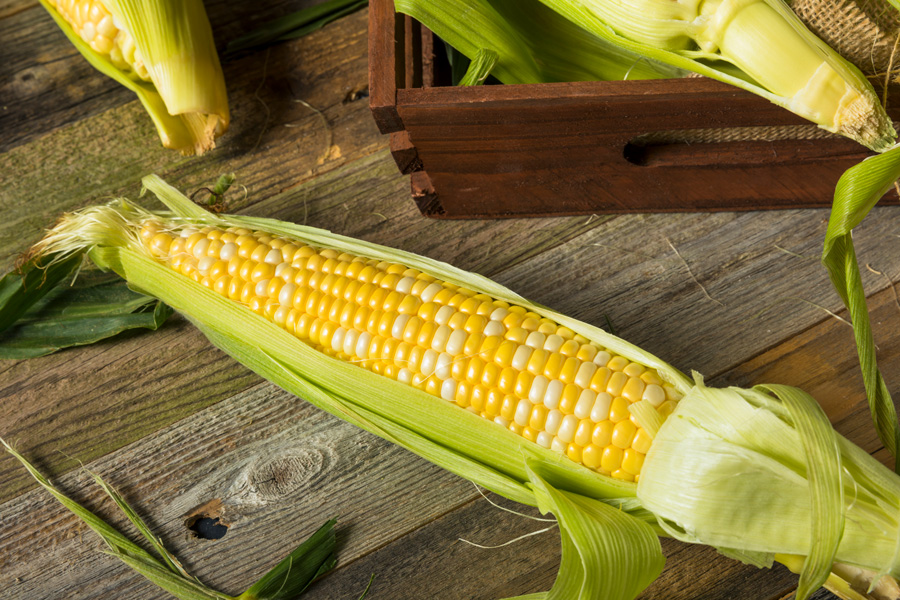
Summarizes shipper sweet corn production in southern Georgia.
|
-

This publication contains information on the most important and common diseases of oats, the biology of the causal agents, as well as a detailed description of the disease symptoms, relevant up-to-date information on conditions favoring the diseases, as well as cultural, genetic, and chemical methods of control. The publication is intended for producers, crop consultants, county faculty, students, and the general public.
|
-

The lack of proper planter setup and maintenance results in common planting mistakes that affects crop stand and yield every year. Growers can easily avoid these mistakes by following a few simple steps at the beginning of the planting season to ensure proper planter setup for maximized field performance. This simple and easy-to-follow checklist provides tips on how to properly set up different planter components to achieve a high and uniform stand establishment across the field. The checklist also includes a visual to identify the components available on a typical row-crop planter.
|
-
AP 124-3
2023 Georgia Cotton Production Guide
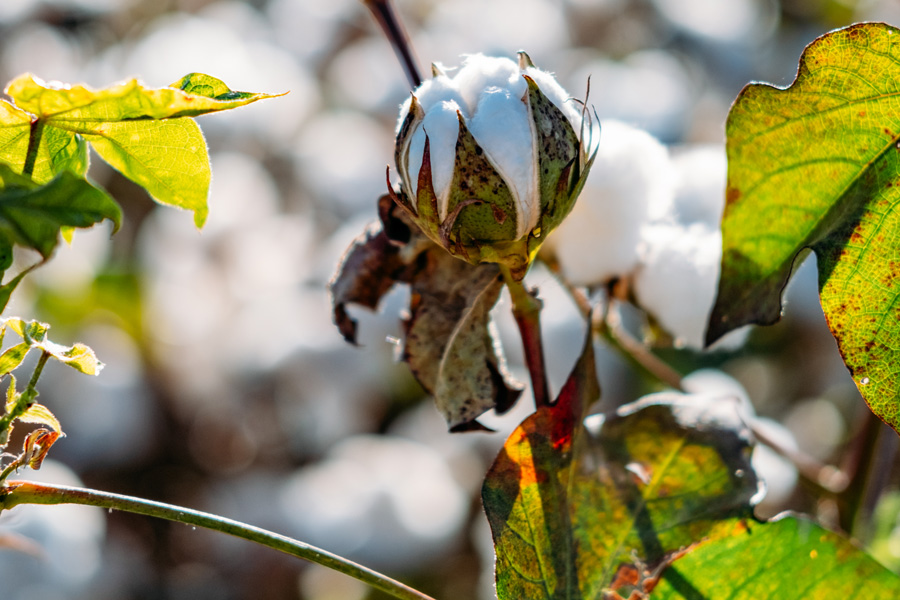
The 2023 edition of the cotton production guide provides an in-depth look at cotton production in Georgia and the Southeastern U.S. Issues discussed include economic outlook, fertility, weed management, insect management, disease and nematode management, irrigation decisions, precision ag technology, and general agronomics of the cotton crop (varieties, PGR applications, defoliation, etc.).
|
-
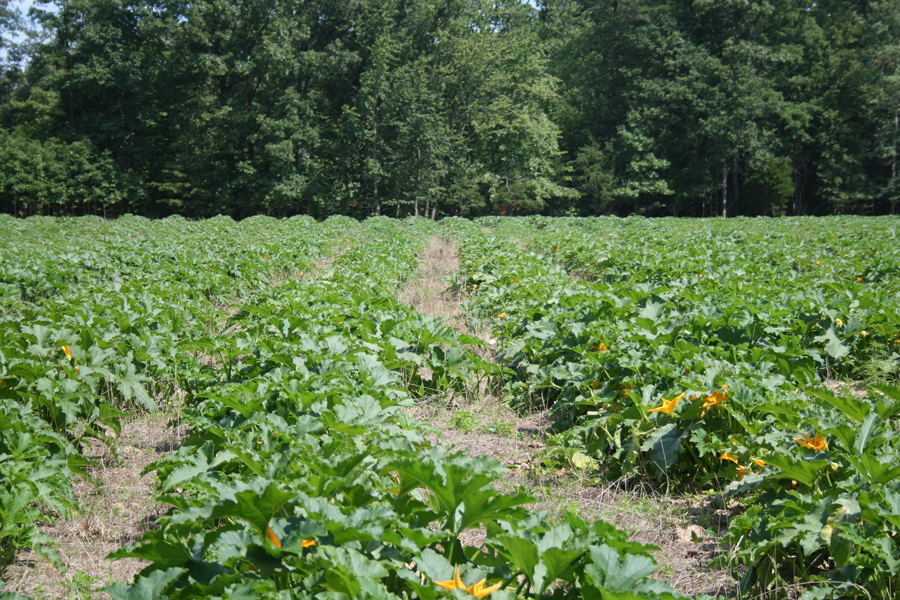
Conservation tillage with agronomic crops has been successful in Georgia production. Such production practices have several benefits, the most notable being the elimination of soil erosion. Other benefits include but aren’t limited to increases in soil organic matter, maintaining healthy root-zone soil, reduction of riparian and waterway pollution, and water conservation.
|
-

This publication discusses the proper calibration methods sprayers and other liquid applicators.
|
-
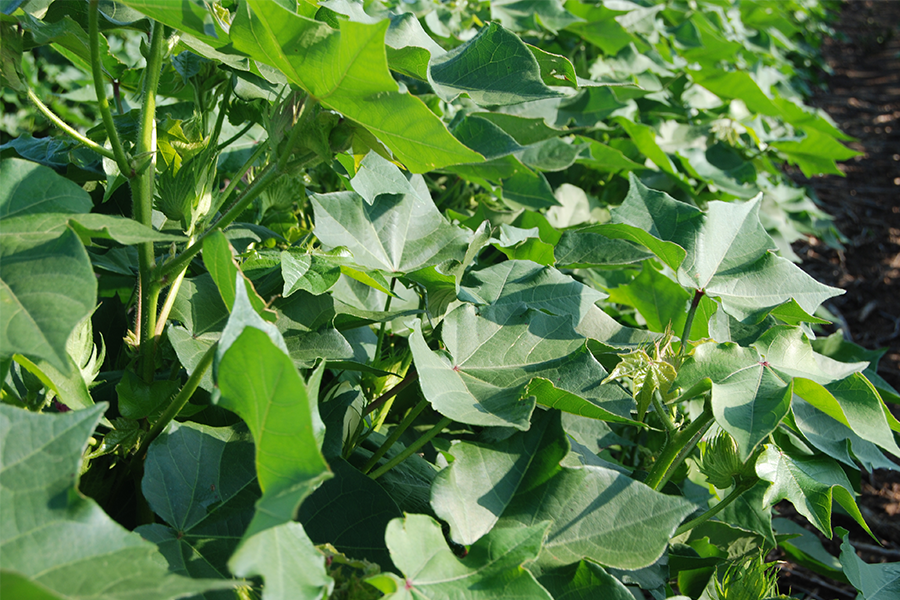
Cotton growth monitoring is vital to producing a healthy crop, making sure that the crop is growing on track, and that there are minimal stresses on the crop. Growth monitoring also can assist in making plant growth regulator (PGR) applications. PGR applications are complex, and many factors play into the decision of when to use them and at what rates. The goal of this publication is to discuss these factors and assist in determining when to make a PGR application.
|
-

Variety selection is one of the biggest decisions and investments cotton growers make each year. In 2010, the UGA Extension Cotton Agronomists implemented the UGA On-Farm Cotton Variety Evaluation Program to assist in this decision. Varieties are evaluated across a wide range of environments in the cotton producing regions of Georgia in cooperation with county agents and industry partners. The implementation of this program has made a tremendous impact on variety selection from year to year, and it will continue to have the same impact in the future.
|