Forages and Baleage Resources
-
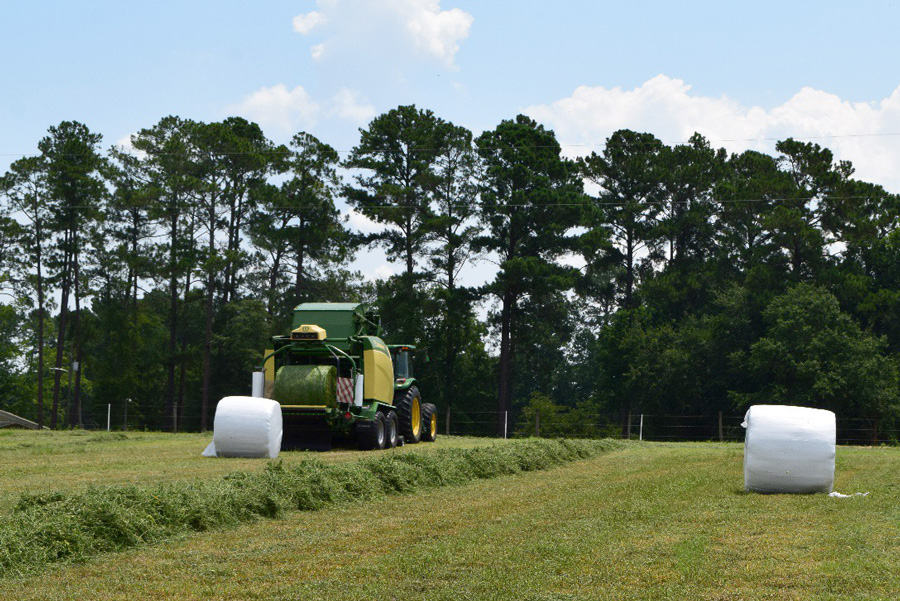
Baled silage, or “baleage,” is an excellent method for forage harvest, storage, and feed efficiency. Conserving forage as baleage enables harvests to be performed on a timely basis, allowing harvests to capture higher quality forage. This publication focuses on common questions about making and feeding baleage.
|
-

This publication highlights the role of selenium in animal nutrition; selenium concentration and distribution in soils and feedstuffs (grains and forages) produced in various parts of the United States and in Georgia; disorders resulting from Selenium deficiency or toxicity; various methods of selenium supplementation; and recommendations for selenium management in Georgia. This publication is intended to serve as an educational resource for university researchers and Extension specialists, county Extension agents and livestock, forage and feed producers, among others.
|
-
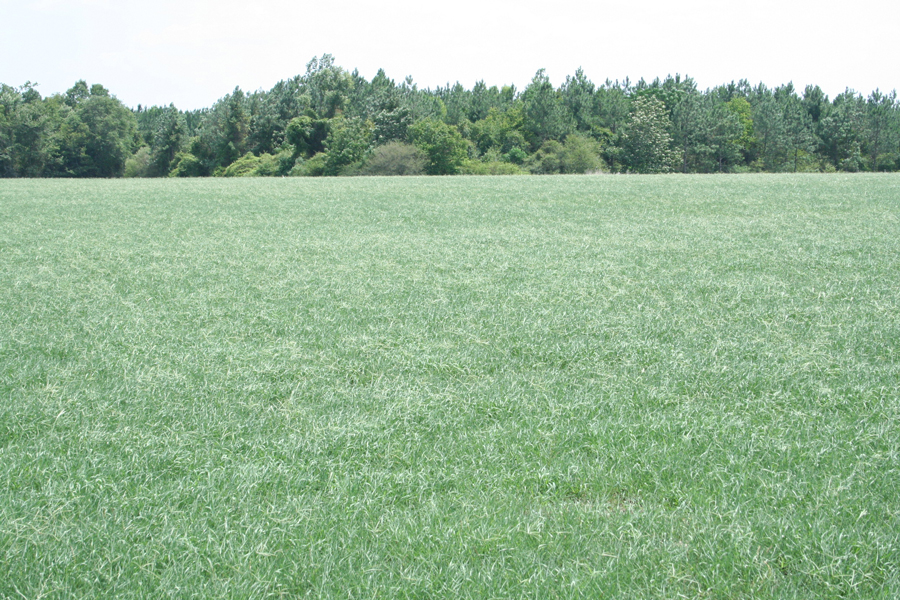
Bahiagrass (Paspalum notatum Flugge) is a long-lived, perennial warm season grass that is grown extensively in the southeastern United States. It is most commonly used as a pasture species, but can be used for hay production, erosion control, and wildlife habitat. Bahiagrass can also be used in “sod-based rotation” sequences that have been found to suppress pest problems (nematode and disease issues) in crops such as peanuts.
|
-
C 1180
Fescue Toxicosis in Horses
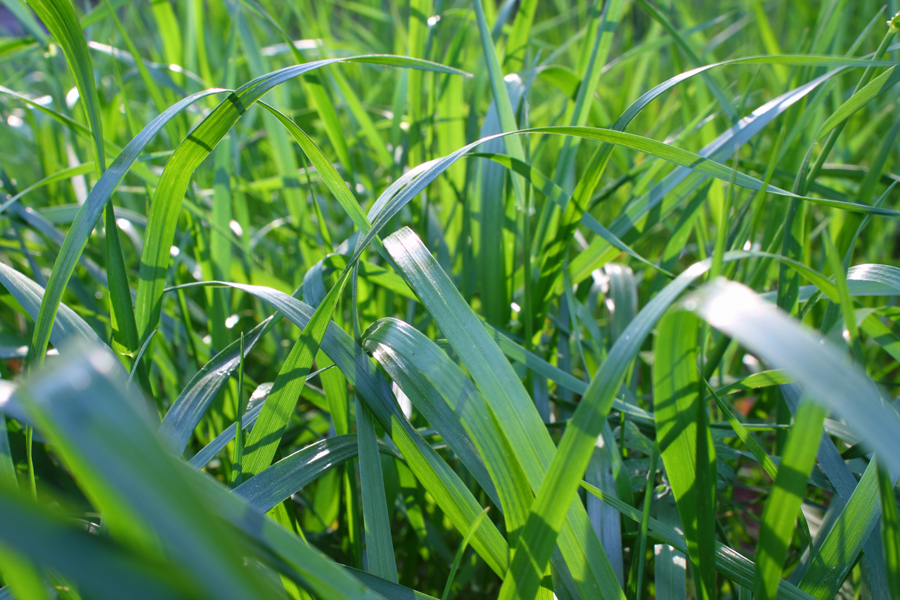
Tall fescue is the primary cool season perennial forage grown in the state of Georgia, and toxicity issues related to the grass can have significant impacts on equine reproduction. Tall fescue is the most heat tolerant of the cool season grasses due to a fungus that grows within the plant called an endophyte. This endophyte produces ergot alkaloids that can have negative effects on animals that eat the infected forage. The toxic effects of the endophyte can be successfully managed by eliminating the grazing or feeding of toxic tall fescue, as described in this publication.
|
-

Measuring, monitoring, and managing forage requires producers to regularly measure how much forage mass is present and how quickly that forage is growing. By using a rising plate meter, producers can assess the forage mass across several pastures quickly and with reasonable accuracy. Then, by comparing available forage in individual paddocks from one week to another, producers can determine the growth rate of the forage. In periods of poor growing conditions, management can be deployed to increase growth rates. In periods of rapid growth rate, decisions can be made to alter grazing sequences or plans can be made to harvest excess forage for hay or baleage. In short, the rising plate meter helps producers to assess the current status of each pasture and then make better decisions to increase the efficient use of that forage.
|
-
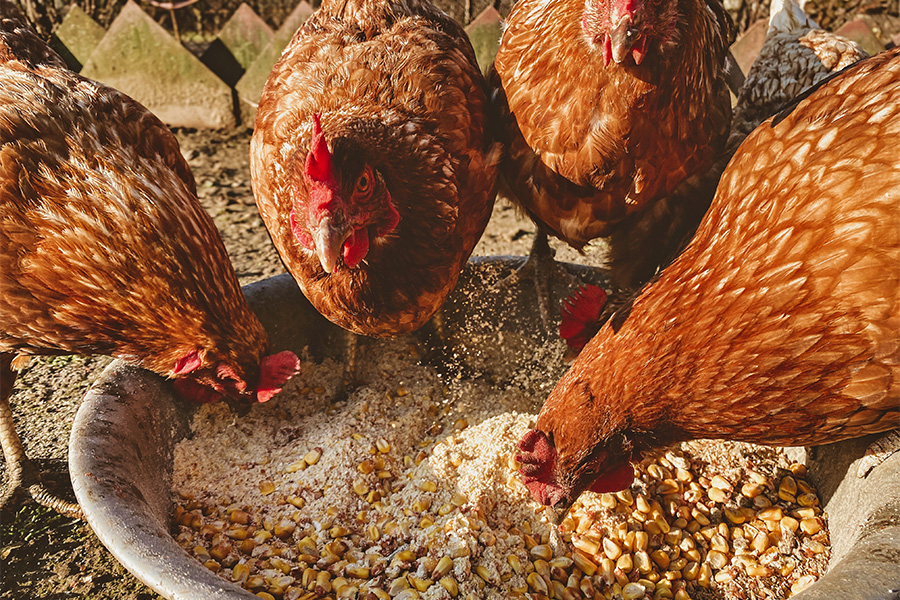
This bulletin is an educational reference for those who are interested in animal feeding and nutrition. It defines common terms used when discussing or reading about animal feeding and nutrition.
|
-

Bermudagrass leafspot is a disease that decreases yields, nutritive value and palatability. This publication discusses leafspot diagnosis and management in bermudagrass.
|
-

This research report presents the results of the 2019 corn, sorghum and summer annual forage performance trials. Trials were conducted at seven locations throughout Georgia, depending on the crop. These included Tifton, Plains, and Midville in the Coastal Plain region, Athens and Griffin in the Piedmont region, Calhoun in the Limestone Valley region, and Blairsville in the Mountain region. Hybrids used for silage were evaluated at Tifton, Athens, Calhoun, and Blairsville.
|
-

This research report presents the results of the 2017 statewide performance tests of soybean, sorghum grain and silage, and summer annual forages. The tests for various evaluations were conducted at several or all of the following locations: Tifton, Plains, and Midville in the Coastal Plain region; Griffin and Athens in the Piedmont region; and Calhoun in the Limestone Valley region.
|