Fruit and Vegetable Production Resources
-

Note: This publication contains data from an average of the 2020-21 and 2021-22 orange harvest seasons (exceptions noted in the chart). The commercial citrus industry in Georgia has only recently been established, with most groves planted after 2014. As of 2022, approximately 75% of the 3,300 acres of citrus planted in Georgia are satsumas, but that proportion is trending downward. To strengthen the new Georgia citrus industry, growers recently have begun to diversify their citrus varieties. Research is being conducted to determine how these varieties will perform under Georgia weather and soil conditions: which varieties can best tolerate Georgia’s winter weather, and what are the cultural norms such as maturation time, fruit quality, and insect and disease tolerance. This publication is associated with Circular 1275, the initial publication containing reference photos for the varieties tested.
|
-
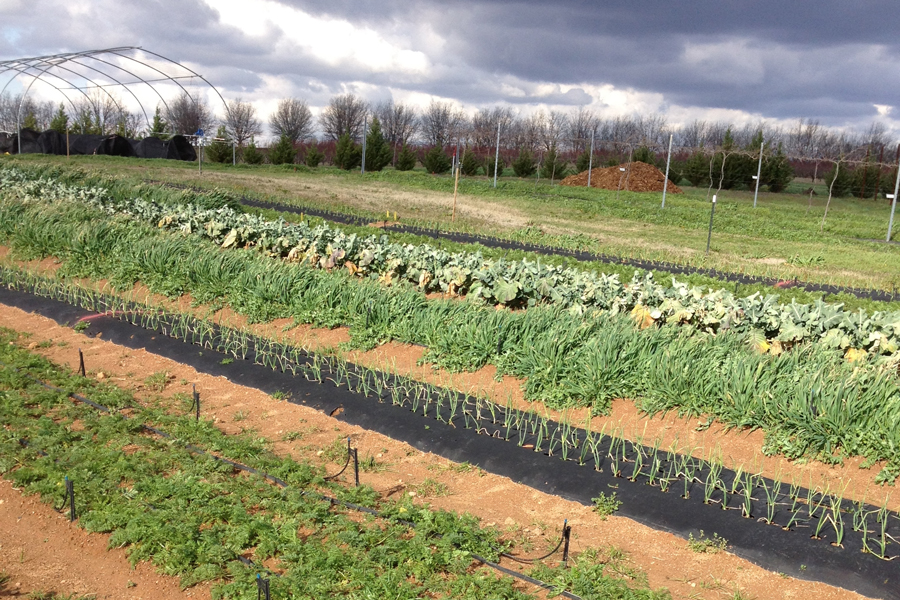
Interest in organic food has been growing over the past twenty years. In Georgia, growing conditions during the summer are particularly difficult for organic producers due to high insect, disease, and weed pressure. However, pest pressures are much reduced when the weather cools. The moderate conditions of late fall to spring are ideal for production of many cool-season crops in the Southeast, including many crops that are traditionally grown as summer crops in other parts of the country. Shifting cash crop production to the fall through spring season may allow farmers to produce high-value crops more efficiently. This strategy may be particularly effective for those interested in wholesale production. This also leaves a window in the summer for cover crops that have many benefits. This bulletin discusses organic cool-season vegetable production and gives guidance for maintaining both soil health and successful production.
|
-
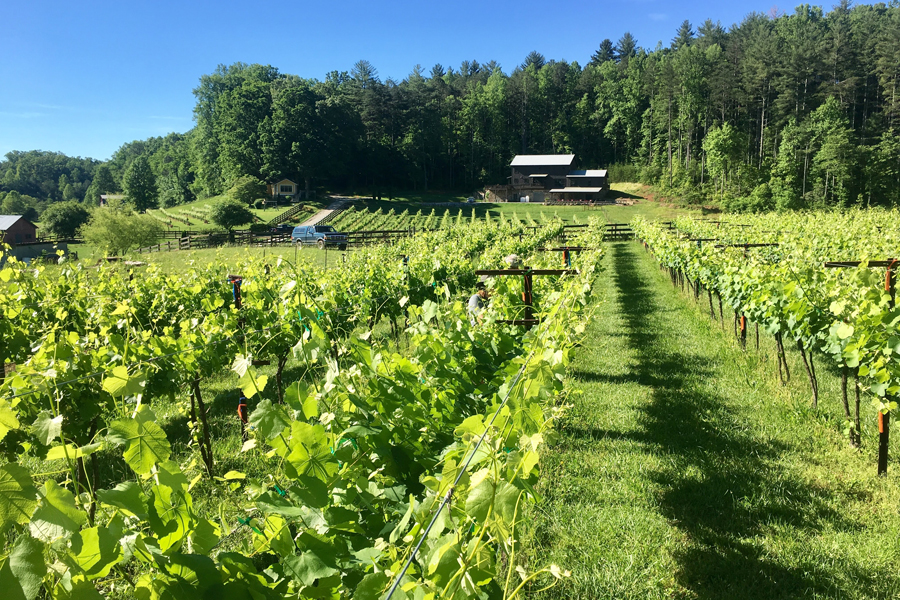
The Athena bunch wine grape training system was developed by the University of Georgia to increase crop yield in modest-yielding cultivars. The Athena is a divided-canopy system retrofit to the industry standard single-canopy trellising system with vertical shoot positioning. Athena training involves laying four canes and dividing the canopy through a series of cross arms fastened to the vineyard posts in a V-shape. The goal of this publication is to educate new growers, seasoned industry members, and Extension agents on the Athena training system for bunch wine grapes.
|
-
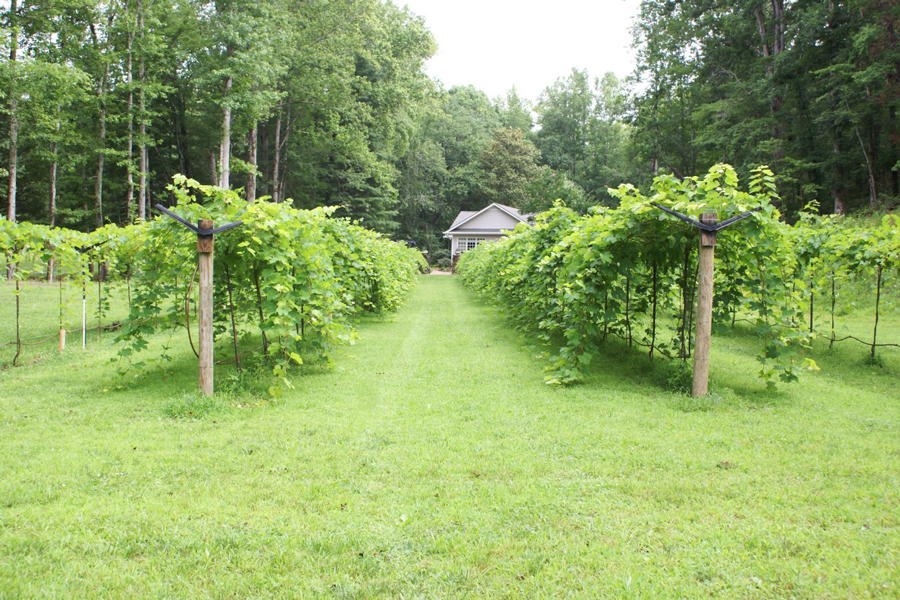
There are two main trellising system categories: divided and single canopy. Jerry Watson, a grape grower and owner of Austin County Vineyards in Cat Spring, Texas, developed the divided canopy “Watson System” in 2002 to solve some issues he was having with bunch rot management and harvest inefficiency in his vineyards. The Watson hardware and wires separate clusters from the canopy foliage and limit cluster touching compared to a standard, single high wire system. A high wire-trained vineyard could be retrofitted to Watson training with success.
|
-
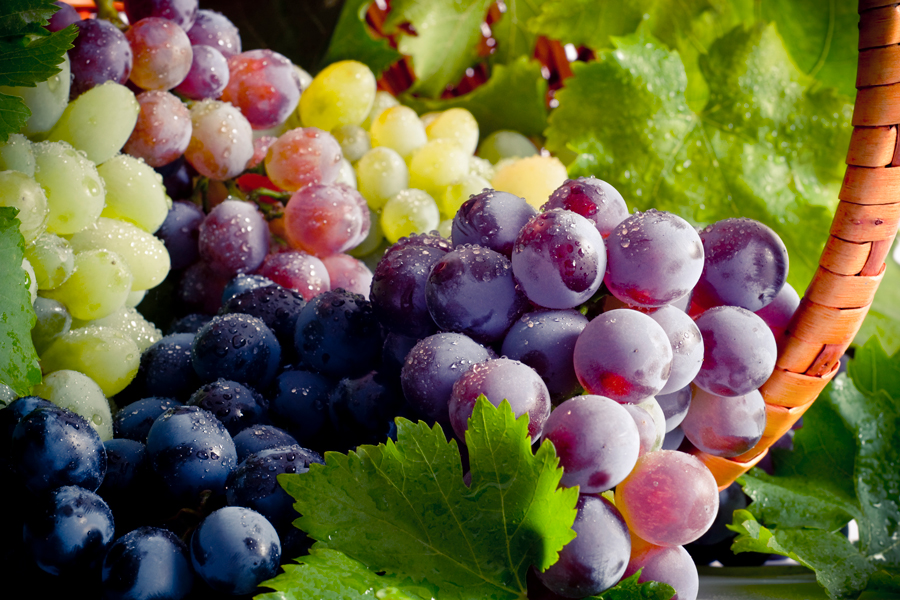
This is a new annual guide for managing diseases, insects, weeds, and wildlife in bunch grapes in the Southeast. This regional integrated pest management guide provides recommendations based on information from the manufacturer’s label and performance data from research and Extension field tests. This publication is intended for use only as a guide. Specific rates and application methods are on the pesticide label, and these are subject to change at any time. This publication is a product of the Southern Region Small Fruit Consortium.
|
-

The commercial citrus industry in Georgia has only recently been established, with most groves planted after 2014. Initially, satsuma mandarins (Citrus unshiu) on trifoliate rootstocks (Poncirus trifoliata) were planted for their cold-hardiness, seedlessness, and ease of peeling. Satsuma fruits begin to attain commercial maturity in early November and usually avoid hard freezes in southern Georgia. As of 2022, approximately 75% of the 3,300 acres of citrus planted in Georgia are satsumas, but that proportion is trending downward. To strengthen the new Georgia citrus industry, growers recently have begun to diversify their citrus varieties. Little is known about how these varieties will perform under Georgia weather and soil conditions. Therefore, research is necessary to determine what varieties can best tolerate Georgia’s winter weather and to determine cultural norms such as maturation time, fruit quality, and insect and disease tolerance. This publication is associated with Circular 1275, the initial publication containing reference photos for the varieties tested.
|
-
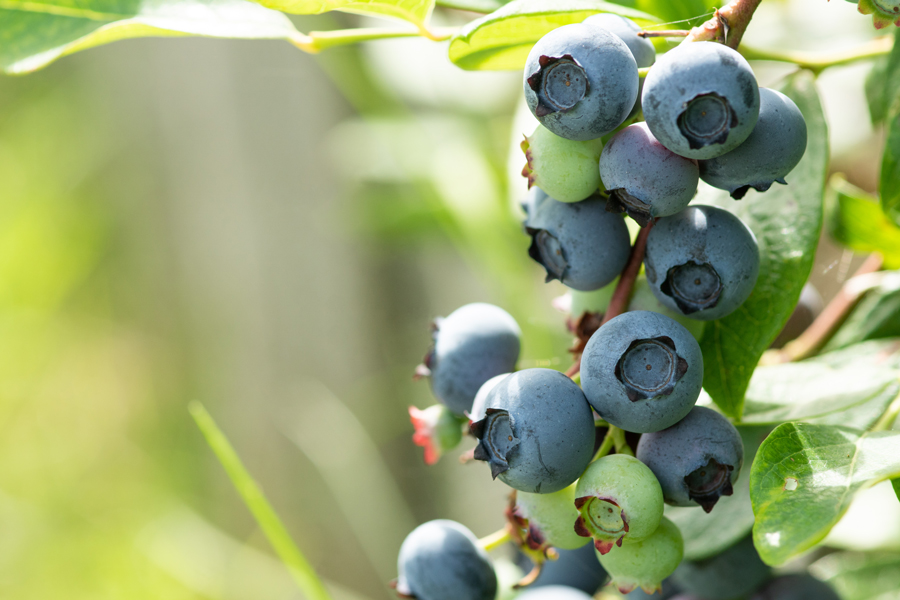
This resource is for commercial blueberry growers and covers basic postharvest harvesting, handling and cold storage principles for fresh-market blueberries to ensure the highest possible shelf life and quality while minimizing postharvest losses.
|
-

Drip irrigation is an important component of vegetable production systems in Georgia. Drip irrigation is more desirable than other irrigation methods for several reasons. Two important advantages are (1) water conservation and (2) potentially significantly improving fertilizer management. Fertigation is the timely application of small amounts of fertilizer through drip tubes directly to the root zone. Compared to conventional ground application, fertigation improves fertilizer efficiency.
|
-

Producing greenhouse-grown containerized transplants is an increasingly popular way to establish vegetable crops. Compared to field-grown transplants, greenhouse transplants have several advantages. They can be produced earlier and more uniformly than field-grown plants. Their growth can be controlled more easily through fertility and water management and they can be held longer and harvested when needed.
|