Fruit and Vegetable Production Resources
-
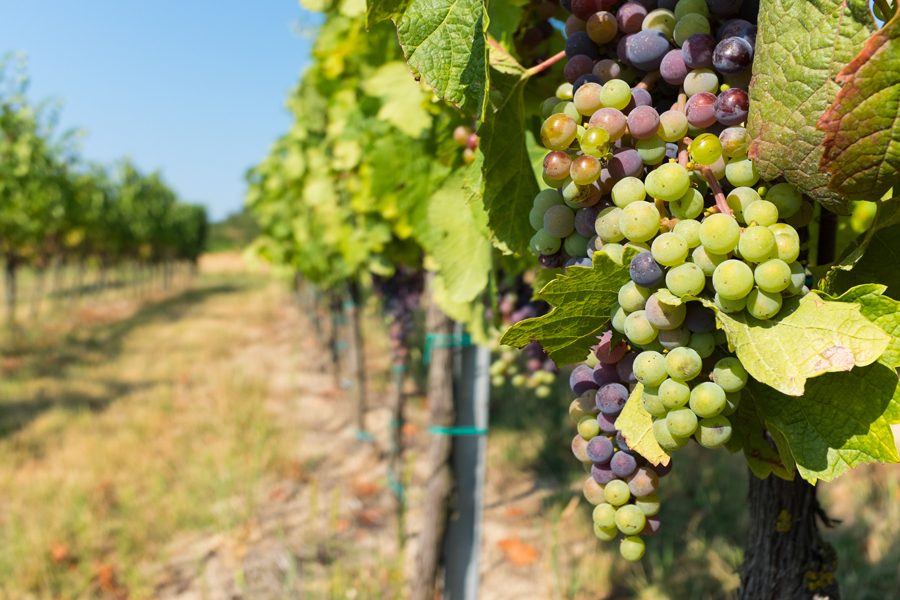
There are many ways to manage grapevine growth, and many grape-growing regions implement unique and preferred training methods. Vine growth management is achieved by applying a trellising system, which is a framework of metal cross arms, wires, and support posts that are used to direct grapevine vegetation to maximize fruit quality and production. Trellising and pruning combinations will sometimes be referred to as “training” systems, but “trellising,” “training,” and “pruning” are not interchangeable terms. Understanding the different forms of trellising and pruning can be a challenge for new growers. The goal of this publication is to provide a general introduction to some of the more common trellising and pruning terms used to describe grapevine management systems. There is a glossary at the end of this publication.
|
-
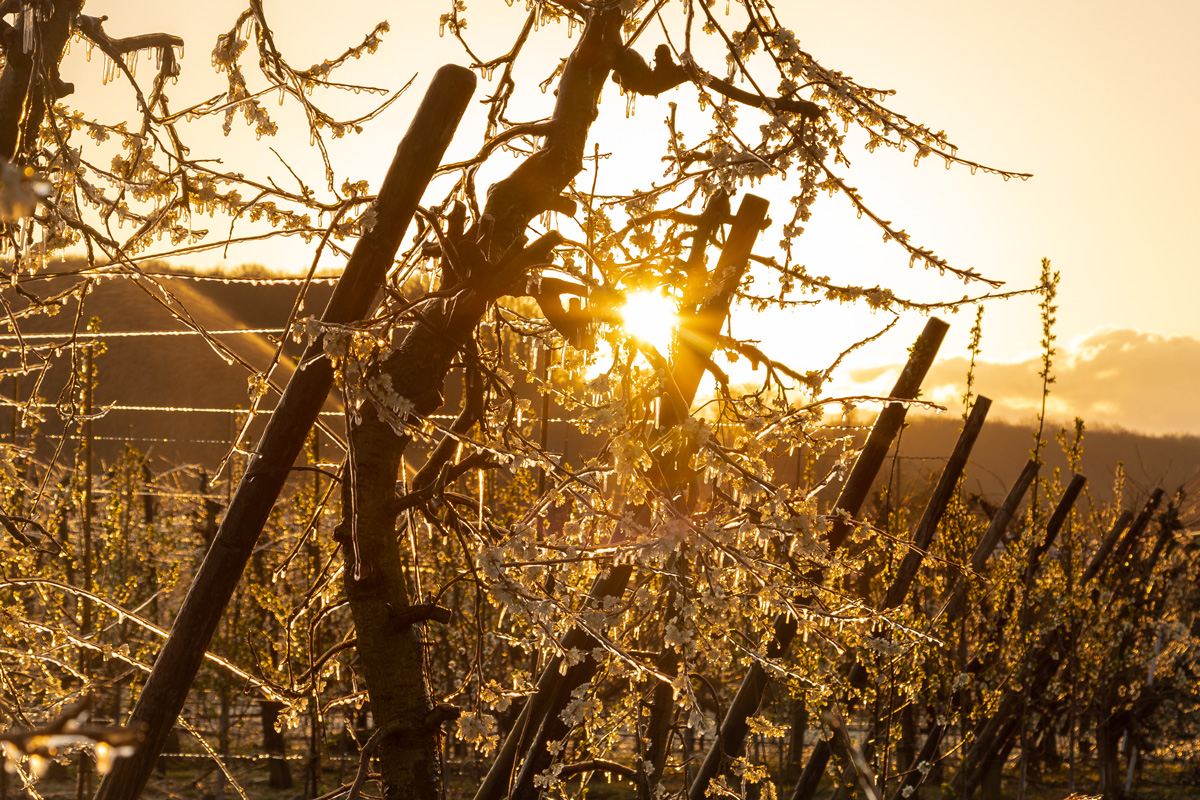
Freeze protection efforts should be based on the type of freeze, temperature, and wind speed that is impacting your crop. To apply frost protection, consider your crop value, the freeze protection capacity of your system, and the crop’s susceptibility to injury at each growth stage.
|
-

This publication provides information on variety types, suggested vegetable varieties for organic production, and steps to saving your own seed.
Organic farming and vegetable production are becoming increasingly popular. Nationally, organic sales have increased 80% since 2007, organic produce has a wholesale value typically twice that of conventional produce, and 75% of organic products are sold within 100 miles of the farm. These facts suggest that there is a tremendous market potential for organic vegetables in Georgia, yet organic production remains only a fraction of conventional vegetable production. Because of our humid subtropical climate, organic production in the Southeast is continually challenged by intense disease, insect and weed pressure. The purpose of this guide is to detail the importance of varietal selection for organic growers.
|
-

Vegetables require careful handling, storage, and monitoring to ensure the maximum postharvest life span. Because we are dealing with live organisms, the maximum attainable shelf life of vegetables can easily be affected depending on preharvest and postharvest factors that often manifest during storage. Following storage recommendations for each specific commodity helps to ensure the best quality and marketability of fresh produce. This circular contains basic guidance for the storage of most of Georgia-grown vegetables.
|
-
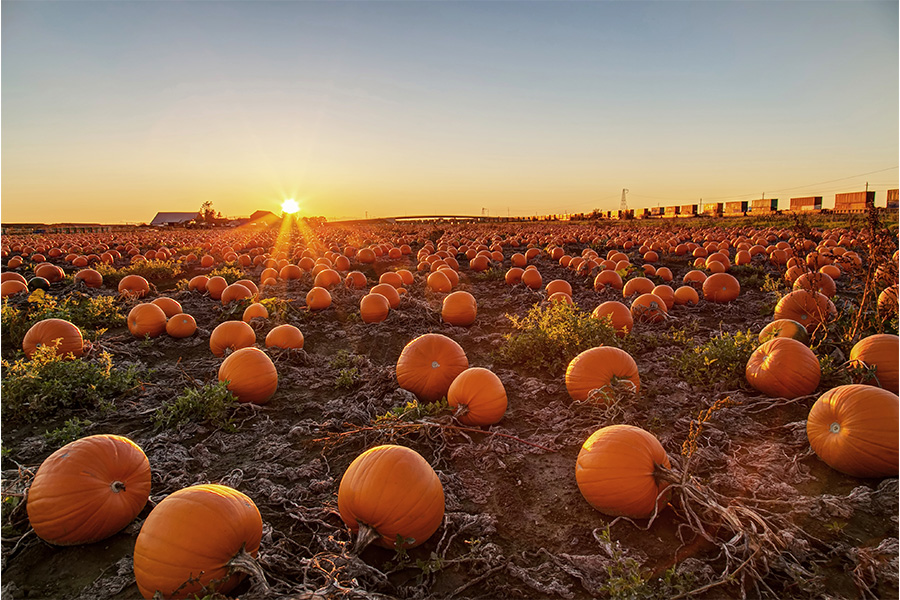
The seven topics covered in this publication are all integral parts of a successful pumpkin/gourd management program. Each topic is designed to focus on a particular aspect of production and provide the latest management technology for that phase of production. It is hoped that the information contained in this publication will assist growers in improving profitability.
|
-
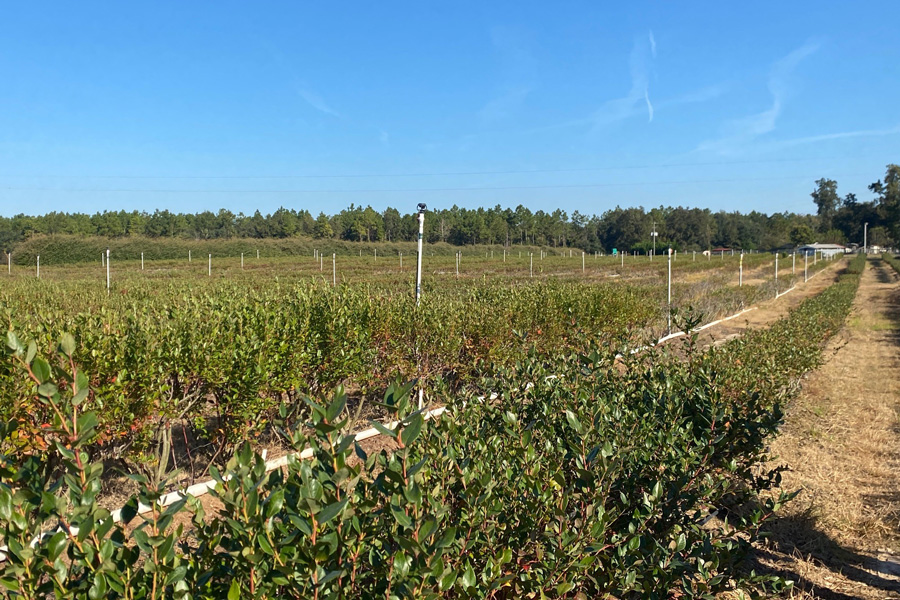
C 1267
Blueberry Pre-Establishment
This publication covers the considerations producers need to have in mind when choosing a site to plant blueberry. It describes the soil characteristics that are needed to grow and produce blueberry, how to identify good soil, soil drainage, and how prior crops could affect blueberry productivity.
|
-
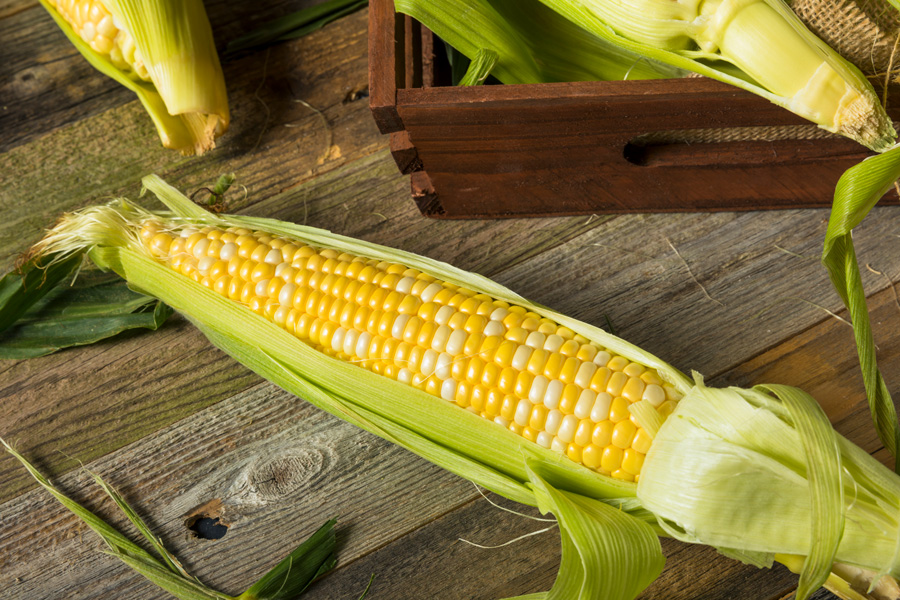
Summarizes shipper sweet corn production in southern Georgia.
|
-
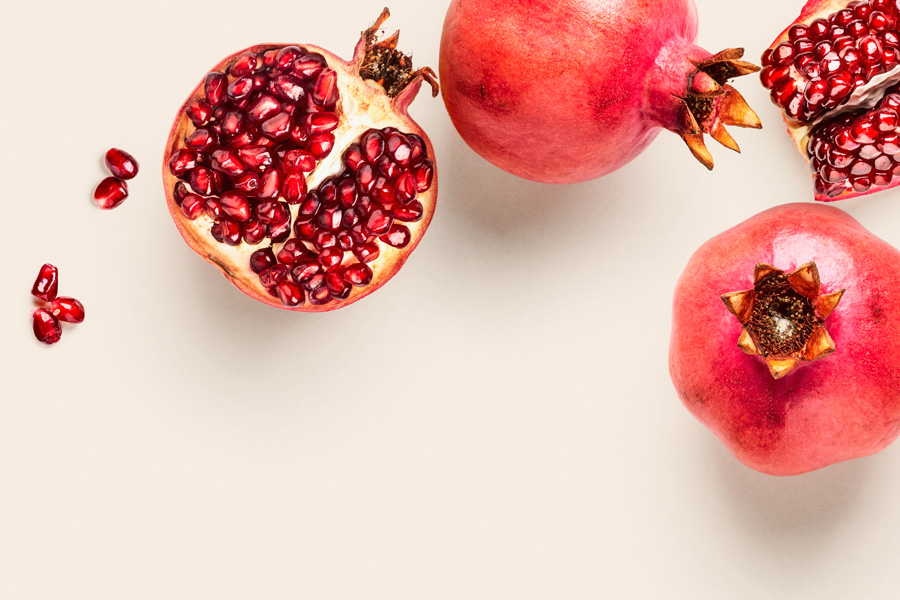
Pomegranate is an emerging crop that has been experiencing a significant expansion in Georgia. Pomegranates are excellent sources of sugars, soluble fibers, vitamins, minerals, and phytochemicals, including polyphenols with strong antioxidant activity. Because of their nutritional content, pomegranates are considered functional foods (foods that provide health benefits in addition to basic nutrition). This resource describes the main phytochemicals present in pomegranate fruits and provides an overview of the potential value-added products that may be developed from Georgia-grown pomegranates.
|