UGA College of Agricultural & Environmental Sciences Field Report
  • Stories
    Almanac

    Science in service of humanity and the environment

    Read our annual magazine here

    READ


    Dive into engaging stories that showcase our statewide, national and global impact.

    Check out our written stories here

    LOOK


    Browse curated photo galleries capturing the people, places and programs that bring CAES to life.

    Check out our photo galleries here

    WATCH


    Experience our stories through videos that highlight our people, projects and passions in action.

    Check out our video library here

    LISTEN


    Tune in to “Cultivating Curiosity,” our podcast featuring in-depth conversations with CAES experts.

    Check out our podcast here
  • Expert Resources

    Expert Resources


    From farms and gardens to families and finances, our expert resources empower Georgians with trustworthy, practical science.

    Gardening
    Invasive species
    Food and food safety
    Ants, termites and other pests
    Pollinators
    Livestock
    Emergency preparedness
    Home safety and maintenance
    Health, family and finances
    Nutrition
    Water quality
    Lawn maintenance and landscaping
    Turfgrass
    View all topics

    What is an Expert Resource?


    We publish unbiased, research-backed expert advice to empower Georgians with practical, trustworthy information they can trust.

    These resources are written and reviewed by experts in the UGA College of Agricultural and Environmental Sciences and the UGA College of Family and Consumer Sciences.

    Learn how we produce science you can trust
  • Events
  • Contact
  • Read
  • Look
  • Watch
  • Listen
Subscribe
  • LinkedIn
  • Facebook
  • Instagram
  • Stories
    Almanac

    Science in service of humanity and the environment

    Read our annual magazine here

    READ


    Dive into engaging stories that showcase our statewide, national and global impact.

    Check out our written stories here

    LOOK


    Browse curated photo galleries capturing the people, places and programs that bring CAES to life.

    Check out our photo galleries here

    WATCH


    Experience our stories through videos that highlight our people, projects and passions in action.

    Check out our video library here

    LISTEN


    Tune in to “Cultivating Curiosity,” our podcast featuring in-depth conversations with CAES experts.

    Check out our podcast here
  • Expert Resources

    Expert Resources


    From farms and gardens to families and finances, our expert resources empower Georgians with trustworthy, practical science.

    Gardening
    Invasive species
    Food and food safety
    Ants, termites and other pests
    Pollinators
    Livestock
    Emergency preparedness
    Home safety and maintenance
    Health, family and finances
    Nutrition
    Water quality
    Lawn maintenance and landscaping
    Turfgrass
    View all topics

    What is an Expert Resource?


    We publish unbiased, research-backed expert advice to empower Georgians with practical, trustworthy information they can trust.

    These resources are written and reviewed by experts in the UGA College of Agricultural and Environmental Sciences and the UGA College of Family and Consumer Sciences.

    Learn how we produce science you can trust
  • Events
  • Contact
  • Read
  • Look
  • Watch
  • Listen
Subscribe
  • LinkedIn
  • Facebook
  • Instagram
Subscribe
  • LinkedIn
  • Facebook
  • Instagram
  1. Home
  2. Expert Resources
  3. Topics
  4. Fruit and Vegetable Production

Fruit and Vegetable Production Resources

Use the Advanced Search
  • C 852

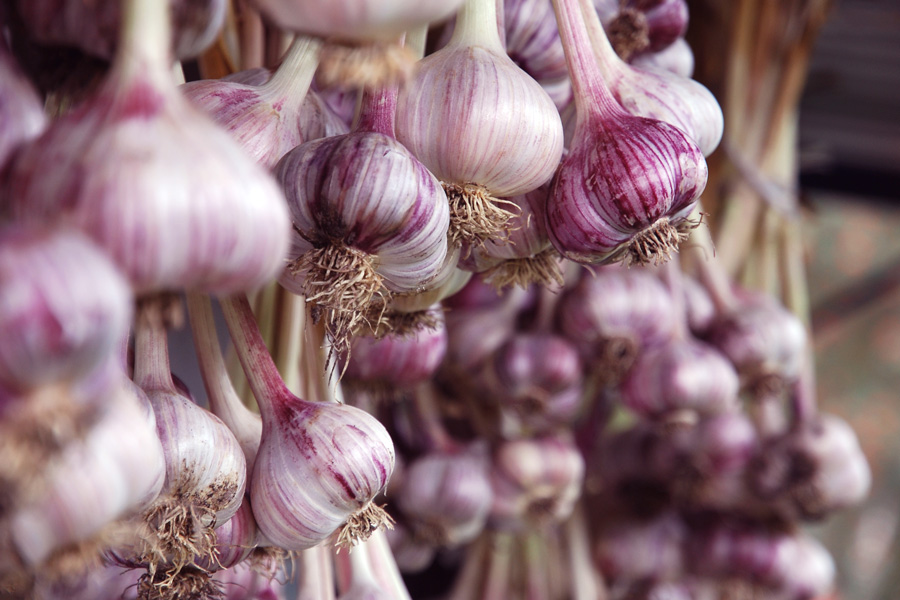
    Production and Management of Garlic, Elephant Garlic and Leek

    This publication discusses how garlic, elephant garlic, and leek can be grown successfully in South Georgia.

    Timothy Coolong

    |

    Oct. 5, 2023
  • C 1274

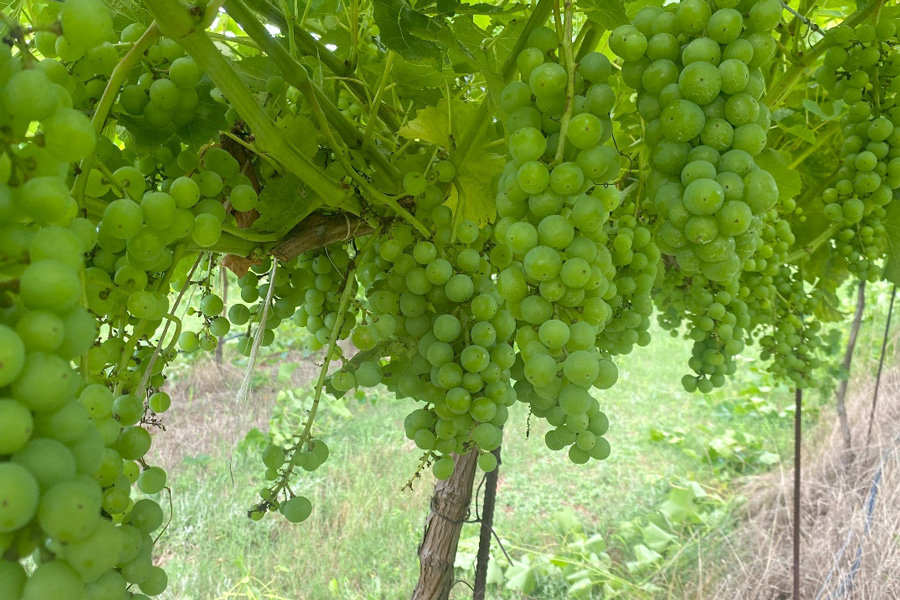
    Blanc du Bois

    ‘Blanc du Bois’ has made a significant contribution to wine production in southeastern regions where Pierce’s disease is prevalent. Though possessing resistance or tolerance to Pierce’s disease, Phylloxera, and powdery mildew, this cultivar is not without fault, and it does require an intensive integrated pest management (IPM) program. We cover here the major issues observed with this cultivar.

    Phillip M. Brannen, Shane Breeden, and Walter Willis Sanders

    |

    Sept. 22, 2023
  • B 1545

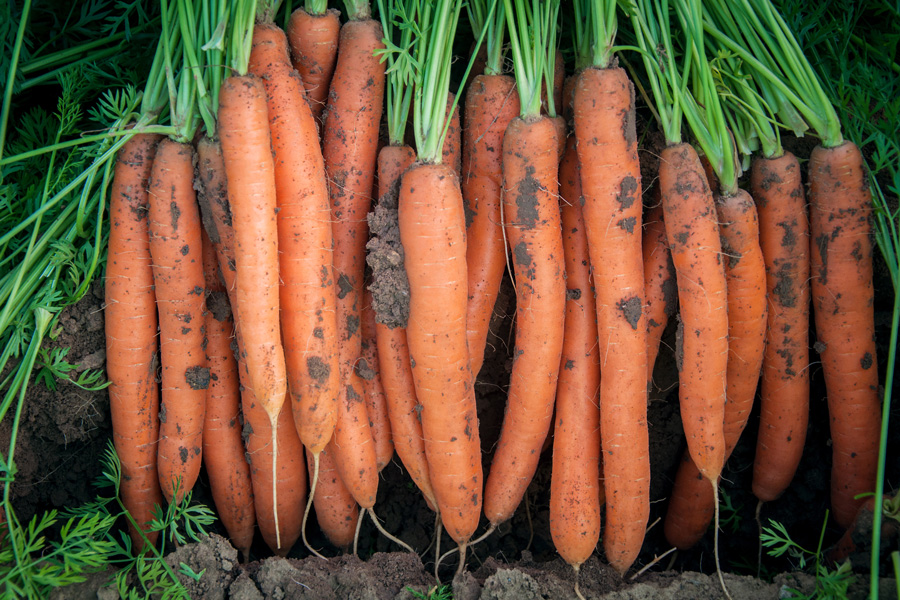
    Development and Control of Plant-Parasitic Nematodes in Carrots

    Carrots suffer significant yield losses from nematode pests because the harvested edible product (taproot) is directly affected by nematode infection, resulting in reduced marketable yield and quality. Root-knot nematodes (Meloidogyne spp.) are widespread in several counties in South Georgia and cause serious damage to carrots. Stubby-root (Paratrichodorus or Nanidorus spp.) and root-lesion (Pratylenchus spp.) nematodes are also common in these regions, though, their damage potential to carrots has not yet been established. This publication reports information on nematode detection, biology, and different control practices for the proper production of carrots.

    Intiaz Amin Chowdhury and Abolfazl Hajihassani

    |

    Sept. 20, 2023
  • B 1551

    How to Generate Income on 20 Acres or Less

    The idea of producing your own food in a clean, controlled environment is very appealing. While dreams may be big, careful research and planning should be done prior to jumping into any farm venture. Important items such as desire, capital, feasibility, labor, demographics, and marketing all need to be considered.

    Bob Westerfield and Makenzie English

    |

    Sept. 19, 2023
  • 2023 Fruits and Tree Nuts Outlook

    AP 130-1-04

    2023 Fruits and Tree Nuts Outlook

    1. The three major U.S. peach-producing states experienced a significant fall in production which cumulatively reduced our 2022 production by 15%. Since it is difficult to predict whether the weather and water shortage that contributed to the decrease in production will persist, chances are that the situation may improve in 2023, but not by much. 2. The significantly high price received by peach and orange producers was instrumental in maintaining a strong consumer price index in 2022. The producer price index is expected to stay strong in 2023. 3. In 2023, blueberry imports from Chile, Peru, and Mexico will continue to increase—domestic harvests only get into the market beginning mid-March, and total production is not enough to satisfy high domestic demand. 4. Georgia pecans will continue to dominate the tree-nut industry in the 2023 crop year and prices are expected to improve, especially if China increases it imports of U.S. pecans.

    Esendugue Greg Fonsah and Amanda R Smith

    |

    Aug. 28, 2023
  • 2023 Vegetables and Pulses Outlook

    AP 130-1-05

    2023 Vegetables and Pulses Outlook

    1. Although the total U.S. fresh vegetable and harvested area decreased by 7% in 2021 compared to 2020, the harvested area is expected to improve in 2023—but not enough to offset 2021. 2. Total vegetables and pulses imports were $18.6 billion in 2021, an increase of 10.2% compared to 2020. This import trend is expected in 2023 despite the supply chain disruption. 3. Production input prices will continue to fluctuate depending on the situation in the Ukraine and Russia war. It’s likely that prices will continue to escalate if the U.S. government does not come up with a contingency plan.

    Esendugue Greg Fonsah and Amanda R Smith

    |

    Aug. 28, 2023
  • 2023 Corn, Soybean, and Wheat Outlook

    AP 130-1-06

    2023 Corn, Soybean, and Wheat Outlook

    1. The Russia-Ukraine war and Mexico’s plan to ban genetically modified corn from the United States will increase uncertainty regarding corn prices. 2. The United States and the world will continue to have a tight wheat supply in 2023, supporting higher than average wheat prices. 3. The low ending stocks of U.S. soybeans indicate the need for more soybeans. Ending stocks might improve in 2023, leading to softer soybean prices.

    Amanda R Smith and Yangxuan Liu

    |

    Aug. 28, 2023
  • C 1282

    Blackberry Harvesting and Postharvest Handling

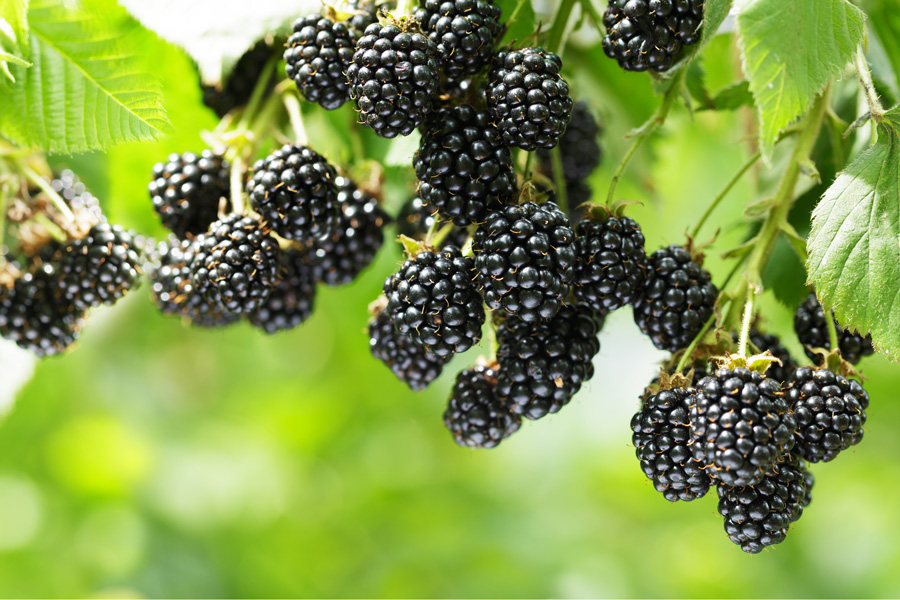
    This resource covers basic harvesting, postharvest handling, and cold storage principles for fresh-market blackberries to ensure the highest possible shelf-life and quality while minimizing postharvest losses. Blackberries are harvested in Georgia from mid-May to August, and they are a highly perishable fruit.

    Angelos Deltsidis, Zilfina Rubio Ames, and Natalia Espinoza

    |

    Aug. 18, 2023
  • C 1212

    Grape Sour Rot

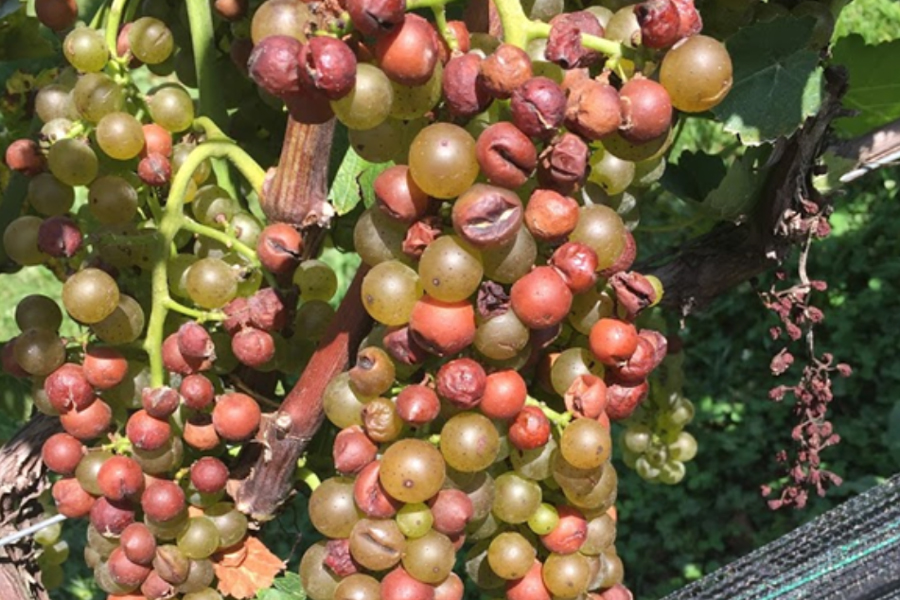
    Although grape sour rot can occur in drier climates, the disease complex tends to be especially problematic during wine grape ripening in wet, humid regions. Browning and disintegrating berries and the aroma of vinegar (acetic acid) are a few symptoms that characterize grape sour rot. Sour rot ultimately results in crop yield reduction as damaged berries often “shatter,” or fall off the clusters. Sorting out clusters with sour rot that are not suitable for winemaking causes a further reduction in return revenues as less wine is produced. Although it has only recently been a topic of defined research, sour rot is a prominent concern in Eastern U.S. vineyards as: (1) it is consistently observed in vineyards, particularly in white-berried cultivars; and (2) questions remain about how to best manage it, particularly with the threat of insecticide resistance development in targeted fruit flies.

    Phillip M. Brannen, Brett R Blaauw, Shane Breeden, and Sarah Lowder

    |

    July 10, 2023
Previous Page
1 … 14 15 16 17 18 … 32
Next Page

About CAES

CAES Home

Overview

History

Administration

Jobs

Personnel Directory

Privacy Policy

Accessibility Policy

AI Guidelines

Affiliations

UGA Cooperative Extension

Tifton Campus

Griffin Campus

University of Georgia
  • Schools and Colleges
  • Directory
  • MyUGA
  • Employment Opportunities
  • Copyright and Trademarks
  • UGA Privacy Policy
  • Submit a Student Complaint
#UGA on
© University of Georgia, Athens, GA 30602
706‑542‑3000