Fruit and Vegetable Production Resources
-
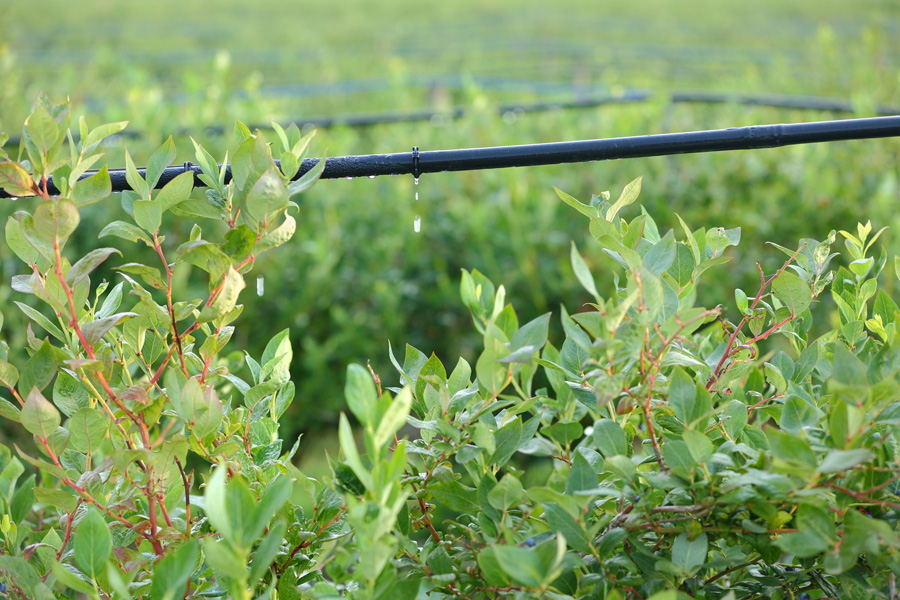
This circular is a review of water quality standards, calculations, and recommendations for water that will be used for irrigation of blueberries.
|
-
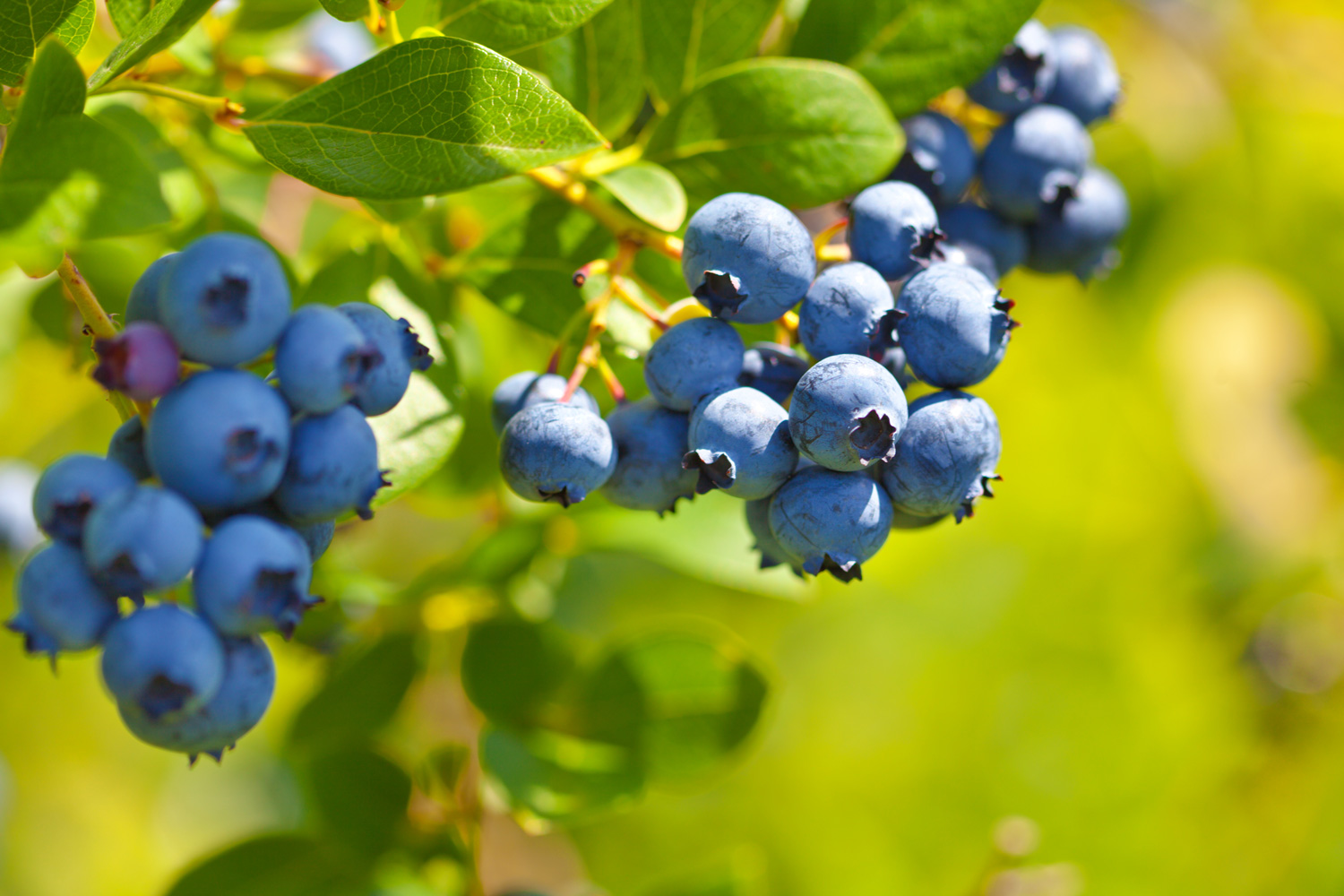
The 2023 edition of this publication covers integrated pest management information for blueberry producers in the Southeastern U.S. Recommendations are based on information from the manufacturer’s label and performance data from research and Extension field tests. This publication is intended for use only as a guide. Specific rates and application methods are on the pesticide label, and these are subject to change at any time.
|
-
The commercial citrus industry in Georgia has only recently been established, with most groves planted after 2014. Initially,
satsuma mandarins (Citrus unshiu) on trifoliate rootstocks (Poncirus
trifoliata) were planted for their cold-hardiness, seedlessness, and
ease of peeling. Satsuma fruits begin to attain commercial maturity in
early November and usually avoid hard freezes in southern Georgia. As of
2022, approximately 75% of the 3,300 acres of citrus planted in Georgia are
satsumas, but that proportion is trending downward. To strengthen the new
Georgia citrus industry, growers recently have begun to diversify their citrus
varieties. Little is known about how these varieties will perform under Georgia
weather and soil conditions. Therefore, research is necessary to determine what
varieties can best tolerate Georgia’s winter weather and to determine cultural
norms such as maturation time, fruit quality, and insect and disease tolerance. This publication is associated with Annual Publication 127, the annual publication containing each season’s harvest data.|
-

2020 plant disease losses in Georgia, including control costs, amounted to an estimated $806 million. The value of the crops used in this estimate was approximately $6.712 billion, resulting in a 12.01% relative disease loss across all crops included in this summary. The estimated values for most crops used to compute these disease losses are summarized in the 2020 Georgia Farm Gate Value Report (AR-22-01) by the UGA Center for Agribusiness & Economic Development. Some estimates for fruits, ornamentals, and turf rely on specialists’ knowledge of the industry and industry sources for information. Losses covered include: apple, blackberry, blueberry, bunch grape, corn, cotton, muscadine grape, ornamentals, peach, peanut, pecan, soybean, strawberry, turfgrass, vegetables, and wheat.
|
-

This report provides research and extension results for trials conducted by the University of Georgia Vegetable Team and its collaborators in 2022. Contributing authors include county and regional faculty as well as specialists from UGA’s horticulture, plant pathology, crop and soil sciences, and entomology departments. All research has been supported by the Georgia Commodity Commission for Vegetables.
|
-
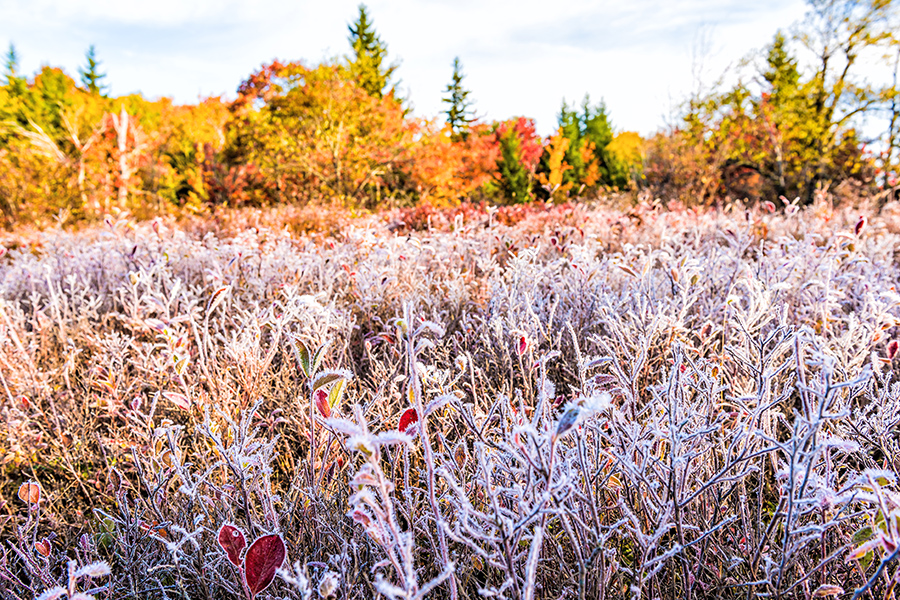
Frost protection systems tremendously benefit commercial blueberry production in Georgia. These systems are expensive and usually configured as overhead irrigation systems. For the system to provide protection, it must operate as soon as it’s needed. The best practice for maintaining a frost protection system is to perform preventative maintenance service every late fall or early winter. This publication offers blueberry growers suggestions on how to prepare their frost protection systems for future operation. Recommendations include a check-off list for maintenance and inspection of overhead irrigation systems, important considerations when preparing for freeze events.
|
-
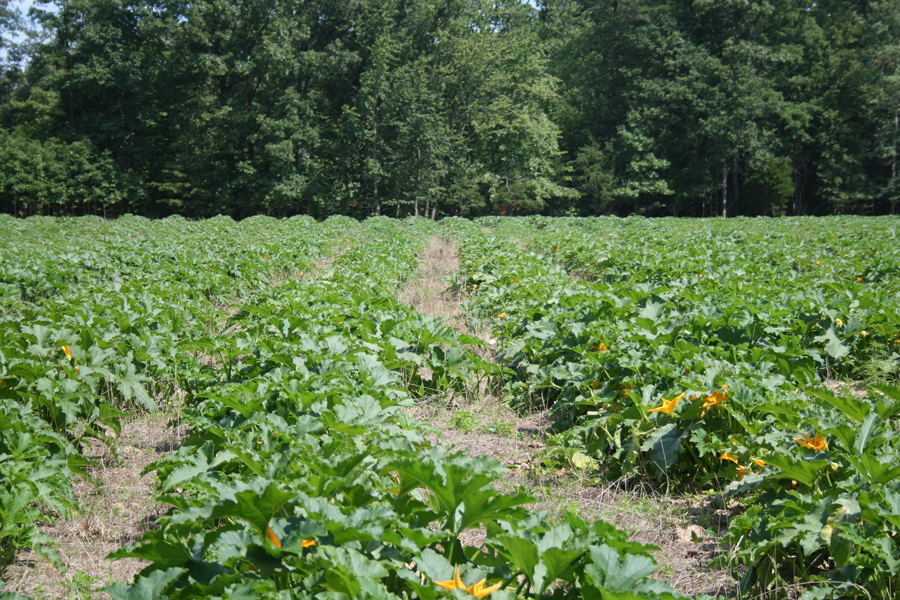
Conservation tillage with agronomic crops has been successful in Georgia production. Such production practices have several benefits, the most notable being the elimination of soil erosion. Other benefits include but aren’t limited to increases in soil organic matter, maintaining healthy root-zone soil, reduction of riparian and waterway pollution, and water conservation.
|
-

The production, harvest, sorting and packing of fruits and vegetables produces close to a billion pounds of produce annually. These processes also result in material that is rotten, has bad spots, or is removed from packing lines. Properly dealing with discarded products can reduce the potential for environmental pollution while also protecting the individual who is responsible for the discarded materials.
|
-
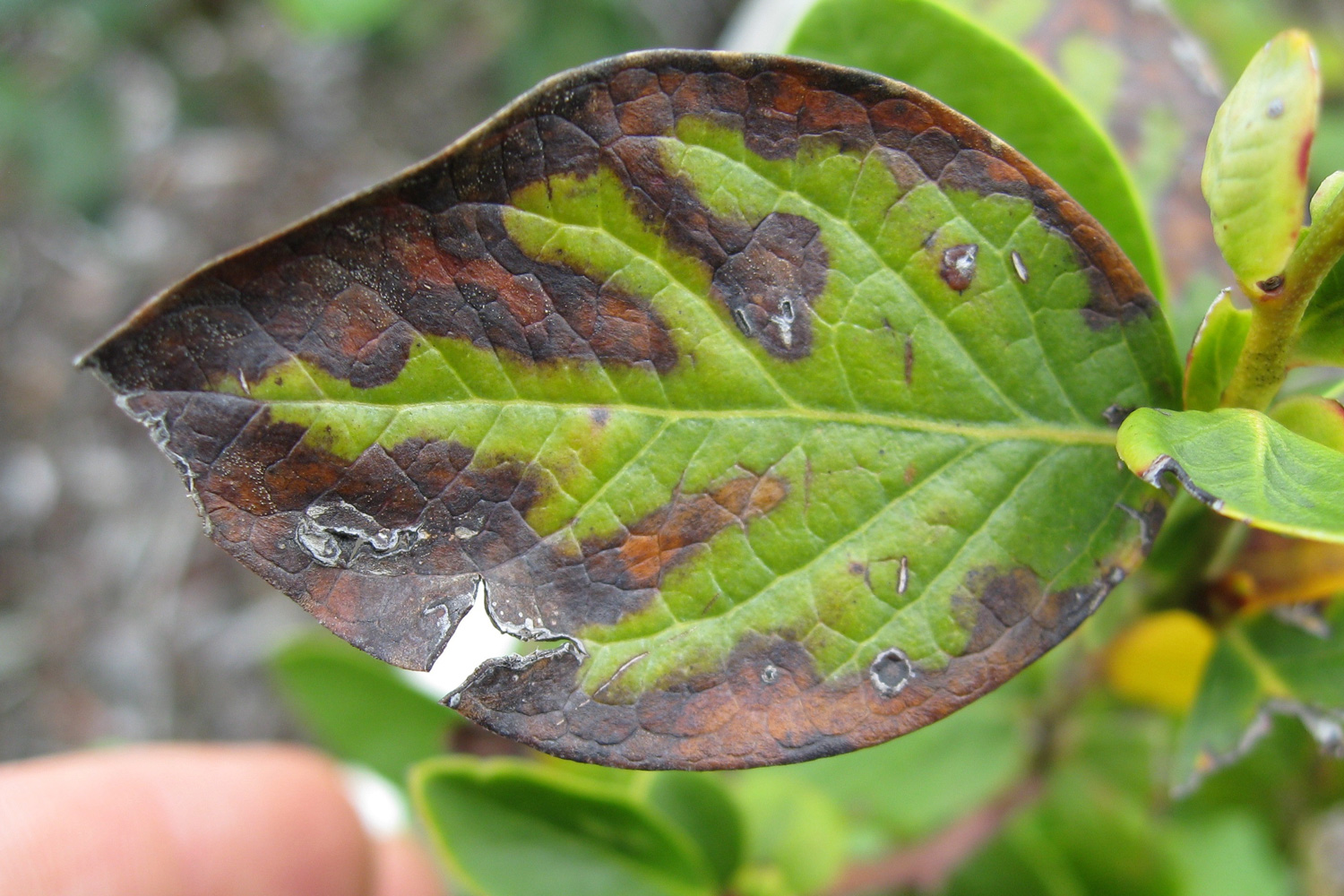
A new disease has been identified in the Georgia blueberry production region. This disease has been named “bacterial leaf scorch.” This publication includes identification and control methods.
|