General Agriculture Resources
-

Understanding nitrogen requirements of onions at different growing stages is crucial to adequately manage N fertilizer applications and enhance fertilizer use while minimizing nutrient losses. In this study, the fertilizer N use efficiency of onions was investigated. The application of N fertilizer right after transplant is inefficient; targeting the periods of heavy vegetative growth and bulb initiation was most efficient in providing N fertilizer for onion plants.
|
-

The objectives of this study were to quantify the efficiency of field workers in transplanting Vidalia onions at an approximate population of 95,000 seedlings per acre and to verify the consistency of transplanting. The quality of transplanting varied widely among field workers, with issues such as seedlings lying on the ground, partially transplanted seedlings, and multiple seedlings in a single furrow. These inconsistencies can negatively impact plant population and uniformity.
|
-

This resource provides Extension professionals with a structured approach to developing effective online training materials. Using the ADDIE model—Analyze, Design, Develop, Implement, and Evaluate—it provides a process to create engaging, accessible, and impactful learning experiences. This bulletin addresses common challenges in developing online training materials and offers practical strategies to improve the content development process and learner engagement. Following these recommendations can help enhance knowledge dissemination and increases adoption of best practices among Extension stakeholders.
|
-
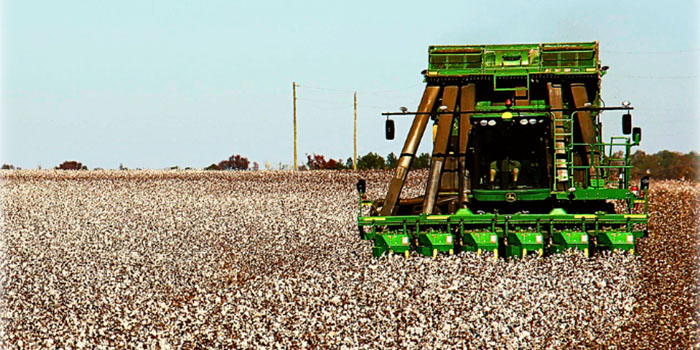
This publication provides a step-by-step procedures to calibrate the module handler weighting system and the on-board yield monitor on John Deere round module cotton harvesters.
|
-
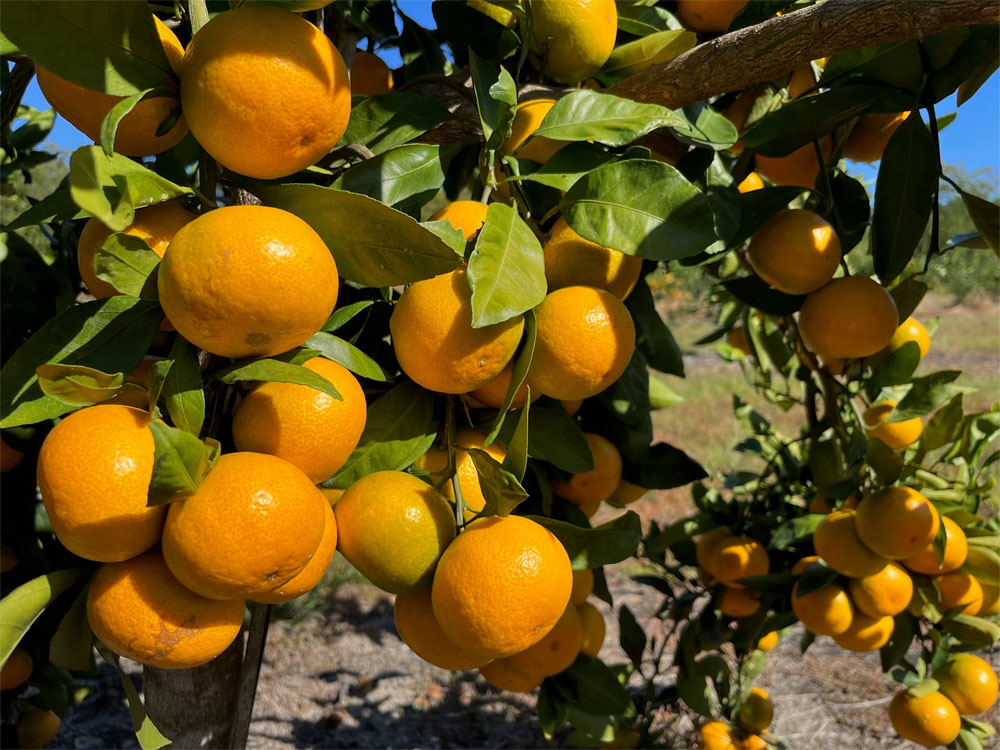
Satsumas are one of the most cold-hardy of all citrus and very adaptable to Georgia, but very little is known about growing citrus in Georgia. Commercial growers and residents often ask which early-maturing varieties are best to grow, so we evaluated juice from 12 early-maturing satsuma varieties. The varieties with the highest Brix content and best peel color are listed in this resource.
|
-
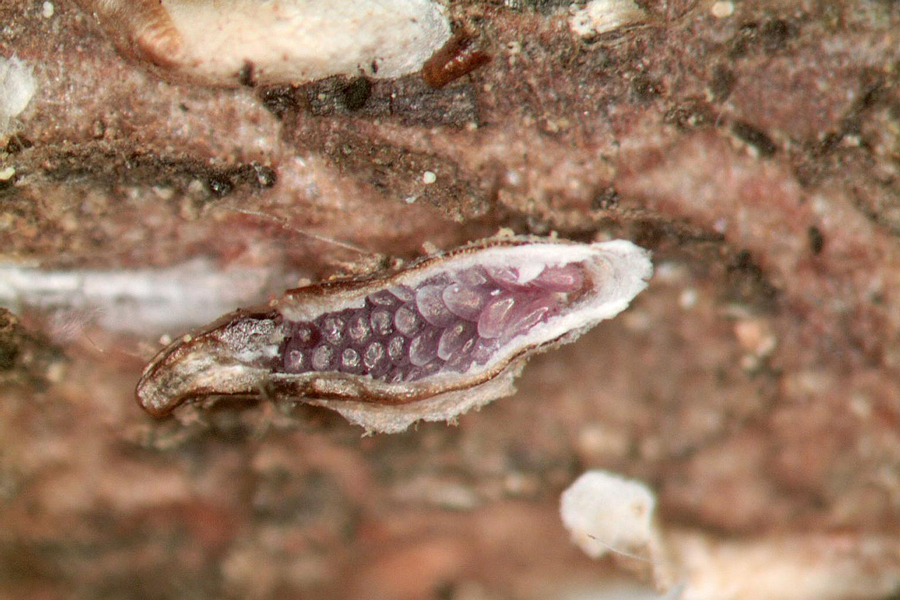
Japanese maple scale is an insect pest of Japanese maples and several other ornamental tree species that secretes a detached waxy shell that covers the body. Infested trees in the landscape reduce the value of the property, and in nurseries, an infestation affects the marketability of the trees. This publication covers identification and management of this pest.
|
-
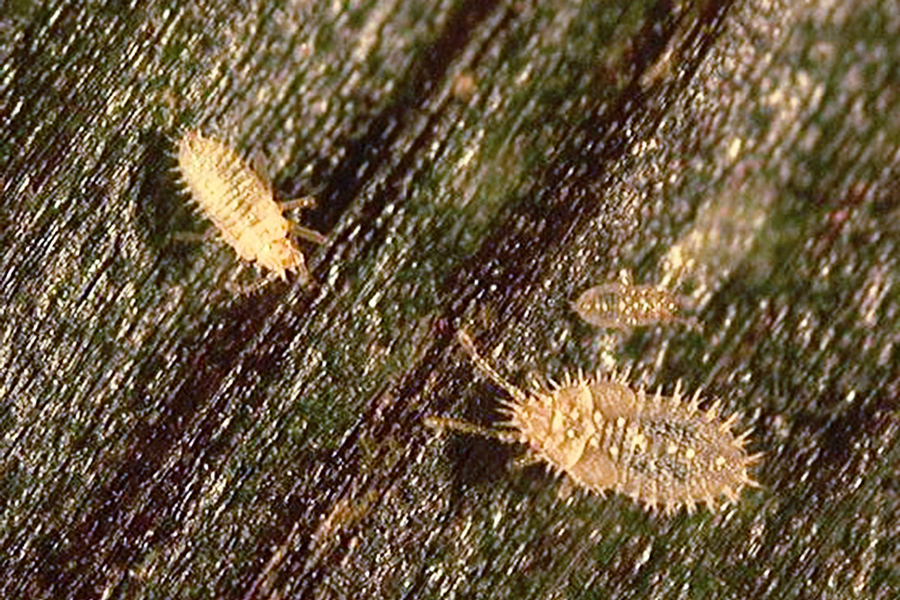
The grass lace bug is a pest of ornamental grasses in Georgia and thrives in warm, dry conditions. This publication provides information about how to identify and manage this pest.
|
-
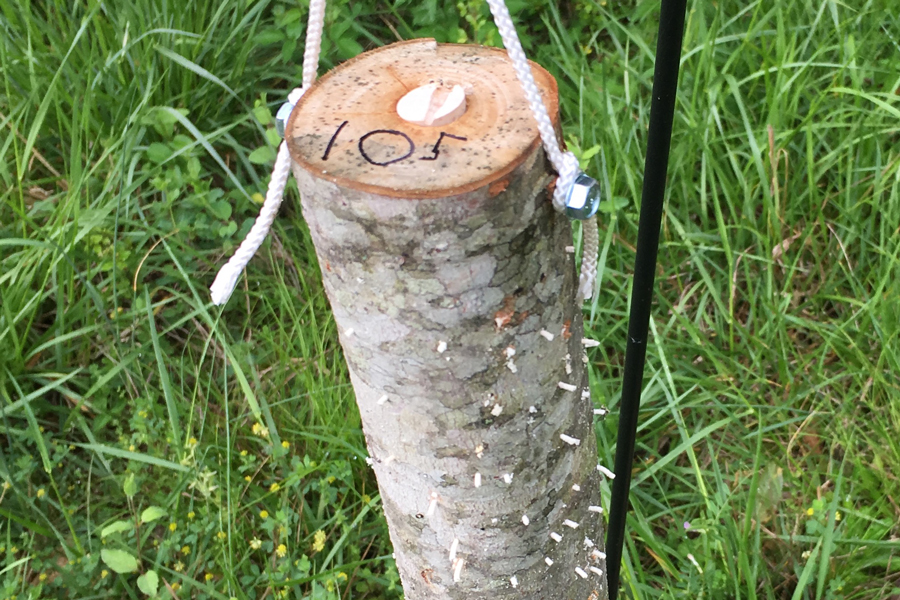
The granulate ambrosia beetle (previously known as the Asian ambrosia beetle) is a serious pest of woody ornamental nursery plants, fruit trees, and shrubs in Georgia. This publication provides information on identification and biology, host plants, damage symptoms, and control strategies for this aggressive pest.
|
-
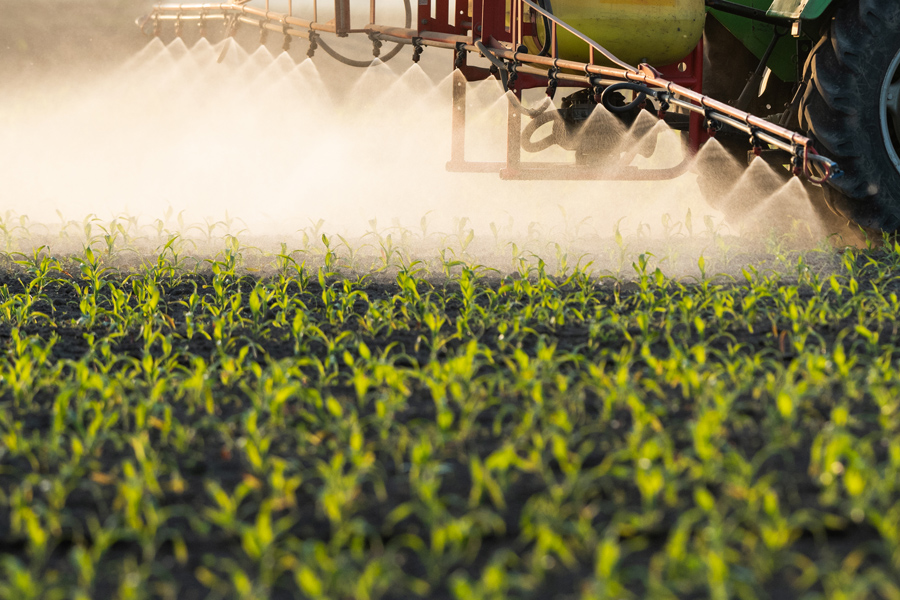
Pesticide applicators should visit the Bulletins Live! Two website to determine if they are located within a pesticide-restricted or limited area, known as a pesticide use limitation area (PULA). These restrictions protect endangered and threatened species from adverse effects. This publication provides users a step-by-step guide on how to navigate this website and access the information needed for applications and recordkeeping.
|