General Agriculture Resources
-

B 1578-03
Innovation
Extension professionals are expected to translate multiple critical issues into creative, evidence-based programs. This resource explains a five-stage innovation process—Prepare, Cultivate, Challenge, Implement, and Evaluate—to help Extension professionals be more effective at innovating in their professional roles. When Extension professionals have the tools necessary to make changes within their programs and responsibilities, they can provide the best support and guidance for their stakeholders.
|
-
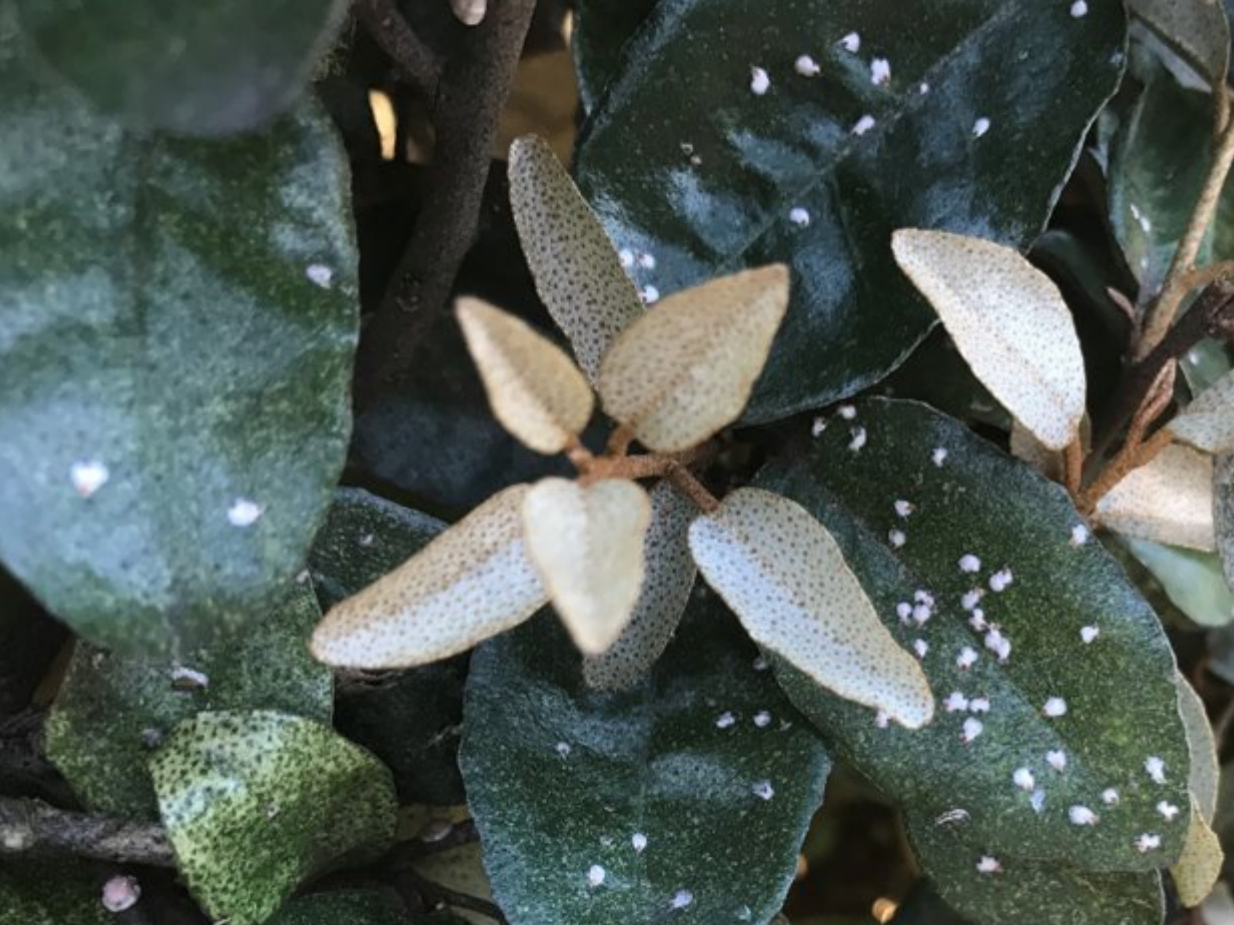
False oleander scale, which appears as white spots on leaves, is an invasive pest on ornamental plants. It is prevalent in Georgia and poses a significant threat to the aesthetic value of ornamental plants in the nursery and landscape.
|
-
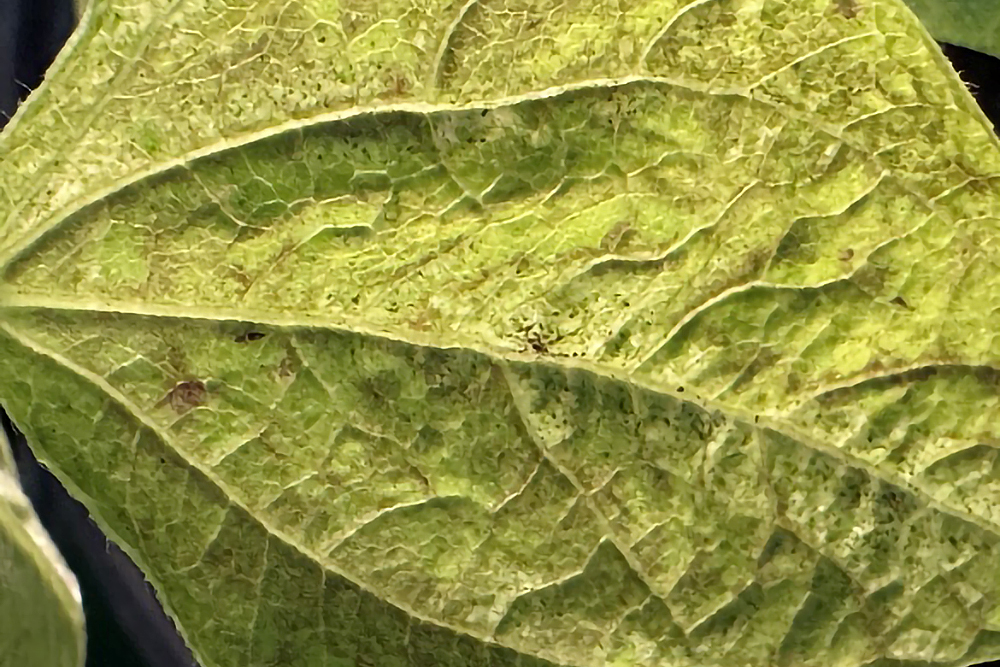
Thrips parvispinus is an invasive insect pest that poses a serious global threat to vegetables and ornamentals in both fields and greenhouses. This guide will help you identify and manage this pest.
|
-

This publication describes forest farming (also known as forest gardening), which can be defined as cultivation of plants under a forest canopy. It includes suggestions for appropriate plants for cultivation in the Southeast.
|
-

This resource describes whiteflies and the damages they cause in cucurbit crops, and offers recommendations for cucurbit crop varieties for fall season production in southern Georgia that are resistant or tolerant to silverleaf disorder and whitefly-transmitted viruses.
|
-

This is an annual report (PDF) highlighting research conducted on Vidalia onions in recent years. Research topics include: variety trials, irrigation and fertilizer strategies, sulfur content in soils, effect of fertilizers on yield, thrips, factors affecting postharvest incidence of bacterial bulb rot, and Botrytis leaf blight. To read or download individual articles, refer to the report series.
|
-

This publication summarizes the Vidalia onion flavor analysis results from the 2024–2025 growing season and compares the performance of each variety over the past three growing seasons.
|
-

UGA evaluates short-day onion varieties to determine their performance characteristics in standardized growing practices. Variety entries for the trial are submitted by participating seed companies. These trials are conducted at the Vidalia Onion and Vegetable Research Center located in Lyons, GA. There were 49 varieties entered into the 2024–2025 UGA onion variety trial.
|
-

This publication summarizes the flavor analysis results of Vidalia onion trials from the 2021–2022 growing season, as well as compares the performance of each variety over the past three growing seasons.
|