General Agriculture Resources
-
AP 130-4-13
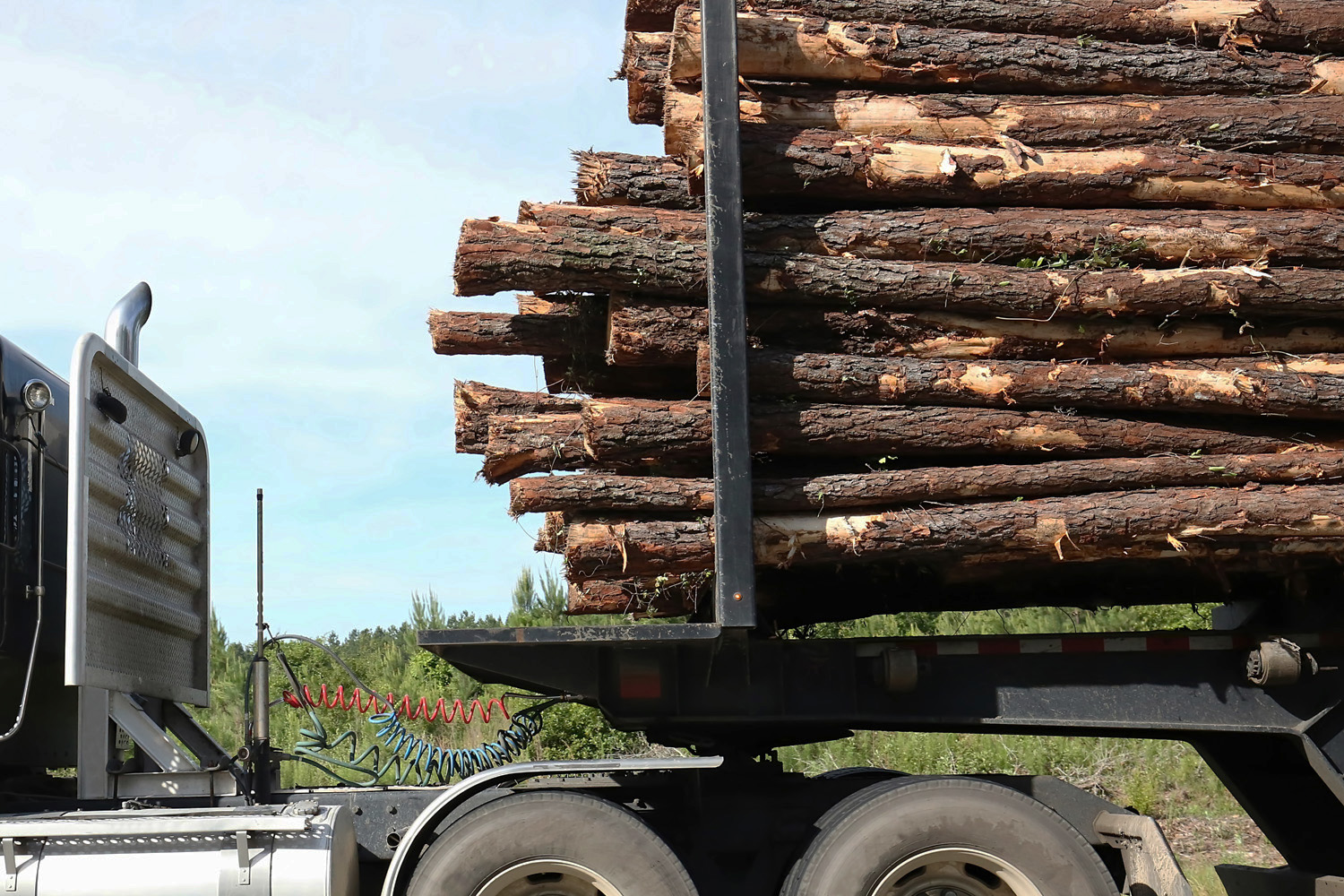
Timber Situation and 2026 Outlook
The 2025 market situation: in South Georgia, recent pine sawtimber and pine chip-n-saw prices increased compared to a year ago, while pulpwood prices declined for both pine and hardwood. In North Georgia, stumpage prices for timber products declined compared to a year earlier. The 2026 outlook will be affected by: Demand-side factors expected to shape Georgia’s timber markets in 2026 include a weakened housing market, reduced lumber mill utilization rates, mill closures and conversions, tariffs on import, labor shortages, and overall economic growth; on the supply side, factors include tighter sawtimber inventory in areas impacted by Hurricane Helene, increased timber availability and greater supplies from mill closures in adjacent areas, and ongoing logging capacity constraints. Overall, sawtimber prices in 2026 are expected to remain stable across most of the Georgia, although some areas of South Georgia may experience modest sawtimber price increases.
|
-

Looking forward to 2026, agritourism continues to grow across Georgia, providing economic and cultural benefits to rural communities. In 2024, visitor spending reached $36.8 billion, a 3.8% increase that signals a steady recovery. Rural lodging grew by 1.1% in 2024, while urban demand softened by 0.7%, reflecting shifting traveler preferences. Coastal Georgia led the state with occupancy above 63% and ADR exceeding $155, while South Georgia lagged. Modest growth is expected in 2026— the FIFA World Cup will boost travel and rural tourism is expected to remain strong.
|
-

AP 130-4-15
2026 Georgia Agritourism Outlook
In 2026 and beyond, agritourism represents a growing opportunity for Georgia’s agricultural sector, combining farm operations with tourism experiences to diversify income streams and strengthen rural economies. Operators are optimistic about the future, with 75% expecting increased visitation and profitability over the next 5 years. Visitors prioritize facility cleanliness, safety, restrooms, and knowledgeable and friendly staff when deciding to participate in agritourism activities.
For agritourism operators, the primary barriers limiting growth are access to financial capital, regulatory uncertainty, and inadequate infrastructure. UGA Extension can enhance Georgia’s agritourism sector by supporting operators in financial planning, marketing, technical training, liability protection, and navigating relevant policies. The 2026 FIFA World Cup in Atlanta presents a strategic opportunity to showcase Georgia’s agricultural heritage to national and global audiences by collaborating with destination marketing organizations, universities, UGA Extension, and local communities to create memorable visitor experiences that will provide significant growth opportunities for the Georgia agritourism sector.
|
-

The main takeaways for direct-to-consumer sales in Georgia include: Freshness, safety, and sustainability are the most powerful perceived advantages of locally grown products; younger buyers respond strongly to environmental and ethical messaging, while older buyers remain focused on more functional attributes, such as freshness and reliability; marketing messages should emphasize freshness, sustainability, local economic impact, and community connection to leverage positive perceptions of farmers markets; demographics such as age and income influence the frequency of purchase and willingness to pay for local food products at farmers markets; and the major trends influencing buyers in 2026 are expected to be hyperlocal and regenerative sourcing, smart labeling or multi-labeling, highlighting the functional benefits of fresh produce, digital engagement using personalized marketing and artificial intelligence, engaging younger generations, and waste-reduction education.
|
-

Vegetables comprise an economically important segment of Georgia’s agricultural production, so there is a need for vegetable breeders to have comprehensive, crop-specific data on grower priorities, varietal performance, and production constraints.
UGA’s vegetable breeding program performed a needs assessment survey to assess growers’ preferences, the results of which are presented in this resource. This data will be used to inform the development of regionally adapted high-performing vegetable varieties.
|
-

Trees and lawns are not mutually exclusive, with proper care, planting, selection of trees and grasses, one can enjoy a beautiful landscape complete with cool shade and soft, inviting grass. This publication explains factors involved in plant growth, the differences between trees and grasses used in lawn settings, and provides step by step directions on achieving a healthy, beautiful landscape.
|
-
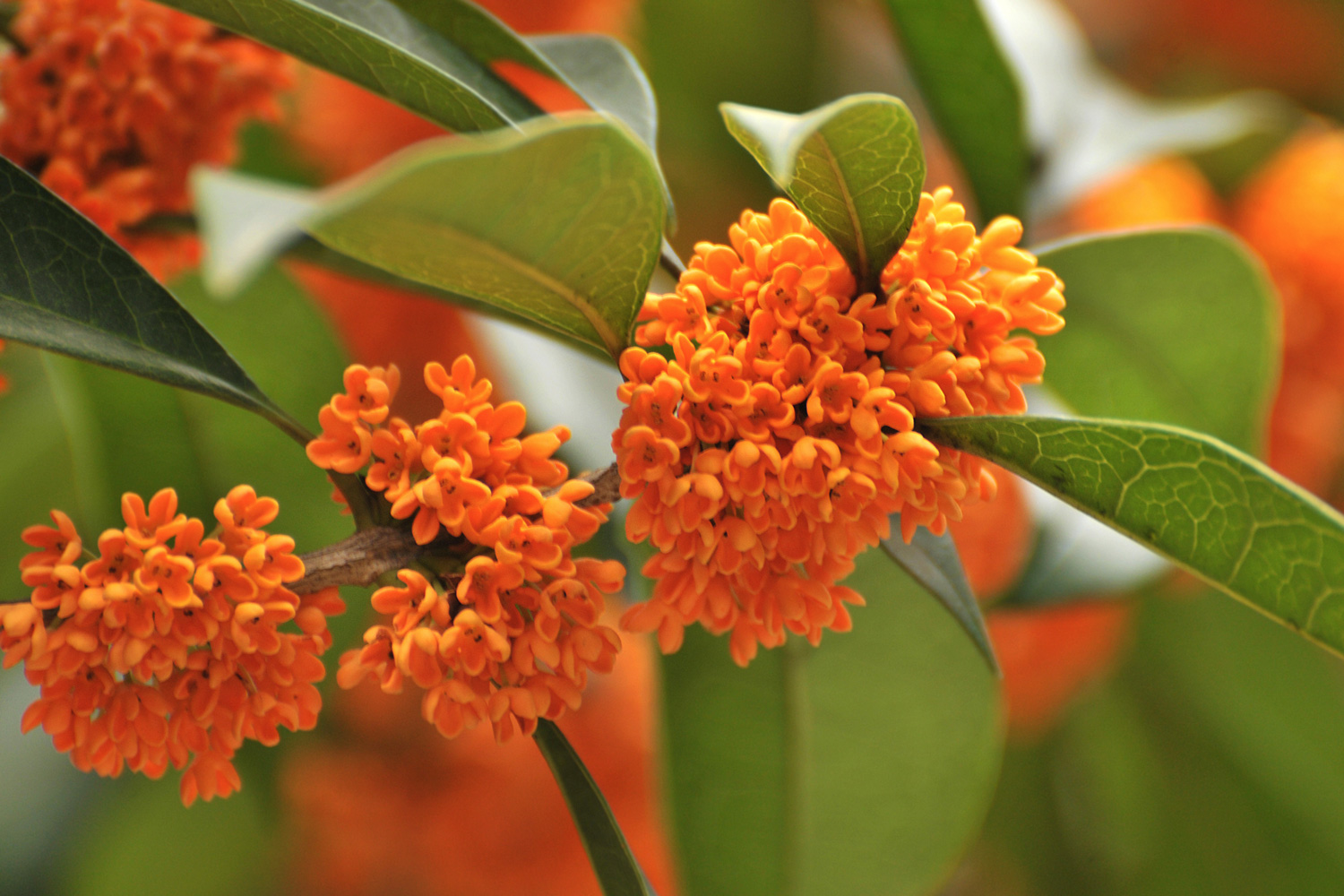
Sweet tea olives are woody, evergreen broadleaf shrubs or small trees that are widely produced in nurseries and used in landscapes because of their fragrant flowers and lower incidence of pests. This resource helps producers understand different propagation methods and how each works for sweet tea olives.
|
-
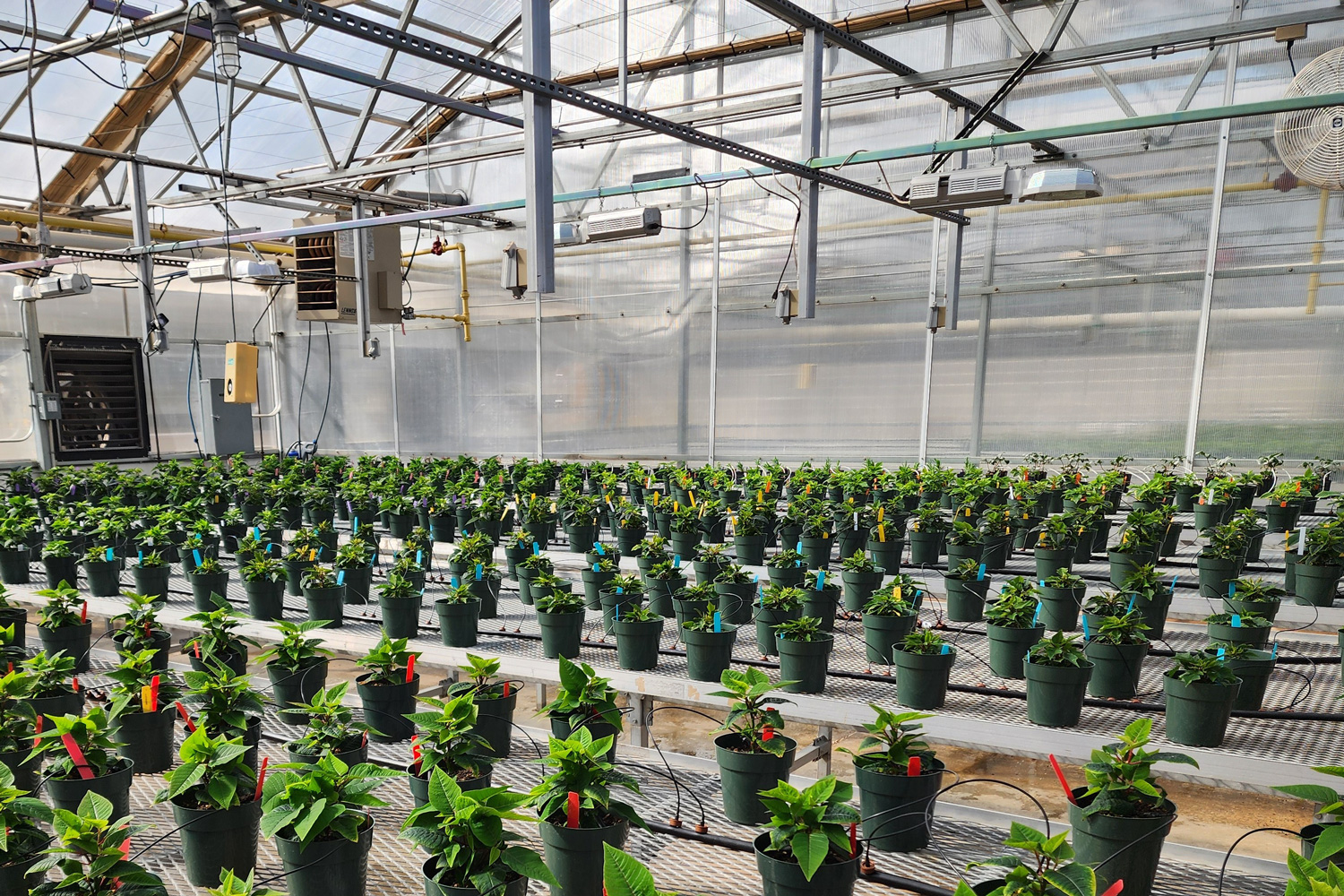
This publication contains comprehensive, in-depth information about heating, cooling and ventilating greenhouses.
|
-
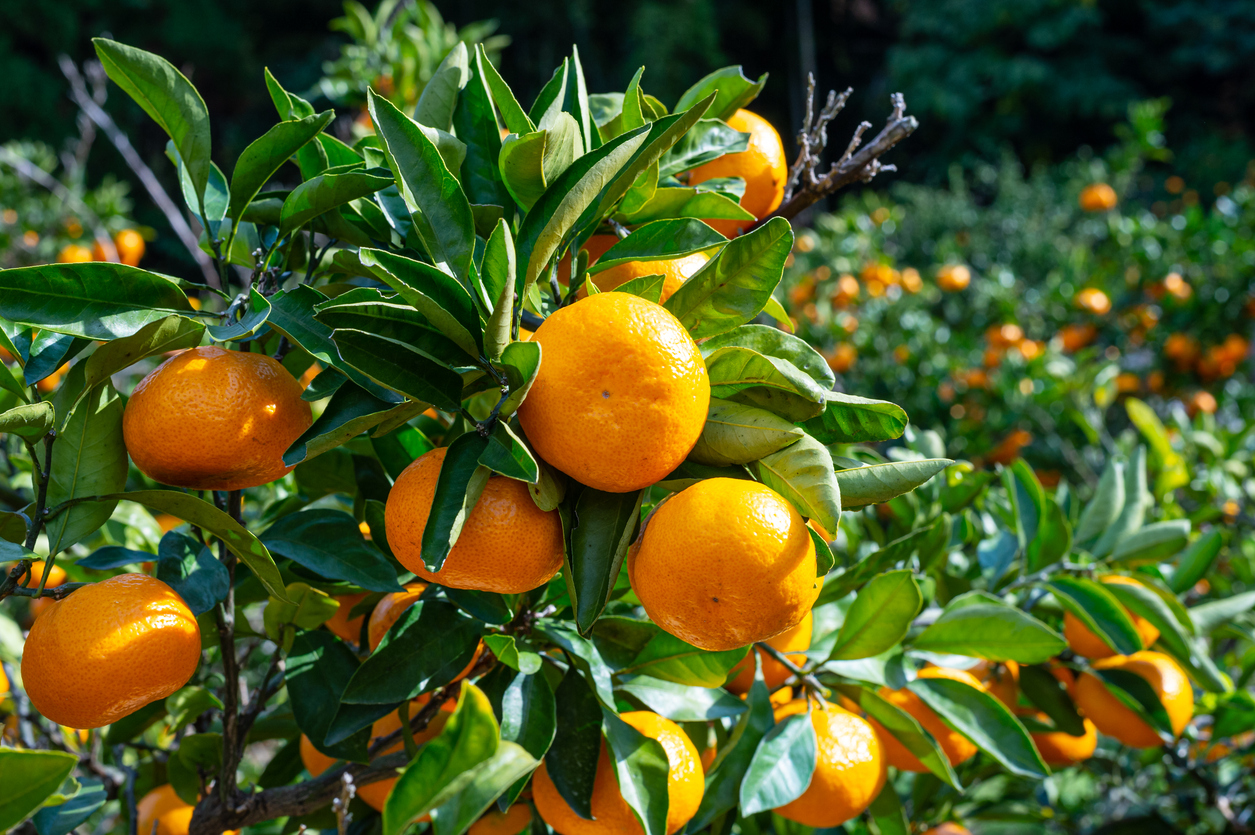
This resource provides citrus growers in Georgia with an overview of how different types of freeze events damage citrus trees, and both passive and active protection methods to protect citrus trees during freezes. Recovery from freeze events also is covered.
|