General Agriculture Resources
-
C 1331-01
The Bucket Method
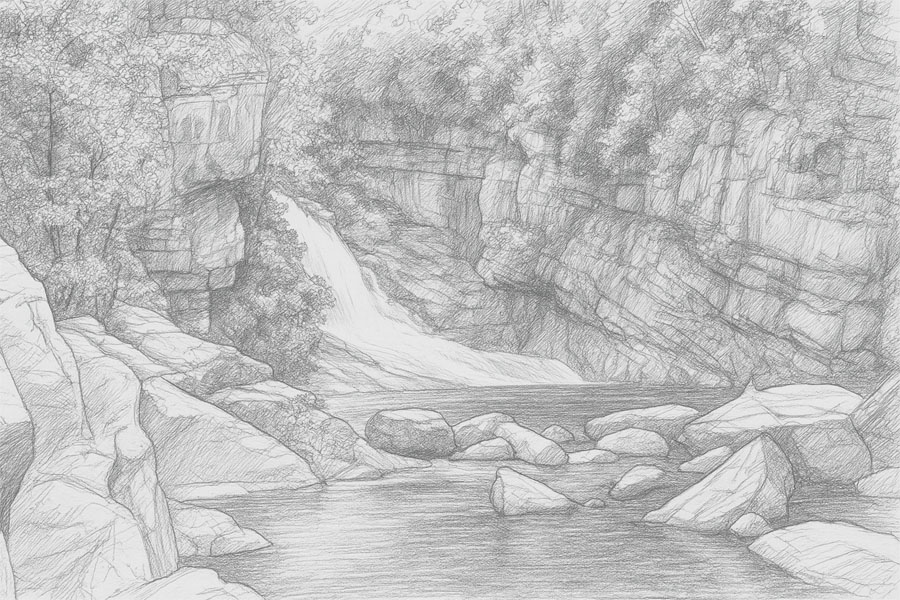
This publication describes the Bucket Method and how someone would use this method to measure the streamflow in a stream, creek, or river to be used in developing a Low Flow Plan required for a agricultural withdrawal permit. Part of the Stream Flow Measurements series.
|
-

B 1578-02
Systems Thinking Mindset
The textbook definition of a system is “an interconnected set of elements that is coherently organized in a way that achieves something.” In other words, systems thinking is a way of examining the interconnections between elements, including both the direct and indirect effects. This publication provides an overview of key concepts associated with systems, including elements, interconnections, and functions. Developing a systems thinking mindset is helpful in moving beyond simple cause-and-effect thinking to consider the patterns and characteristics of systems as well.
|
-
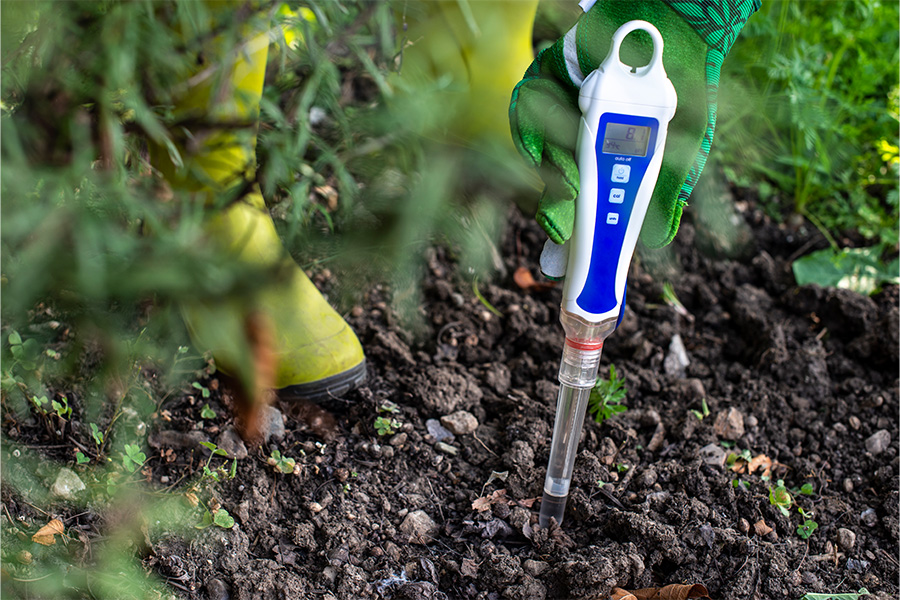
This resource explains a new method developed through UGA research that helps growers determine the amount of lime needed to correct their soil pH. It is useful for producers and soil-testing lab technicians.
|
-
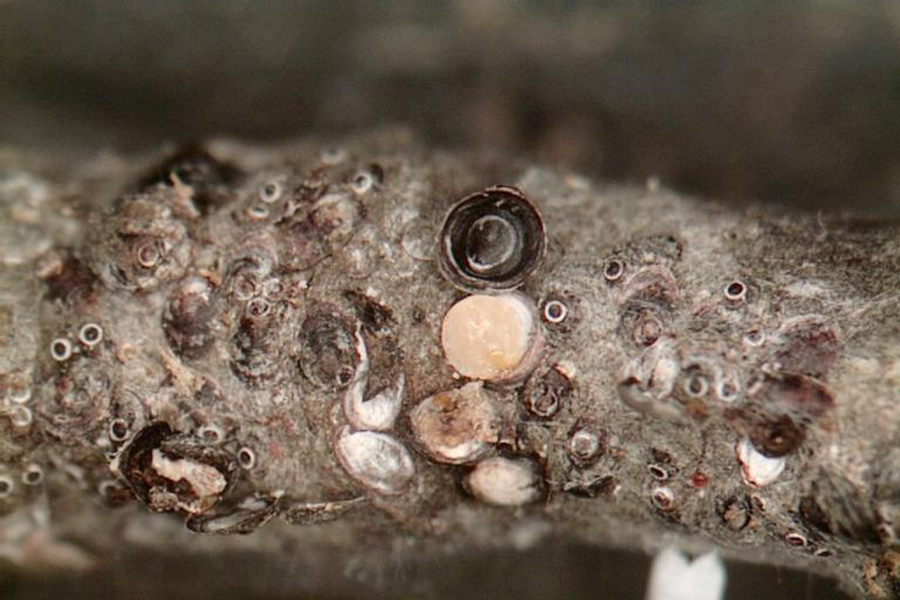
Scale insects are common pests of landscape trees and shrubs that are often overlooked when scouting. Scales can be responsible for chlorosis, branch die-back, and ultimately, plant death. Scales are broadly categorized as either soft scales or armored scales. Soft scales produce a soft, cottony, powdery, or waxy substance that cannot be separated from the scale body. Common soft scales in Georgia include Indian wax scales, Florida wax scales, brown soft scales, oak lecanium scales, magnolia scales, cottony maple scales, cottony camellia scales, cottony cushion scales, and azalea bark scales. Armored scales have a hard, shield-like cover that is not attached to the body of the insect. Common armored scales in Georgia include tea scales, euonymus scales, obscure scales, false oleander scales, juniper scales, and gloomy scales.
|
-
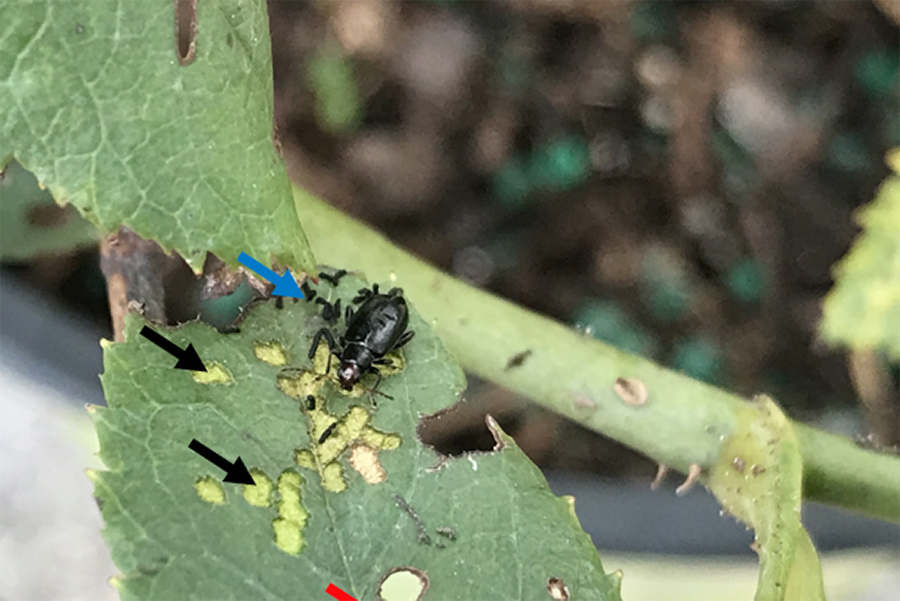
The red-headed flea beetle is a serious insect pest in ornamental nurseries. It is also referred to as the “cranberry flea beetle” in cranberry and blueberry systems in the Northern U.S. The adult beetle causes serious feeding damage to the foliage of a variety of woody and herbaceous container plants in nurseries. As the name suggests, the flea beetle jumps when disturbed, similar to a dog flea. A native pest, this insect is present in central and eastern U.S. regions.
|
-
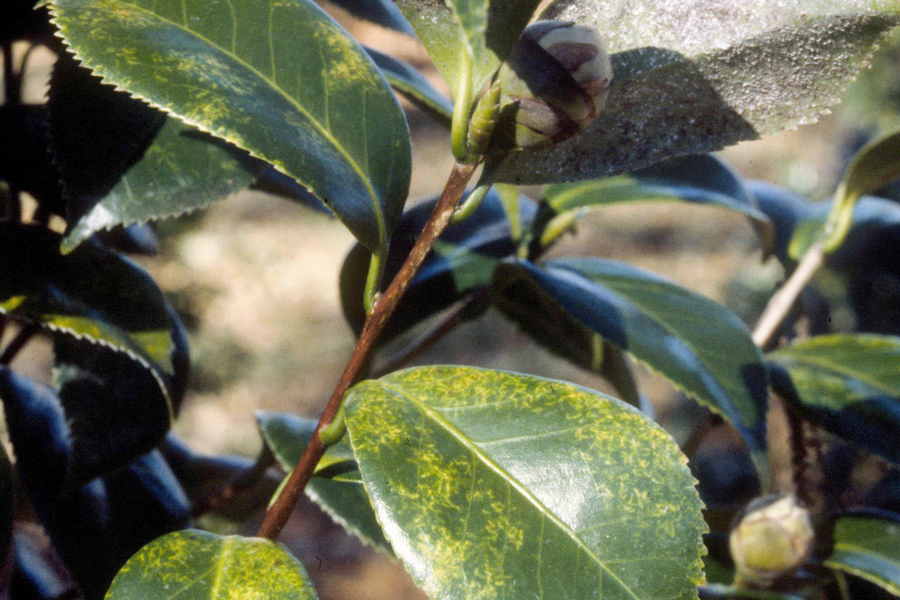
The tea scale is a serious economic pest of several ornamental plants in nurseries and landscapes in Georgia, including camellias and hollies. Tea scales are armored scales that cause yellowing of the leaf tissue, and under severe infestations, they can cause plant death. These pests undergo multiple overlapping generations per year and are very challenging to control. It usually takes two to three years to bring the infestations under control after the application of effective insecticides.
|
-
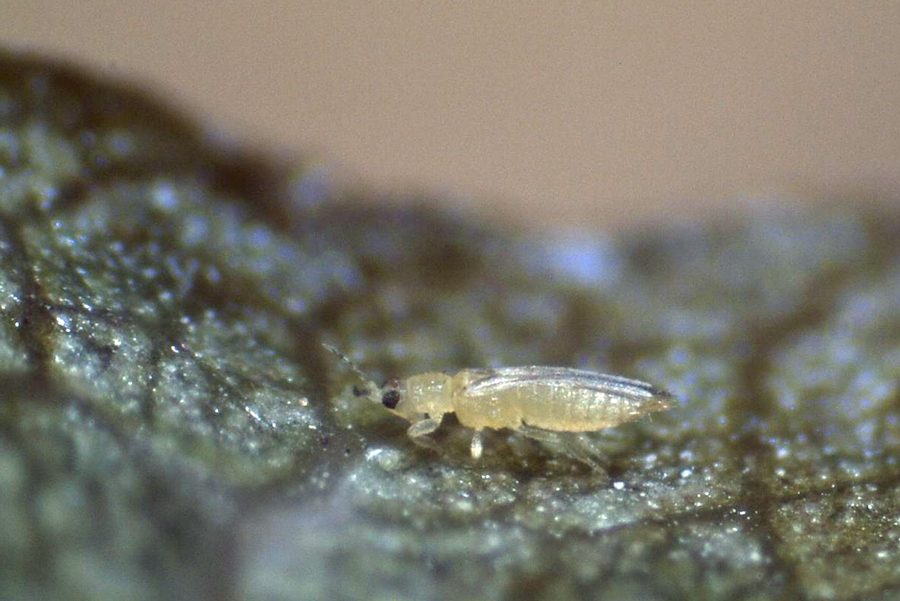
Chilli thrips is an invasive thrips species in the United States. Chilli thrips infest more than 150 crops worldwide, including strawberries, cotton, tea, citrus, and peppers, as well as many ornamental plants. The pest has become increasingly problematic in nurseries because of its wide host range, small size, and rapid reproduction and development. In Georgia, chilli thrips were first reported in 2007.
|
-
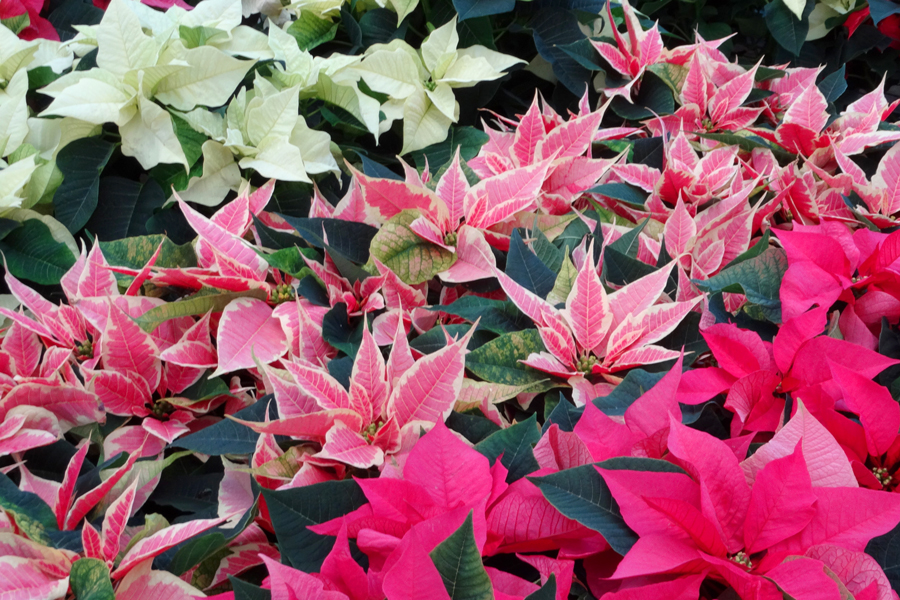
B 1580
Poinsettia Production
Poinsettia is an important ornamental crop and holiday flower. This publication provides in-depth information on poinsettia production and helps growers with plant production planning and management. It also covers poinsettia history, economics, and details the management of growing media, irrigation, and pests.
|
-
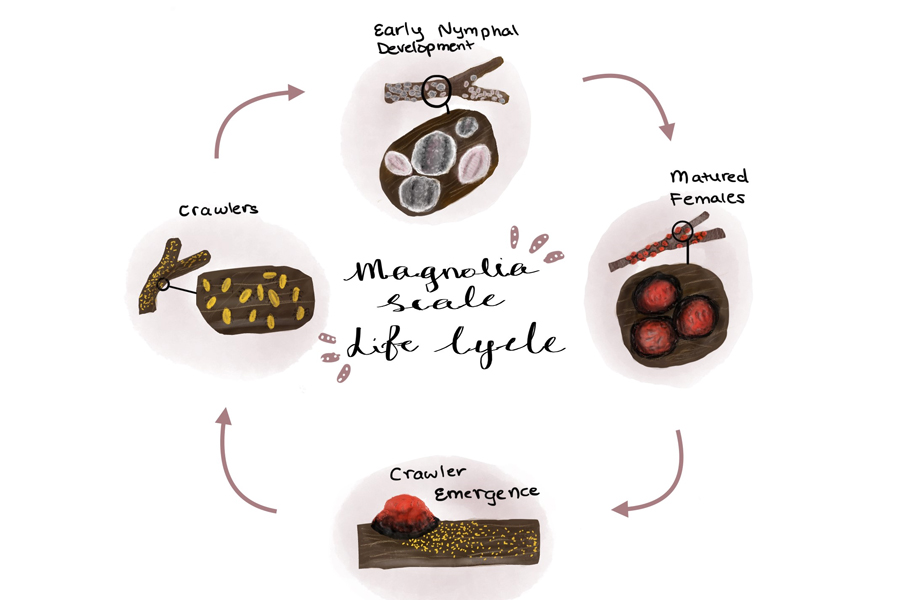
Magnolias, which are evergreen trees and shrubs, are a common landscape plant species in the southern U.S. Magnolia scale, native to the eastern U.S., is a serious pest of both native and non-native magnolias. Magnolia scale is found in 29 states in the U.S. and can reach the size of a human thumb, making it one of the largest scales in the country. It exclusively feeds on magnolias found in ornamental landscapes.
|