General Agriculture Resources
-

This publication provides suggestions regarding the proper tuning of a poultry processing plant to meet the USDA-FSIS standards for Salmonella levels, regardless of incoming Salmonella levels.
|
-
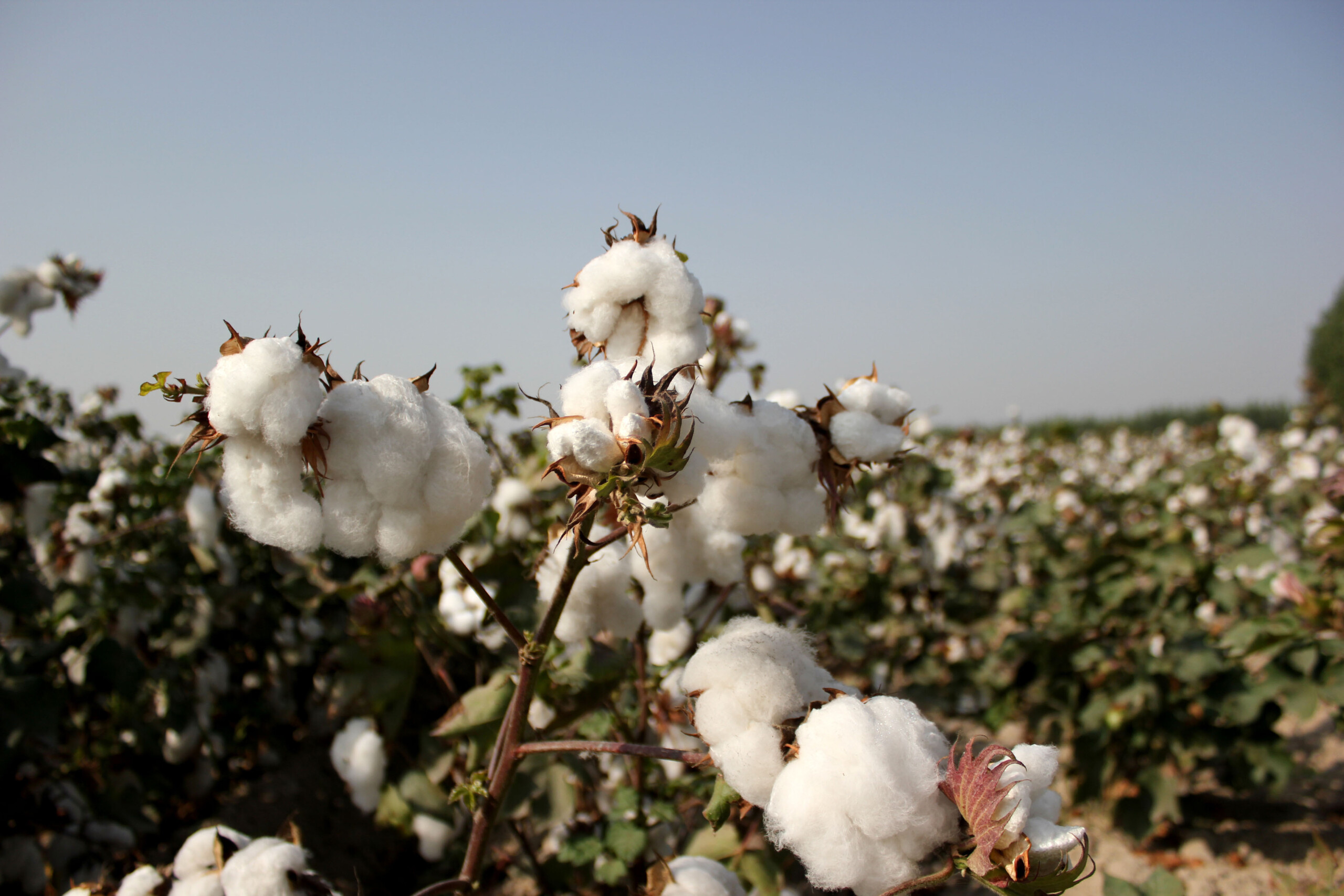
In 2010, the UGA cotton agronomists implemented this variety testing program. Our industry partners were asked to provide their most well-suited varieties for Georgia. Historically, the varieties evaluated in this trial have accounted for nearly 75% of the planted acreage in Georgia in the same year. These varieties were planted in replicated trials in growers’ fields throughout cotton-producing regions of Georgia, through coordination with the county Extension agents. The trials were managed and replicated by the grower with the assistance of the coordinating county agent to achieve realistic and statistically sound results.
|
-

Best Management Practices (BMPs) can be described as management and/or structural practices that are designed to reduce pollutants and erosion while increasing the quality of all life. The BMP concept deals specifically with nonpoint source pollution, such as runoff from agricultural fields, forest areas or urban areas. BMPs are also voluntary in nature. Individual practices and applications can vary widely from field to field. Best management practices are typically used in agricultural areas, and forest and urban settings.
|
-
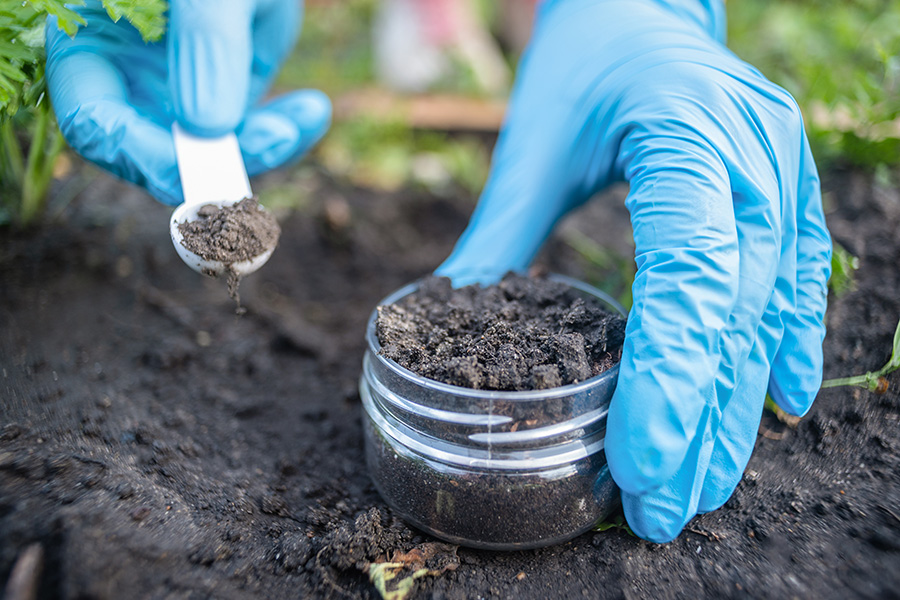
Developing and maintaining productive soils begin with soil testing. Soils tests provide information on the soil’s actual nutrient status. Test results are used to determine the amount and kind of nutrients that should be added for the best growth of lawn, garden, and other types of plants.
|
-
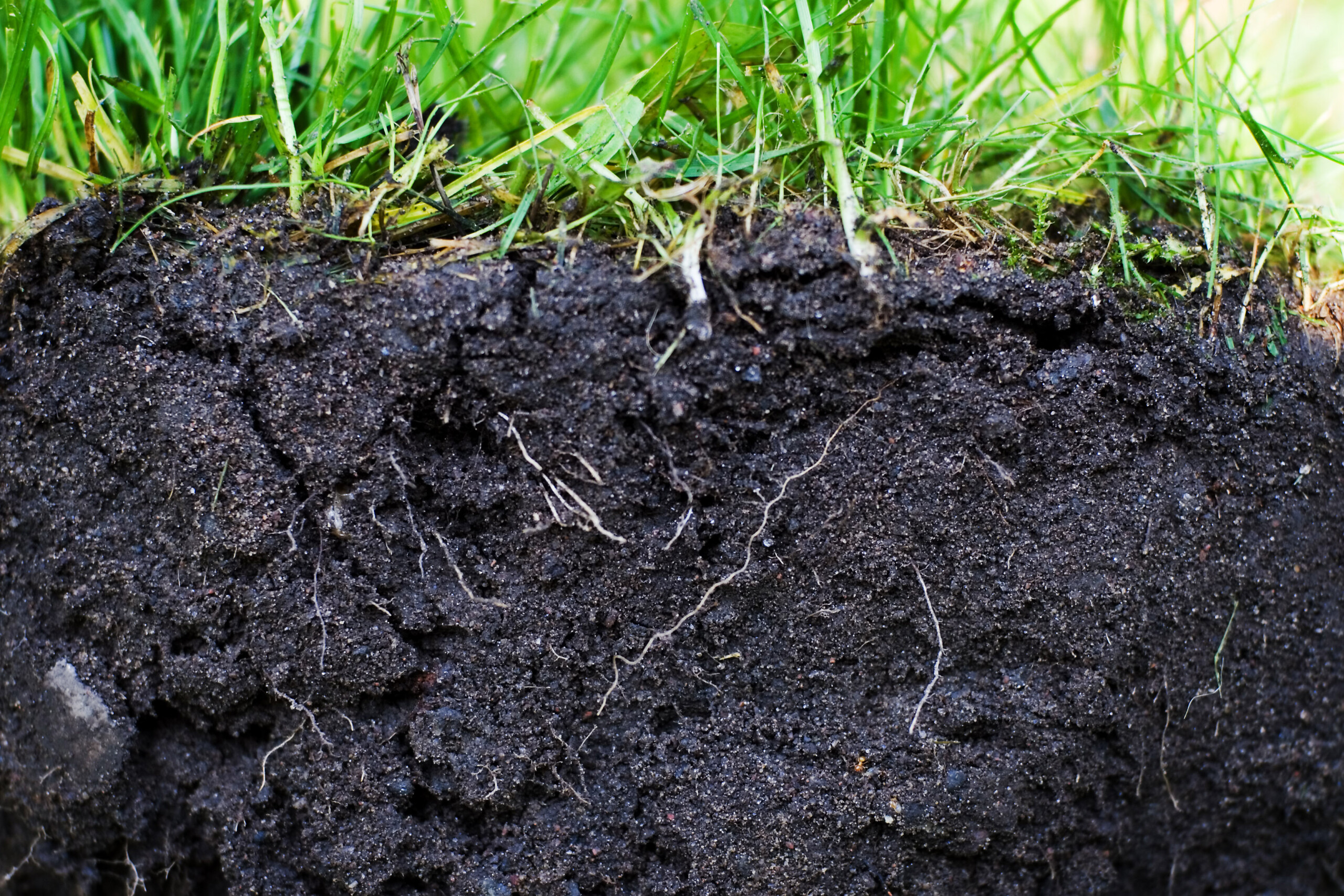
C 1299
Soil Organic Matter
Soil organic matter (SOM) is a complex mixture of plant and animal tissues, and plays an important role in the physical, chemical, and biological processes in the soil. This publication describes how SOM contributes to overall soil fertility, factors controlling SOM abundance, and what cultivation practices growers can use to increase SOM in their soils.
|
-
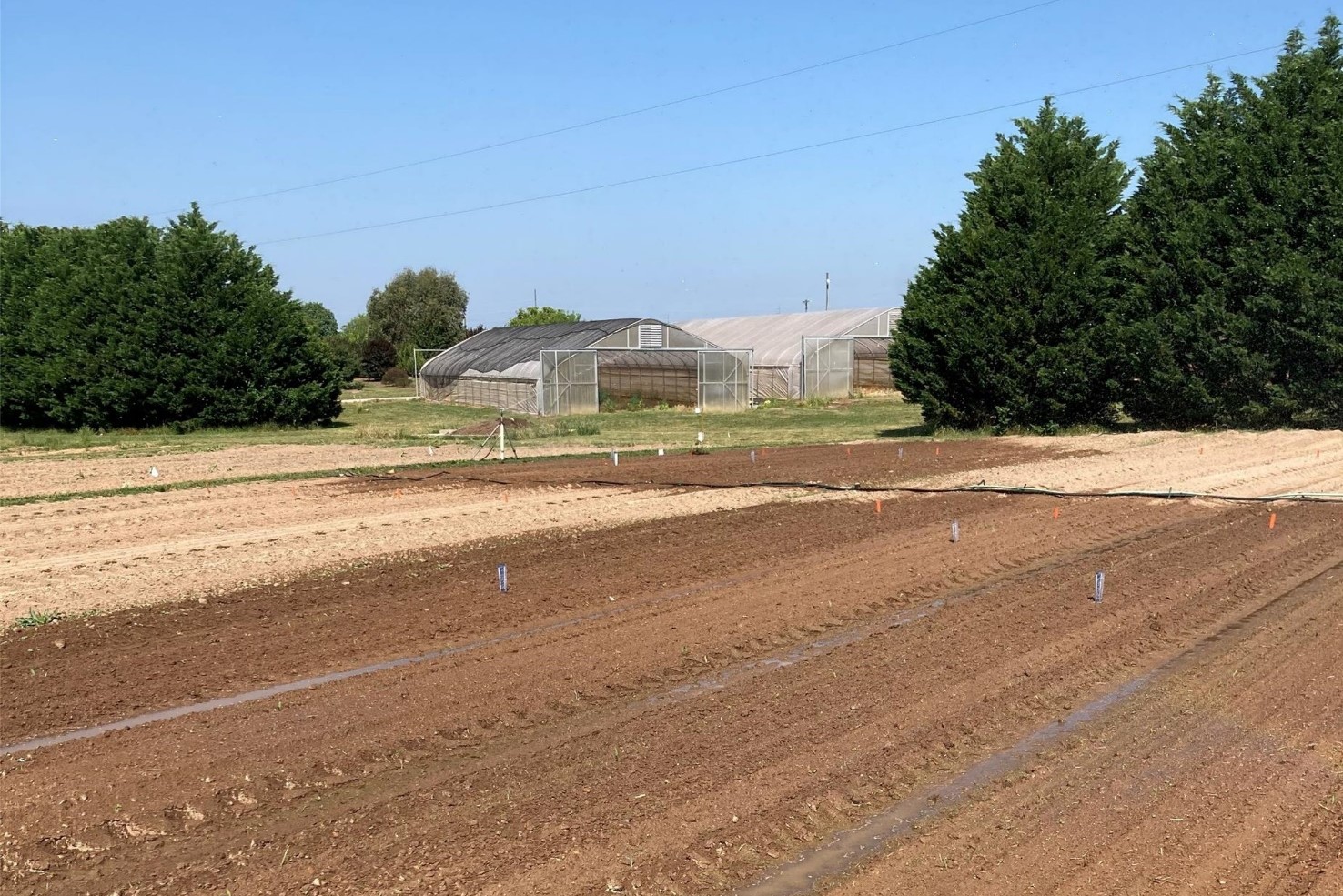
This publication highlights some of the ongoing research into using SSDI in organic vegetable crop production. SSDI facilitates cultivation without harming drip tubing and limits surface soil wetting, which may also reduce weed pressure. Prior research has shown that SSDI offers some advantages over surface-placed drip tubing in conventionally grown crops (Coolong, 2016).
|
-
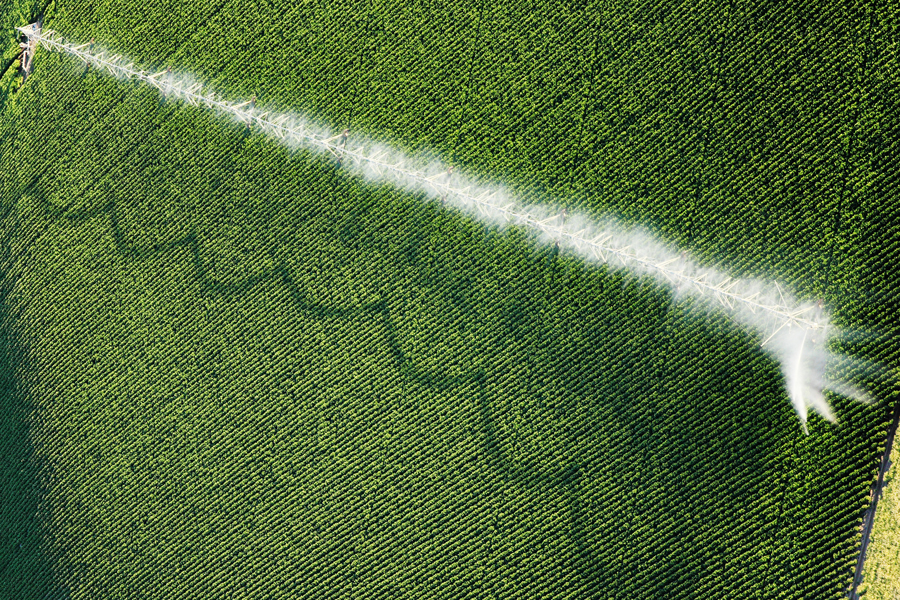
This publication was developed to provide farmers applying animal wastewater with step-by-step instructions to calibrate their center pivot irrigation systems. Within each step, the publication provides reasoning for that step and any equations to calculate the needed values. Along with instructions, the publication also provides a fillable table to collect data and charts to help determine application rates.
|
-
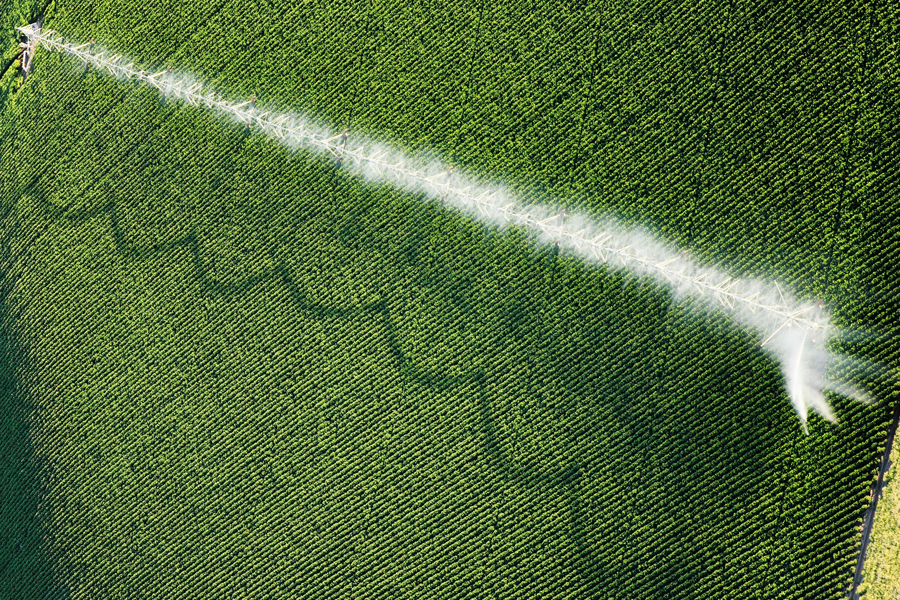
This publication is intended to be used by those familiar with calibrating a center pivot system. The circular lists the steps, calculations, and charts needed to calibrate a center pivot irrigation system pumping wastewater, without explanations of the process itself. The PDF version contains worksheets and formulas.
The step-by-step calibration procedure includes determining: the wetted diameter of your nozzle or sprinkler; spacing between collection cups; the number of cups needed to collect wastewater from all sprinklers/nozzles. Next, place collection cups in a row, equally spaced in the direction of travel, mark the starting point and then operate the pivot normally and mark the end point. Measure the time taken for the system to pass over all cups. Measure between the start and end points to determine the travel distance. Immediately record the volumes or depths of water in each collection cup and use this to calculate the average application depth (in inches, centimeters, or millimeters). Next, determine your “usable” cups and effective diameter of pivot, and then recalculate the average application depth for the “usable” collection cups. Calculate the reference travel speed and the deviation depth for each “usable” collection cup. Next, determine the average deviation depth, calculate the application uniformity and determine the calibration results.
|
-
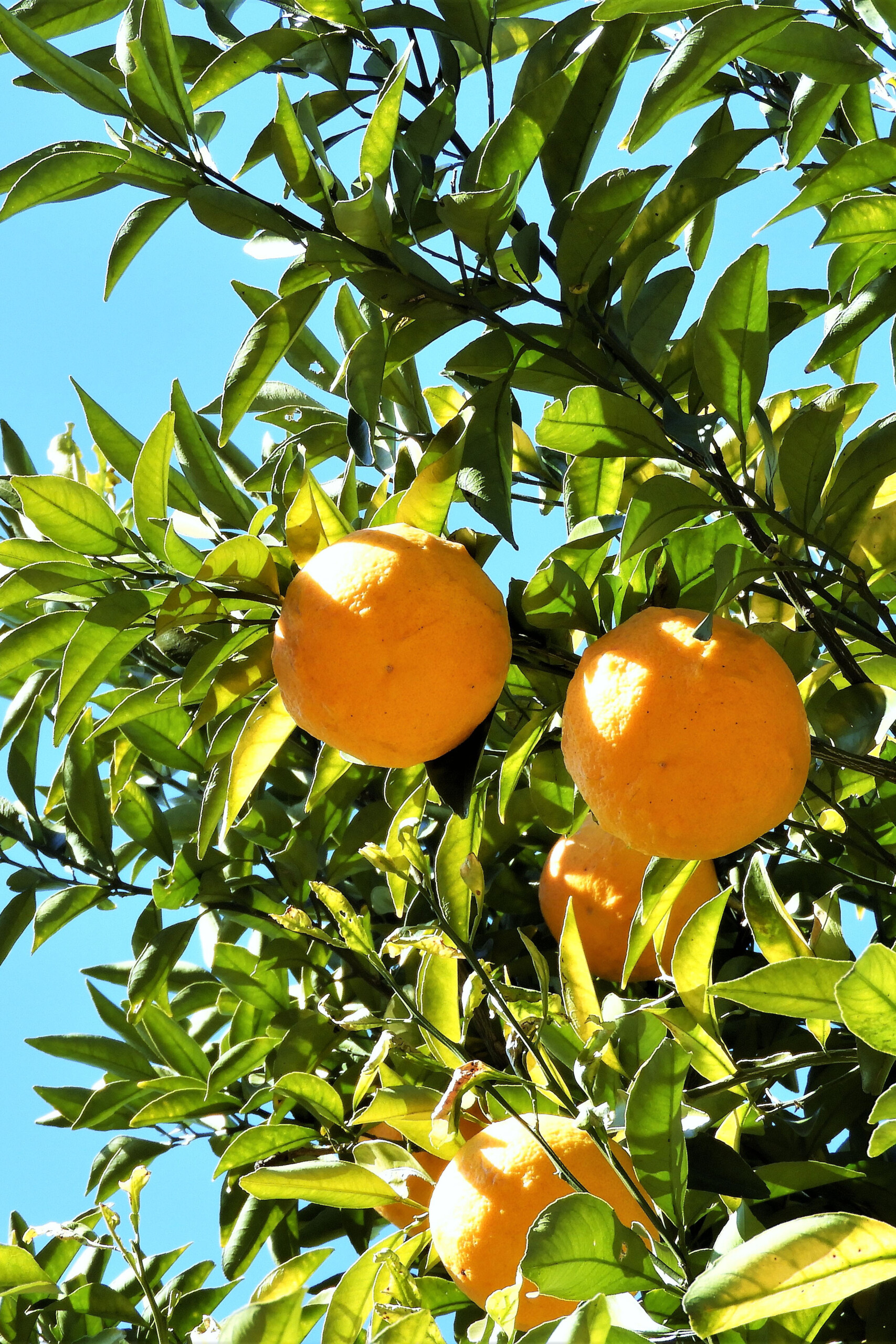
One of the most common questions regarding citrus is how much cold weather they can withstand before they are killed. Most citrus growers are looking for a specific low temperature, but there is no simple answer to this question because there are so many factors involved in citrus cold hardiness. This publication details research and information on the relative cold hardiness of different citrus varieties in Georgia documented from the 2022 December freeze, which saw unseasonably low temperatures. It is important to document the impact of a freeze such as this one on citrus varieties as they are a long-term investment and should be chosen carefully. Additional authors include: Danielle Williams, Mark Frye, Derrick Bown, Jason Edenfield, Justin Shealey, Ben Reeves, Holly Anderson, Tucker Price, Braxton Crews, and Kim Post.
|