General Agriculture Resources
-
B 1192
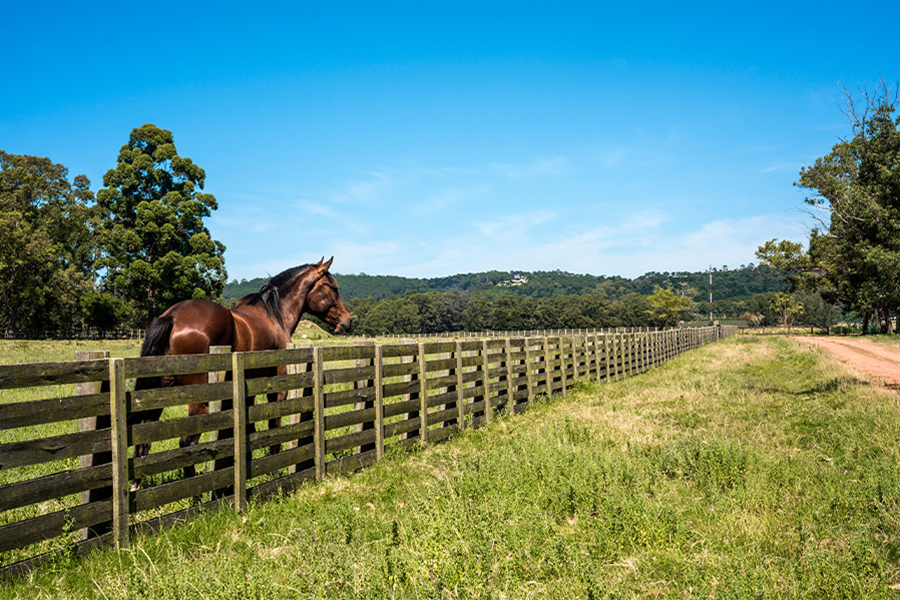
Fences for Horses
Fences are necessary to safely confine horses yet provide them with the opportunity to exercise and graze. Because of the natural flight response of horses, they tend to injure themselves in fences more than most other livestock. In addition, many horses are extremely valuable and that justifies the extra cost of building a fence that is safe, strong and attractive. When selecting a fence, consider all three of these important functions: utility (keeping the horses in), safety and aesthetics. How much importance is placed on each function depends on the owner’s budget, the value of the animals and your priorities. A number of alternatives are available for consideration.
|
-

This publication provides information on selecting an optimal soil sampling grid size that can accurately depict spatial nutrient variability within the fields in the southeastern US and helps in informing precision site-specific nutrient applications.
|
-
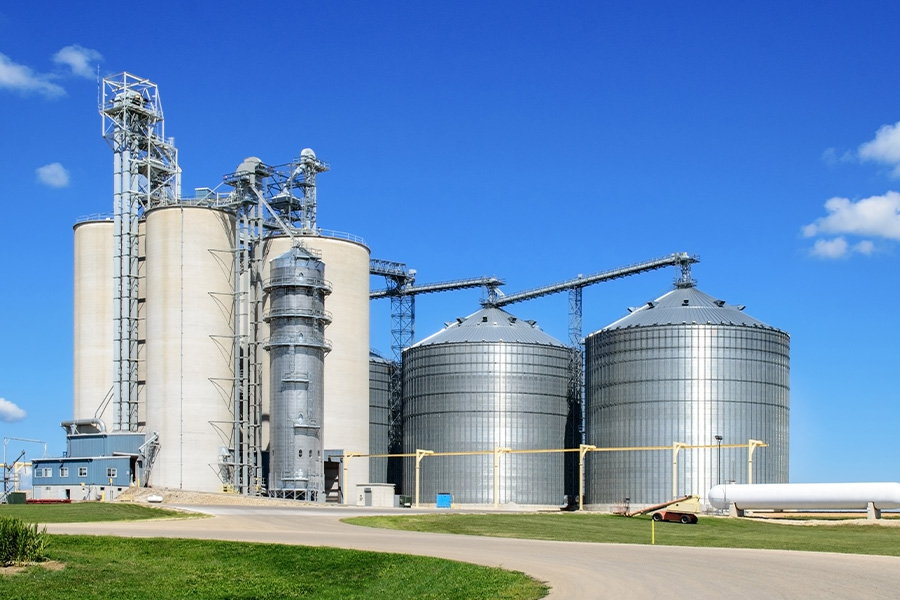
Aeration conditions grain and seed by lowering the temperature of the material and equalizing the temperature within the storage structure. This prevents moisture migration and condensation and can reduce losses during storage.
|
-
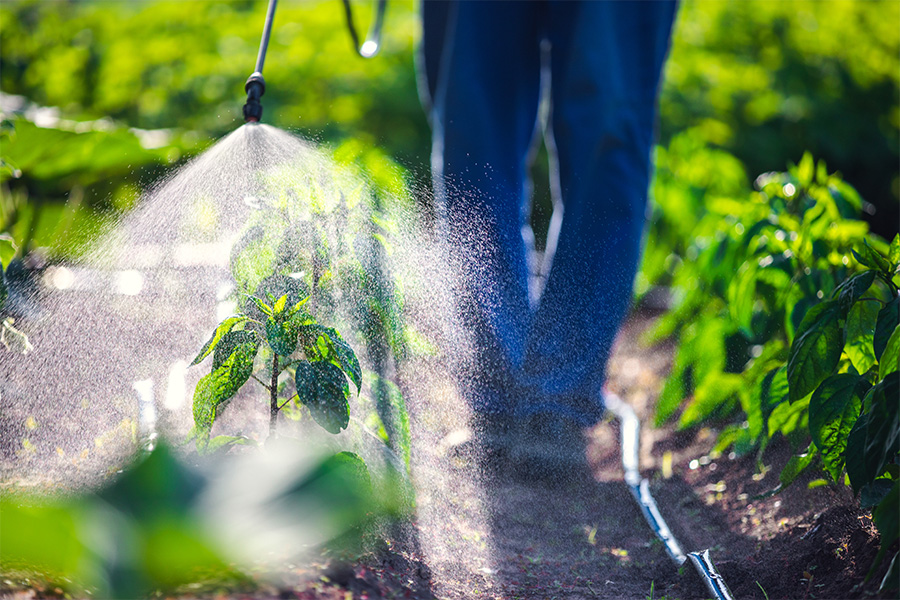
Fertilizer injectors are devices used to apply water-soluble fertilizers, pesticides, plant growth regulators, wetting agents and mineral acids during crop production. They are a vital part of modern greenhouse or nursery operations. Despite the advantages, many growers have had at least one experience with a compromised, damaged or even ruined crop where the cause was traced to a malfunctioning injector. Just like other mechanical devices, proper and frequent maintenance and calibration are crucial steps to ensure optimal injector performance and, thus, healthy crops.
|
-
C 774
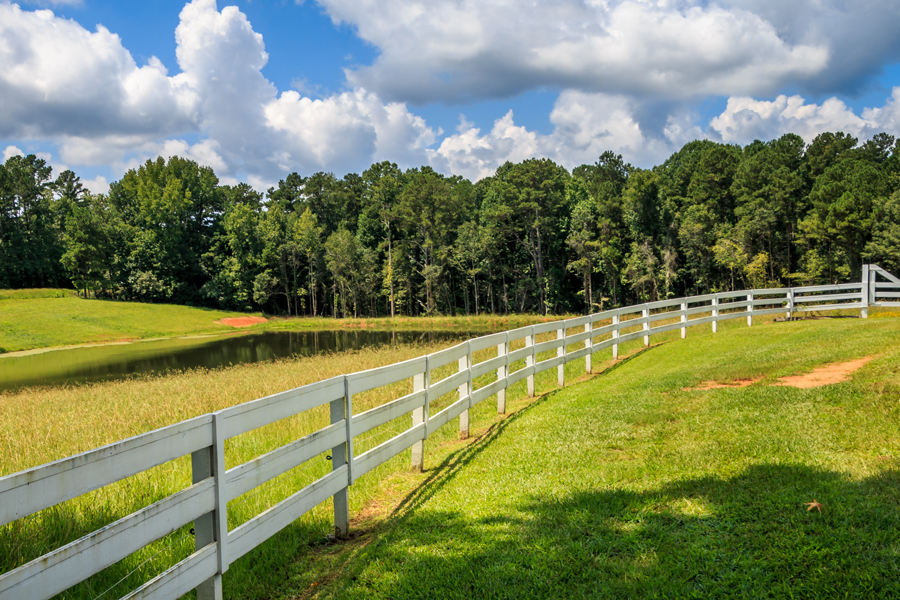
Fences for the Farm
Fences may be used to protect or divide property, to improve its appearance, to confine animals, or to exclude animals. This publication covers the planning for, type of, materials for, and maintenance of permanent and temporary fences.
|
-
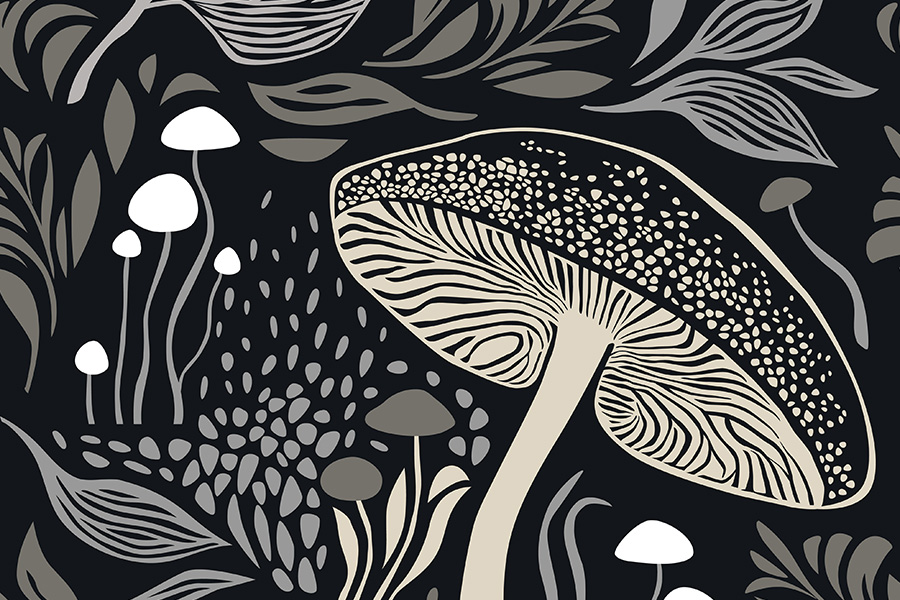
This publication describes Macrocybe titans, the largest mushroom species in the Western Hemisphere, which has been found growing in Georgia.
|
-
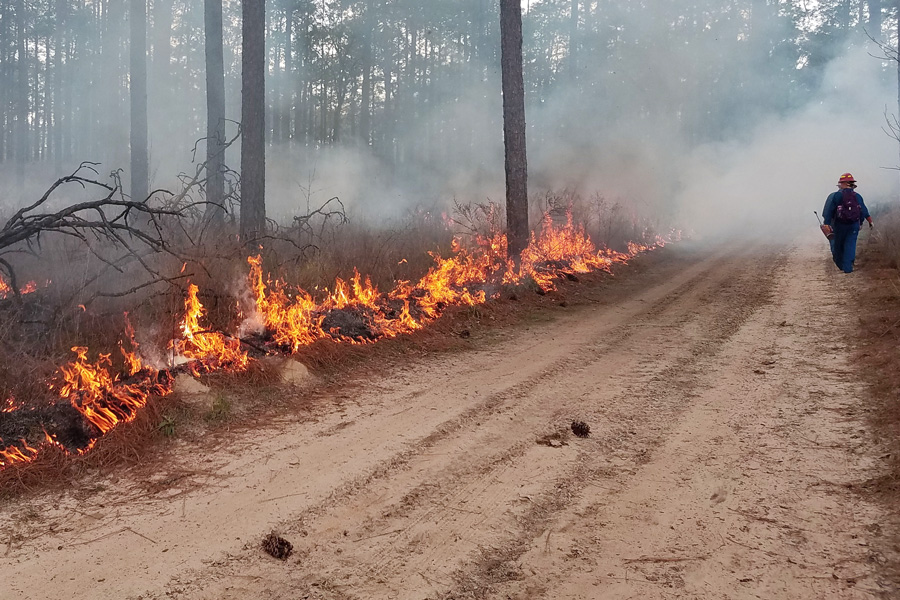
This 220-page Extension publication was written with landowners in mind, presents fire concepts in an easy-to-read manner, and will help you set and meet your burning goals. The diagrams and pictures illustrate and simplify fire concepts from wind direction to atmospheric conditions, firing techniques, and more. This guidebook will take you step-by-step through the processes involved in planning, preparing for, and conducting a prescribed burn on your land. The Guidebook’s four action chapters (Getting Started, Planning, Conducting, and Evaluating) start with checklists full of action items followed by detailed information on each item. In the Guidebook’s four informational chapters, you can take a deeper dive into key prescribed burning concepts including weather, smoke management, fuel, and fire behavior. Collaborators include NC State University and Auburn University.
|
-
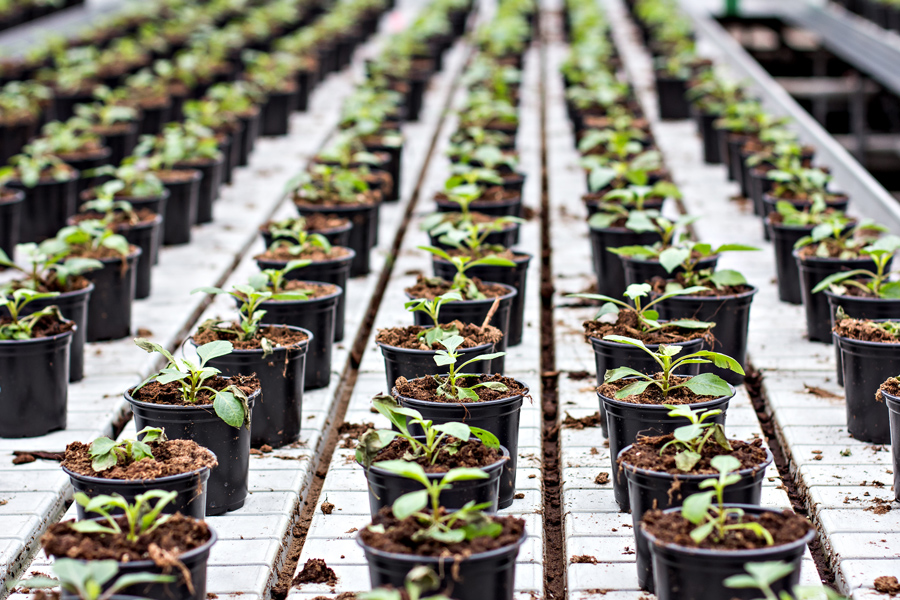
C 1292-02
Biochar Basics: Effects on Plant Growth
Additional author: Mengmeng Gu, Professor, Colorado State University Department of Horticulture and Landscape Architecture.
Is Biochar Good or Bad for Plant Growth? Mixing biochar into soilless substrates may have negative, zero, or positive effects on plant growth.
Biochar made from green waste mixed with peat at 50% by volume has been shown to increase prayer plants’ total biomass and leaf surface. Adding 10% by volume of sewage sludge biochar with peat-based substrates can increase lettuce biomass by 184%–270%. Mixing pruning-waste biochar with peat-based substrates at 50% or 75% by volume can also increase lettuce biomass. Mixing 20% or 35% (weight per weight) of coir biochar with 0.5% or 0.7% humic acid into a composted green-waste medium showed increased biomass of rattlesnake plants compared to those without biochar and humic acid amendments.
Mixed hardwood biochar (50% by volume) and sugarcane bagasse biochar at 50% or 70% with a bark-based substrate increased basil plants’ average root diameter. Mixed hardwood biochar at 20%–80% by volume increased photosynthesis, shoot fresh weight, and shoot dry weight of chocolate mint, peppermint, Kentucky Colonel mint, spearmint, and orange mint plants. Also, pinewood biochar mixed with pine bark increased chrysanthemum shoot fresh and dry weights.
Biochar may also have adverse effects on plant growth. For example, we tested one type of biochar with high salinity; plants grown in the biochar mixes wilted within 30 min. When plants do not have enough water to dissolve the extra salts, they die.|
-
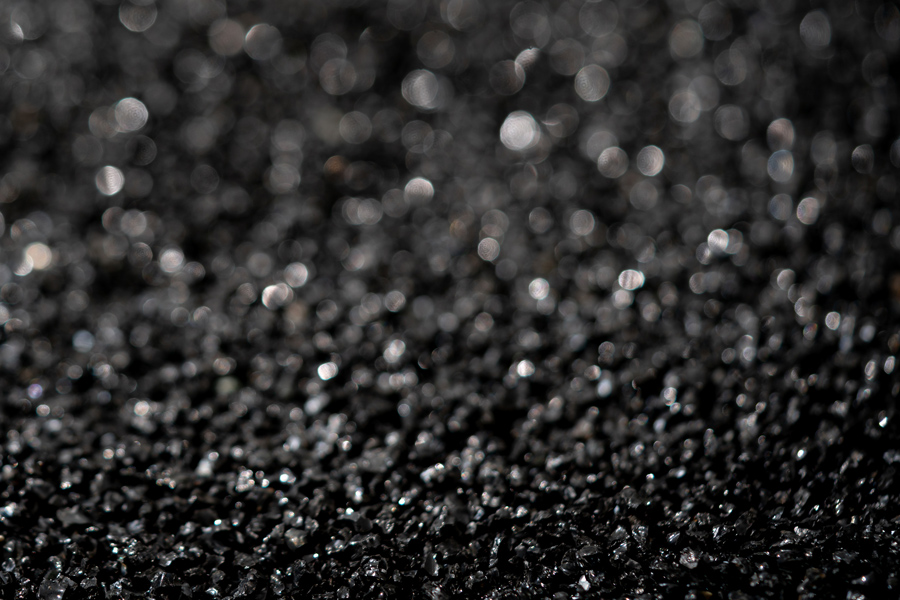
C 1292-03
Biochar Basics: Effects on Plant Disease
Additional author: Mengmeng Gu, Professor, Colorado State University Department of Horticulture and Landscape Architecture.
How does biochar play a role in a plant-disease system? Briefly, before the pathogen infects plants, biochar can improve plant growth by increasing water and nutrient uptake, a healthier plant may be more resistant to attack. On the other hand, after a pathogen infects the plants, biochar could absorb the toxins, enzymes, and other compounds produced by pathogens.
Certain types of biochar could contain chemical compounds which is bad for pathogen growth. When incorporating this biochar into the substrate, the growth environment may become toxic to pathogens, so they cannot grow well enough to attack plants. For instance, eucalyptus biochar water extracts were found to inhibit Pythium growth in a lab setting. This finding indicates that substrate containing certain chemical extracts may impede plant infection by inhibiting the growth of Pythium (Bonanomi et al., 2015). After a pathogen infects a plant, biochar’s porous structure can absorb the toxins, enzymes, and other compounds produced by pathogens. Many types of biochar can improve plant growth, making the host plant stronger to fight against pathogens, thus reducing disease occurrence.|