General Agriculture Resources
-
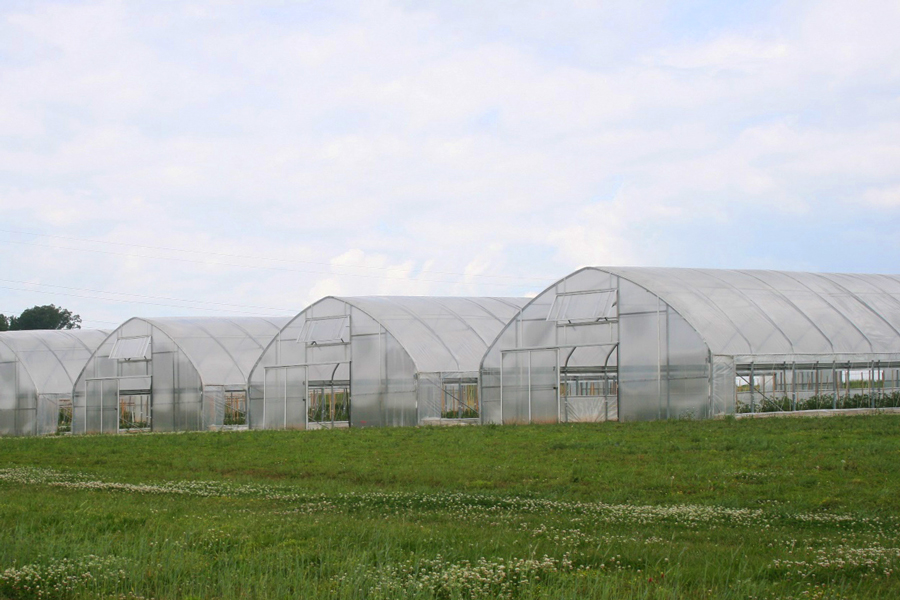
This resource is an introduction to high tunnel production that focuses on horticulture aspects of organic tomato production. Diseases and insect pests are not covered, but high tunnel construction, siting, shading, fertility, and irrigation of organic tomatoes are addressed.
|
-

Subsurface drip irrigation is the practice of installing drip irrigation below the ground surface. This publication is designed to provide a brief introduction to the site selection, design, installation, and management of subsurface drip irrigation.
|
-

This report provides research and extension results for trials conducted by the University of Georgia Vegetable Team and its collaborators in 2023. Contributing authors include county and regional faculty as well as specialists from UGA’s horticulture, plant pathology, crop and soil sciences, and entomology departments. All research has been supported by the Georgia Commodity Commission for Vegetables.
|
-

B 910
Hobby Greenhouses
The gardener who has a greenhouse can extend or intermingle the seasons at will. Whether you wish to build your own greenhouse from scratch or purchase a prefabricated structure ready for assembly, this resource explains everything you need to know about building and maintaining a hobby greenhouse. This publication also includes several building design plans.
|
-
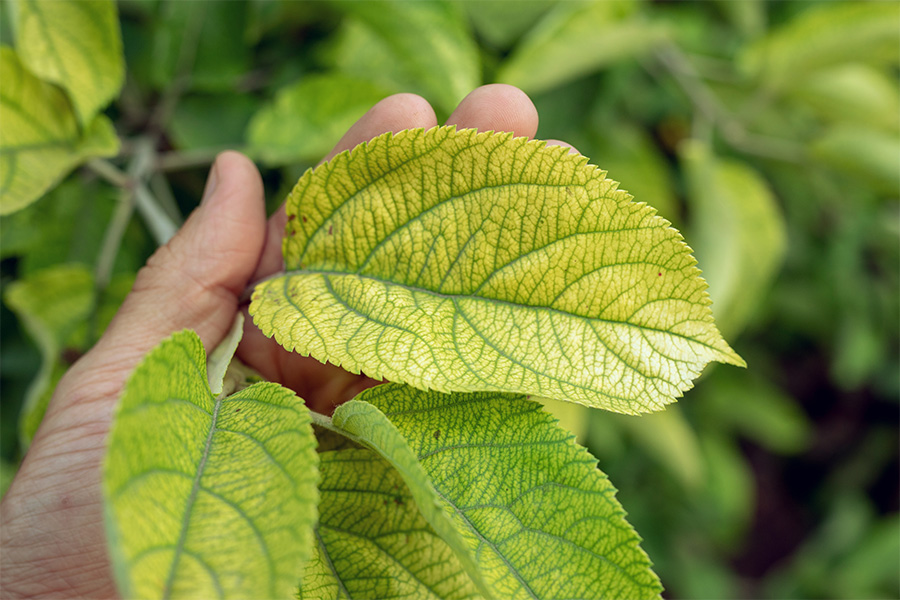
Your goal as a greenhouse grower is to maintain a stable pH over the life of the crop. This is not an easy task since many factors can affect pH in the growing substrate. The pH can go up or down within several weeks of the crop cycle and if you wait for deficiency or toxicity symptoms to develop, you have already compromised the health of the crop and you r profits. Knowing all factors involved is the first step to managing the substrate pH.
|
-
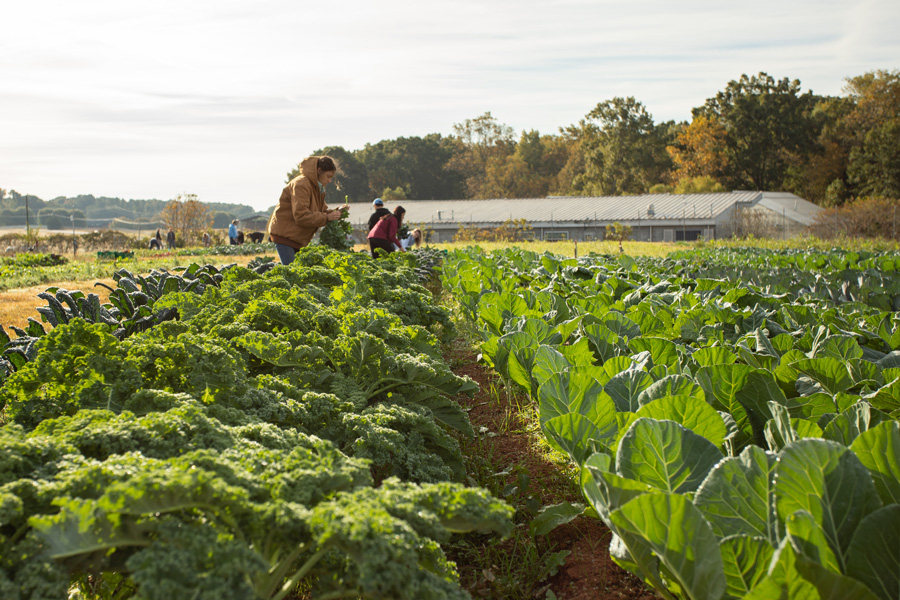
Label terms and certifications can be divided into those that are regulated and those that are unregulated. Regulated label terms and certifications are usually defined by the United States Department of Agriculture (USDA) or the Food and Drug Administration (FDA). Within the USDA, the Food Safety and Inspection Service (FSIS) is the agency responsible for the truthful labeling of meat and poultry products. The use of labels and certifications is governed by law and violations of use can have legal consequences. Unregulated terms have generally accepted definitions but do not have legal ramifications or verification of adherence. Many common label claims, such as “humanely raised” or “sustainably farmed,” refer to the process used to farm livestock but are unregulated, and there are no legal definitions for these claims. This publication summarizes some common regulated and unregulated terms in agriculture and livestock production.
|
-

Each year, one of the first questions both seasoned and new nursery producers, managers and owners asks is, “What plants should be propagated and/or grown in the upcoming season(s)?” Answering this question requires a complex equation of inputs ranging from the type of nursery operation that exists to physical location and market trends. For this reason, the answer to this question varies for each person or business.
This publication describes several important factors that must be considered to properly assess which ornamental crops should be grown and which market niches exist that may dictate crop selection.
|
-

This publication provides a brief overview of the major regulatory agencies and highlights the rules that Georgia farmers should be aware of concerning storage tanks on their farms.
|
-
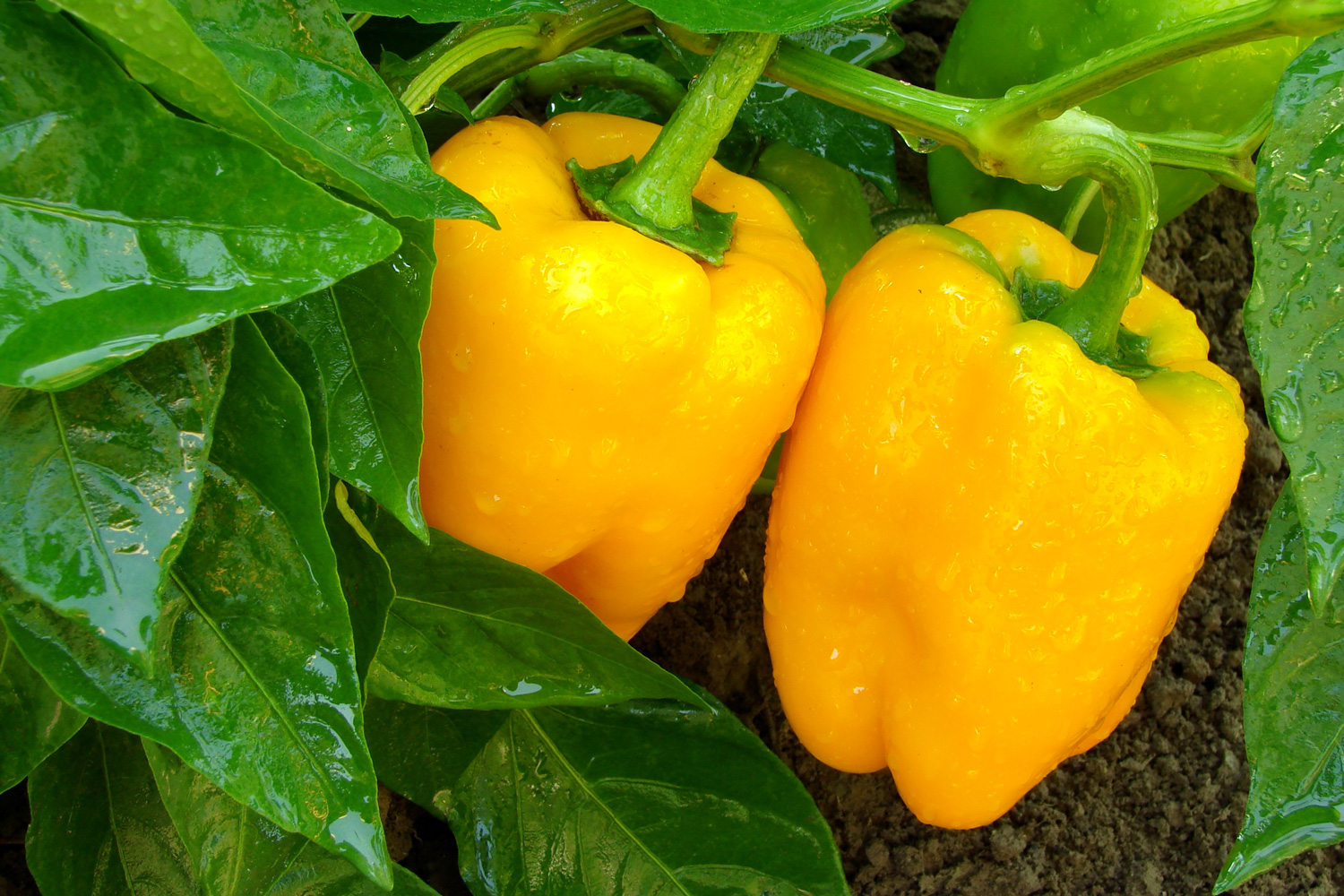
This publication is part of a series focusing on irrigation scheduling for vegetable crops. It contains basic information on water use and irrigation management using the crop water demand method for Solanaceae crops such as bell peppers, tomatoes, and eggplants.
|