General Agriculture Resources
-
C 1274
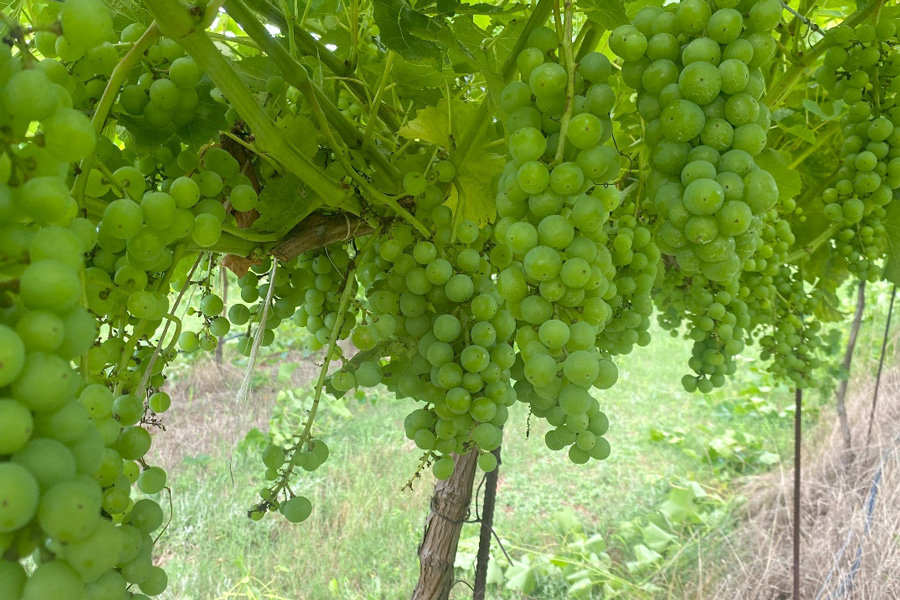
Blanc du Bois
‘Blanc du Bois’ has made a significant contribution to wine production in southeastern regions where Pierce’s disease is prevalent. Though possessing resistance or tolerance to Pierce’s disease, Phylloxera, and powdery mildew, this cultivar is not without fault, and it does require an intensive integrated pest management (IPM) program. We cover here the major issues observed with this cultivar.
|
-
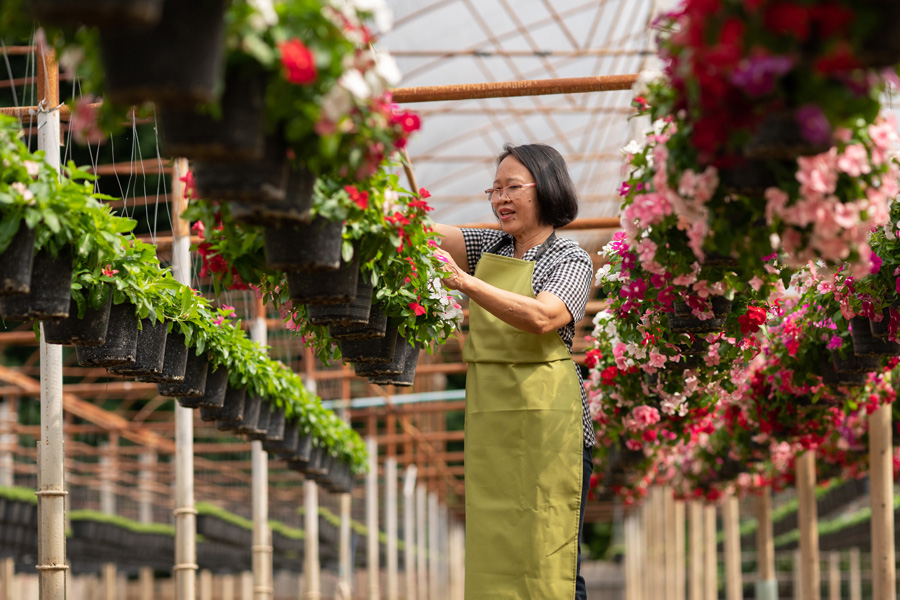
The idea of producing your own food in a clean, controlled environment is very appealing. While dreams may be big, careful research and planning should be done prior to jumping into any farm venture. Important items such as desire, capital, feasibility, labor, demographics, and marketing all need to be considered.
|
-

AP 130-1-11
Timber Situation and 2023 Outlook
1. Inflation remains a persistent
challenge.
2. Housing activity is beginning
to moderate.
3. U.S. South softwood lumber
market share is increasing
along with production
capacity. Plentiful
timber supplies and capital
expenditures are positives. Authors of this section are Tyler Reeves and Amanda Lang, Forisk Consulting; and
Joe Parsons and Yanshu Li, Harley Langdale Jr. Center for Forest Business,
Warnell School of Forestry and Natural Resources, University of Georgia|
-

AP 130-1-12
Green Industry 2023
1. 2022 was a good year for many green industry firms, with many firms
seeing increased profits.
2. There are many unknowns going into 2023 that will impact green
industry sales, including higher inflation and interest rates, mixed signals
within the economy, and the impact of varying strength of the housing
market in Georgia.
3. Green industry sales in Georgia are projected to be similar to 2022 levels.|
-

AP 130-1-13
Georgia Agritourism, Tourism and Travel 2023
1. Visitor spending continues
to increase in Georgia’s rural
communities.
2. Total economic output for
accommodations and food
services in Georgia’s rural
counties increased 26.7% in
2021 compared to 2020.
3. Visitations to state parks
and outdoor recreation areas
in rural communities increased
24% in 2021 compared to
2020.|
-

AP 130-1-03
2023 Cotton Outlook
1. Reduction in consumer demand for cotton related products will suppress cotton prices in 2023.
2. U.S. cotton acreage and production likely will decline in 2023 because of lower relative-price expectations with competing crops.
3. The cotton production profit margin likely will be lower in 2023 with high input costs and low cotton prices.|
-

AP 130-1-04
2023 Fruits and Tree Nuts Outlook
1. The three major U.S. peach-producing states experienced a significant fall in production which cumulatively reduced our 2022 production by 15%. Since it is difficult to predict whether the weather and water shortage that contributed to the decrease in production will persist, chances are that the situation may improve in 2023, but not by much. 2. The significantly high price received by peach and orange producers was instrumental in maintaining a strong consumer price index in 2022. The producer price index is expected to stay strong in 2023. 3. In 2023, blueberry imports from Chile, Peru, and Mexico will continue to increase—domestic harvests only get into the market beginning mid-March, and total production is not enough to satisfy high domestic demand. 4. Georgia pecans will continue to dominate the tree-nut industry in the 2023 crop year and prices are expected to improve, especially if China increases it imports of U.S. pecans.
|
-

AP 130-1-05
2023 Vegetables and Pulses Outlook
1. Although the total U.S. fresh vegetable and harvested area decreased by 7% in 2021 compared to 2020, the harvested area is expected to improve in 2023—but not enough to offset 2021. 2. Total vegetables and pulses imports were $18.6 billion in 2021, an increase of 10.2% compared to 2020. This import trend is expected in 2023 despite the supply chain disruption. 3. Production input prices will continue to fluctuate depending on the situation in the Ukraine and Russia war. It’s likely that prices will continue to escalate if the U.S. government does not come up with a contingency plan.
|
-

AP 130-1-06
2023 Corn, Soybean, and Wheat Outlook
1. The Russia-Ukraine war and Mexico’s plan to ban genetically modified corn from the United States will increase uncertainty regarding corn prices. 2. The United States and the world will continue to have a tight wheat supply in 2023, supporting higher than average wheat prices. 3. The low ending stocks of U.S. soybeans indicate the need for more soybeans. Ending stocks might improve in 2023, leading to softer soybean prices.
|