General Agriculture Resources
-

Los árboles son los que mas se dañan en las tormentas y son estos los mas peligrosos de limpiar. Los arboles dañados por tormentas están sujetos a una gran cantidad de peligros asociados con la tala de arboles y mucho, mucho mas. Las condiciones de trabajo pueden ser muy difíciles. Los arboles caídos se pueden enredar con otros arboles, o caerse en edificios, vehículos o alambres. La energía apresada en las ramas o en los troncos comprimidos puede ser liberada repentina, explosiva y fatalmente. Cada situación es diferente y requiere una consideración única. La aplicación de este Plan de corte de cinco pasos ayudará a mantener al operador de la sierra seguro y trabajando de manera efectiva.
|
-
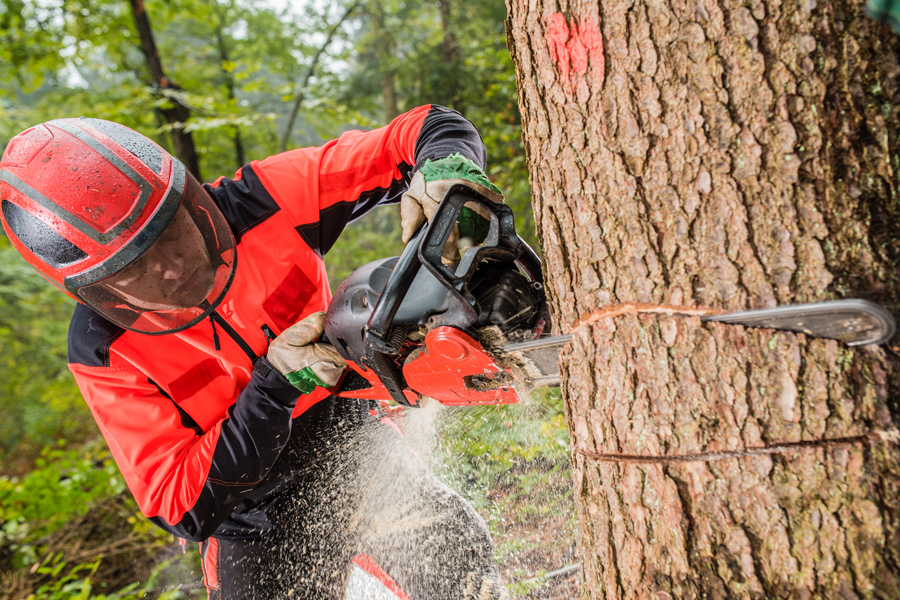
Felling trees is dangerous. Accidents abound when chainsaws and falling timber combine. The five step tree felling plan is a safe and effective way to take down a tree with a chainsaw. Rigorous application of this method will help the saw operator identify and mitigate hazards while dropping the tree as planned.
|
-
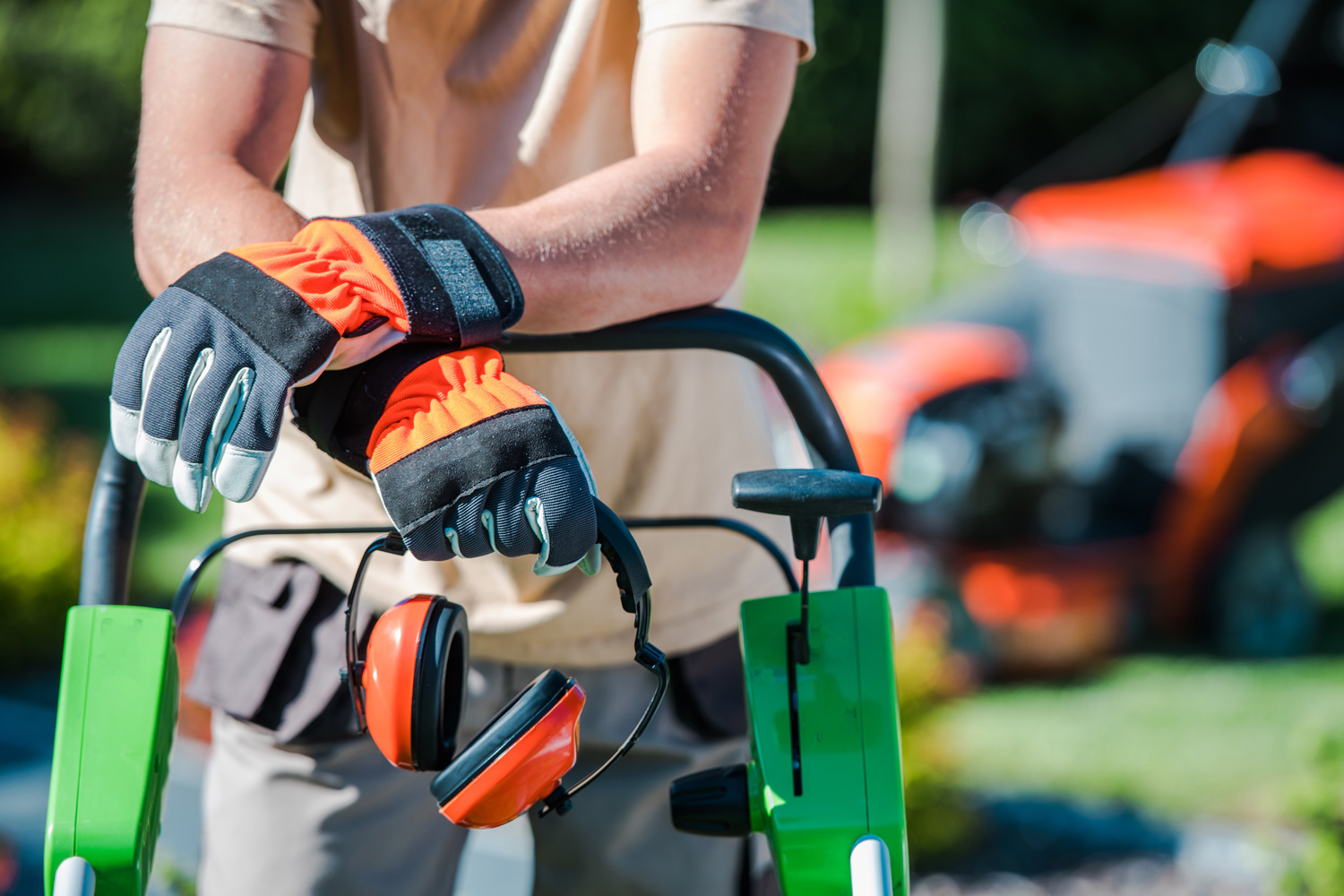
These checklists can be used to introduce new landscape workers to safe work practices. They ensure that job safety training includes safety instruction. Included are sections on general safety precautions, equipment safety, lawn mower safety and pesticide safety.
|
-

The main objective of this fact sheet is to provide a checklist of what is needed to properly prepare a center pivot or lateral irrigation system for the production season. All of the topics covered apply to both pivot and lateral irrigation systems, but for brevity, only center pivots will be referenced. By using the items in this fact sheet as a guideline for preventative maintenance, most breakdowns during the growing season should be avoided.
|
-
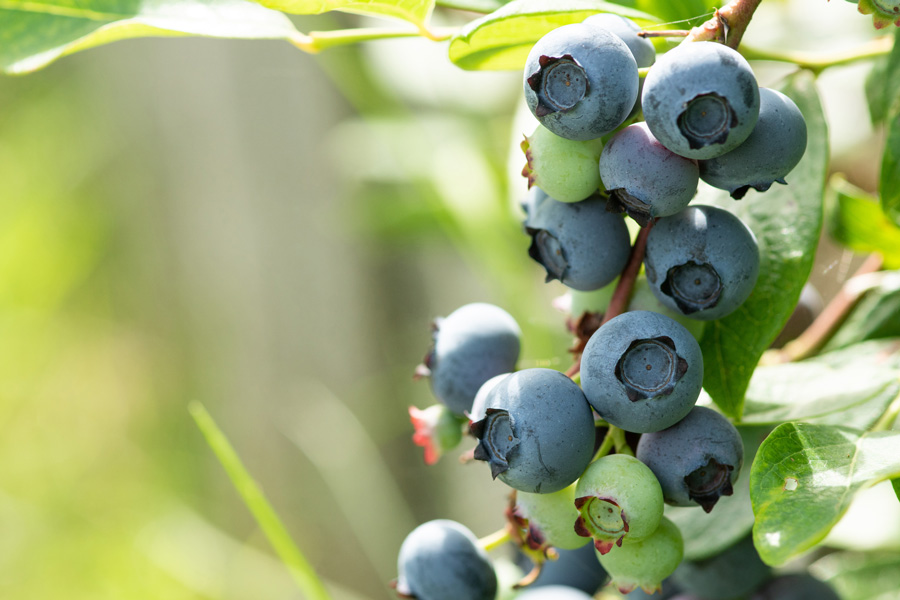
This publication provides updated (2023) Southeast-specific information on approved National Organic Program (NOP) disease and pest management options for blueberry production and addresses the issues most commonly encountered under the unique growing conditions of the Southeast U.S. This publication is not intended to provide all details on organic blueberry production, although it does include the production methods that reduce the impact of plant disease and pest issues. Emphasis in an organic system should be on cultural practices that reduce disease and pest pressure rather than pesticide applications. NOP-approved pesticides are usually less efficacious than conventional products. The pesticide label is the law and supersedes any information on pesticide use contained in this guide. Because environmental conditions and grower application methods vary widely, suggested use does not imply that performance of the pesticide will always conform to the pest control standards indicated by experimental data.
|
-

The Agricultural Act of 2018 (2018 U.S. Farm Bill) extended the nonrecourse marketing assistance loan (MAL) and loan deficiency payment (LDP) feature for the 2019 through 2023 crop years for upland cotton. This publication provides examples and a decision tree for choosing between the marketing assistance loan and loan deficiency payment program for cotton.
|
-

The lack of proper planter setup and maintenance results in common planting mistakes that affects crop stand and yield every year. Growers can easily avoid these mistakes by following a few simple steps at the beginning of the planting season to ensure proper planter setup for maximized field performance. This simple and easy-to-follow checklist provides tips on how to properly set up different planter components to achieve a high and uniform stand establishment across the field. The checklist also includes a visual to identify the components available on a typical row-crop planter.
|
-
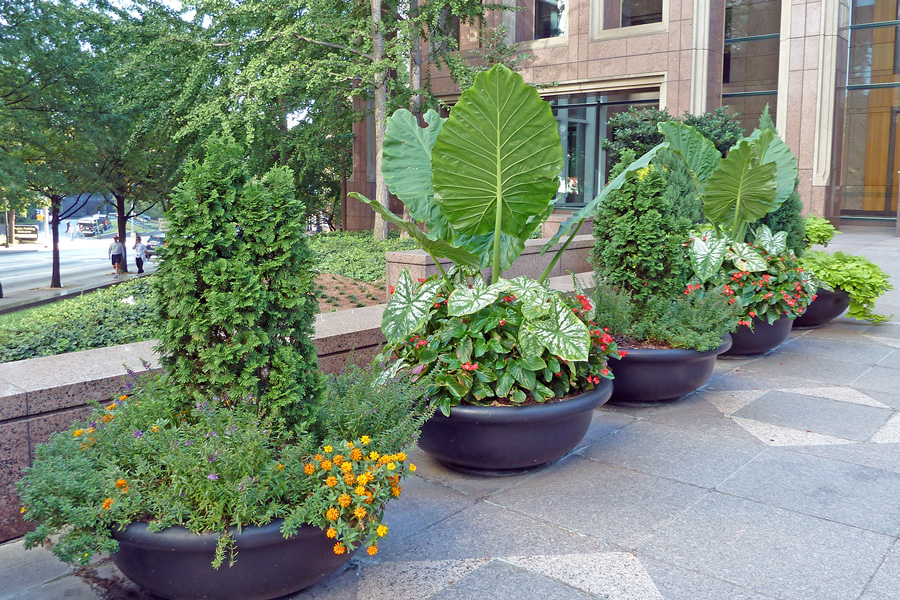
This publication offers information on types of plants suitable for mixed containers, with an emphasis on perennial and woody species and cultivars, as well as aesthetic qualities, cultural conditions and placement within the container.
|
