General Agriculture Resources
-
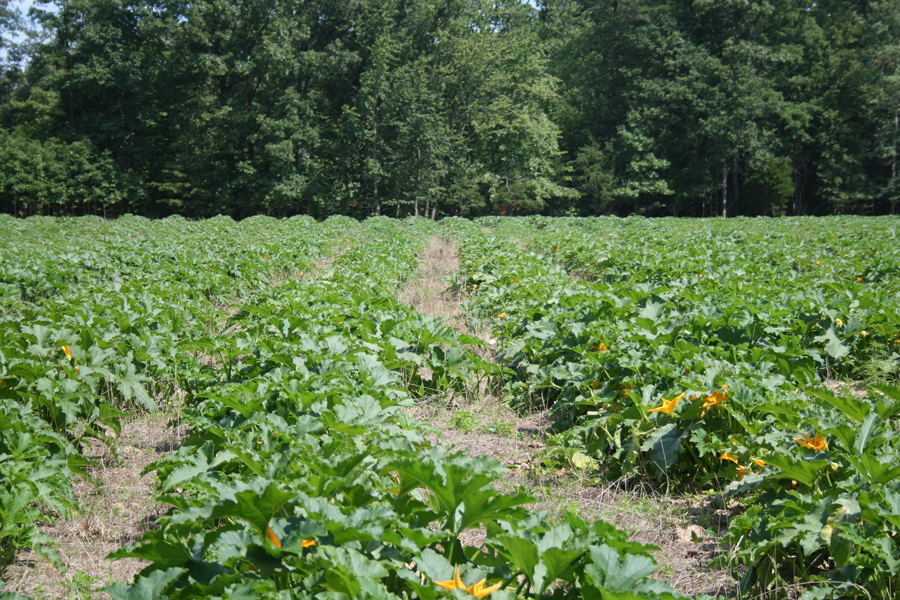
Conservation tillage with agronomic crops (i.e., cotton, corn, soybeans, etc.) has been successful in Georgia production. Such production practices have several benefits, the most notable being the elimination of soil erosion. Other benefits include but aren’t limited to increases in soil organic matter, maintaining a healthy rhizosphere (root-zone soil), reduction of riparian and waterway pollution, and water conservation.
Some examples of conservation tillage practices include no till, ridge till, and strip till. No–till production involves no tillage of field soils and leaves all of the previous crop residue on the soil surface. Ridge–till production involves building a ridge during cultivation, then scalping the ridge and sowing seed. The scalping process moves most of the previous–crop residue to the row middles, leaving a clean row for sowing. Strip–till production is when a narrow strip is tilled for each row that will be planted, leaving the row middles intact with the previous–crop residue. Strip–tillage may reduce yields if weeds in the untilled area are not killed, as these weeds will compete with the crop for water and nutrients. Although the planted row is free of previous crop residue, it may be advantageous to kill the cover crop to prevent it from competing for nutrients and water with the vegetable crop.
|
-

This biennial publication contains the proceedings of the turfgrass field day carried out at the UGA Griffin campus every other year; 2022 was the first field day since the 2018 field day because of the COVID-19 pandemic. The guide provides professionals with continuous, real-time access to the latest up-to-date information about turfgrass research studies, products, and turfgrass Extension activities, programs, and outreach. Topics will include, but are not limited to: crop and soil science, agronomy, weed science, plant pathology, entomology, economics, tissue culture, urban agriculture, irrigation, and student posters.
|
-

The purpose of this guide is to help users identify insects, spiders and mites that are beneficial to the garden. Such beneficials help manage pests that can damage plants. Tips to conserve and protect beneficials are also included.
|
-

Variety selection is one of the biggest decisions and investments cotton growers make each year. In 2010, the UGA Extension Cotton Agronomists implemented the UGA On-Farm Cotton Variety Evaluation Program to assist in this decision. Varieties are evaluated across a wide range of environments in the cotton producing regions of Georgia in cooperation with county agents and industry partners. The implementation of this program has made a tremendous impact on variety selection from year to year, and it will continue to have the same impact in the future.
|
-
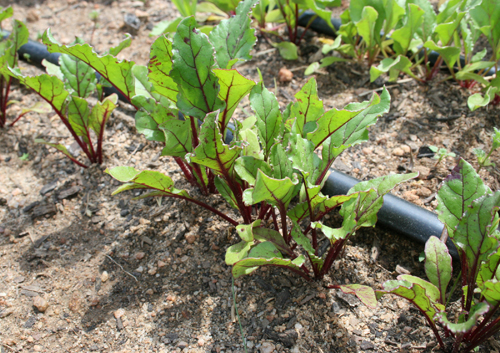
This publication is designed to give small market growers, homeowners, and Master Gardener audiences a quick guide to selecting and installing drip irrigation in the vegetable garden.
|
-
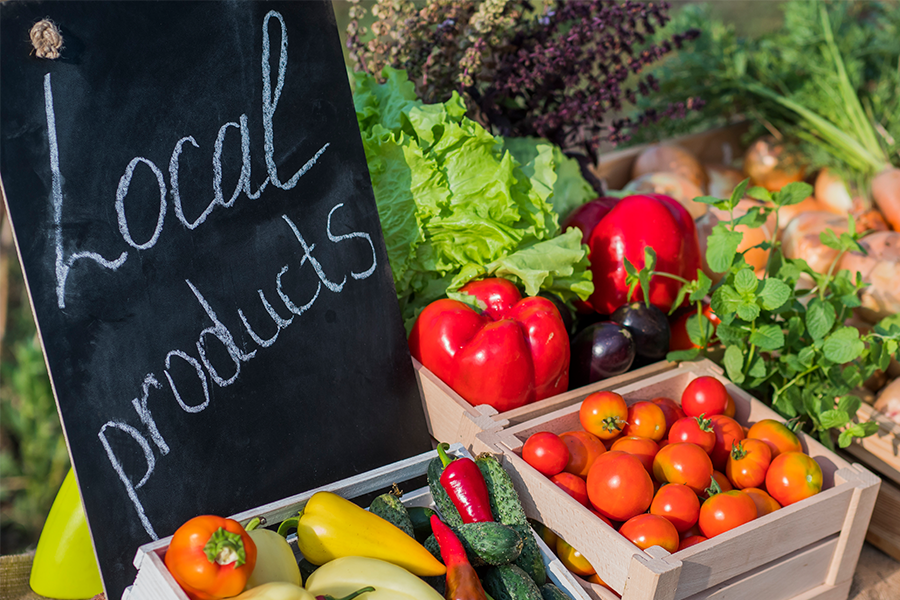
This publication covers some of the basic information about what you may need and key considerations when developing a small fruit and vegetable farm.
|
-

This report provides research and extension results for trials conducted by the University of Georgia Vegetable Team and its collaborators in 2021. Contributing authors include county and regional faculty as well as specialists from UGA’s horticulture, plant pathology, crop and soil sciences, and entomology departments. All research has been supported by the Georgia Vegetable Commodity Commission.
|
-

This publication provides Southeast-specific information on approved National Organic Program (NOP) disease and pest management options for blueberry production and addresses the issues most commonly encountered under the unique growing conditions of the Southeast U.S. This publication is not intended to provide all details on organic blueberry production, although it does include the production methods that reduce the impact of plant disease and pest issues. Emphasis in an organic system should be on cultural practices that reduce disease and pest pressure rather than pesticide applications. NOP-approved pesticides are usually less efficacious than conventional products. The pesticide label is the law and supersedes any information on pesticide use contained in this guide. Because environmental conditions and grower application methods vary widely, suggested use does not imply that performance of the pesticide will always conform to the pest control standards indicated by experimental data.
|
-

A farm’s return on investment is directly affected by the way water is applied to its crops. The wrong end-gun settings can result in overwatering or underwatering large portions of field acres. Clogged or partially clogged nozzles lead to obvious water shortages that can be visually observed or measured using yield monitors. Systems not properly checked and maintained can lead to significant losses in potential income. This irrigation reference guide will contain information provided by UGA Extension recommended irrigation scheduling rates for corn, cotton, peanuts and soybeans. The guide will also recognize specific center pivot application issues and how to correct them.
|