Grapes and Muscadines Resources
-
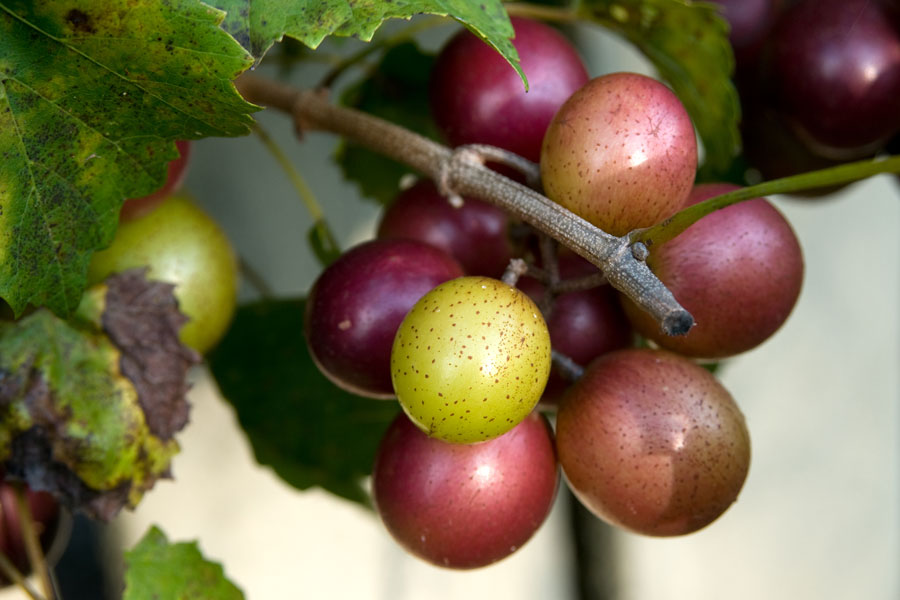
This 2024 update to the regional integrated pest management guide provides recommendations for muscadine grape production in the Southeastern U.S. Recommendations are based on information from the manufacturer’s label and performance data from research and Extension field tests. This publication is intended for use only as a guide. Specific rates and application methods are on the pesticide label, and these are subject to change at any time.
|
-
C 1274
Blanc du Bois
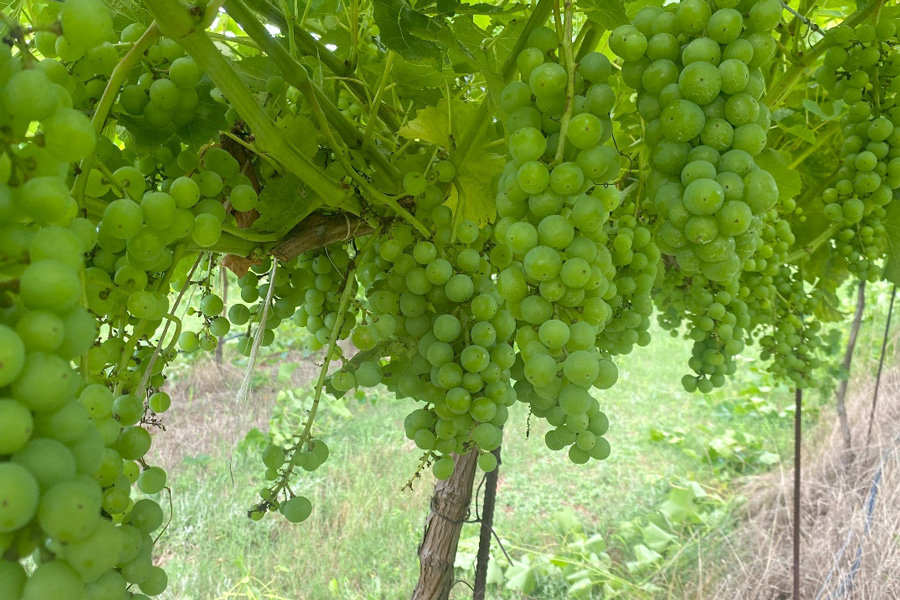
‘Blanc du Bois’ has made a significant contribution to wine production in southeastern regions where Pierce’s disease is prevalent. Though possessing resistance or tolerance to Pierce’s disease, Phylloxera, and powdery mildew, this cultivar is not without fault, and it does require an intensive integrated pest management (IPM) program. We cover here the major issues observed with this cultivar.
|
-
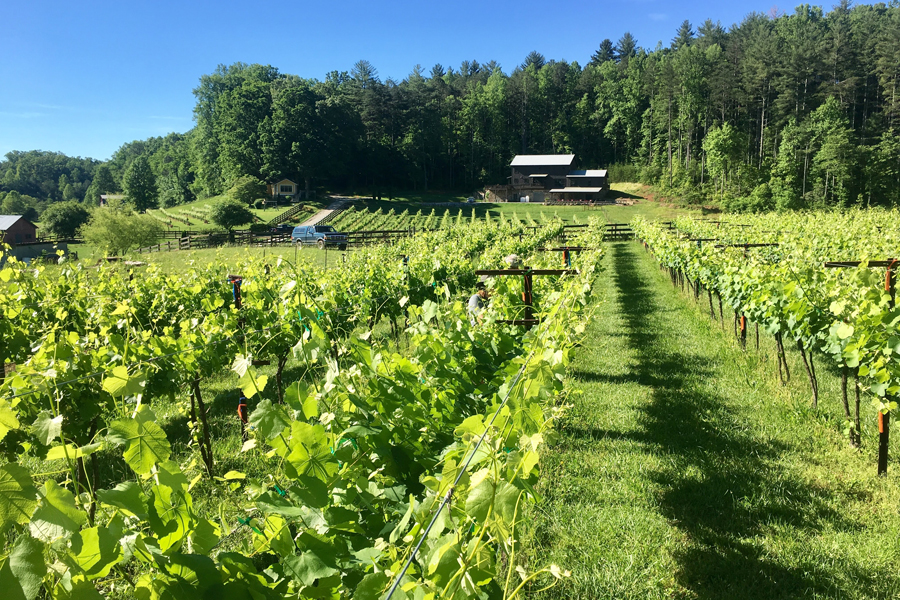
The Athena bunch wine grape training system was developed by the University of Georgia to increase crop yield in modest-yielding cultivars. The Athena is a divided-canopy system retrofit to the industry standard single-canopy trellising system with vertical shoot positioning. Athena training involves laying four canes and dividing the canopy through a series of cross arms fastened to the vineyard posts in a V-shape. The goal of this publication is to educate new growers, seasoned industry members, and Extension agents on the Athena training system for bunch wine grapes.
|
-
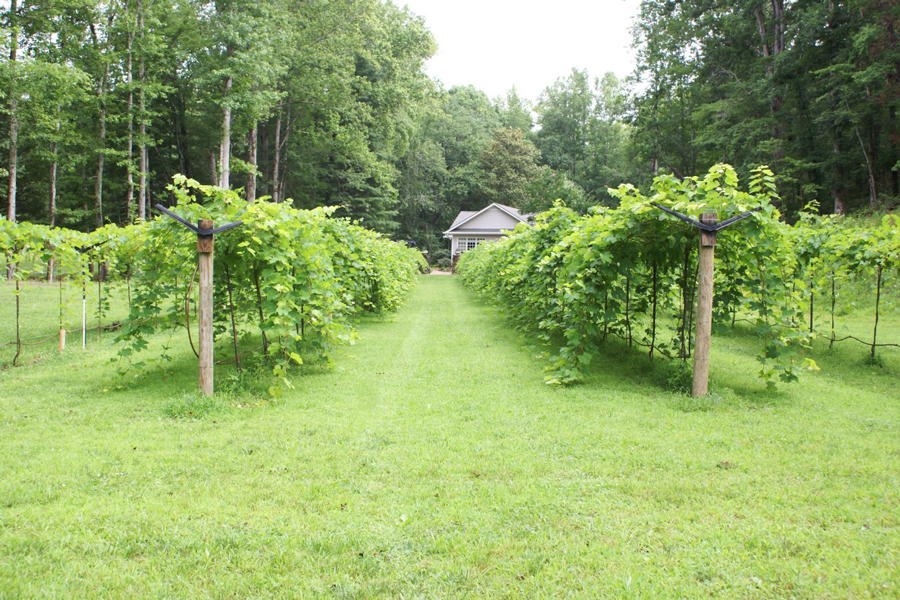
There are two main trellising system categories: divided and single canopy. Jerry Watson, a grape grower and owner of Austin County Vineyards in Cat Spring, Texas, developed the divided canopy “Watson System” in 2002 to solve some issues he was having with bunch rot management and harvest inefficiency in his vineyards. The Watson hardware and wires separate clusters from the canopy foliage and limit cluster touching compared to a standard, single high wire system. A high wire-trained vineyard could be retrofitted to Watson training with success.
|
-

This is a new annual guide for managing diseases, insects, weeds, and wildlife in bunch grapes in the Southeast. This regional integrated pest management guide provides recommendations based on information from the manufacturer’s label and performance data from research and Extension field tests. This publication is intended for use only as a guide. Specific rates and application methods are on the pesticide label, and these are subject to change at any time. This publication is a product of the Southern Region Small Fruit Consortium.
|
-

There are many ways to manage grapevine growth, and many grape-growing regions implement unique and preferred training methods. Vine growth management is achieved by applying a trellising system, which is a framework of metal cross arms, wires, and support posts that are used to direct grapevine vegetation to maximize fruit quality and production. Trellising and pruning combinations will sometimes be referred to as “training” systems, but “trellising,” “training,” and “pruning” are not interchangeable terms. Understanding the different forms of trellising and pruning can be a challenge for new growers. The goal of this publication is to provide a general introduction to some of the more common trellising and pruning terms used to describe grapevine management systems. There is a glossary at the end of this publication.
|
-
C 949
Home Garden Muscadines
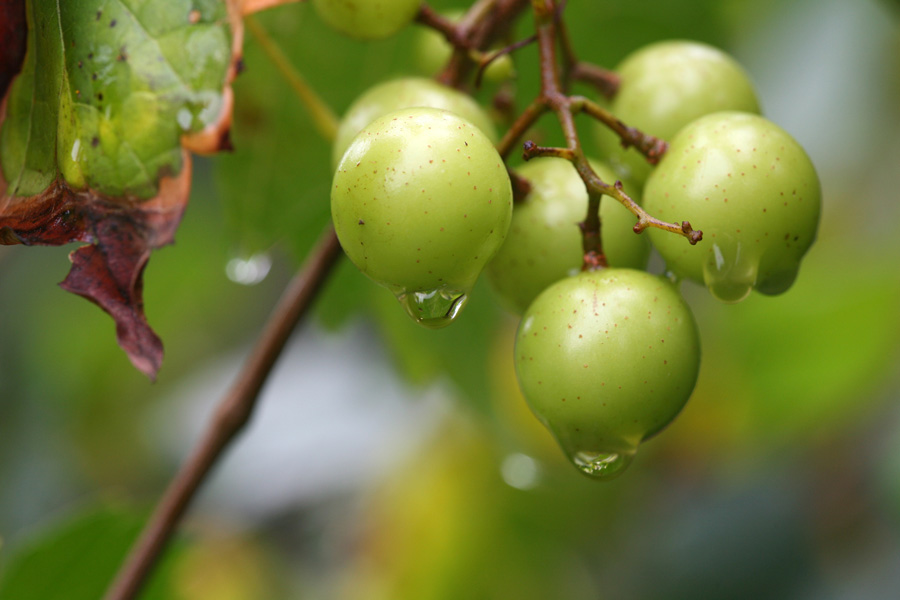
Muscadines are truly a fruit for the south. Although muscadines can be grown successfully in most parts of the state, they are best adapted to the Piedmont and Coastal Plain areas.
|
-
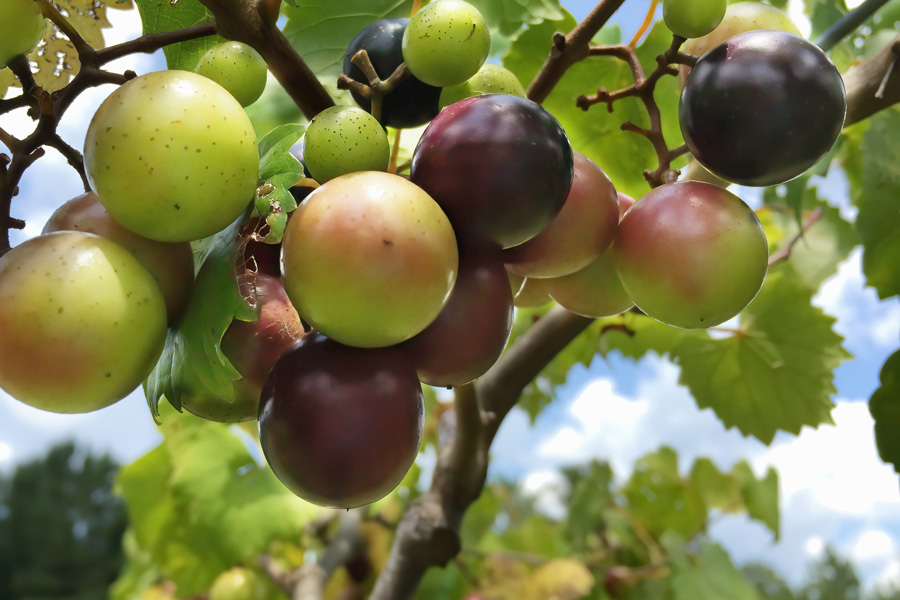
This 2023 update to the regional integrated pest management guide provides recommendations for muscadine grape production in the Southeastern U.S. Recommendations are based on information from the manufacturer’s label and performance data from research and Extension field tests. This publication is intended for use only as a guide. Specific rates and application methods are on the pesticide label, and these are subject to change at any time.
|
-

C 1151
Viticulture Management
This phenology-based viticulture management poster provides a reference for sound viticultural, disease, and insect management practices in a digestible format. Viticultural practices optimize vineyard health, profitability, and sustainability and improve crop quantity and quality. Like pest management, viticultural practices should be implemented in a timely fashion throughout the growing season to maximize practice efficiency and benefit gain. Disease control in grapes is critical, as grapes are susceptible to a wide range of pathogens. Implementing timely and adequate cultural practices will greatly help to suppress diseases.
|