Horticulture Resources
-
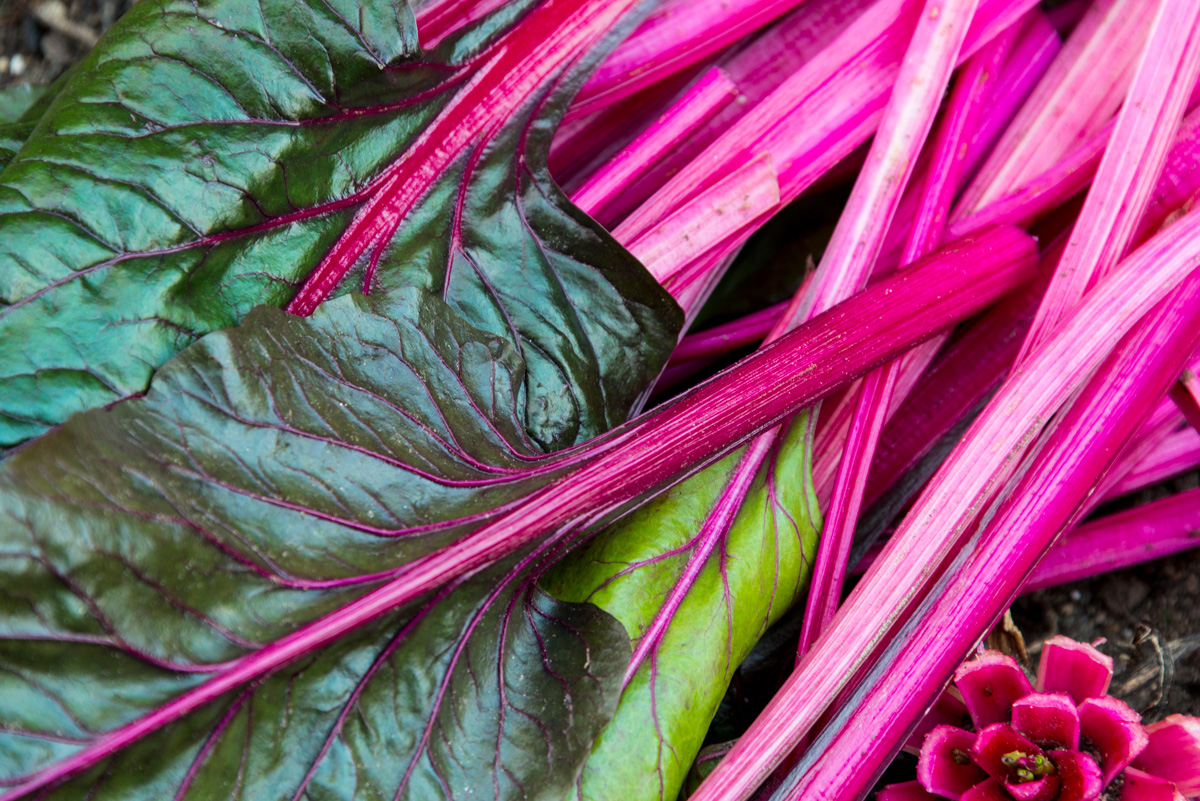
C 1039
Home Garden Swiss Chard
Learn how to grow Swiss chard in the home garden, including soil preparation, planting, culture and fertilization, harvesting, storing, and using Swiss chard, plus problems you might encounter and a list of suggested varieties.
|
-

Cover crops can be an important component to any home garden. They are used for various reasons, including building the soil, controlling soil erosion, and limiting the initiation and spread of certain diseases and insects in the soil. This publication is designed for homeowner and Master Gardener audiences and discusses the benefits, selection, planting and use of cover crops in the home garden.
|
-
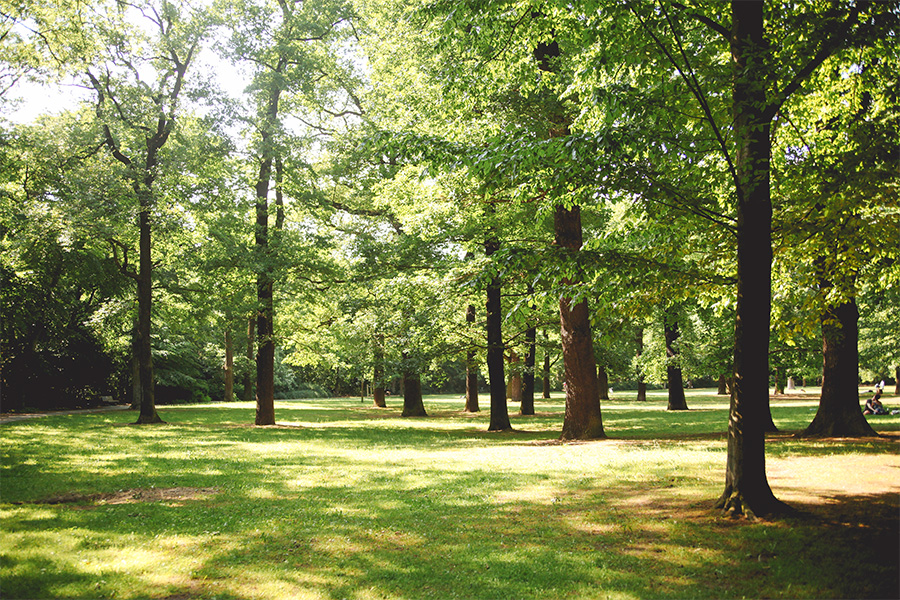
C 1013
Shade Trees for Georgia
Shade trees are a staple of Southern landscapes and include a variety of species, forms and seasonal appeal. In the Southeastern U.S., shade trees are used most often to provide relief from the summer sun and heat. Additionally, shade trees can be utilized to channel summer breezes to desired locations, add monetary value to a property, define outdoor spaces, and improve landscape sustainability by reducing soil erosion, decreasing storm water flows, increasing rainwater infiltration and increasing wildlife habitat.The information in this publication will assist homeowners in making informed decisions when selecting fast growing shade trees for urban and suburban environments.
|
-
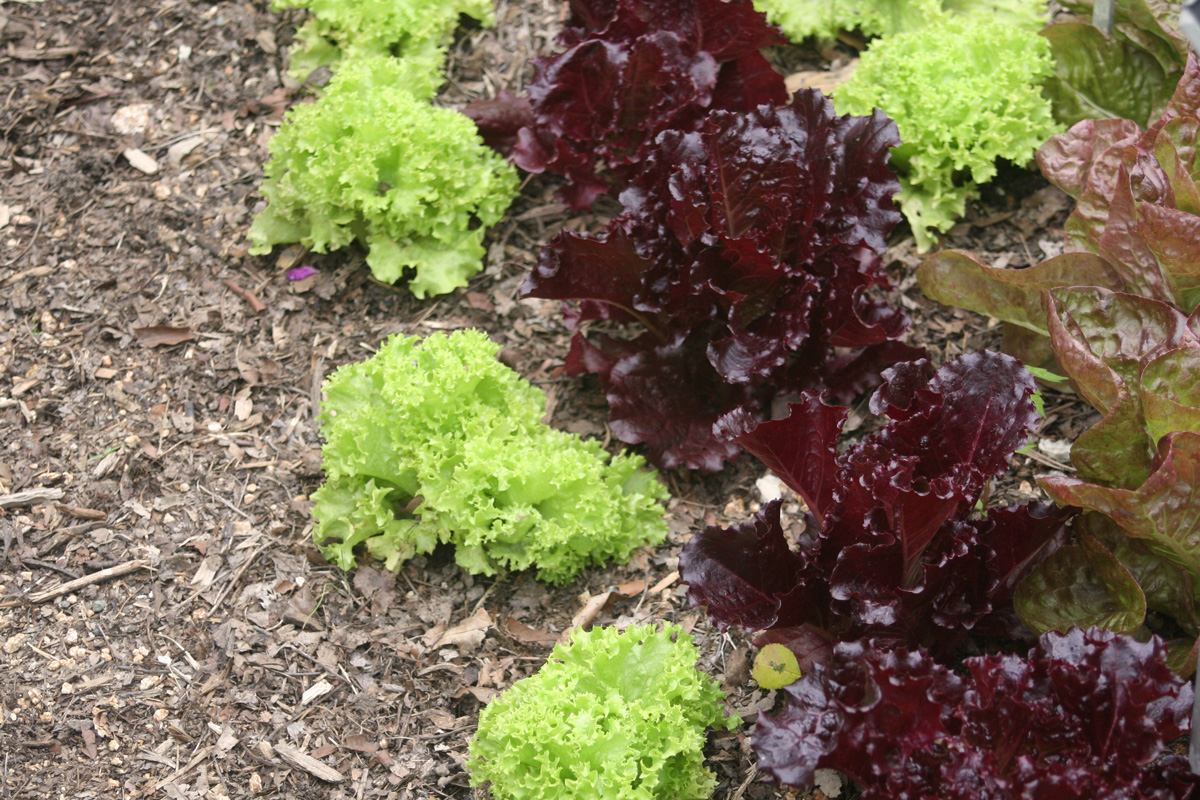
C 1018
Home Garden Lettuce
Use this resource to learn how to grow lettuce, a cool-season vegetable that can be planted in early fall or early spring in Georgia.
|
-

This diagnostic system is designed as a tool to assist growers, Extension specialists and county agents to diagnose problems with ornamental crops. The document consists of six major sections and five appendices. Each section is designed to supply information on various important aspects of the crop under scrutiny.
|
-

Growing vegetables as either a part-time or full-time enterprise can be an enjoyable and rewarding experience. Not only can you produce fresh food for your own table, you can provide supplemental income to your family’s budget. While that may sound great, there are several considerations to bear in mind before you jump into this endeavor. Items to consider before becoming a small market grower include time commitment, capital, available resources, licensing, insurance, taxes, and marketing. This publication is intended for general use audiences, including farmers and those considering entering small market vegetable production.
|
-
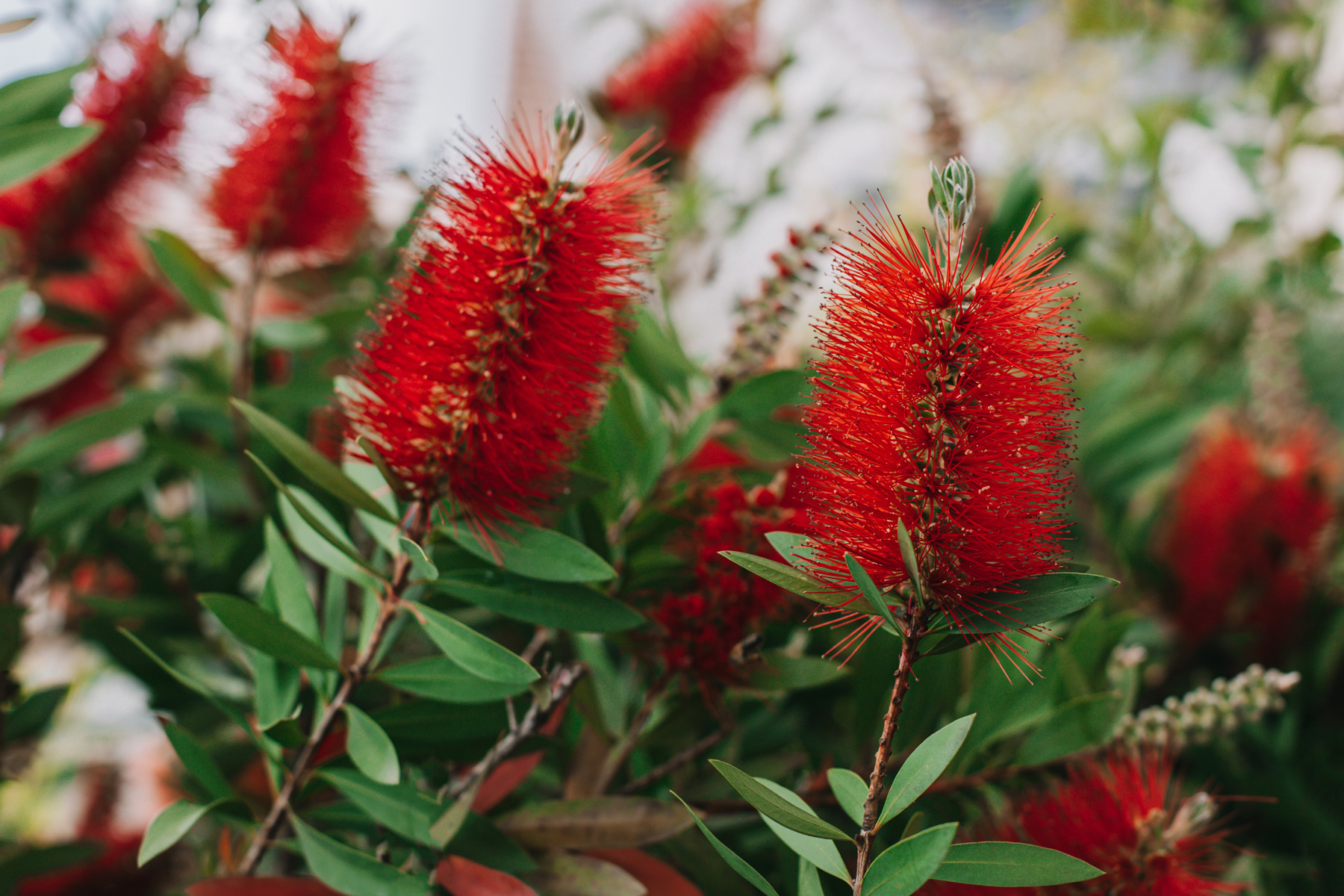
This publication explains the different sources of salt in the soil, the effects of high salt and salinity in plants, measurements of salinity in soils and water, and a list of salt-tolerant native trees alongside their ability to withstand high salinity.
The information in this bulletin was requested by the green industry, county faculty, and the public.
|
-

Sunflowers can be an important addition to the home garden due to their ability to attract beneficial insects as well as serve as a trap crop. Sunflowers also provide a nutritional, edible crop high in protein and low in fat. This publication covers the basics of how to grow and harvest sunflowers in the home garden. The circular introduces the benefits of growing sunflowers as well as multiple uses for the crop.
|
-

The goals of these investigations were to achieve an aesthetically pleasing landscape while experimenting with mixing various plant habits, leaf textures and colors, and even flowers, and to raise consumer awareness, both at industry and public levels, of the alternative uses of tropical plants in the landscape. This publication presents plant performance data collected over a three-year period in trials from two different Georgia environments, a coastal area and a mid-state area.
|