Horticulture Resources
-

C 883
Home Garden Strawberries
Learn how to grow your own strawberries at home with this helpful guide. Strawberry beds need a small area that receives full sun most or all day to get started, and they will grow well in many types of soil.
|
-
C 784
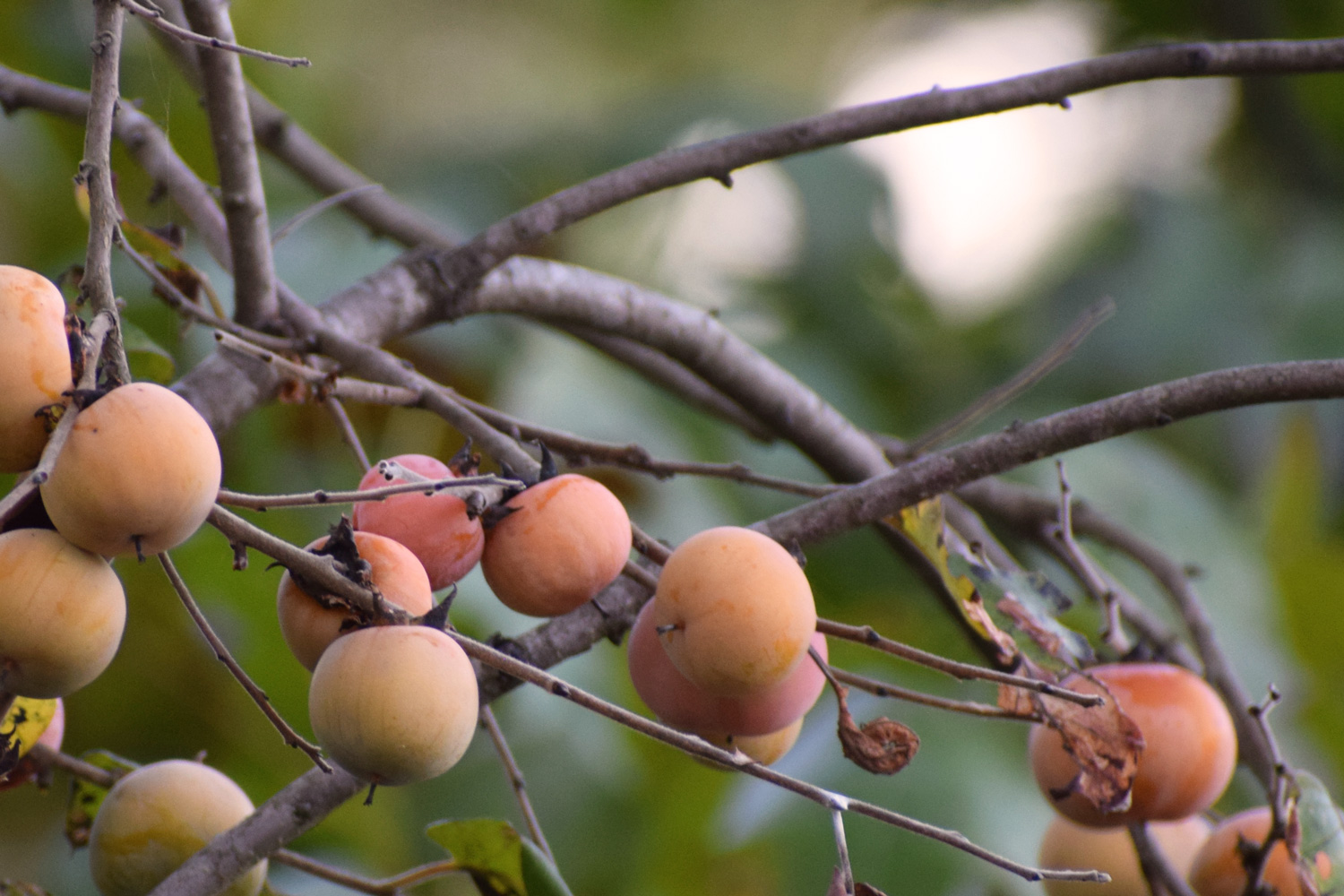
Home Garden Persimmons
Many of the numerous species of persimmon can be grown in Georgia. This resource covers planting and growing requirements as well as fruiting, harvesting, and insect pest information.
|
-
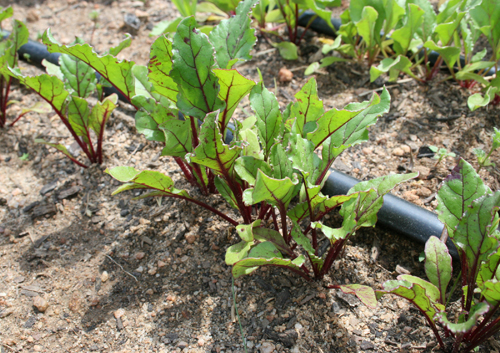
This publication is designed to give small market growers, homeowners, and Master Gardener audiences a quick guide to selecting and installing drip irrigation in the vegetable garden.
|
-

Plants develop seeds through a process called pollination. Pollination is the transfer of pollen from the stamen (male flower part) to the pistil (female flower part).
|
-

This publication is the second in a series focusing on irrigation scheduling for vegetable crops. It contains basic guidance on water use and irrigation management for Brassica crops such as cabbage, leafy greens, broccoli, and cauliflower, and this information should assist growers in scheduling irrigation.
|
-

B 1276
Water Management Assessment
The Greenhouse*A*Syst series of publications is a confidential self-assessment program you can use to evaluate your greenhouse business for risks associated with water management issues. Armed with facts and figures, you will then be able to reevaluate your management strategies and determine ways to conserve water and minimize those risks. By following the guidelines, you will be able to establish a formal companywide water conservation plan. Implementation of this plan will facilitate more efficient use of resources and impart significant savings in water use, fertilizer and pesticides. This publication will help you take a candid look at how you approach water management.
|
-

The Greenhouse*A*Syst series of publications is a confidential self-assessment program you can use to evaluate your greenhouse business for risks associated with water management issues. Armed with facts and figures, you will then be able to reevaluate your management strategies and determine ways to conserve water and minimize those risks. By following the guidelines, you will be able to establish a formal company-wide water conservation plan. Implementing this plan will facilitate more efficient use of resources and impart significant savings in water use, fertilizer and pesticides.
|
-

The Greenhouse*A*Syst publication Series has been developed to assist greenhouse owners with the task of assessing three management issues: Water management, Environmental Risk and Business Profitability. This publication will also help you establish a water conservation document you may find useful if and when state or local water authorities develop policies or implement water restrictions. Most water authorities are favorably impressed with businesses that have developed water conservation plans.
|
-

B 1277
Water Quality Assessment
The Greenhouse*A*Syst series of publications is a confidential self-assessment program you can use to evaluate your greenhouse business for risks associated with water management issues. Armed with facts and figures, you will then be able to reevaluate your management strategies and determine ways to conserve water and minimize those risks. By following the guidelines, you will be able to establish a formal companywide water conservation plan. Implementation of this plan will facilitate more efficient use of resources and impart significant savings in water use, fertilizer and pesticides. This publication will help you determine your water quality and help you develop a management plan to monitor your water quality.
|