Horticulture Resources
-

C 1027-2
Siting a Garden
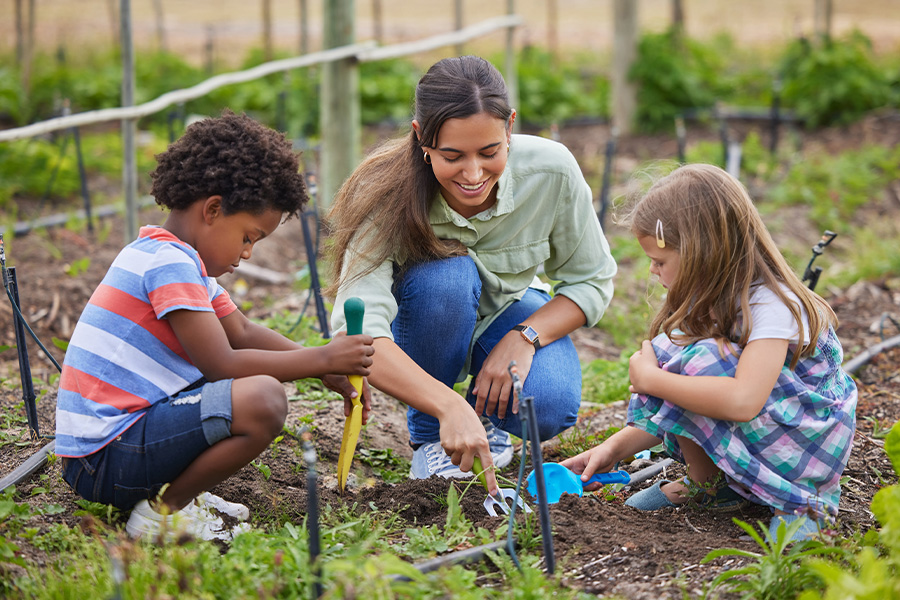
This publication provides recommendations for properly siting a school or community garden, taking into account sunlight exposure, water availability, slope, garden access, tool storage, compost bins and other amenities.
|
-
C 1027-10
Growing Fruits
Community gardens designed to provide locally grown food for families can be used to grow fruits in addition to the more commonly grown vegetables. There are many common and lesser-known fruits that are suited for planting in community garden situations.
|
-

C 1027-13
Weed Control
This publication describes weed control methods that are appropriate for community and school gardens.
|
-

This publication describes common myths about cold protection and provides options for protecting plants from the cold in community and school gardens, including cold frames, row covers and hoop houses.
|
-
C 1027-1
Planning an Edible Garden
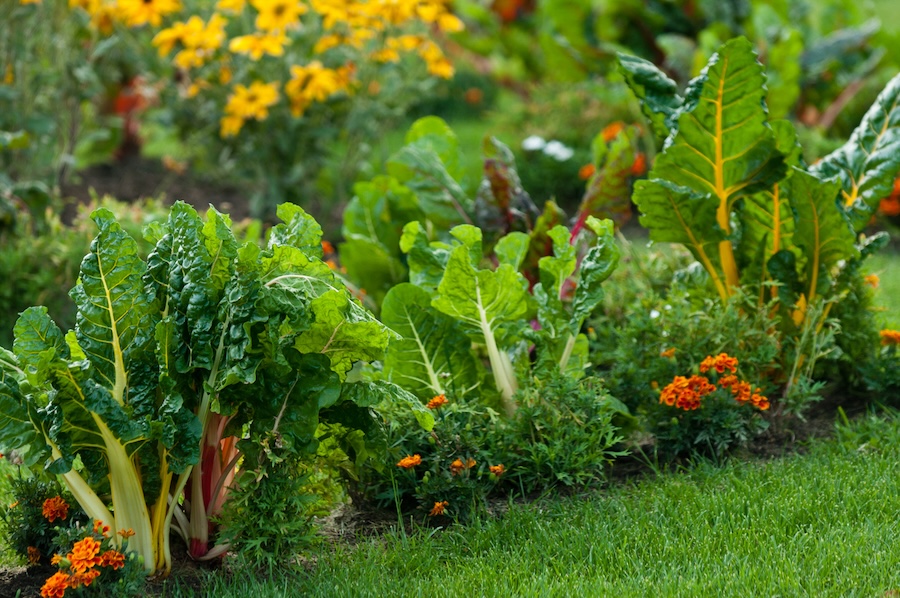
This publication describes three steps for planning a school garden: garden location, soil and terrain, and choosing crops.
|
-

C 1027-11
Sources of Water for the Garden
This publication discusses the advantages and disadvantages of various sources of water for a community or school garden, including municipal water, rivers or creeks, ponds, wells and rainwater.
|
-
C 1027-12
Irrigation
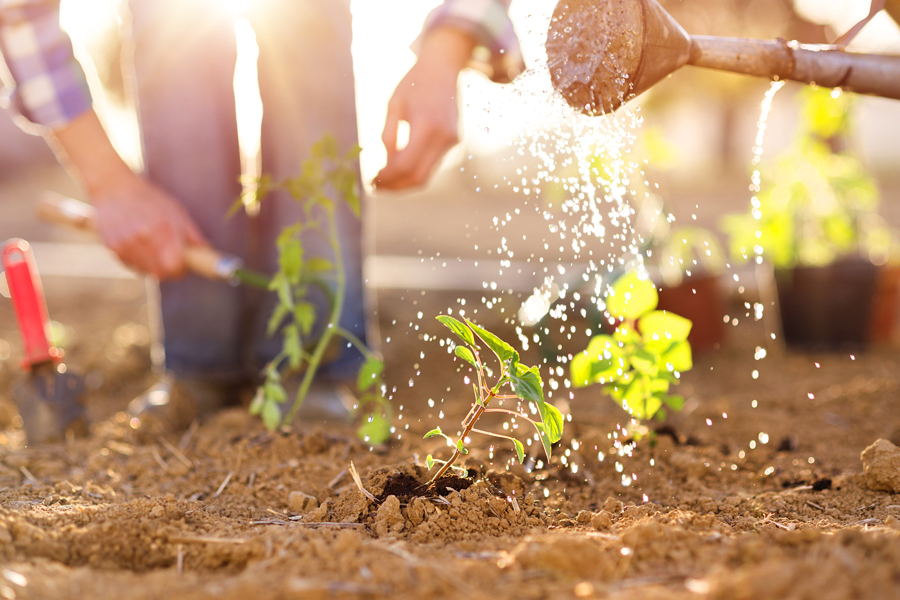
This publication describes irrigation methods suitable for community or school gardens, including overhead sprinklers, hand watering and drip irrigation.
|
-

This report provides research and extension results for trials conducted by the University of Georgia Vegetable Team and its collaborators in 2022. Contributing authors include county and regional faculty as well as specialists from UGA’s horticulture, plant pathology, crop and soil sciences, and entomology departments. All research has been supported by the Georgia Commodity Commission for Vegetables.
|
-
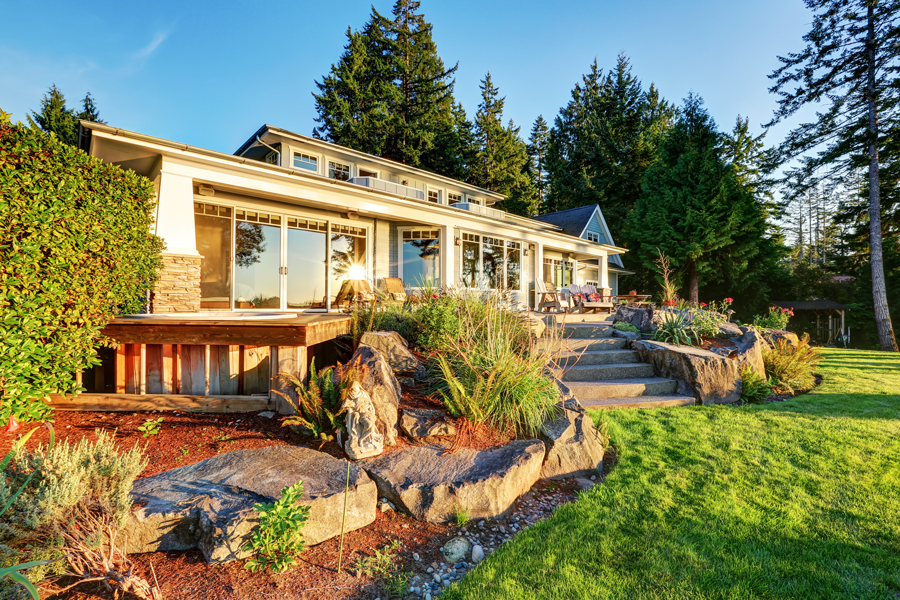
The landscape is a very important aspect of a home. Having a beautiful, creative and functional landscape requires some understanding of design principles, plant materials and outdoor structural elements. A landscape installation can be very simple or extremely complicated. Designing irrigation systems, outdoor lighting, stone walls and patios requires skills that go beyond those of the average homeowner. When the job seems too big, it may be time to call in a professional. This publication provides guidelines and suggestions for finding a garden designer.
|