Horticulture Resources
-
C 949
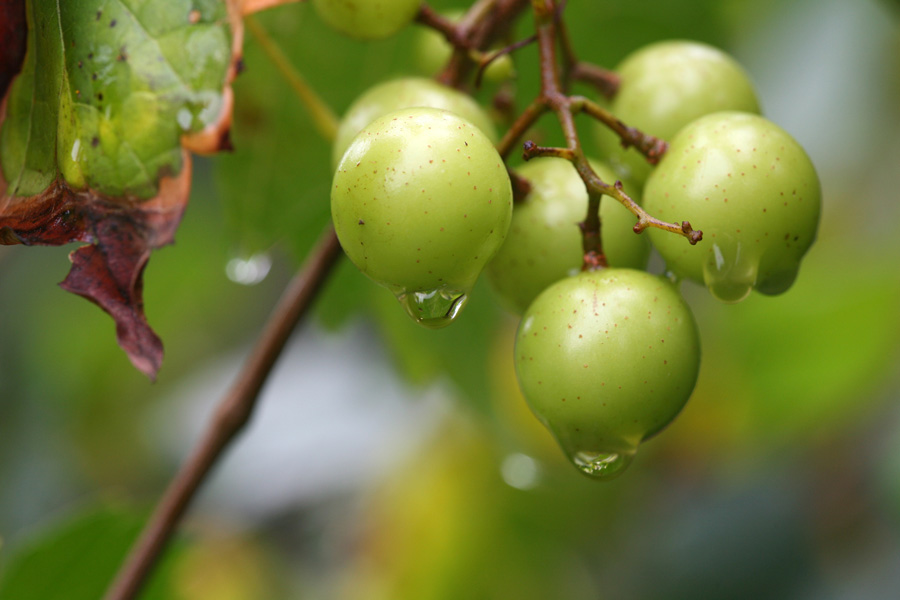
Home Garden Muscadines
Muscadines are truly a fruit for the south. Although muscadines can be grown successfully in most parts of the state, they are best adapted to the Piedmont and Coastal Plain areas.
|
-

C 1202
Connecting People and Plants
Consumer horticulture touches all our lives, whether in a bustling downtown area, the open countryside, or anywhere in between. Consumer horticulture supports human health, community beautification, environmental stewardship, local food, and more. Consumer horticulture benefits us when we tend a container garden, visit and play in a park or public garden, and grow plants indoors or outdoors.
|
-
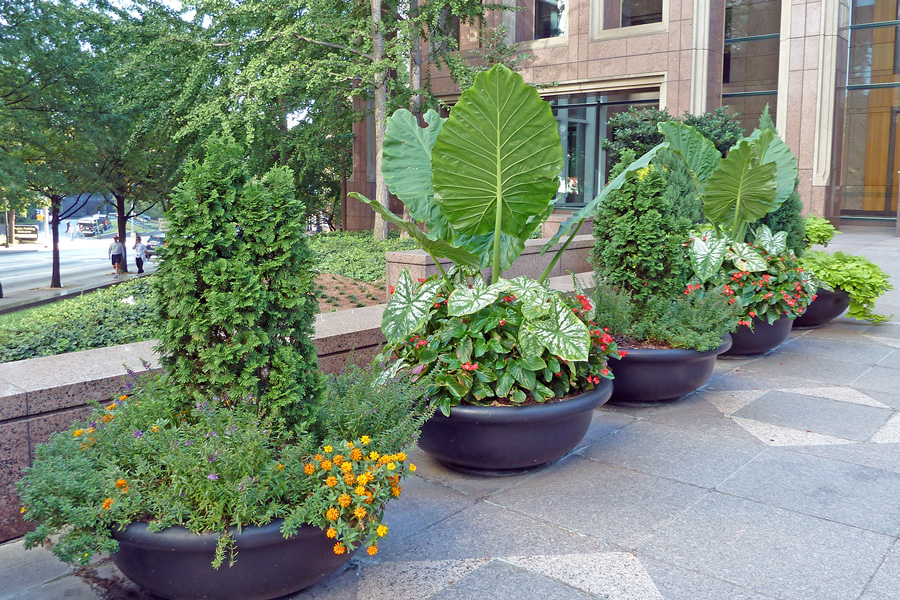
This publication offers information on types of plants suitable for mixed containers, with an emphasis on perennial and woody species and cultivars, as well as aesthetic qualities, cultural conditions and placement within the container.
|
-
C 945
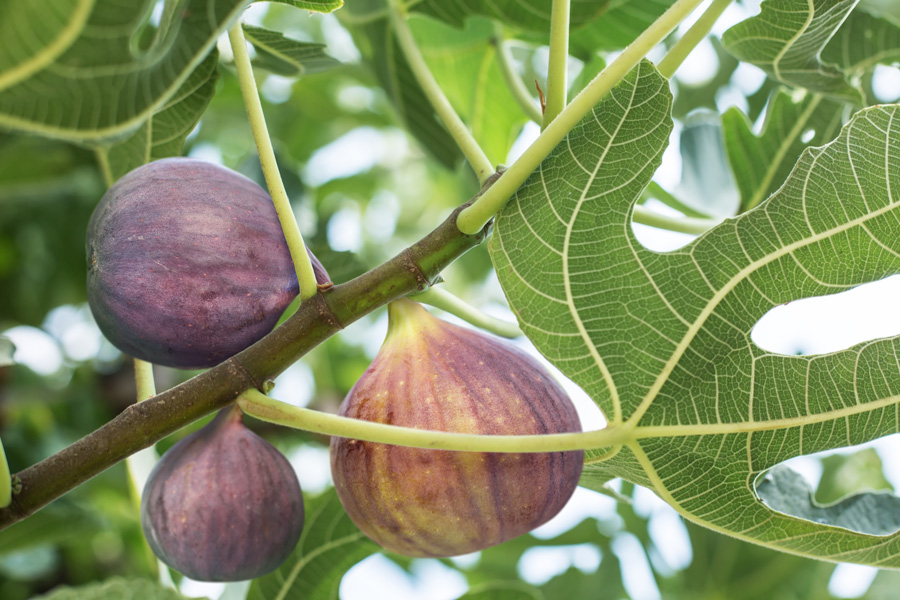
Home Garden Figs
This resource provides information on how to best grow figs in Georgia. Figs will do well in most parts of Georgia except the mountainous areas.
|
-
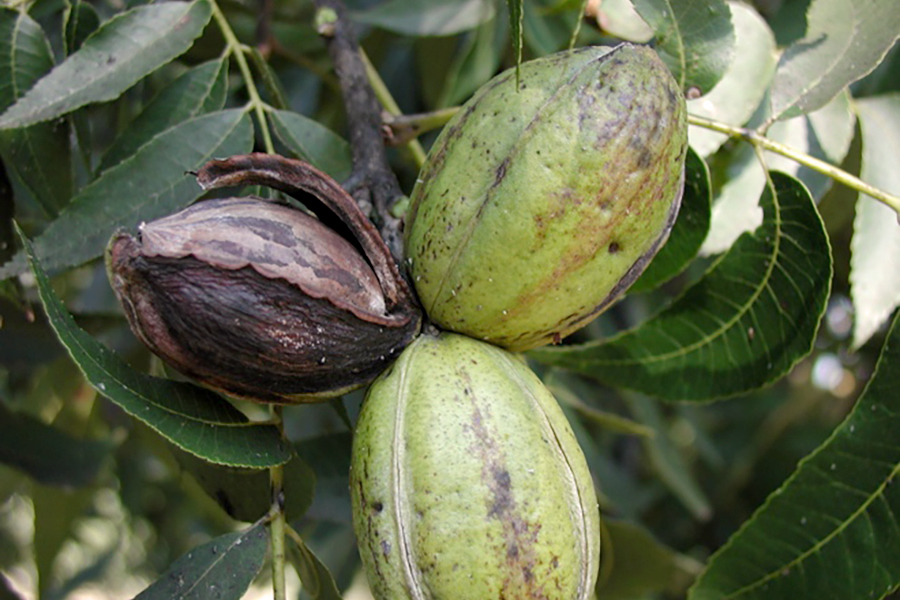
Some of the more difficult-to-diagnose pecan disorders include nutritional imbalances, nutrient deficiencies, or environmentally induced disorders. Some nutrients may be more available than others on certain soil types and under certain soil conditions, and complex interactions often occur between nutrients. This resource explains to pecan growers what to look for and how to handle these issues.
|
-

The plants and gardens that we tend matter for our personal health. They can enhance our homes, making them a haven for rest and well-being. They provide much-needed exercise, nutrition, and diversion while also providing the space to make important community connections.
|
-
C 1258
Fall Vegetable Gardening
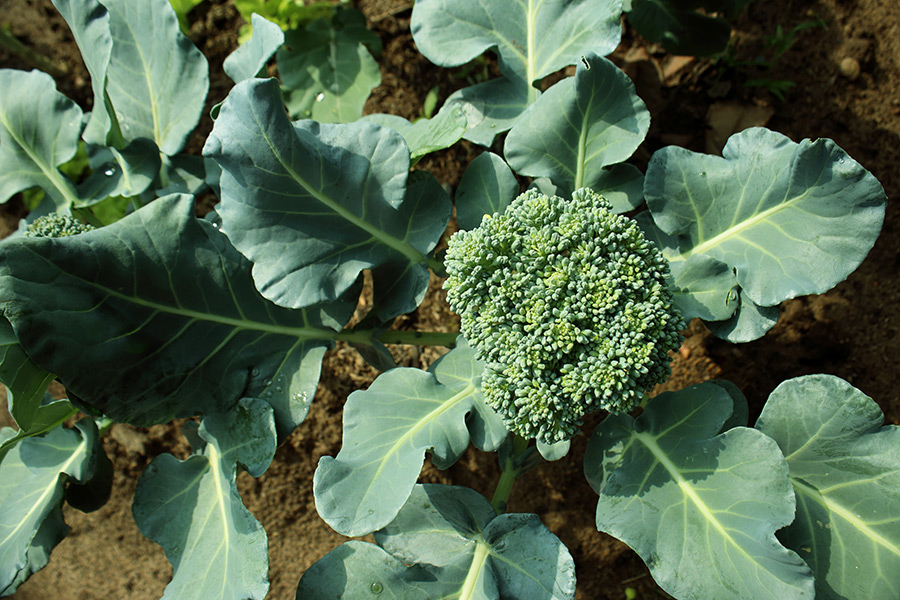
This publication covers fall vegetable production including planting dates, spacing, general culture of cool-season vegetables planted in Georgia in the fall. Many people consider the end of summer to be the end of gardening season. However, there is a whole other world of vegetables that can be planted in the fall garden in Georgia. Temperatures are milder, and there generally are fewer insects and diseases to contend with when planting in the fall. Cool-season vegetables are ironically planted in the late-summer heat, but thrive as they mature during cooler temperatures as the season progresses. Whether you choose to plant only a cover crop or to try your hand at some cool-season vegetables, planting for the fall growing season will keep your garden productive all year long.
|
-
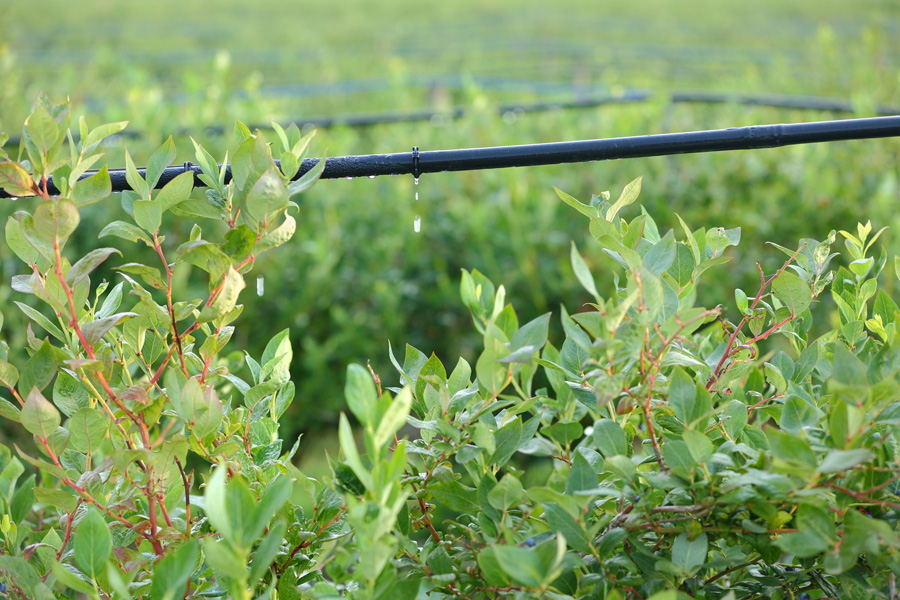
This circular is a review of water quality standards, calculations, and recommendations for water that will be used for irrigation of blueberries.
|
-
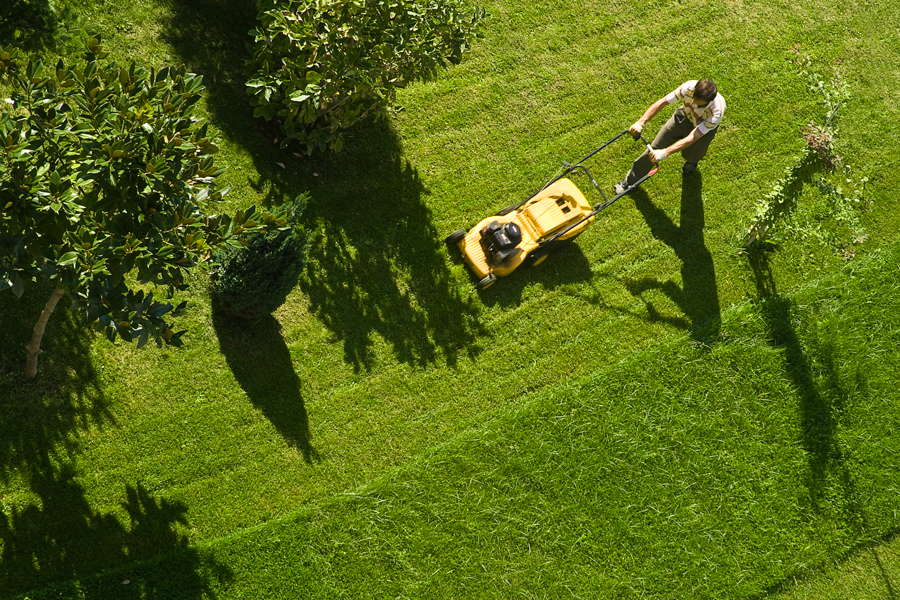
This publication covers routine maintenance and troubleshooting for common motorized equipment (small engine) that is used by small farmers and gardeners. Gardening and landscape equipment can be an expensive investment for both consumers and professionals. However, quality equipment can last a lifetime when cared for properly. Typically, you get what you pay for when it comes to equipment. Higher quality equipment certainly costs more upfront, but usually has fewer problems and will tend to outlast bargain-type tools. With name-brand equipment, parts also tend to be
more readily available. We recommend that you purchase the best equipment you can afford and learn how to take proper care of your equipment to protect your investment. For the garden and landscape, motorized equipment can include everything from a string trimmer to a full-size garden tractor. Most garden equipment is powered by either a two-cycle or four-cycle engine. Two-cycle motors mostly are found on smaller handheld equipment, such as chainsaws, tillers, and trimmers. Four-cycle motors typically are found on larger equipment such as lawnmowers, tillers, and garden tractors, which have separate reservoirs for their gas and engine oil. When properly maintained, both types of motors are quite reliable. Sometimes, very basic issues may keep motors from functioning well. All motors require three basic things to run properly: fuel, fire, and air. If any one or more of these three elements is lacking, the engine will either run poorly or not run at all.|