Horticulture Resources
-
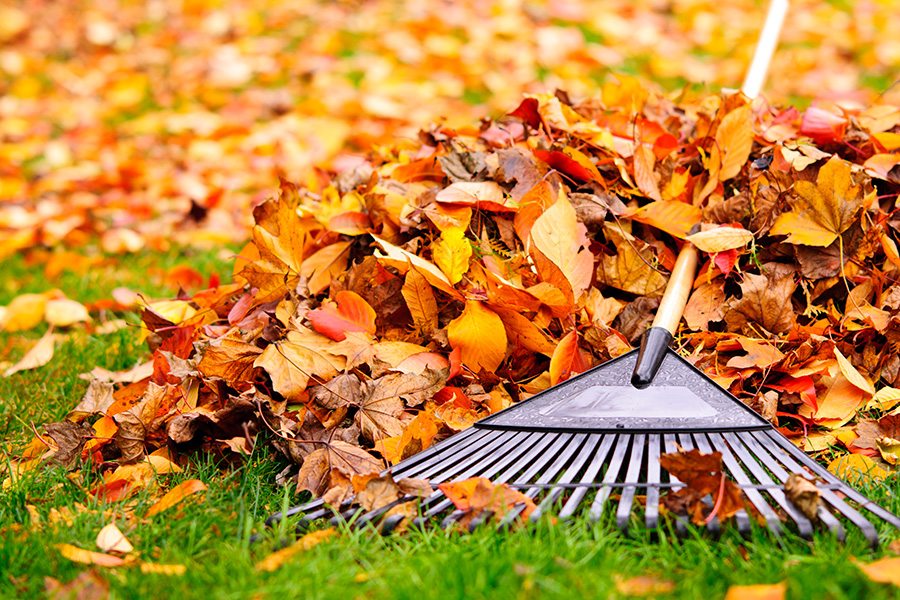
This publication is an annually-updated guide to fall gardening information and resources for Georgia. Topics include planting tall fescue lawns, soil bag flower beds, planting pansies like the pros, planting collards, turnips and cabbage, planting a home fruit orchard, mulching with leaves, gardening chores, cleaning and storing garden tools, treating for fire ants, and additional resources.
|
-
The commercial citrus industry in Georgia has only recently been established, with most groves planted after 2014. Initially,
satsuma mandarins (Citrus unshiu) on trifoliate rootstocks (Poncirus
trifoliata) were planted for their cold-hardiness, seedlessness, and
ease of peeling. Satsuma fruits begin to attain commercial maturity in
early November and usually avoid hard freezes in southern Georgia. As of
2022, approximately 75% of the 3,300 acres of citrus planted in Georgia are
satsumas, but that proportion is trending downward. To strengthen the new
Georgia citrus industry, growers recently have begun to diversify their citrus
varieties. Little is known about how these varieties will perform under Georgia
weather and soil conditions. Therefore, research is necessary to determine what
varieties can best tolerate Georgia’s winter weather and to determine cultural
norms such as maturation time, fruit quality, and insect and disease tolerance. This publication is associated with Annual Publication 127, the annual publication containing each season’s harvest data.|
-

C 576
Dahlias
Dahlias are among the most spectacular flowers you can grow in your garden. Hundreds of varieties are available, with flower sizes ranging from 1 to 14 inches in diameter. Almost any color except true blue can be produced in Georgia. In exchange for their beauty, dahlias require dedicated care. Most of them need special soil preparation, staking, watering during dry periods, disbudding, and a strict insect control program. Use this resource to successfully grow your own dahlias in Georgia.
|
-
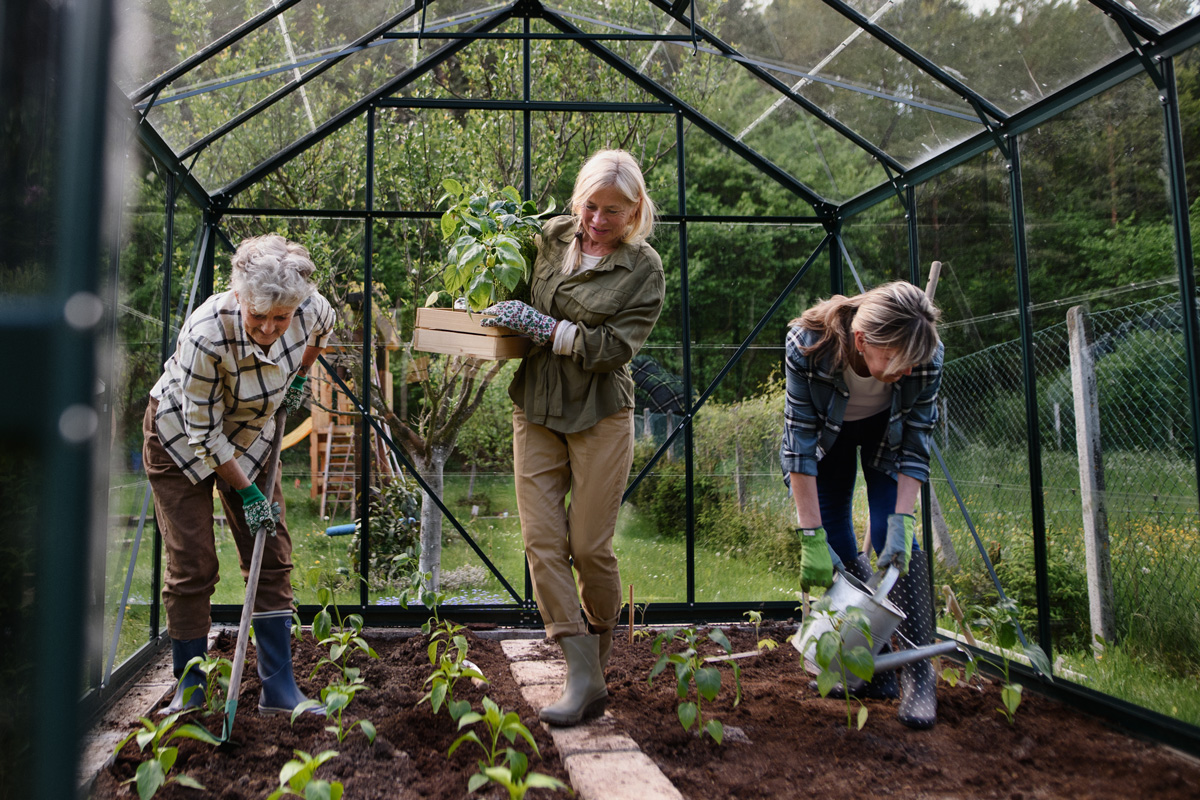
This publication offers advice on finding less expensive sources of plant material, amendments and tools for community and school gardens.
|
-

C 1027-8
Stocking the Toolshed: Hand Tools
This publication describes the types and quantities of hand tools that work best for community and school gardens, including shovels, rakes, trowels, hand pruners, gloves, children’s tools, and carts and wheelbarrows.
|
-
C 1027-3
Raised Beds vs. In-Ground Gardens
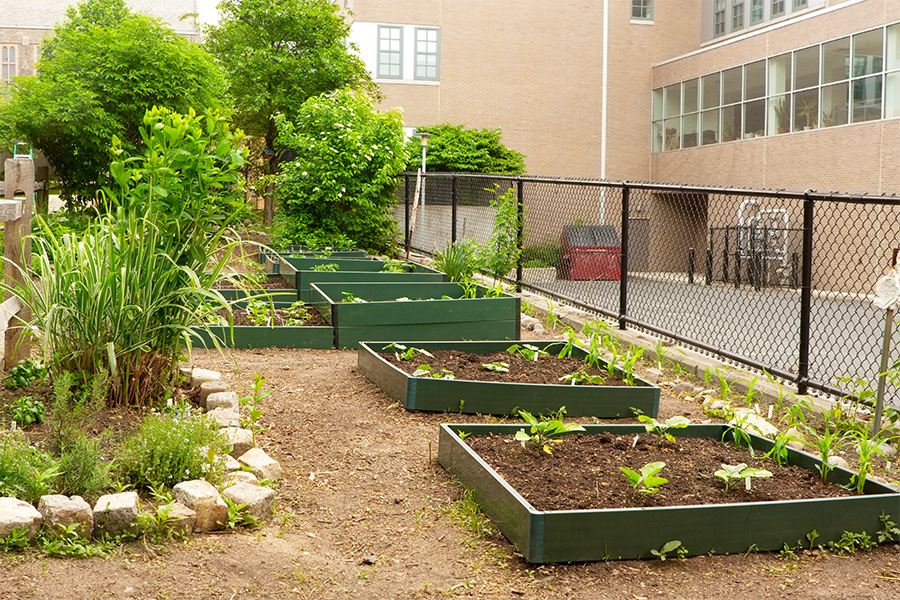
This publication describes the advantages and disadvantages of raised bed and in-ground gardens and may be used as a guide when planning a community or school garden project.
|
-
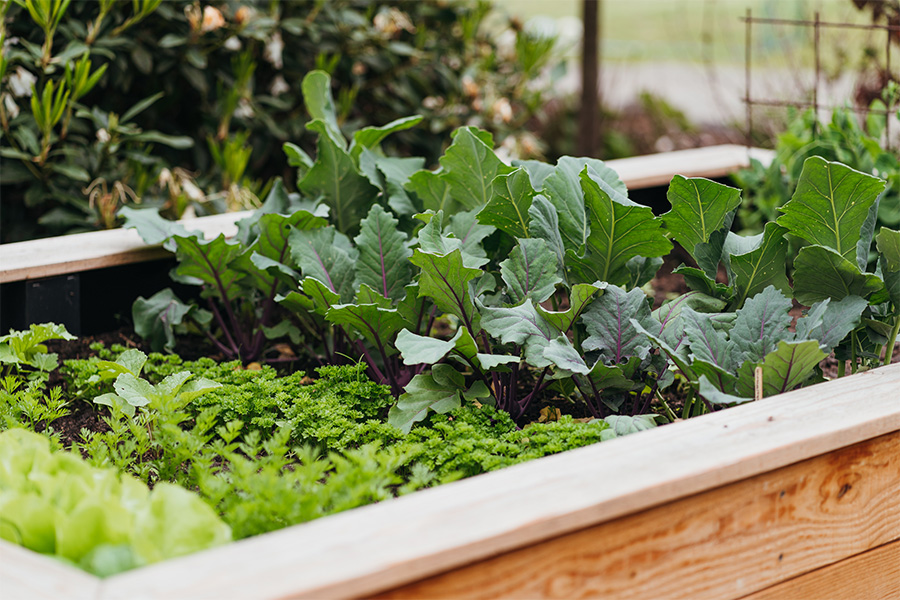
C 1027-4
Raised Garden Bed Dimensions
This publication helps determine the ideal dimensions of raised beds for community and school gardens by focusing on three things: materials, slope and accessibility.
|
-
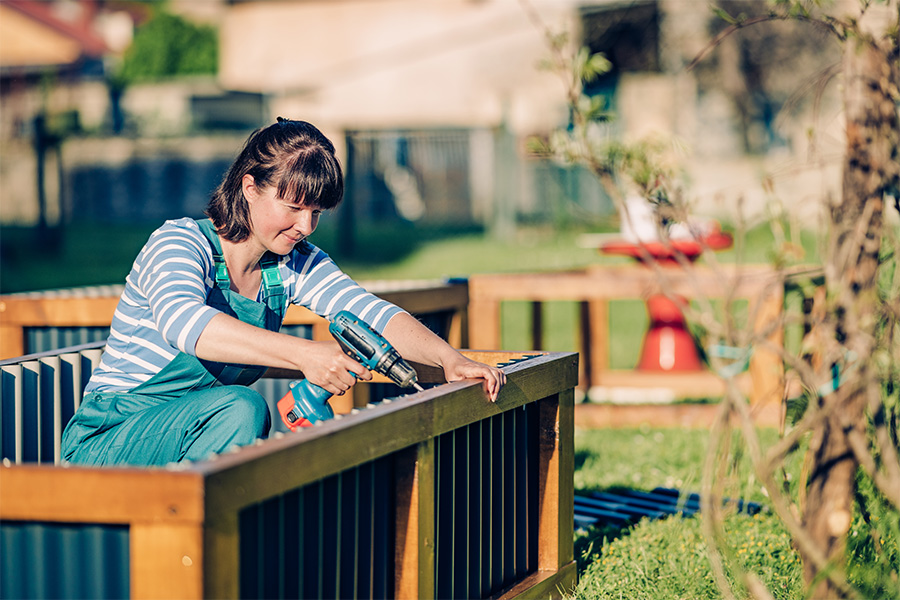
C 1027-5
Raised Bed Materials
This publication describes the advantages and disadvantages of various materials used for building raised beds, including types of wood, composite materials, recycled materials, and kits.
|
-

C 1027-9
Garden Fencing
This publication describes options for fencing a community or school garden, including fence types and materials.
|