Horticulture Resources
-
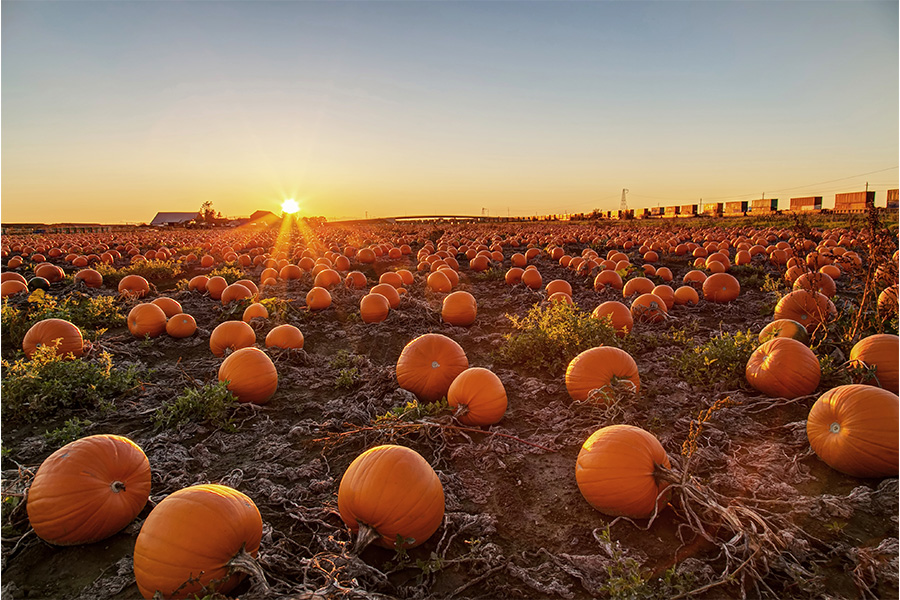
The seven topics covered in this publication are all integral parts of a successful pumpkin/gourd management program. Each topic is designed to focus on a particular aspect of production and provide the latest management technology for that phase of production. It is hoped that the information contained in this publication will assist growers in improving profitability.
|
-
C 1267
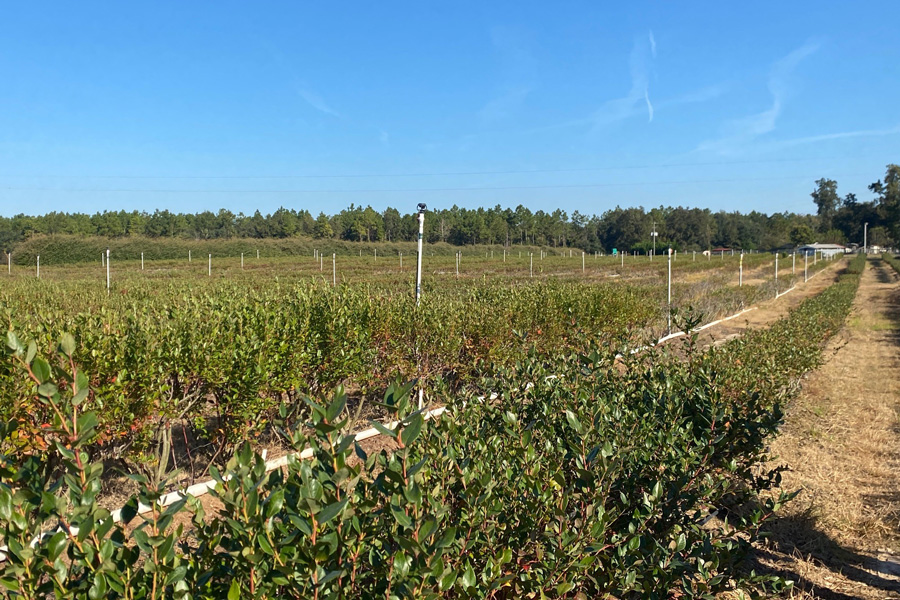
Blueberry Pre-Establishment
This publication covers the considerations producers need to have in mind when choosing a site to plant blueberry. It describes the soil characteristics that are needed to grow and produce blueberry, how to identify good soil, soil drainage, and how prior crops could affect blueberry productivity.
|
-
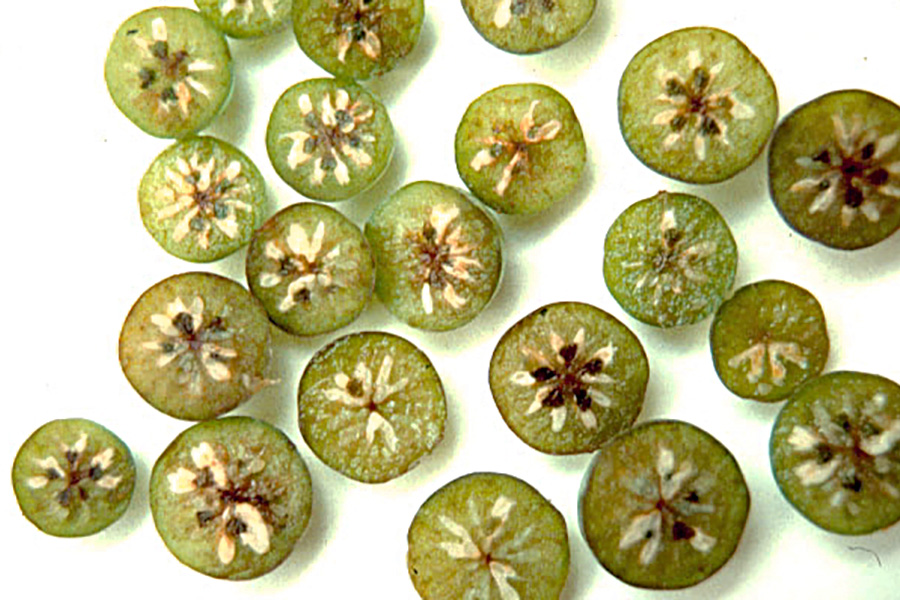
This publication is intended to be used as a pictorial diagnostic guide to identify the most common diseases seen on fruits grown in home landscapes, gardens, and/or orchards in Georgia. Use this guide as a supplemental resource and/or reference to the Homeowner Edition of the Georgia Pest Management Handbook.
|
-
C 900
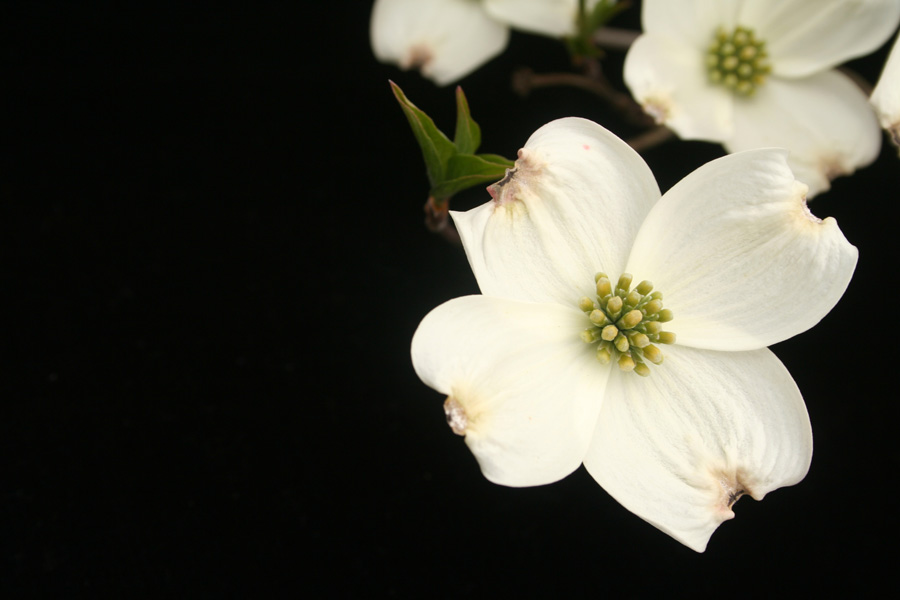
Growing Dogwoods
One of the most widely planted ornamental trees in Georgia is the flowering dogwood. Dogwoods are not difficult to grow if they are located in the proper site and if healthy trees are purchased and planted properly.
|
-
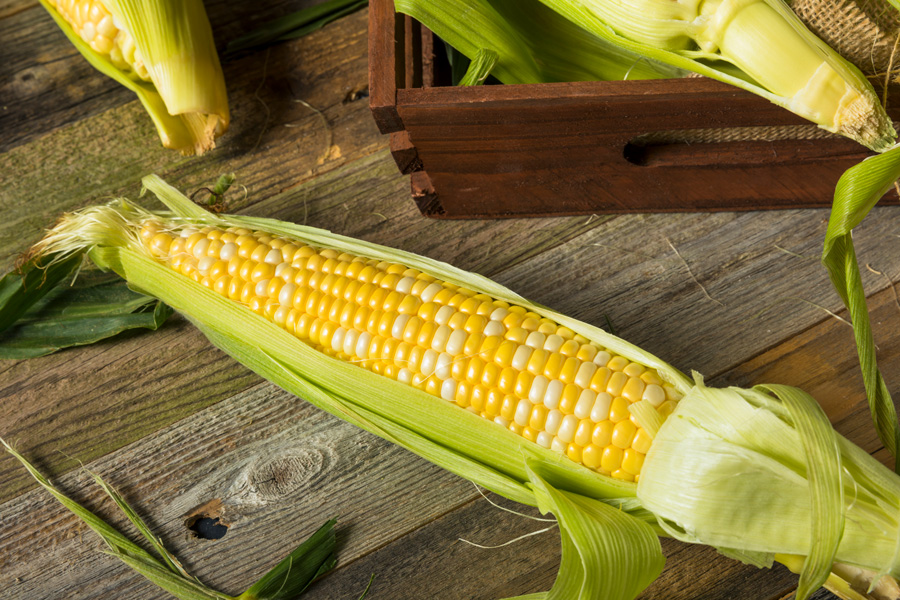
Summarizes shipper sweet corn production in southern Georgia.
|
-
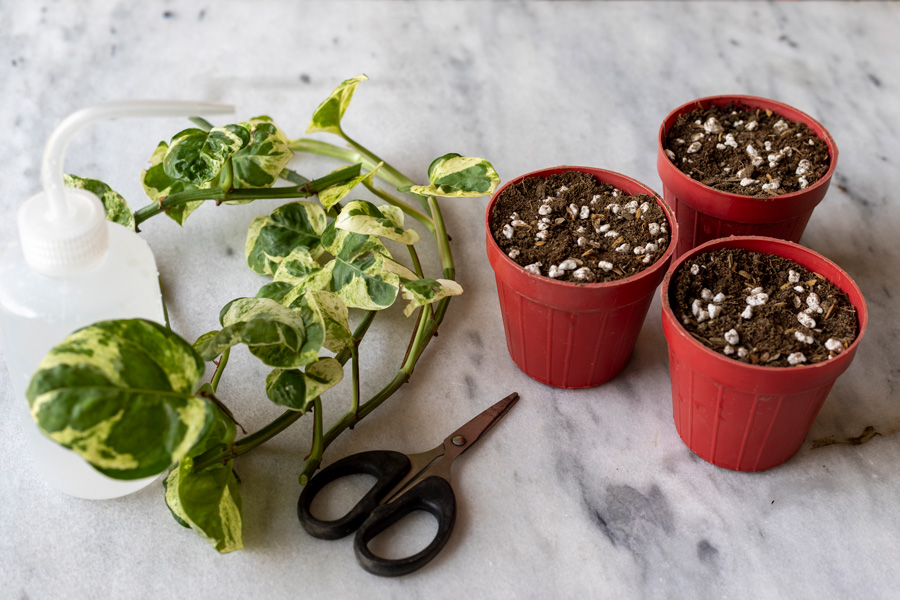
This publication shows home gardeners how to propagate many of their favorite landscape plants from cuttings at a home garden scale, using tools and resources available to them.
|
-

Consumer horticulture is the cultivation, use, and enjoyment of plants, gardens, landscapes, and related horticultural items to the benefit of individuals, communities, and the environment. These activities rely on the understanding and application of the art and science of horticulture. This publication focuses on what consumer horticulture provides for the environment.
|
-

C 1174
Pecan Management
This resource is a handy reference calendar for pecan production in the Southeastern U.S. to assist in management decisions regarding crop phenology, irrigation and fertilization requirements, disease, and insect and mite arthropod pest management. It also includes information on production activities including timing for planting, harvesting, and nutrient sampling. Information on bearing and non-bearing trees are provided to address the different management requirements for these orchards. Temporally precise management decisions on horticultural activities, disease suppression, and insect pest control will maximize efficiency, improve tree health, optimize crop quality and yield, and promote ecological and economic sustainability.
|
-
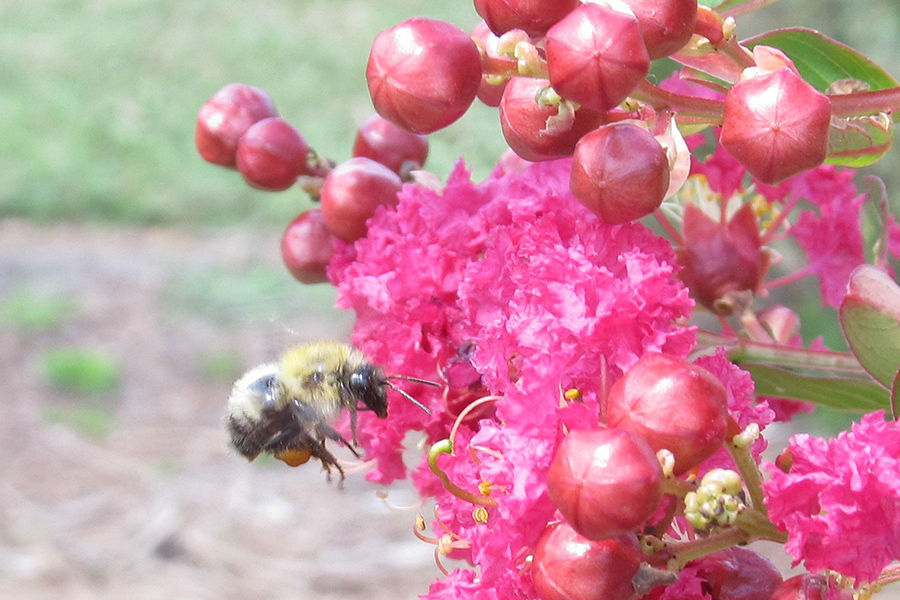
Crape myrtles are popular landscape shrubs and small trees. Native to China, Japan, and Korea southward to Oceania, crape myrtles have been cultivated in the U.S. for more than 175 years. Cultivars range from 3-ft shrubs to 30-ft-tall trees, and they are graced with large panicles of white, pink, lavender, purple, red, and many colors in between. Among cultivars, crape myrtles have a wide range of tolerance to key pests and diseases, such as powdery mildew, flea beetles, crape myrtle aphids, and Japanese beetles. The plant’s flowers are widely admired by humans and can serve as nectar and pollen sources for pollinators. With the recent decline in pollinator health and diversity, pollinator visitation, pest susceptibility, and horticultural attributes should all be considered when choosing crape myrtle cultivars for home and commercial landscapes.
|